Issue · Environment

Environment (Air Quality)

Every environment bill, vote, and legislator stance in United States, automatically classified by Maddy, our AI policy reader.

Total bills
72
119th Congress
Top supporter
Adam B. Schiff
85% support rate
Top opponent
Thomas H. Kean, Jr.
0% support rate
Ranked legislators
10
5 support · 5 oppose
Key legislators

Who's moving air quality in United States

Legislators moving air quality in United States
Legislator Party Stance Support rate Votes
Adam B. Schiff
Adam B. Schiff Senate
D
Strong +
85% 13
Alex Padilla
Alex Padilla Senate
D
Strong +
85% 13
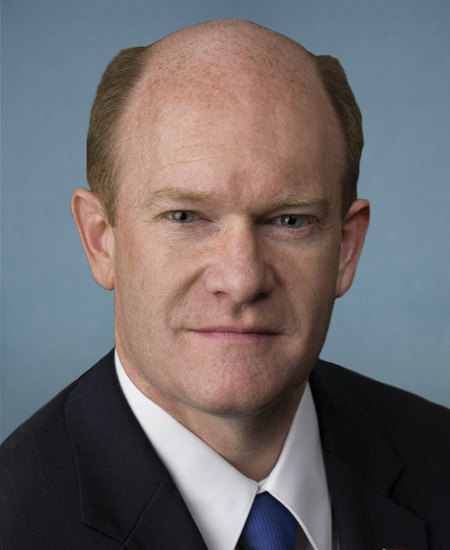
Christopher A. Coons
Christopher A. Coons Senate
D
Strong +
85% 13
Kirsten E. Gillibrand
Kirsten E. Gillibrand Senate
D
Strong +
85% 13
Angela D. Alsobrooks
Angela D. Alsobrooks Senate
D
Strong +
83% 12
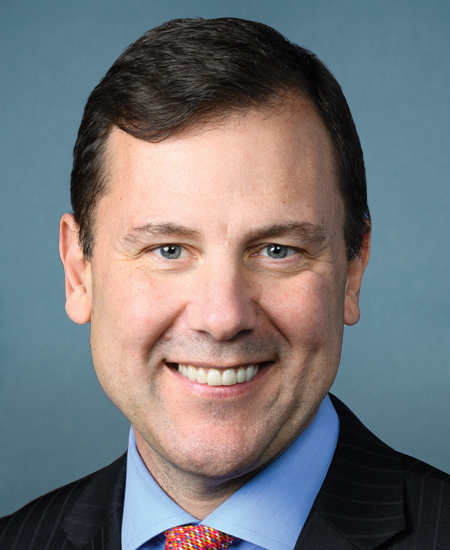
Thomas H. Kean, Jr.
Thomas H. Kean, Jr. House · District 7
R
Strong −
0% 6
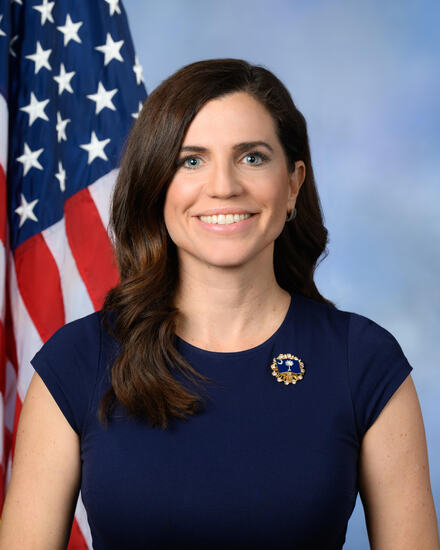
Nancy Mace
Nancy Mace House · District 1
R
Strong −
12% 8
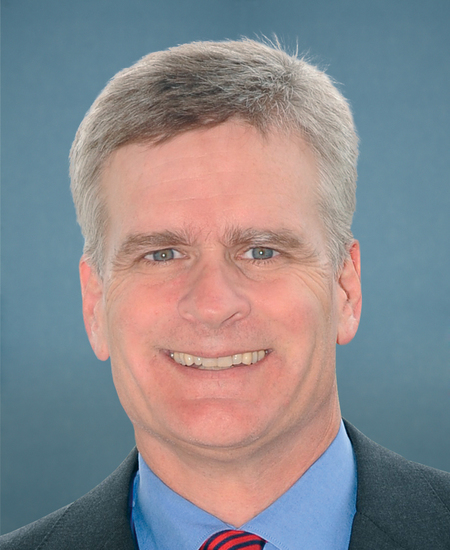
Bill Cassidy
Bill Cassidy Senate
R
Strong −
15% 13
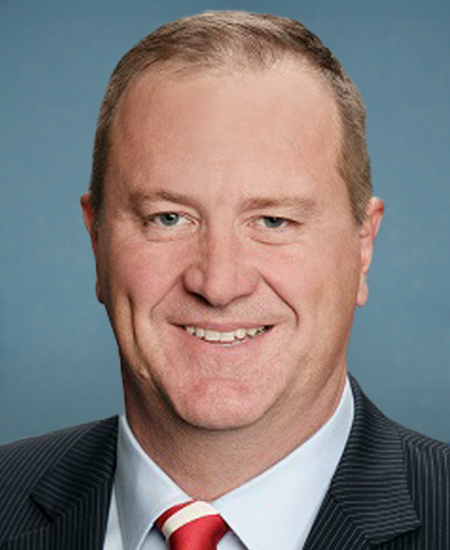
Eric Schmitt
Eric Schmitt Senate
R
Strong −
15% 13
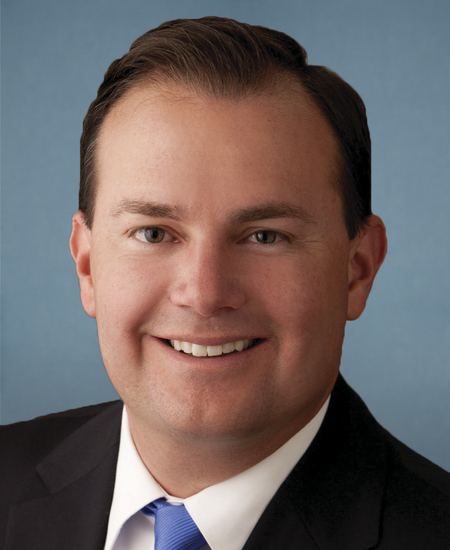
Mike Lee
Mike Lee Senate
R
Strong −
15% 13
Showing 31–40 of 72 bills

All environment bills

passed · United States · House Apr 17, 2026

HR 6398: RED Tape Act

Reducing and Eliminating Duplicative Environmental Regulations Act or the RED Tape Act This bill removes the requirement under the Clean Air Act that the Environmental Protection Agency (EPA) review and comment on newly authorized federal construction projects and other major federal agency actions that already require review under the National Environmental Policy Act (NEPA) and proposed federal regulations.
Sub-Topics Air Quality
passed · United States · House Apr 27, 2026

HR 6387: FIRE Act

The FIRE Act amends the Clean Air Act to clarify when air quality monitoring data affected by wildfires or prescribed fire (a state-approved wildfire risk mitigation practice) can be excluded from compliance calculations with air quality standards. It expands the definition of "exceptional events" to include natural wildfires and human activities mimicking natural events (like prescribed burns), while excluding common weather patterns and pollution from noncompliance. The bill requires the EPA to conduct regional analysis for multistate wildfire events and create a public website tracking state petitions for data exclusion. This change primarily affects how states and the EPA handle air quality data during wildfire seasons and when using prescribed fire as a management tool.
Sub-Topics Air Quality Forestry
in committee · United States · House Feb 9, 2026

HR 7452: Air Quality Act

HR 7452, titled the "Air Quality Act" (though it addresses weather modification, not air quality), prohibits all weather modification activities in the U.S., including cloud seeding, geoengineering, and stratospheric aerosol injection, for individuals, companies, and federal agencies. It imposes criminal penalties of up to $100,000 or 5 years in prison per violation, plus civil fines of $10,000 per violation, and requires new reporting systems for aircraft involved in such activities and public complaints to the EPA. The bill repeals all existing federal laws, regulations, or executive orders authorizing weather modification and bans all federal research or experimentation on weather modification. It defines "weather modification" broadly to include any atmospheric alteration affecting weather, climate, or sunlight.
Sub-Topics Air Quality
in committee · United States · Senate Mar 14, 2025

S 1072: Stop CARB Act of 2025

This bill repeals federal waivers that allow California to set its own vehicle and engine emission standards under the Clean Air Act. It directly affects California's Air Resources Board (CARB), prohibiting the state from adopting or enforcing standards for nonroad engines (like construction equipment, farm vehicles, and locomotives) or new motor vehicles. Key provisions include removing federal authorization for California's vehicle standards (Section 177) and invalidating all existing waivers for state emission rules. The bill would eliminate California's ability to enforce its own emission requirements for these categories, shifting authority entirely to federal standards.
Sub-Topics Air Quality
in committee · United States · Senate Feb 25, 2025

S 711: Transportation Freedom Act

The Transportation Freedom Act would create a 200% tax deduction for wages paid to U.S. automobile manufacturing workers who meet specific requirements, including health care coverage and pension benefits. It repeals current emissions standards for light-duty, medium-duty, and heavy-duty vehicles, as well as Corporate Average Fuel Economy (CAFE) standards. The bill establishes new standards for greenhouse gas emissions and fuel economy that must be "technologically feasible and economically practicable," requiring consultation with manufacturers and other stakeholders. It also eliminates existing emissions waivers and creates a process for adjusting standards based on market conditions.
in committee · United States · Senate Mar 12, 2025

S 995: Choice in Automobile Retail Sales Act of 2025

This bill repeals the EPA's 2024 emissions standards for light- and medium-duty vehicles and amends the Clean Air Act to prevent future regulations from mandating specific technologies or limiting new vehicle availability based on engine type. It directly affects the EPA's regulatory authority and vehicle manufacturers by blocking technology mandates and restrictions on engine types in new vehicles. Key provisions require the EPA to revise regulations within 24 months to align with these changes, ensuring no federal rules limit vehicle choices based on engine technology. The bill's title is misleading, as it does not address automobile retail sales or consumer choice at dealerships.
in committee · United States · Senate Mar 12, 2025

S 990: Freedom to Haul Act of 2025

S 990, the Freedom to Haul Act of 2025, prohibits the Environmental Protection Agency (EPA) from implementing or enforcing Phase 3 greenhouse gas emissions standards for heavy-duty vehicles (finalized in April 2024). It amends the Clean Air Act to require that future emissions rules for vehicles cannot mandate specific technologies or limit the availability of new trucks based on engine type. This directly affects EPA regulatory authority and vehicle manufacturers, ensuring a broader range of new truck options remains available. The bill focuses on preventing regulatory restrictions on vehicle choice, not on emissions outcomes.
in committee · United States · Senate Mar 9, 2026

SJRES 122: A joint resolution providing for congressional disapproval under chapter 8 of title 5, United States Code, of the rule submitted by the Environmental Protection Agency relating to "Air Plan Approval; Indiana; Regional Haze Plan for the Second Implementation Period".

SJRES 122 is a joint resolution seeking to disapprove an Environmental Protection Agency (EPA) rule that approved Indiana's Regional Haze Plan for the second implementation period under federal air quality regulations. If passed, the resolution would block the rule from taking effect, preventing the EPA's approval of Indiana's haze reduction plan from being enforced. This follows a standard congressional disapproval process under federal law that allows Congress to halt agency rules within a specific timeframe. The resolution directly affects the EPA's ability to implement the approved plan in Indiana.
Sub-Topics Air Quality
in committee · United States · Senate Mar 9, 2026

SJRES 119: A joint resolution providing for congressional disapproval under chapter 8 of title 5, United States Code, of the rule submitted by the Environmental Protection Agency relating to "Air Plan Approval; Montana; Regional Haze Plan for the Second Implementation Period".

This joint resolution (SJRES 119) seeks congressional disapproval of an Environmental Protection Agency (EPA) rule approving Montana's regional haze plan for the second implementation period under federal air quality standards. If passed, it would nullify the EPA's rule (published in the Federal Register on November 28, 2025), meaning the EPA's approval of Montana's plan would have no legal effect. The bill directly affects Montana's air quality management by blocking federal approval of its haze reduction plan for the second phase. It uses the statutory disapproval process under Title 5 of the U.S. Code to override the EPA's action without changing Montana's underlying air quality plan.
Sub-Topics Air Quality
in committee · United States · House Jan 21, 2026

HR 4218: CLEAR Act

The CLEAR Act (HR 4218) amends the Clean Air Act to streamline state compliance with air quality standards. It extends the review cycle for national air quality standards from five to ten years, requires states to consider economic feasibility alongside technical achievability when developing plans, and gives states up to three years (instead of two) to fix deficiencies before federal intervention. The bill also creates a new exception for wildfire mitigation actions like prescribed fires, allowing states to exclude wildfire-related air quality data from violation determinations. These changes primarily affect states responsible for implementing air quality plans under federal oversight.
Sub-Topics Air Quality Forestry
Showing 31 to 40 of 72 bills
Previous 1 3 4 5 8 Next