Issue · Environment

Environment

Every environment bill, vote, and legislator stance in United States, automatically classified by Maddy, our AI policy reader.

Total bills
1,481
119th Congress
Top supporter
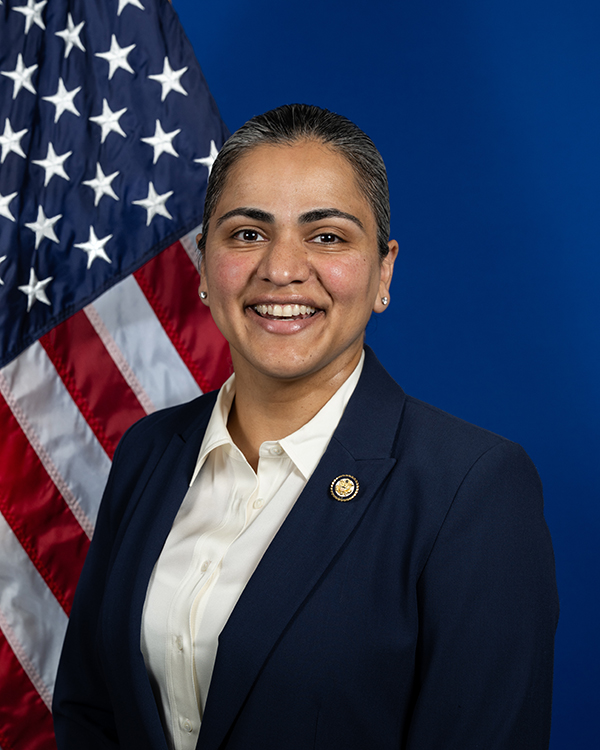
Aisha Wahab
100% support rate
Top opponent
Marsha Blackburn
11% support rate
Ranked legislators
10
5 support · 5 oppose
Key legislators

Who's moving environment in United States

Legislators moving environment in United States
Legislator Party Stance Support rate Decisive votes
Aisha Wahab
Aisha Wahab House · District 14
D
Strong +
100% 7
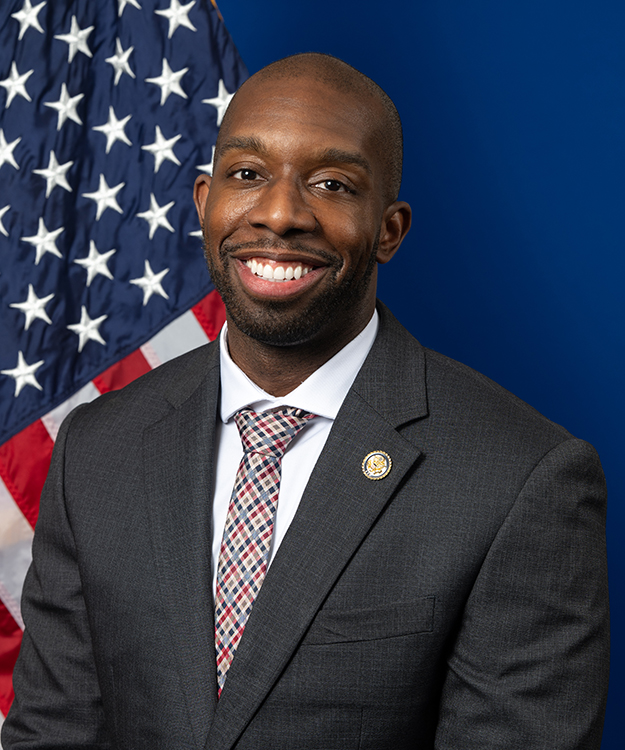
Everton Blair Jr.
Everton Blair Jr. House · District 13
D
Strong +
89% 9
Martin Heinrich
Martin Heinrich Senate
D
Strong +
84% 37
Adam B. Schiff
Adam B. Schiff Senate
D
Support
79% 53
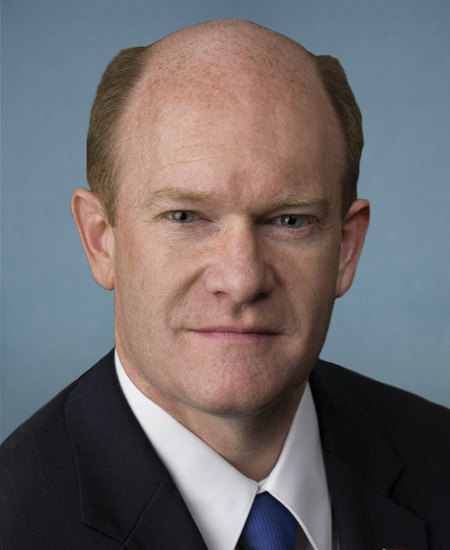
Christopher A. Coons
Christopher A. Coons Senate
D
Support
79% 52
Marsha Blackburn
Marsha Blackburn Senate
R
Strong −
11% 36
Ted Budd
Ted Budd Senate
R
Strong −
20% 40
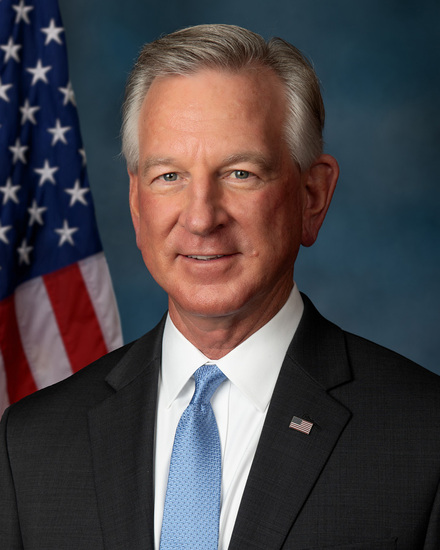
Tommy Tuberville
Tommy Tuberville Senate
R
Oppose
21% 53
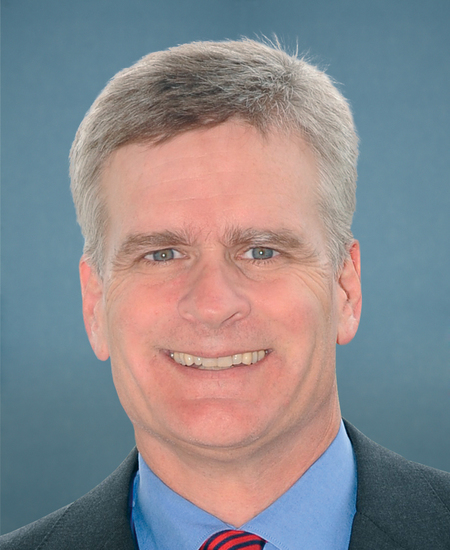
Bill Cassidy
Bill Cassidy Senate
R
Oppose
22% 54
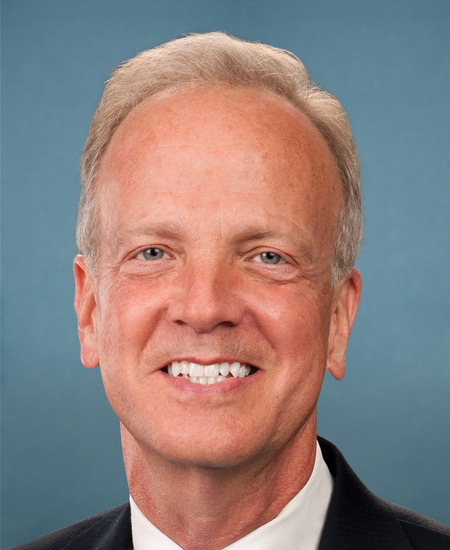
Jerry Moran
Jerry Moran Senate
R
Oppose
23% 53
Showing 321–330 of 1,481 bills

All environment bills

in committee · United States · House Mar 26, 2026

HR 8099: Plug Offshore Wells Act

The Plug Offshore Wells Act requires the Secretary of the Interior to submit an annual report to Congress and make it publicly available. This report will detail the status of decommissioning offshore oil and gas wells, platforms, and pipelines. It must include information on the number of decommissioning applications received, instances where decommissioning deadlines were missed, and the status of enforcement actions by the Bureau of Safety and Environmental Enforcement. The report will also specify the number of wells and platforms approved for decommissioning in place, and the lengths of pipelines either decommissioned in place or fully removed.
in committee · United States · House Feb 25, 2026

HR 7684: SCOPE Act of 2026

The SCOPE Act of 2026 directs the Environmental Protection Agency (EPA) to conduct a study and issue guidance for specific industrial facilities, referred to as "direct emitters," regarding the calculation and reporting of their "scope 3 emissions." Scope 3 emissions are defined as indirect greenhouse gas emissions resulting from activities throughout a company's upstream and downstream value chain. Within one year of the bill's enactment, the EPA Administrator must publish comprehensive guidance for these direct emitters. This guidance will include recommended reporting thresholds, standardized calculation methodologies, advice on monitoring frequency, data quality assurance, and recordkeeping requirements for these indirect emissions.
Sub-Topics Climate Change
in committee · United States · House Apr 13, 2026

HR 8254: Water Access and Affordability Act

The Water Access and Affordability Act establishes a federal program, administered by the EPA, to provide financial assistance to low-income households for their drinking water and sanitary sewer bills. States, large water systems, or Indian Tribes can receive grants to implement these programs, offering aid for bill payments, debt relief, and water efficiency improvements. The bill includes provisions to simplify enrollment, such as automatic enrollment and self-attestation, and prohibits service disconnections for participating households. Additionally, it revises federal State Revolving Loan Fund programs for water infrastructure, requiring states to increase transparency, public engagement, and prioritize assistance for disadvantaged communities. This includes public review of funding plans, reporting on the socioeconomic impact of projects, and expediting aid to communities with affordability challenges.
in committee · United States · House Apr 15, 2026

HR 8303: Revitalizing America’s Schoolyards Act of 2026

The Revitalizing America’s Schoolyards Act of 2026 establishes a grant program, administered by the Department of Education, to help public elementary and secondary schools transform their outdoor spaces into "revitalized schoolyards." These new outdoor environments are designed to strengthen local ecological systems, provide hands-on learning opportunities, and promote nature play and social interaction for students and the community. Eligible entities, including local schools and partner non-profits, can apply for planning grants to design these spaces and then implementation grants to build them, with priority given to schools serving a high percentage of low-income students or those vulnerable to extreme heat or flooding. The bill requires a 20% non-federal match for implementation grants, which can be waived for high-need or tribal schools, and also directs the Secretary to maintain a clearinghouse of outdoor learning resources.
Sub-Topics Student Health
in committee · United States · House Mar 26, 2026

HR 8113: To direct the Secretary of the Interior to carry out a feasibility study on a selective water withdrawal system at Glen Canyon Dam, and for other purposes.

This bill directs the Secretary of the Interior to conduct a feasibility study on installing a selective water withdrawal system at Glen Canyon Dam. The study aims to balance hydropower generation with preventing invasive species from being drawn into the dam's intake, following existing environmental management plans. If the study finds the system feasible and power contractors agree, construction could begin after the 18-month study period. The bill allocates federal funds for the study and requires identifying funding sources within 90 days of enactment.
in committee · United States · House Mar 3, 2026

HR 7748: Railway Safety Act of 2026

The Railway Safety Act of 2026 establishes new safety requirements for trains transporting hazardous materials, including speed limits, enhanced reporting, and stricter tank car standards. It mandates that high-hazard trains carrying flammable liquids or toxic materials be limited to 40 mph in urban areas, while requiring railroads to provide real-time information to emergency responders. The bill also increases penalties for safety violations, requires more frequent inspections of rail equipment, and creates a new emergency response assistance program to help communities affected by hazardous materials incidents. Additionally, it authorizes funding for research into safer tank cars and defect detection systems, and requires the Federal Railroad Administration to improve its safety workforce management.
Sub-Topics Rail
in committee · United States · Senate Mar 24, 2026

S 4175: A bill to amend the Internal Revenue Code of 1986 to extend the clean electricity production credit and the clean electricity investment credit based on increases in the price of, and demand for, electricity, and for other purposes.

This bill extends two federal clean energy tax credits for electricity production and investment by allowing them to be renewed when electricity prices or demand rise significantly. It directly affects homeowners, businesses, and energy companies that install or produce clean electricity systems by providing tax incentives during periods of high energy costs. The key mechanism involves the Energy Information Administration tracking national electricity prices and sales, with the Treasury Secretary determining if a year qualifies as a price or demand increase year based on a 2% price rise or increased sales volume. When such a year is identified, the credits remain available for six years instead of expiring, and certain restrictions on using the credits are temporarily lifted for two years following the determination.
in committee · United States · Senate Sep 17, 2026

S 4238: Endless Mountains National Heritage Area Act

This bill establishes the Endless Mountains National Heritage Area in Pennsylvania, covering Bradford, Sullivan, Susquehanna, and Wyoming counties, with potential expansion based on a future feasibility study. The Endless Mountains Heritage Region, Inc. will serve as the local coordinating entity responsible for managing the area and submitting a management plan to the Secretary of the Interior within three years of enactment. Federal assistance for the heritage area will be authorized for a period of 15 years from the date the bill becomes law, after which the Secretary's authority to provide funding will end.
passed · United States · House Apr 15, 2026

HRES 1174: Providing for consideration of the bill (H.R. 6387) to amend the Clean Air Act to require revisions to regulations governing the review and handling of air quality monitoring data influenced by exceptional events or actions to mitigate wildfire risk; providing for consideration of the bill (H.R. 6398) to amend the Clean Air Act relating to review by the Environmental Protection Agency of proposed legislation; providing for consideration of the bill (H.R. 6409) to amend the Clean Air Act to clarify standards for emissions emanating from outside of the United States, and for other purposes; and providing for consideration of the resolution (H. Res. 1156) expressing support for tax policies that support working families.

This resolution allows the House of Representatives to consider four separate pieces of legislation without certain procedural objections. It directly affects the legislative process by streamlining how specific bills and a resolution move through the House. The first three items are bills that amend the Clean Air Act to address air quality monitoring during wildfires, EPA review procedures, and international emissions standards. The fourth item is a resolution expressing support for tax policies aimed at helping working families. This procedural measure does not change policy itself but enables the House to vote on these underlying proposals.
Sub-Topics Air Quality Forestry
in committee · United States · House Apr 9, 2026

HR 8241: Power for the People Act of 2026

The Power for the People Act of 2026 requires the Federal Energy Regulatory Commission to create a special approval process for data centers, which are defined as facilities using more than 50 megawatts of electricity. Under this system, data centers must offset their energy consumption by bringing their own clean power sources to the grid or agreeing to flexible power usage that can be reduced when needed. The bill also directs states to establish separate electricity rates for data centers so these facilities pay their full share of grid upgrade costs rather than spreading those expenses across all customers. Additionally, the legislation mandates that data center construction use prevailing wages and registered apprenticeship programs, while requiring greater transparency in how data center energy demands are forecasted and approved.
Showing 321 to 330 of 1,481 bills
Previous 1 32 33 34 149 Next