Issue · Environment

Environment

Every environment bill, vote, and legislator stance in United States, automatically classified by Maddy, our AI policy reader.

Total bills
1,481
119th Congress
Top supporter
Aisha Wahab
100% support rate
Top opponent
Marsha Blackburn
11% support rate
Ranked legislators
10
5 support · 5 oppose
Key legislators

Who's moving environment in United States

Legislators moving environment in United States
Legislator Party Stance Support rate Decisive votes
Aisha Wahab
Aisha Wahab House · District 14
D
Strong +
100% 7
Everton Blair Jr.
Everton Blair Jr. House · District 13
D
Strong +
89% 9
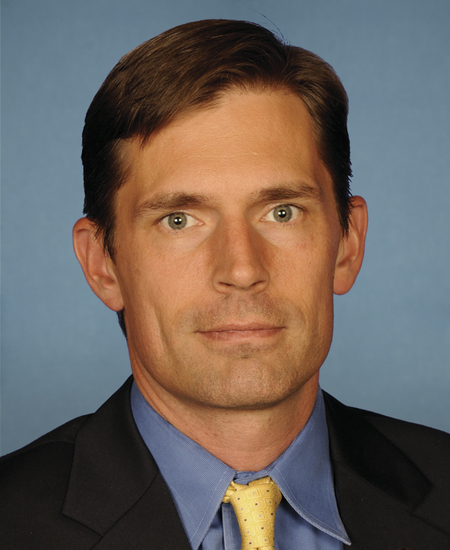
Martin Heinrich
Martin Heinrich Senate
D
Strong +
84% 37
Adam B. Schiff
Adam B. Schiff Senate
D
Support
79% 53
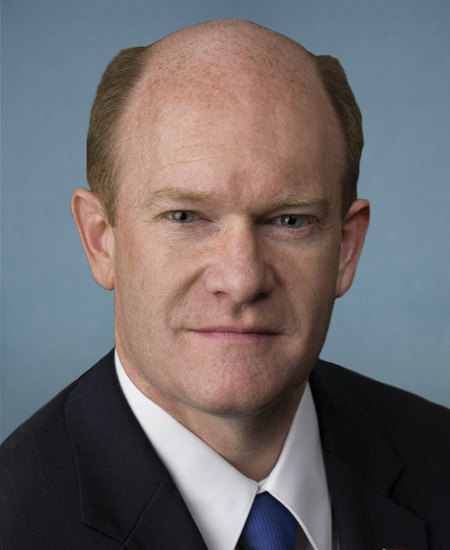
Christopher A. Coons
Christopher A. Coons Senate
D
Support
79% 52
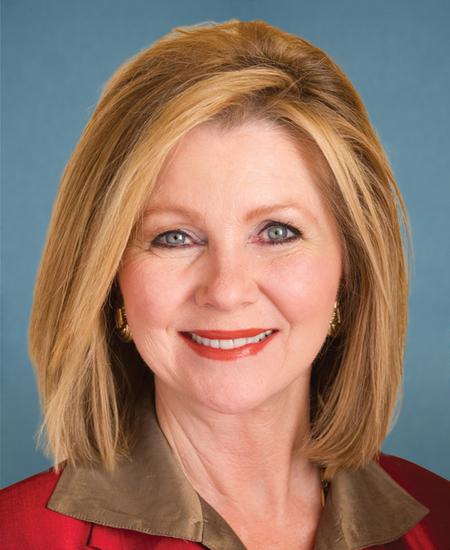
Marsha Blackburn
Marsha Blackburn Senate
R
Strong −
11% 36
Ted Budd
Ted Budd Senate
R
Strong −
20% 40
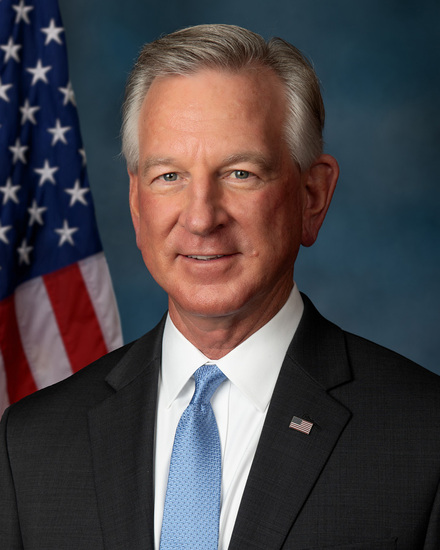
Tommy Tuberville
Tommy Tuberville Senate
R
Oppose
21% 53
Bill Cassidy
Bill Cassidy Senate
R
Oppose
22% 54
Jerry Moran
Jerry Moran Senate
R
Oppose
23% 53
Showing 301–310 of 1,481 bills

All environment bills

in committee · United States · Senate May 14, 2026

S 4543: Extinction Prevention Act of 2026

The Extinction Prevention Act of 2026 establishes four separate conservation funds to provide financial assistance for protecting specific species of butterflies, plants, freshwater mussels, and desert fish. The Department of the Interior will manage these funds by issuing competitive grants to eligible applicants, such as state agencies, nonprofits, and research institutions, while prohibiting federal agencies from being the primary recipients of funding. Each fund is authorized to receive $5 million annually from 2027 through 2032 and includes provisions for accepting donations, investing earnings, and requiring annual reports to Congress on project progress and species status. The legislation prioritizes projects that focus on threatened or endangered species and those designed for long-term sustainability, with a requirement for local community consultation and support.
Sub-Topics Conservation Wildlife
in committee · United States · House May 14, 2026

HRES 1286: Calling for a trade policy that supports workers, consumers, independent farmers, small businesses, and the environment.

This resolution expresses the House of Representatives' preference for a trade policy that prioritizes American workers, consumers, independent farmers, small businesses, and the environment over corporate interests. It calls for trade agreements to include binding labor and environmental standards, fair wage guarantees, and strict rules of origin to prevent companies from moving jobs overseas. The measure also supports strengthening domestic manufacturing requirements, maintaining tariffs against unfair trade practices, and ensuring that public procurement favors American-made goods. Additionally, it urges the inclusion of provisions to protect data privacy, regulate artificial intelligence, and ensure affordable access to medicine while preventing monopolies.
in committee · United States · Senate Apr 22, 2026

S 4377: Climate Change Education Act

This bill establishes a Climate Change Education Program within the National Oceanic and Atmospheric Administration to increase public understanding of climate change and its solutions. It authorizes funding to provide grants to schools, universities, and community organizations for developing curricula, training teachers, and supporting student-led climate projects. The legislation requires that 40 percent of certain grant funds be directed toward environmental justice communities and mandates annual reporting to Congress on the program's effectiveness. Funding is authorized at $50 million per year from 2027 through 2032 to support these educational initiatives.
in committee · United States · House Sep 1, 2026

HR 7502: Recycled Materials Attribution Act of 2026

The Recycled Materials Attribution Act of 2026 allows companies to use mass balance accounting to support claims about recycled content in their products, provided they follow independent third-party certification rules. This method lets manufacturers mix recycled materials with conventional ones in the same supply chain while still crediting the final product with a specific amount of recycled content based on documented inputs. The Federal Trade Commission will update its existing environmental marketing guidelines to reflect these new standards and will enforce the rules against misleading recycled content claims. Additionally, the law prevents states from passing their own conflicting regulations on how recycled content claims are made or enforced.
Sub-Topics Recycling
in committee · United States · House Apr 23, 2026

HR 8488: AI Data Center Site Selection Transparency Act of 2026

This bill requires developers of artificial intelligence data centers to publicly disclose project details, such as location and environmental impact, at least 180 days before taking definitive construction steps. To ensure community awareness, the legislation mandates that developers engage local media, post on social media, send direct mail, place physical signs at the site, and provide materials in multiple languages. Additionally, the bill restricts the use of non-disclosure agreements with government entities and requires independent third-party environmental impact analyses funded by the developers. The Federal Trade Commission is designated as the enforcement agency, with violations treated as unfair or deceptive acts under existing federal law.
Sub-Topics Artificial Intelligence Social Media Tags Government Transparency
in committee · United States · House May 15, 2026

HRES 1294: Supporting the designation of May 15, 2026, as "Endangered Species Day".

This resolution formally recognizes May 15, 2026, as Endangered Species Day to honor the success of conservation efforts under the Endangered Species Act of 1973. The bill highlights how these laws have helped prevent the extinction of many species and supports the economic and cultural benefits of biodiversity. It acknowledges the role of indigenous communities in conservation and celebrates the recovery of various at-risk plants and wildlife. The measure is symbolic and does not create new laws or funding, but rather expresses support for existing conservation achievements.
Sub-Topics Conservation Wildlife
in committee · United States · House Apr 21, 2026

HR 8397: Protecting Moms and Babies Against Climate Change Act

This bill establishes a grant program to help vulnerable mothers and babies in areas with high climate-related health risks, such as extreme heat and air pollution. It directs the Department of Health and Human Services to award up to $105 million over four years to community groups, healthcare providers, and local organizations for initiatives that provide cooling resources, health education, and support services. The program prioritizes areas with high rates of maternal and infant health disparities and requires grantees to address racial and ethnic inequities. Additionally, the bill creates a research consortium at the National Institutes of Health to study climate impacts on birth outcomes and funds training programs for health profession schools to better prepare providers for these risks.
in committee · United States · House Apr 21, 2026

HR 8406: Climate Change Education Act

This bill establishes a Climate Change Education Program within the National Oceanic and Atmospheric Administration to increase climate literacy across the United States through formal and nonformal learning opportunities for all ages. The program will award grants to state and local educational agencies, universities, professional associations, and youth organizations to develop climate education curricula, train educators, and support community-based climate action projects. Funding allocations prioritize environmental justice communities and require that grants to local schools provide at least $1 million annually if total funding exceeds $5 million. The bill authorizes $50 million per year from 2027 through 2032 to carry out these educational initiatives and requires the NOAA Administrator to submit annual reports to Congress on program effectiveness.
in committee · United States · Senate Apr 16, 2026

S 4337: No Big Fossil Bailouts on Your Power Bill Act

This legislation modifies the Federal Power Act to restrict the Federal Energy Regulatory Commission's ability to issue emergency orders for power generation facilities. It requires the Commission to consider alternatives that minimize environmental impacts and conduct public hearings before acting. The bill also prohibits orders that would delay the retirement or permanent closure of a facility unless a unique emergency exists and is formally requested. Furthermore, it mandates that utilities inform customers about the costs and impacts of any emergency orders issued under these rules.
in committee · United States · Senate Jul 15, 2026

S 4383: Geothermal Ombudsman for National Deployment and Optimal Reviews Act

This bill creates a new Geothermal Ombudsman and a Permitting Task Force within the Bureau of Land Management to improve how geothermal energy projects on public lands are approved. The Ombudsman will serve as a liaison between different BLM offices and project applicants, help resolve disputes, track permit processing times, and develop better practices for geothermal leasing. The Task Force, led by the Ombudsman, can temporarily assign specialized staff from other parts of the Department to assist with geothermal projects and may offer retention bonuses to keep experienced workers. The law also requires the Ombudsman to submit annual reports to Congress on the Task Force's activities and the effectiveness of geothermal permitting.
Sub-Topics Public Lands
Showing 301 to 310 of 1,481 bills
Previous 1 30 31 32 149 Next