Issue · Environment

Environment (Public Lands)

Every environment bill, vote, and legislator stance in United States, automatically classified by Maddy, our AI policy reader.

Total bills
272
119th Congress
Top supporter
Adam B. Schiff
92% support rate
Top opponent
Alan Armstrong
0% support rate
Ranked legislators
10
5 support · 5 oppose
Key legislators

Who's moving public lands in United States

Legislators moving public lands in United States
Legislator Party Stance Support rate Votes
Adam B. Schiff
Adam B. Schiff Senate
D
Strong +
92% 12
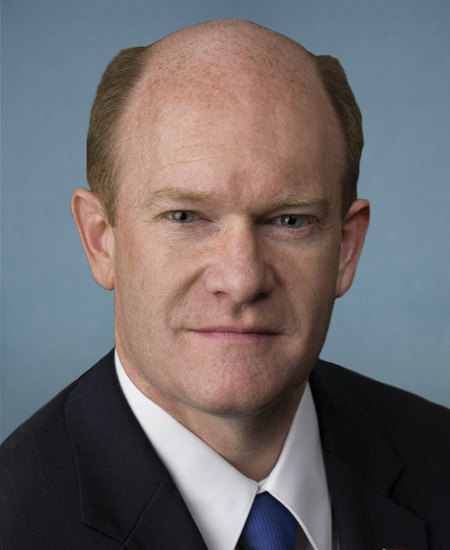
Christopher A. Coons
Christopher A. Coons Senate
D
Strong +
92% 12
Christopher Murphy
Christopher Murphy Senate
D
Strong +
92% 12
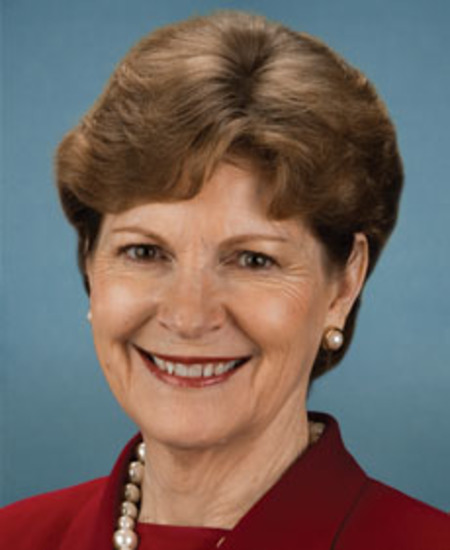
Jeanne Shaheen
Jeanne Shaheen Senate
D
Strong +
92% 12
Alex Padilla
Alex Padilla Senate
D
Strong +
85% 13
AA
Alan Armstrong Senate
R
Strong −
0% 3
Jerry Moran
Jerry Moran Senate
R
Strong −
8% 12
Marsha Blackburn
Marsha Blackburn Senate
R
Strong −
8% 12
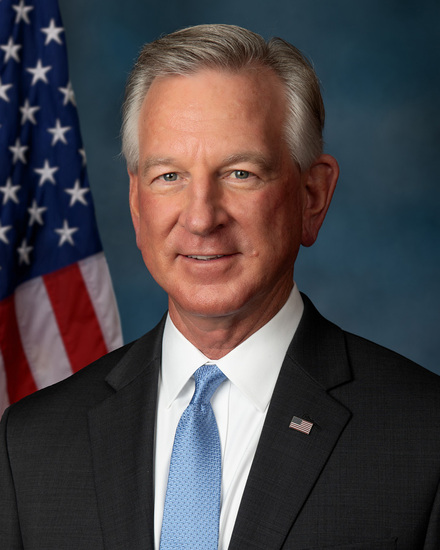
Tommy Tuberville
Tommy Tuberville Senate
R
Strong −
8% 12
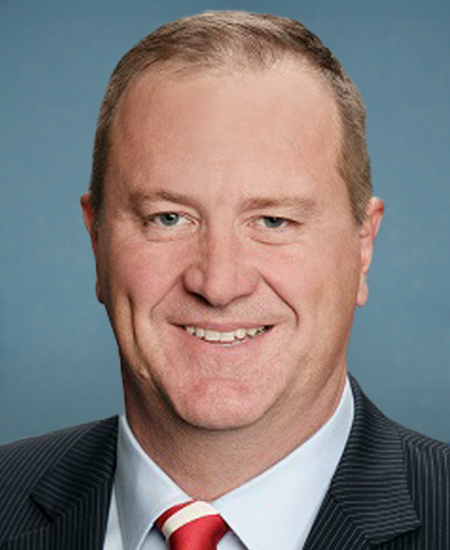
Eric Schmitt
Eric Schmitt Senate
R
Strong −
9% 11
Showing 261–270 of 272 bills

All environment bills

in committee · United States · House Jul 23, 2025

HR 4636: SOIL Act

The SOIL Act increases payments for farmers participating in USDA conservation programs who implement practices that simultaneously improve soil health and wildlife habitat. It raises reimbursement rates to 90% of costs for specific activities like planting cover crops, restoring wetlands, creating riparian buffers, and establishing wildlife habitat plantings - listed in the bill as 26 distinct practices. The bill modifies program rules to prioritize applications and contract offers that address both soil and wildlife resource concerns. These changes directly affect farmers enrolled in the Environmental Quality Incentives Program (EQIP) and Conservation Stewardship Program (CSP) who adopt dual-benefit conservation practices. The policy shifts focus toward integrated land management by financially incentivizing practices that deliver multiple ecological outcomes.
in committee · United States · House Mar 28, 2025

HR 1853: CALL Act

The CALL Act (HR 1853) requires the U.S. Department of Agriculture to conduct a comprehensive study on barriers to conservation practice adoption on leased agricultural land. It examines factors like lease agreements, landowner awareness, and regional differences affecting farmers (who operate leased land but don’t own it) and landowners. The study will analyze existing data, including the TOTAL Survey, and assess how lease structures influence conservation efforts, with special focus on Black, Indigenous, and beginning farmers. The USDA must submit a final report by December 2026 with recommendations for improving conservation participation on leased land. This is a research-focused bill with no immediate policy changes, aiming to inform future USDA actions.
in committee · United States · Senate Jun 26, 2025

S 2179: Canyon’s Law

S 2179, "Canyon’s Law," bans the use of M-44 devices (sodium cyanide-based poisoners) on public lands managed by federal agencies like the National Park Service, U.S. Fish and Wildlife Service, and Bureau of Land Management. The bill prohibits placing, deploying, or using these devices on public land and requires all existing devices to be removed within 30 days of enactment. It directly affects federal land management agencies and any entity currently authorized to use M-44s, such as state wildlife or livestock control programs. The law aims to prevent further harm to people, non-target wildlife (including endangered species like eagles and bears), and pets, following documented incidents of poisoning and animal deaths.
in committee · United States · Senate Jan 15, 2026

S 3673: Roadside Pollinator Program Amendments Act

S 3673 amends the Roadside Pollinator Program to expand eligibility to include tax-exempt nonprofit organizations and increase annual funding. The bill requires state transportation agencies and federal land managers to consult with the U.S. Fish and Wildlife Service before developing pollinator plans, while raising the annual funding cap from $2 million to $5 million for fiscal years 2026-2031. These changes directly affect state highway departments, federal land agencies managing rights-of-way, and qualifying nonprofit groups implementing roadside habitat projects. The legislation focuses on concrete policy adjustments to broaden program participation and boost financial support for pollinator-friendly roadside practices.
in committee · United States · Senate Mar 4, 2026

S 3527: Montana Sportsmen Conservation Act

This bill removes wilderness study area designations from three specific Montana public lands: the 81,000-acre Middle Fork Judith area (managed by the Forest Service), and the 11,380-acre Hoodoo Mountain and 11,580-acre Wales Creek areas (managed by the Bureau of Land Management). These lands were previously evaluated and determined unsuitable for wilderness designation under federal law. The bill directs land managers to instead implement existing management plans developed through collaborative processes, which allow for activities like improved public access, wildlife habitat projects, and sportsmen opportunities. This change affects over 104,000 acres of public land in Montana that had remained under wilderness study status despite being deemed unsuitable for wilderness management.
in committee · United States · Senate Dec 2, 2025

S 2042: Roadless Area Conservation Act of 2025

The Roadless Area Conservation Act of 2025 would maintain existing protections for designated roadless areas within the National Forest System by prohibiting new road construction, reconstruction, or logging in those areas. It directly affects National Forest lands managed by the U.S. Department of Agriculture’s Forest Service, where the Roadless Rule already restricts such activities. The bill’s key mechanism requires the Secretary of Agriculture to enforce these current restrictions without adding new limitations. This policy change preserves existing protections for watersheds, wildlife habitats, recreation opportunities, and culturally significant sites within these roadless areas.
in committee · United States · House Jun 25, 2025

HR 4134: Flood Resiliency and Land Stewardship Act

HR 4134 amends the Regional Conservation Partnership Program (RCPP) under the Food Security Act of 1985 to expand its conservation goals. The bill updates the program's purpose to specifically prioritize regional conservation efforts focused on soil health, water protection (including drinking water sources), flood/drought mitigation, and wildlife/agricultural land conservation. This change directly affects farmers, ranchers, and landowners participating in the RCPP by broadening the types of projects eligible for program funding. The key mechanism is revising the statutory language to explicitly include these new conservation priorities within the existing RCPP framework.
in committee · United States · Senate Mar 4, 2026

SJRES 109: A joint resolution providing for congressional disapproval under chapter 8 of title 5, United States Code, of the rule submitted by the Bureau of Land Management relating to "Grand Staircase-Escalante National Monument Record of Decision and Approved Resource Management Plan".

This joint resolution (SJRES 109) seeks to block a Bureau of Land Management (BLM) management plan for Grand Staircase-Escalante National Monument in Utah. It requests Congress disapprove the BLM's "Record of Decision and Approved Resource Management Plan" (issued January 2025) under the Congressional Review Act. If approved, this resolution would nullify the BLM rule, preventing it from taking effect. The measure directly affects how the monument is managed, including land use and conservation decisions, by stopping the implementation of the specific resource plan.
in committee · United States · House Apr 9, 2025

HR 2786: Resilient Coasts and Estuaries Act of 2025

The Resilient Coasts and Estuaries Act of 2025 establishes a new Coastal and Estuarine Resilience and Restoration Program to protect and restore coastal areas with ecological, recreational, or community value. The program prioritizes lands threatened by development, that can be restored to enhance ecosystem function, or that benefit vulnerable communities facing coastal hazards like sea level rise. It requires the designation of at least five new National Estuarine Research Reserves within eight years and authorizes $47 million annually for 2025-2029 to support these efforts. The bill also creates new requirements for public access to protected lands and establishes a graduate research fellowship program focused on coastal management. This legislation directly affects coastal communities, conservation organizations, and federal agencies managing coastal zones under the Coastal Zone Management Act.
in committee · United States · Senate Jun 10, 2026

S 3792: Water Project Navigators Act

This bill establishes the Water Project Navigators Program under the Department of the Interior to help communities develop multi-benefit water projects. It provides federal grants to eligible entities (such as states, tribes, rural communities, and nonprofits) to fund "navigators" who assist with planning, grant writing, and technical support for projects that address water supply challenges while benefiting ecosystems. The program prioritizes disadvantaged communities, Tribal nations, and rural areas with limited capacity, requiring navigators to focus on projects that enhance climate resilience, improve water access, and protect natural ecosystems. Funding of $15 million annually (2027-2032) supports these efforts, with a 75% federal cost share and flexibility to waive local contributions for qualifying entities.
Sub-Topics Drinking Water Public Lands Water Quality Tags Tribal Nations
Showing 261 to 270 of 272 bills