Issue · Environment

Environment (Public Lands)

Every environment bill, vote, and legislator stance in United States, automatically classified by Maddy, our AI policy reader.

Total bills
272
119th Congress
Top supporter
Adam B. Schiff
92% support rate
Top opponent
Alan Armstrong
0% support rate
Ranked legislators
10
5 support · 5 oppose
Key legislators

Who's moving public lands in United States

Legislators moving public lands in United States
Legislator Party Stance Support rate Votes
Adam B. Schiff
Adam B. Schiff Senate
D
Strong +
92% 12
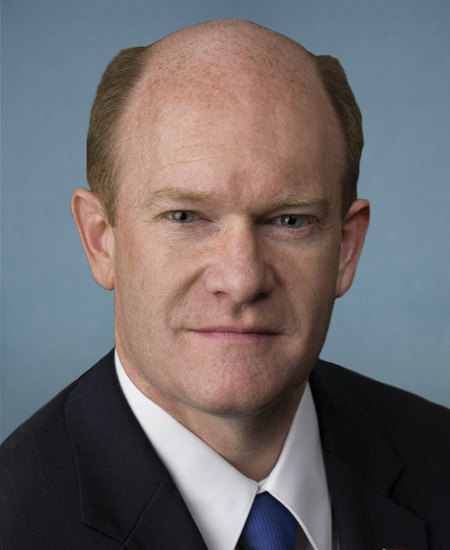
Christopher A. Coons
Christopher A. Coons Senate
D
Strong +
92% 12
Christopher Murphy
Christopher Murphy Senate
D
Strong +
92% 12
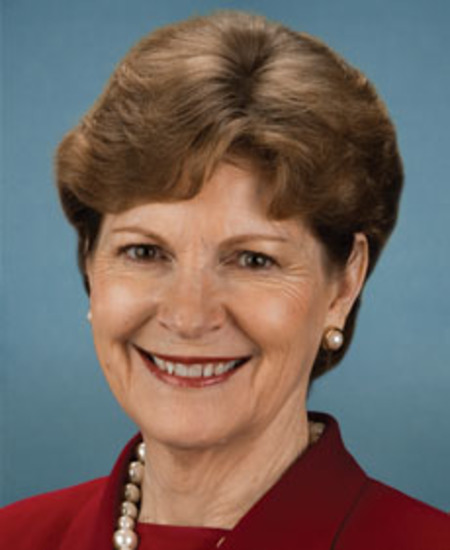
Jeanne Shaheen
Jeanne Shaheen Senate
D
Strong +
92% 12
Alex Padilla
Alex Padilla Senate
D
Strong +
85% 13
AA
Alan Armstrong Senate
R
Strong −
0% 3
Jerry Moran
Jerry Moran Senate
R
Strong −
8% 12
Marsha Blackburn
Marsha Blackburn Senate
R
Strong −
8% 12
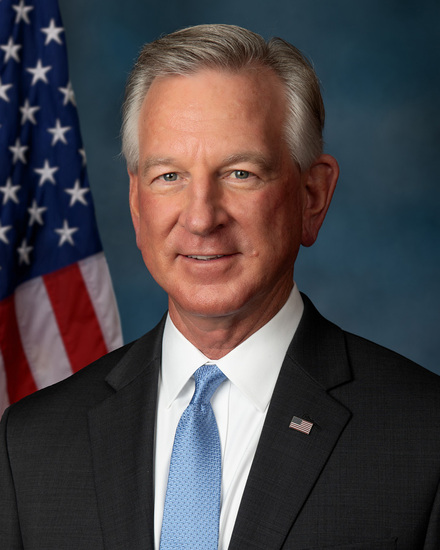
Tommy Tuberville
Tommy Tuberville Senate
R
Strong −
8% 12
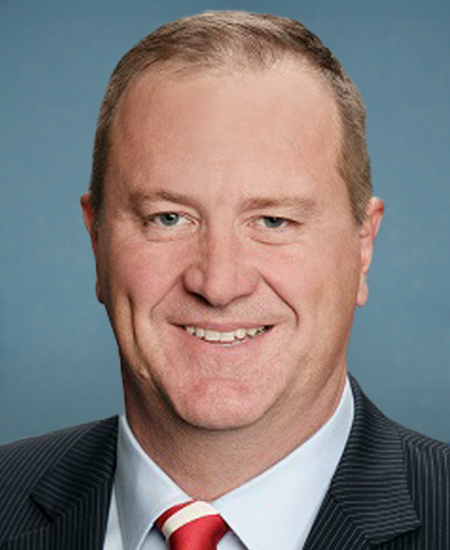
Eric Schmitt
Eric Schmitt Senate
R
Strong −
9% 11
Showing 221–230 of 272 bills

All environment bills

in committee · United States · House Jun 13, 2025

HR 3902: Restoring Federalism in Clean Water Permitting Act

This bill directs the EPA to review and streamline regulations for states administering clean water permits under Section 404 of the Clean Water Act, aiming to encourage more states to run their own permitting programs. It adds specific rules for court challenges to state permit approvals, requiring lawsuits to be filed within 60 days and limiting them to issues raised during public comment periods. Courts cannot block state permits unless activities pose an imminent environmental danger with no other remedy. The bill primarily affects states managing clean water permits, the EPA, and entities challenging permit decisions in court. It changes the legal process for reviewing state programs without altering pollution standards or permitting requirements.
in committee · United States · Senate Dec 2, 2025

S 1737: Wild Olympics Wilderness and Wild and Scenic Rivers Act

This bill would protect over 126,000 acres of forest in Washington's Olympic National Forest by designating 12 new wilderness areas, including Lost Creek Wilderness and Gates of the Elwha Wilderness. It would also protect 21 river segments across the region by designating them as "wild," "scenic," or "recreational" rivers under the Wild and Scenic Rivers Act, with specific protections for each segment. The bill would manage these areas under existing wilderness and river protection laws, preserving existing rights for activities like grazing and mining while preventing new development. It would require the Forest Service to update management plans for these areas within 3-5 years.
Sub-Topics Forestry Public Lands
in committee · United States · Senate Dec 2, 2025

S 1195: Pershing County Economic Development and Conservation Act

This bill, the Pershing County Economic Development and Conservation Act, addresses the checkerboard pattern of land ownership in Pershing County, Nevada, by authorizing the federal government to sell or exchange eligible public land with private landowners through competitive bidding and appraisals. It designates several new wilderness areas (including Cain Mountain, Bluewing, and Selenite Peak) for protection from development and mining while establishing management rules for these areas. The bill also transfers approximately 10 acres of land to be held in trust for the Lovelock Paiute Tribe, with restrictions on gaming use. Proceeds from land sales would be distributed to the state for education (5%), the county for general use (10%), and a special conservation account for further land acquisitions and management.
in committee · United States · House Mar 20, 2026

HR 7627: Tribal Conservation Priorities Inclusion Act

This bill updates key federal conservation programs to explicitly include tribal lands and tribes as eligible participants. It amends the Environmental Quality Incentives Program (EQIP), Conservation Stewardship Program (CSP), and related initiatives to ensure tribes are treated equally with local entities for program eligibility. The main change adds "tribal" before "local" in program descriptions and specifies that areas on tribal land (as defined by law) qualify for funding. This removes barriers for tribes to directly access conservation assistance on their lands under these existing programs.
Sub-Topics Conservation Public Lands Tags Tribal Nations
in committee · United States · Senate Apr 9, 2025

S 1366: Boundary Waters Wilderness Protection Act

This bill withdraws approximately 225,504 acres of federal land and waters in Minnesota's Rainy River Watershed (Superior National Forest) from public land laws, mining claims, and mineral leasing. It directly affects the area by prohibiting new development, mining, and land disposal within the designated boundary. The bill allows limited removal of sand, gravel, granite, iron ore, and taconite under Forest Service approval if environmental impacts on water, air, and habitat are deemed non-detrimental.
in committee · United States · House Apr 9, 2025

HR 2771: Forest Legacy Management Flexibility Act

HR 2771, the Forest Legacy Management Flexibility Act, allows states to authorize qualified organizations (like accredited land trusts) to acquire, hold, and manage conservation easements under the Forest Legacy Program instead of requiring states to handle all such easements directly. To qualify, organizations must meet IRS standards for conservation purposes, maintain Land Trust Accreditation Commission accreditation, and demonstrate ability to monitor and enforce easements. The bill includes safeguards requiring easements to revert to the state or another approved organization if the qualified organization fails to meet program requirements or modifies easements inconsistently. This directly affects states administering the Forest Legacy Program and eligible land conservation groups working on forestland protection.
in committee · United States · House Dec 11, 2025

HR 6674: CLAIM Act of 2025

HR 6674, the CLAIM Act of 2025, changes the annual maintenance fee for hardrock mining claims on federal land based on proximity to protected areas like National Parks and monuments. It establishes tiered fees: $1,100 for claims mostly within protected areas, decreasing to $300 for claims over 30 miles away, replacing the traditional "assessment work" requirement under the 1872 Mining Law. Small miners (holding ≤10 claims, ≤200 acres, or earning <$50,000 annually from mining) are exempt from these fees. Excess fees collected fund conservation programs, with 40% allocated to infrastructure projects, 20% to Tribal preservation, and 10% each to the Land and Water Conservation Fund and national park restoration. The bill directly affects individual miners and small operations holding claims near protected lands.
in committee · United States · House Jan 13, 2026

HR 6388: Conservation Reserve Program Modernization Act

This bill modernizes the Conservation Reserve Program (CRP), which pays farmers to convert environmentally sensitive land to conservation uses. It clarifies definitions for "conservation buffers" (like riparian buffers, prairie strips, and wetland buffers), expands eligible land to include grasslands, wetlands (such as prairie potholes), and marginal pasture, and updates payment rules. Payments for establishing conservation practices (e.g., fencing, vegetation) remain at 50% of costs, but annual rental payments for reenrolled land decrease by 10 percentage points per renewal (starting at 85% for the first reenrollment). The changes directly affect farmers and landowners enrolled in CRP, as well as state/tribal partners proposing conservation plans.
in committee · United States · House May 17, 2025

HR 3476: Forest Conservation Easement Program Act of 2025

The Forest Conservation Easement Program Act of 2025 establishes a new federal program to conserve forest land through easements. The program provides cost-share assistance (50-75% of fair market value) for eligible entities to purchase forest land easements or for the Secretary to purchase forest reserve easements directly. It requires forest management plans for enrolled land, prioritizes protection of endangered species habitat, and sets aside 10% of annual funding for beginning, socially disadvantaged, veteran, and limited resource forest landowners. The program replaces the Healthy Forests Reserve Program and allocates $100 million annually from 2026-2030 for implementation.
in committee · United States · House Mar 11, 2025

HR 2063: To prohibit natural asset companies from entering into any agreement with respect to land in the State of Utah or natural assets on or in land in the State of Utah.

HR 2063 prohibits "natural asset companies" from entering agreements related to land or natural assets in Utah. These companies are defined as corporations managing defined areas for conservation, restoration, or sustainable use, or similar organizations. The bill directly affects such companies by banning all agreements involving Utah land or its natural assets. This creates a clear legal restriction on their operations within the state.
Showing 221 to 230 of 272 bills
Previous 1 22 23 24 28 Next