Issue · Environment

Environment (Conservation)

Every environment bill, vote, and legislator stance in United States, automatically classified by Maddy, our AI policy reader.

Total bills
385
119th Congress
Top supporter
Adam B. Schiff
100% support rate
Top opponent
Ashley Moody
0% support rate
Ranked legislators
10
5 support · 5 oppose
Key legislators

Who's moving conservation in United States

Legislators moving conservation in United States
Legislator Party Stance Support rate Votes
Adam B. Schiff
Adam B. Schiff Senate
D
Strong +
100% 9
Alex Padilla
Alex Padilla Senate
D
Strong +
100% 9
Amy Klobuchar
Amy Klobuchar Senate
D
Strong +
100% 9
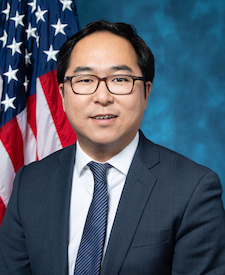
Andy Kim
Andy Kim Senate
D
Strong +
100% 9
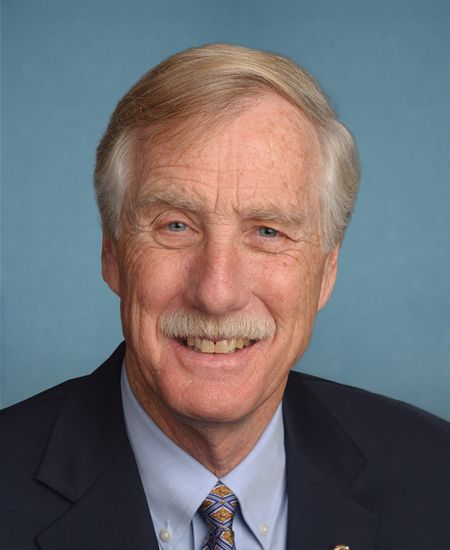
Angus S. King, Jr.
Angus S. King, Jr. Senate
I
Strong +
100% 9
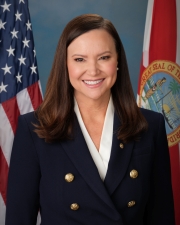
Ashley Moody
Ashley Moody Senate
R
Strong −
0% 9
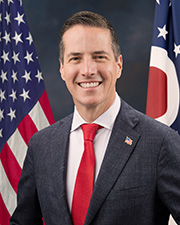
Bernie Moreno
Bernie Moreno Senate
R
Strong −
0% 9
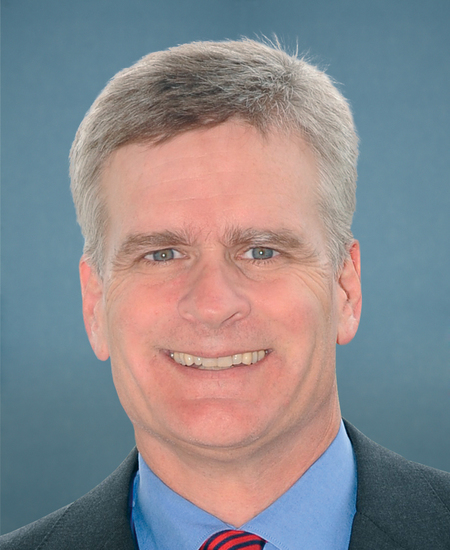
Bill Cassidy
Bill Cassidy Senate
R
Strong −
0% 9
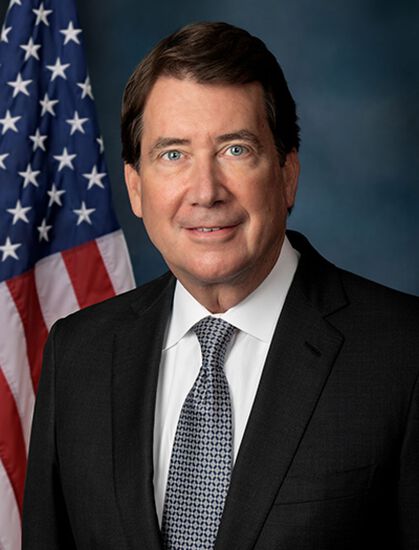
Bill Hagerty
Bill Hagerty Senate
R
Strong −
0% 9
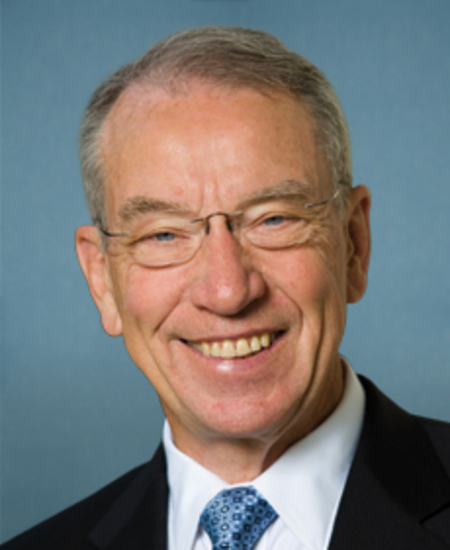
Chuck Grassley
Chuck Grassley Senate
R
Strong −
0% 9
Showing 211–220 of 385 bills

All environment bills

in committee · United States · House Mar 20, 2026

HR 7264: Restoring America’s Floodplains Act

The Restoring America’s Floodplains Act (HR 7264) authorizes the U.S. Department of Agriculture to restore and maintain floodplains on lands protected by existing floodplain easements. It requires the Secretary to restore natural vegetation, water flow, and other floodplain functions, while allowing landowners to continue compatible activities like hunting, fishing, or managed timber harvest if they support long-term floodplain health. The bill also permits the Secretary to implement more extensive restoration than immediate needs require to prevent future watershed damage. This applies directly to landowners holding floodplain easements and federal agencies managing these conservation programs.
in committee · United States · Senate Mar 14, 2025

S 1078: Mississippi River Basin Fishery Commission Act

This bill establishes the Mississippi River Basin Fishery Commission within the Department of the Interior to coordinate management of interjurisdictional fisheries across the 31 states and 2 Canadian provinces in the Mississippi River Basin. The commission, composed of voting delegates from states, federal agencies, and tribes, will oversee six sub-basin management plans, develop strategies to control invasive species like carp, and administer grant programs for conservation projects. It will operate with nonbinding authority, meaning its recommendations do not override state or federal laws, and it must report annually to Congress on its activities. The commission focuses on ensuring long-term sustainability of fisheries that cross state lines and addressing ecological threats like invasive species.
Sub-Topics Conservation
in committee · United States · House Feb 4, 2026

HR 7350: Fishing Vessel Financing Improvement Act of 2026

This bill updates financing rules for fishing vessels under federal programs. It increases the maximum loan guarantee to 87.5% of a vessel's current value (up from previous limits) and expands eligibility to include used fishing vessels over 79 feet long built after January 2021 for two years after enactment. The law also explicitly includes "seafood-related trade" as an eligible purpose for financing and requires guarantees to align with fisheries conservation under the Magnuson-Stevens Act. These changes directly affect commercial fishing vessel owners seeking loans or guarantees for purchasing or upgrading vessels.
Sub-Topics Conservation
in committee · United States · Senate Mar 27, 2025

S 1193: America’s Red Rock Wilderness Act

The America's Red Rock Wilderness Act (S 1193) would designate approximately 3.3 million acres across nine distinct wilderness areas in Utah as protected wilderness. These areas include the Great Basin, Grand Staircase-Escalante, Moab-La Sal Canyons, Henry Mountains, Glen Canyon, San Juan, Canyonlands Basin, San Rafael Swell, and Book Cliffs-Greater Dinosaur regions. The bill would manage these areas under the Wilderness Act, preserving them for recreation, wildlife habitat, and cultural values while allowing continued livestock grazing under existing regulations. It also includes provisions to protect Tribal rights and water rights within the designated wilderness areas, with specific administrative guidelines for roads, land management, and Tribal consultation.
in committee · United States · House Aug 26, 2025

HR 5036: To remove the limitation imposed as a result of receiving funding under the Land and Water Conservation Fund on the conversion of Northeast Sedgwick County Park in Sedgwick County, Kansas, to a use other than public outdoor recreation.

HR 5036 removes a federal restriction that prevents land funded by the Land and Water Conservation Fund from being converted to uses other than public outdoor recreation. The bill specifically exempts Northeast Sedgwick County Park in Sedgwick County, Kansas, from this rule. This change would allow the park to be repurposed for non-recreation uses without violating federal funding requirements tied to the Land and Water Conservation Fund.
in committee · United States · Senate Dec 2, 2025

S 1228: A bill to amend the Public Lands Corps Act of 1993 to modify the cost-sharing requirement for conservation projects carried out by a qualified youth or conservation corps, and for other purposes.

S 1228 amends the Public Lands Corps Act of 1993 to change cost-sharing requirements for conservation projects run by qualified youth or conservation corps on public lands. It increases the federal government's required cost-share from 75% to 90% and decreases the non-federal partner's share from 25% to 10%. This directly affects conservation corps and their partners by reducing their financial burden for projects on public lands. The bill makes no other changes to the Act's provisions.
in committee · United States · Senate Feb 6, 2025

S 476: White Oak Resiliency Act of 2025

This bill establishes the White Oak Restoration Initiative Coalition to coordinate federal, state, and private efforts for restoring white oak forests across the U.S. It directs the Agriculture and Interior Departments to launch 5 pilot projects on public lands (including national forests and wildlife refuges) to improve white oak regeneration and health, and creates a voluntary grant program to help private landowners restore white oak forests through partnerships with organizations like the National Fish and Wildlife Foundation. The bill also requires developing a national strategy to address white oak seedling shortages in nurseries and funds research at land-grant universities on white oak genetics, disease resistance, and reforestation techniques. These provisions directly affect federal agencies, land-grant universities, forest landowners, and conservation groups working on white oak ecosystem restoration.
in committee · United States · House Jun 11, 2025

HR 3930: Roadless Area Conservation Act of 2025

This bill codifies existing protections for designated roadless areas within the National Forest System by prohibiting new road construction, road reconstruction, and logging in these areas. It directly affects National Forest lands already identified as "inventoried roadless areas" under the current Roadless Rule, which covers roughly 58 million acres. The key mechanism requires the Secretary of Agriculture to enforce these prohibitions, maintaining current protections without expanding restrictions to other lands or altering existing multiple-use management. The bill does not create new protected areas but legally solidifies the existing regulatory framework to preserve ecological and recreational values.
in committee · United States · House Apr 20, 2026

HR 1897: ESA Amendments Act of 2025

The ESA Amendments Act of 2025 makes significant changes to the Endangered Species Act of 1973 to streamline conservation efforts and reduce regulatory burdens. It establishes a national listing work plan with priority classifications for species to better allocate resources, and creates "Candidate Conservation Agreements with Assurances" that provide private landowners with regulatory certainty in exchange for conservation actions. The bill also requires the government to publish the basis for listings online, streamlines permitting processes for projects that comply with conservation measures, and modifies critical habitat designation to better accommodate existing conservation plans on private lands. These changes aim to improve conservation outcomes while reducing delays for landowners, developers, and federal agencies working with listed species.
Sub-Topics Conservation Wildlife
in committee · United States · House Feb 4, 2026

HR 6568: Lower Yellowstone River Native Fish Conservation Act

This bill, the Lower Yellowstone River Native Fish Conservation Act, ensures the federal government (specifically the Bureau of Reclamation) remains solely responsible for operating, maintaining, and funding the Lower Yellowstone Fish Bypass Channel - a structure built to help endangered pallid sturgeon migrate around a dam. It directly protects the Lower Yellowstone Irrigation District and Lower Yellowstone Irrigation Project from being forced to cover costs or operations for this federally mandated conservation measure. The bill prohibits any federal agency from shifting these responsibilities to non-federal entities, authorizes $1 million annually for channel upkeep, and requires the federal government to report on its operations to Congress. This clarifies existing law to prevent future disputes over who bears the financial burden for this environmental mitigation project.
Sub-Topics Conservation
Showing 211 to 220 of 385 bills
Previous 1 21 22 23 39 Next