Issue · Environment

Environment

Every environment bill, vote, and legislator stance in United States, automatically classified by Maddy, our AI policy reader.

Total bills
497
119th Congress
Top supporter
Aisha Wahab
100% support rate
Top opponent
Marsha Blackburn
11% support rate
Ranked legislators
10
5 support · 5 oppose
Key legislators

Who's moving environment in United States

Legislators moving environment in United States
Legislator Party Stance Support rate Decisive votes
Aisha Wahab
Aisha Wahab House · District 14
D
Strong +
100% 7
Everton Blair Jr.
Everton Blair Jr. House · District 13
D
Strong +
89% 9
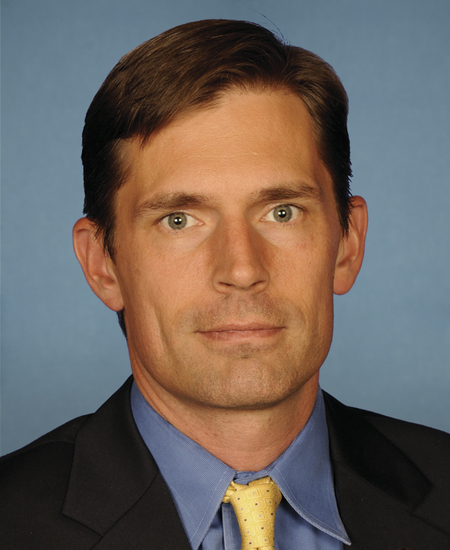
Martin Heinrich
Martin Heinrich Senate
D
Strong +
84% 37
Adam B. Schiff
Adam B. Schiff Senate
D
Support
79% 53
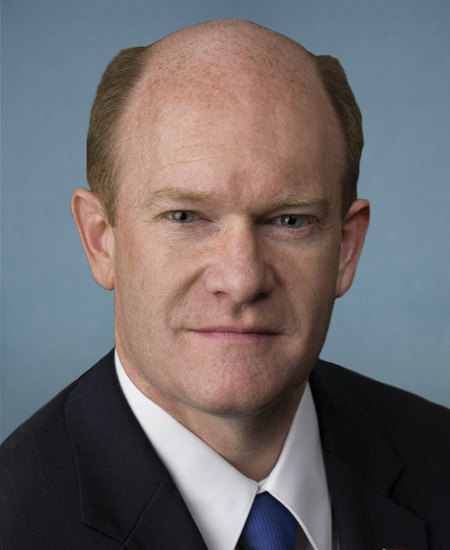
Christopher A. Coons
Christopher A. Coons Senate
D
Support
79% 52
Marsha Blackburn
Marsha Blackburn Senate
R
Strong −
11% 36
Ted Budd
Ted Budd Senate
R
Strong −
20% 40
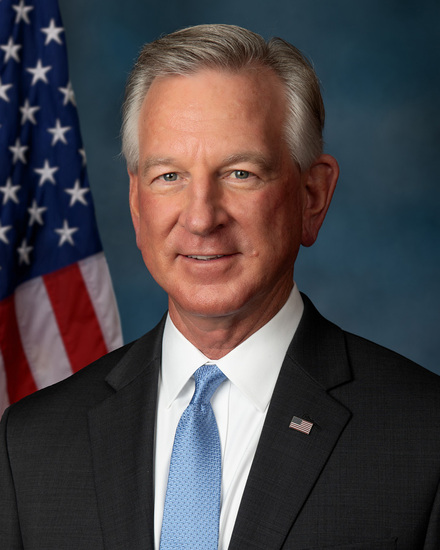
Tommy Tuberville
Tommy Tuberville Senate
R
Oppose
21% 53
Bill Cassidy
Bill Cassidy Senate
R
Oppose
22% 54
Jerry Moran
Jerry Moran Senate
R
Oppose
23% 53
Showing 201–210 of 497 bills

All environment bills

in committee · United States · House Jan 28, 2025

HR 745: Abundant American Resources Act of 2025

HR 745 requires federal agencies to conduct studies on the monetary value of minerals in specific areas. The Bureau of Land Management, Forest Service, and Bureau of Ocean Energy Management must each complete studies within three years to assess the value of oil, gas, and minerals in designated onshore and offshore areas, excluding national parks and certain monuments. These studies will cover areas like national monuments (excluding marine ones), areas under environmental protection, and lands withdrawn from mining or leasing. The bill does not authorize new mining or leasing but mandates data collection for future decision-making.
Sub-Topics Forestry Public Lands
in committee · United States · Senate Jan 15, 2025

S 104: Overturn Biden’s Offshore Energy Ban Act

This bill rescinds two presidential memoranda that banned oil and gas leasing in specific offshore areas. It directly affects oil and gas companies by removing restrictions on leasing in the Gulf of Mexico, Atlantic, Pacific, and Bering Sea regions of the outer continental shelf. The key mechanism is declaring the January 6, 2025, memoranda "have no force or effect," effectively restoring those areas to the federal leasing program. This would allow new oil and gas development permits in those previously restricted waters.
Sub-Topics Oil & Gas
in committee · United States · House Jan 7, 2025

HR 229: To prohibit the implementation of the Rock Springs Field Office Record of Decision and Approved Resource Management Plan.

This bill (HR 229) prohibits the Bureau of Land Management (BLM) from implementing, administering, or enforcing the Rock Springs Field Office's December 2024 Record of Decision and Approved Resource Management Plan. It directly affects the BLM's land management decisions in the Rock Springs area by blocking the use of this specific plan. The key mechanism is a mandatory prohibition on the Secretary of the Interior to take any action related to this plan. The bill does not change land management practices but prevents the current plan from taking effect. This is a procedural measure targeting one specific BLM document.
Sub-Topics Public Lands
in committee · United States · Senate May 22, 2025

S 1901: Protect LNG Act of 2025

This bill changes how lawsuits challenge LNG facility approvals. It prevents courts from invalidating permits for LNG export facilities or related infrastructure during environmental reviews, requiring courts instead to send cases back to the agency for correction. It also limits lawsuits to a 90-day window after permit finalization and mandates expedited review by the court in the facility's location. The bill directly affects LNG developers seeking permits and environmental groups challenging projects, altering the legal process for these specific approvals under federal law.
in committee · United States · House Oct 3, 2025

HR 281: Grizzly Bear State Management Act

HR 281, the Grizzly Bear State Management Act, directs the Secretary of the Interior to reissue a 2017 rule that removed the Greater Yellowstone Ecosystem grizzly bear population from the federal endangered species list. This reissuance must occur within 180 days of the bill's enactment, and the rule cannot be challenged in court. The bill directly affects grizzly bear management in the Greater Yellowstone Ecosystem by making the 2017 delisting permanent under federal law. It does not change hunting or conservation rules but ensures the prior federal delisting decision is finalized without judicial review.
Sub-Topics Conservation Wildlife
in committee · United States · House Jan 22, 2025

HR 600: WHO is Accountable Act

HR 600, the "WHO is Accountable Act," prohibits U.S. federal funds from supporting the World Health Organization (WHO) until the organization meets eight specific conditions. These include ending perceived Chinese Communist Party influence, ending alleged pandemic cover-ups, granting Taiwan observer status, and halting WHO activities on gender identity, climate change, and abortion access. The bill blocks all U.S. contributions and membership efforts until the State Department certifies WHO compliance. It directly affects U.S. agencies managing international health funding and WHO's operational policies.
in committee · United States · House Dec 11, 2025

HR 6639: Water Agency and Transparency Enhancement Review (WATER) Act

HR 6639, the Water Agency and Transparency Enhancement Review (WATER) Act, requires the Secretaries of the Interior and Commerce to identify major water-supply and storage projects in California subject to the Endangered Species Act or National Environmental Policy Act. The bill mandates they designate federal officials to identify unnecessary regulatory delays or costs ("unduly burdens") on these projects and develop plans to suspend, revise, or rescind such regulations. It directly affects California water projects (including surface/ground storage and aquifer recharge) and the federal agencies managing their environmental reviews. The key mechanism is a streamlined review process to remove regulatory obstacles without compromising legal protections.
in committee · United States · House Jul 14, 2026

HR 3194: LOCOMOTIVES Act

HR 3194, the LOCOMOTIVES Act, prevents states from setting their own emissions standards for locomotives used in interstate commerce. It amends the Clean Air Act to clarify that federal emissions rules exclusively apply to locomotives providing common carrier railroad transportation for hire (like commercial freight or passenger services across state lines), excluding these from state regulation. This directly affects railroads operating interstate services and state environmental agencies that previously could establish stricter local rules for such locomotives. The bill does not change the actual emissions requirements but shifts regulatory authority solely to the federal government for this specific category of locomotives.
Sub-Topics Air Quality
passed · United States · House Dec 18, 2025

HR 845: Pet and Livestock Protection Act

This bill, titled "Pet and Livestock Protection Act," is misleading; it actually focuses on gray wolf management. It requires the Secretary of the Interior to reissue a 2020 rule removing gray wolves from the endangered species list within 60 days of enactment. The bill also prohibits courts from reviewing this reissuance. This directly affects gray wolf populations and management policies in states where wolves are present, shifting regulatory control away from federal endangered species protections.
Sub-Topics Wildlife
in committee · United States · House Apr 10, 2025

HR 2814: Transportation Freedom Act

Transportation Freedom Act This bill reduces taxes on auto companies and repeals specified environmental regulations on cars and trucks. The bill establishes a new tax deduction equal to 200% of eligible wages paid or incurred by domestic producers of automobiles or automobile components, subject to limitations. It also allows an entity to reduce (and adjust) its financial statement income (for purposes of calculating liability for the alternative minimum tax) by the amount of eligible wages it elects to deduct. The bill nullifies the 2024 rules of the Environmental Protection Agency (EPA) regarding (1) the finalization of specified greenhouse gas (GHG) programs and the reduction of emissions from certain light-duty and medium-duty vehicles (e.g., cars and trucks that are under a certain weight) starting with model year 2027, and (2) phase three of GHG emission standards for heavy-duty vehicles (e.g., school buses and tractor-trailer trucks). It also repeals the 2024 rules of the National Highway Traffic Safety Administration (NHTSA) regarding corporate average fuel economy (CAFE) standards for certain cars, trucks, and vans.  Additionally, the bill eliminates (1) the option given to California to set standards for car emissions that are more stringent than those set under the Clean Air Act, and (2) the option for other states to adopt California's standards.  NHTSA and the EPA must establish new CAFE and GHG standards, respectively, for vehicles that are economically practicable and technologically feasible. The GHG standards may not require the production or sale of electric vehicles.
Showing 201 to 210 of 497 bills
Previous 1 20 21 22 50 Next