Issue · Environment

Environment (Coastal & Flood Protection)

Every environment bill, vote, and legislator stance in United States, automatically classified by Maddy, our AI policy reader.

Total bills
148
119th Congress
Top supporter
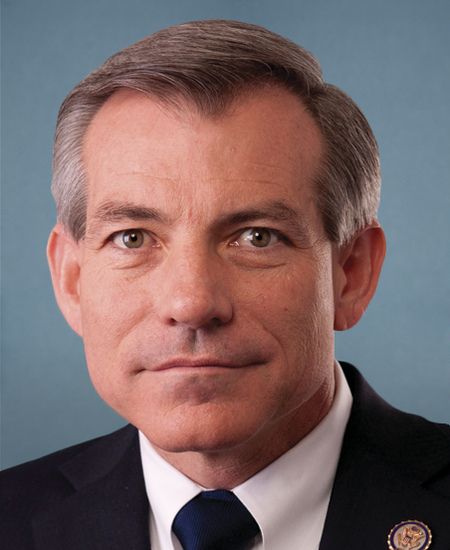
David Schweikert
78% support rate
Top opponent
Eleanor Holmes Norton
0% support rate
Ranked legislators
10
5 support · 5 oppose
Key legislators

Who's moving coastal & flood protection in United States

Legislators moving coastal & flood protection in United States
Legislator Party Stance Support rate Votes
David Schweikert
David Schweikert House · District 1
R
Support
78% 18
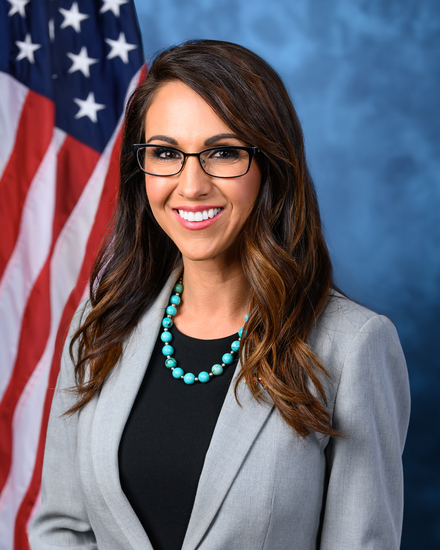
Lauren Boebert
Lauren Boebert House · District 4
R
Support
78% 18
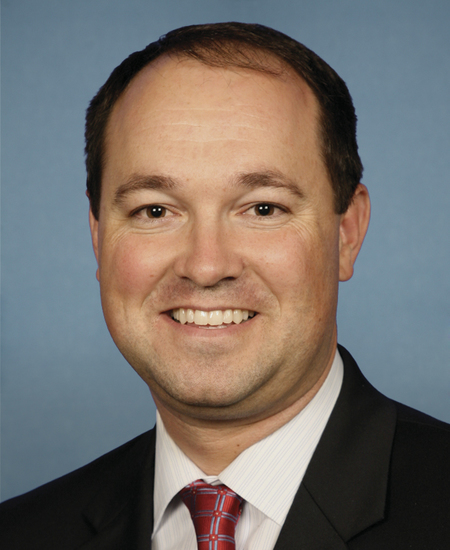
Marlin A. Stutzman
Marlin A. Stutzman House · District 3
R
Support
76% 17
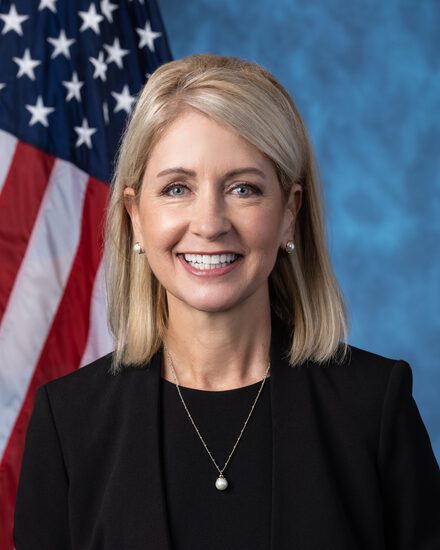
Mary E. Miller
Mary E. Miller House · District 15
R
Support
76% 17
Adelita S. Grijalva
Adelita S. Grijalva House · District 7
D
Support
75% 4
Eleanor Holmes Norton
Eleanor Holmes Norton House · District At-Large
D
Strong −
0% 11
Pablo José Hernández
Pablo José Hernández House · District At-Large
D
Strong −
0% 10
James C. Moylan
James C. Moylan House · District At-Large
R
Strong −
0% 8
Stacey E. Plaskett
Stacey E. Plaskett House · District At-Large
D
Strong −
0% 8
Susan M. Collins
Susan M. Collins Senate
R
Strong −
0% 4
Showing 121–130 of 148 bills

All environment bills

in committee · United States · House Mar 11, 2025

HR 2030: Maintaining Cooperative Permitting Act of 2025

This bill protects three specific state programs that handle permits for dredged or fill material in waterways under the Clean Water Act. It prohibits the EPA from withdrawing approval of Michigan's, New Jersey's, and Florida's existing programs without new congressional authorization, preventing the EPA from revoking them through standard administrative processes. The bill also creates a 90-day transition period for Florida to continue issuing permits during a program review and allows other states to seek similar approval if their programs are deemed comparable. It does not change environmental standards but ensures these cooperative state-federal arrangements remain intact unless Congress acts.
died · United States · Senate Dec 4, 2025

SJRES 91: A joint resolution providing for congressional disapproval under chapter 8 of title 5, United States Code, of the rule submitted by the Bureau of Land Management relating to "Coastal Plain Oil and Gas Leasing Program Record of Decision".

This bill (SJRES 91) seeks congressional disapproval of a Bureau of Land Management (BLM) rule authorizing oil and gas leasing in the Arctic National Wildlife Refuge (ANWR) Coastal Plain. It directly affects the BLM's ability to implement this leasing program by aiming to block the rule under the Congressional Review Act (CRA). The resolution would nullify the rule (issued December 2024) if passed, preventing the BLM from moving forward with leasing activities in the Coastal Plain area. The resolution references a Government Accountability Office opinion confirming the rule qualifies for disapproval under the CRA.
in committee · United States · House Apr 24, 2025

HR 2990: Coastal State Climate Preparedness Act of 2025

This bill establishes a voluntary grant program for coastal states to develop climate adaptation plans and implement projects addressing climate impacts. It provides federal funding for states to create plans identifying vulnerable infrastructure, habitats, and resources, along with strategies like protecting biodiversity, managing coastal erosion, and using green infrastructure. States must align plans with existing hazard mitigation programs and receive federal approval before accessing implementation grants. The program focuses on concrete actions - such as protecting coastal ecosystems, adapting infrastructure, and monitoring environmental changes - without requiring states to modify existing coastal management policies.
in committee · United States · Senate Dec 17, 2025

SRES 552: A resolution recognizing that oceans are warming due to human-caused climate change.

SRES 552 is a symbolic Senate resolution recognizing that oceans are warming due to human-caused climate change. It does not create new laws or allocate funding but formally acknowledges scientific consensus on ocean warming impacts, citing data like oceans absorbing 14 zettajoules of excess heat annually. The resolution highlights effects such as coral reef damage, shifting fish populations, and increased harmful algal blooms, which impact coastal economies and ecosystems. It was introduced by Senators Whitehouse, Merkley, Schatz, and others, reflecting bipartisan recognition of climate science without proposing policy changes.
in committee · United States · House Apr 10, 2025

HR 2882: Central Coast of California Conservation Act of 2025

HR 2882 prohibits the U.S. Secretary of the Interior from issuing oil or gas leases for exploration, development, or production in the Central California Planning Area. This bill directly affects federal leasing decisions in that specific coastal region, preventing new fossil fuel extraction activities. The key provision amends the Outer Continental Shelf Lands Act to permanently ban such leasing in the defined area. The bill creates a clear policy change by eliminating future oil and gas development opportunities on federal waters along California's central coast.
in committee · United States · Senate Jul 23, 2026

S 3493: Carson City Public Land Correction Act

This bill transfers approximately 1,288 acres of federal land to Carson City, Nevada, for public uses like recreation and flood mitigation, and 0.45 acres for roadway expansion (requiring a crosswalk). It also authorizes the sale of 360 acres of federal land, with proceeds deposited into an existing account. The city pays all conveyance and disposal costs, including environmental assessments, and must maintain existing utility easements. Proceeds fund local projects including wildlife conservation, wildfire prevention, and public land acquisitions.
in committee · United States · Senate Apr 29, 2025

S 1519: Arctic Refuge Protection Act of 2025

This bill (S 1519) designates approximately 1.56 million acres of the Arctic National Wildlife Refuge in Alaska as wilderness under federal law. It permanently protects this specific area from development like oil drilling or road construction by adding it to the National Wilderness Preservation System. The designation directly affects the refuge's management, ensuring this coastal plain ecosystem remains preserved in its natural state.
signed · United States · House Dec 11, 2025

HJRES 131: Providing for congressional disapproval under chapter 8 of title 5, United States Code, of the rule submitted by the Bureau of Land Management relating to Coastal Plain Oil and Gas Leasing Program Record of Decision.

HJRES 131 blocks a Bureau of Land Management (BLM) rule that would have allowed oil and gas leasing in Alaska's Arctic National Wildlife Refuge Coastal Plain. The bill uses the Congressional Review Act to formally disapprove this specific rule, making it legally void. It directly affects the BLM's ability to advance the leasing program and companies seeking permits for oil and gas development in that area. The resolution became law after passing both chambers of Congress in late 2025.
passed · United States · Senate Sep 11, 2025

S 93: Harmful Algal Bloom and Hypoxia Research and Control Amendments Act of 2025

This bill amends the Harmful Algal Bloom and Hypoxia Research and Control Act of 1998 to strengthen federal efforts addressing harmful algal blooms (HABs) and hypoxia across marine, estuarine, and freshwater systems. It establishes a new Task Force required to develop a comprehensive Action Strategy every five years, examining causes, ecological impacts, and economic consequences of HABs in diverse environments including the Great Lakes, coastal waters, and freshwater systems. The bill authorizes $19.5 million annually for NOAA and $8 million annually for the EPA (fiscal years 2026-2030) to implement these provisions, creates a national monitoring network for HABs, and establishes an incubator program to develop innovative prevention strategies. It mandates consultation with states, tribes, local governments, and affected industries like fisheries and agriculture to address HABs impacts on public health, ecosystems, and communities.
in committee · United States · House Feb 24, 2026

HR 7656: ReSCUE Oceans Act

The ReSCUE Oceans Act establishes a federal program to advance marine carbon dioxide removal (mCDR) research, development, and field trials through the National Oceanic and Atmospheric Administration. It creates designated research areas for mCDR projects that require consultation with Indian Tribes, Native Hawaiian organizations, and coastal communities, while mandating monitoring of environmental and social impacts. The bill develops protocols for measuring carbon removal efficacy and establishes an interagency working group to coordinate federal efforts across NOAA, NASA, the National Science Foundation, and other agencies. It requires biennial reports on mCDR activities, includes special data protections for tribal communities, and aims to support safe, responsible mCDR technologies through science-based research and community engagement.
Sub-Topics Coastal & Flood Protection Tags Tribal Nations
Showing 121 to 130 of 148 bills
Previous 1 12 13 14 15 Next