Issue · Environment

Environment (Coastal & Flood Protection)

Every environment bill, vote, and legislator stance in United States, automatically classified by Maddy, our AI policy reader.

Total bills
135
119th Congress
Top supporter
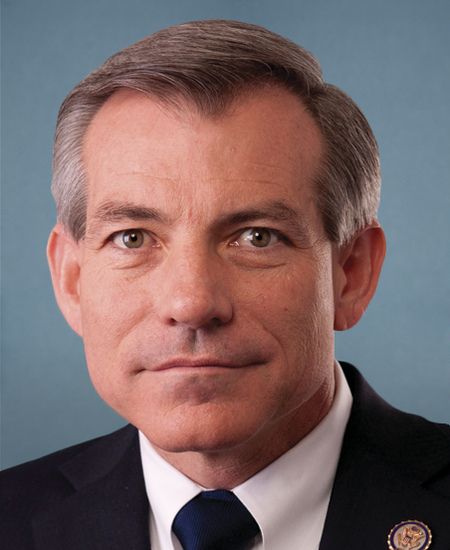
David Schweikert
78% support rate
Top opponent
Eleanor Holmes Norton
0% support rate
Ranked legislators
10
5 support · 5 oppose
Key legislators

Who's moving coastal & flood protection in United States

Legislators moving coastal & flood protection in United States
Legislator Party Stance Support rate Decisive votes
David Schweikert
David Schweikert House · District 1
R
Support
78% 18
Lauren Boebert
Lauren Boebert House · District 4
R
Support
78% 18
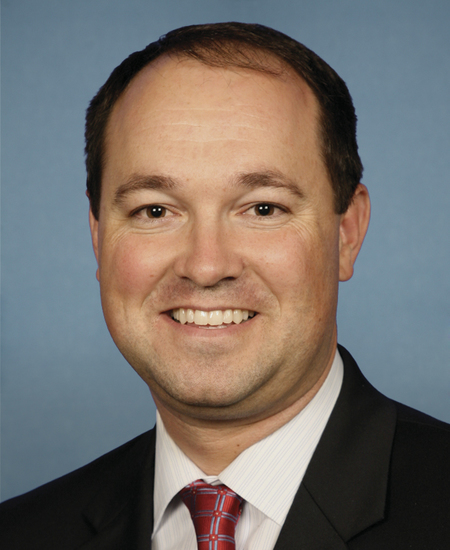
Marlin A. Stutzman
Marlin A. Stutzman House · District 3
R
Support
76% 17
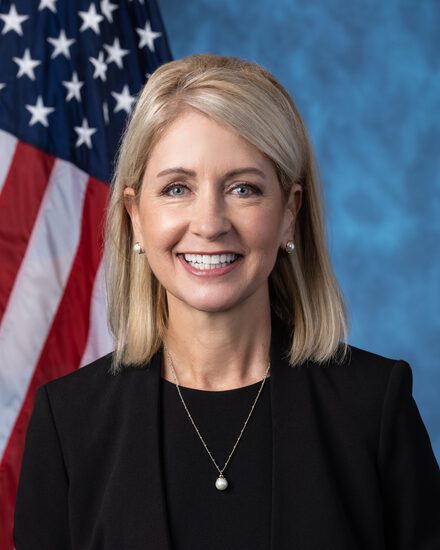
Mary E. Miller
Mary E. Miller House · District 15
R
Support
76% 17
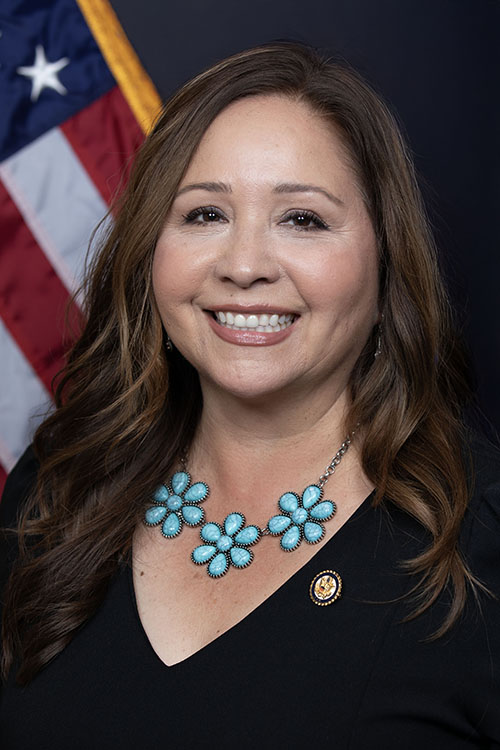
Adelita S. Grijalva
Adelita S. Grijalva House · District 7
D
Support
75% 4
Eleanor Holmes Norton
Eleanor Holmes Norton House · District At-Large
D
Strong −
0% 11
Pablo José Hernández
Pablo José Hernández House · District At-Large
D
Strong −
0% 10
James C. Moylan
James C. Moylan House · District At-Large
R
Strong −
0% 8
Stacey E. Plaskett
Stacey E. Plaskett House · District At-Large
D
Strong −
0% 8
Susan M. Collins
Susan M. Collins Senate
R
Strong −
0% 4
Showing 121–130 of 135 bills

All environment bills

in committee · United States · House Jan 3, 2025

HR 135: Manatee Protection Act of 2025

The Manatee Protection Act of 2025 would require the U.S. Fish and Wildlife Service to officially list the West Indian manatee as an endangered species under the Endangered Species Act. This designation would subject the manatee to all federal protections and regulations, including restrictions on activities harming the animals or their critical habitat. The bill directly affects the manatee population and activities in their environment, such as boating, coastal development, and waterway management, which would now require federal permits to avoid harming the species. It mandates a formal listing under existing law rather than creating new protections, ensuring the manatee is legally recognized as endangered for conservation enforcement.
in committee · United States · Senate Nov 6, 2025

S 3140: Flood Protection and Infrastructure Resilience Act of 2025

This bill amends existing laws to increase federal support for flood protection and watershed restoration projects. It allows the Secretary to fund measures that exceed immediate needs if they benefit long-term watershed health and prevent repeated damage. Local organizations managing flood control infrastructure can now receive up to 90% federal funding for rehabilitation projects in "limited resource areas" (compared to 65% generally), while still covering permit and resource rights costs themselves. The bill directly affects local governments and watershed groups undertaking flood prevention work by expanding eligible projects under conservation programs to specifically include flood/drought mitigation.
in committee · United States · House Apr 1, 2025

HR 1265: To amend the Save Our Seas 2.0 Act to expand eligibility for certain wastewater infrastructure grants, and for other purposes.

This bill expands eligibility for wastewater infrastructure grants under the Save Our Seas 2.0 Act. It allows states and Indian Tribes to directly apply for these grants - previously, only municipalities and local governments could apply. The changes specifically update two sections of the law to include "States," before "municipalities" and "units of local government" in grant application criteria. This means coastal states and tribal governments can now seek funding to improve wastewater systems and reduce ocean pollution. The policy change directly affects communities managing coastal water infrastructure seeking federal grant support.
in committee · United States · House Jan 10, 2025

HR 284: GLRI Act of 2025

This bill reauthorizes the Great Lakes Restoration Initiative (GLRI) through fiscal year 2031, providing $500 million annually for Great Lakes cleanup and restoration projects. It directly affects federal agencies (like the EPA), state governments, tribes, and environmental groups working on Great Lakes water quality, habitat restoration, and pollution prevention. The key provision extends existing funding levels for five additional years (2027-2031), ensuring continued support for projects addressing invasive species, toxic pollutants, and coastal wetlands restoration across the Great Lakes region. This is a funding authorization bill, not a policy change to the program's scope.
in committee · United States · Senate Feb 11, 2025

S 513: Help Our Kelp Act of 2025

S 513, the Help Our Kelp Act of 2025, creates a federal grant program to fund projects restoring and conserving kelp forest ecosystems. It directly affects eligible entities like fishing industry groups, tribal governments, nonprofits, and coastal local governments, which can apply for grants covering up to 85% of project costs. Key provisions require projects to address declining kelp forests through methods such as removing sea urchins, restoring natural food chains, integrating Indigenous knowledge, and monitoring ecosystems. The bill authorizes $5 million annually (2026-2030), with at least $750,000 reserved specifically for tribal-led projects.
in committee · United States · House Apr 21, 2025

HR 2977: MRRRI Act

The MRRRI Act establishes a federal initiative to protect and restore the ecological health of the Mississippi River and its floodplain by creating a Mississippi River National Program Office within the Environmental Protection Agency. The program focuses on five key areas: improving water quality, enhancing community resilience to floods, protecting fish and wildlife habitat, preventing invasive species spread, and improving scientific monitoring. It will fund projects through grants to states, tribes, local governments, and organizations that address these focus areas, with specific requirements for Tribal involvement and environmental monitoring. The initiative requires the development of actionable goals, an action plan, and a science plan, and mandates regular reporting to Congress on progress.
in committee · United States · Senate Feb 25, 2026

S 3910: ReSCUE Oceans Act

The ReSCUE Oceans Act establishes a federal program to advance research on marine carbon dioxide removal (mCDR), which involves intentionally removing carbon dioxide from the atmosphere and storing it in ocean environments. The bill creates a National Oceanic and Atmospheric Administration (NOAA) program to fund research on various mCDR approaches like ocean alkalinity enhancement and macroalgae cultivation, while requiring consultation with Indian Tribes and Native Hawaiian organizations. It establishes research areas for field trials with specific environmental monitoring requirements, develops protocols for measuring and verifying carbon removal, and mandates biennial reports on progress. The legislation directly affects federal agencies, research institutions, and coastal communities, particularly through its tribal consultation requirements and community engagement provisions. The bill aims to support safe and effective mCDR research while protecting marine ecosystems and ensuring meaningful community engagement.
in committee · United States · House Apr 7, 2025

HR 2673: Florida Coastal Protection Act

This bill prohibits new federal oil and gas leasing and drilling in specific offshore areas near Florida. It directly affects federal energy leasing decisions by banning exploration, development, and production in three designated zones: the eastern Gulf of Mexico (per a 2006 law), a portion of the South Atlantic Planning Area south of 30°43'N latitude, and the Straits of Florida. The key mechanism is an amendment to federal law that blocks new leases in these areas, though existing leases remain unaffected. This policy change prevents future offshore drilling in these environmentally sensitive Florida coastal waters.
in committee · United States · House Jan 22, 2025

HR 583: BEACH Act of 2025

Beaches Environmental Assessment and Coastal Health Act of 2025 or the BEACH Act of 2025 This bill reauthorizes through FY2029 and expands an existing program of the Environmental Protection Agency (EPA) that awards grants to states and local governments to (1) monitor the water quality of coastal recreational waters adjacent to beaches or similar points of access that are used by the public; and (2) notify the public, local governments, and the EPA when the water is not safe for recreational activities. Specifically, the bill expands the program to allow the EPA to award grants for identifying sources of contamination (i.e., pathogens) for coastal recreation waters. It also allows grants to be used for monitoring and notification of contamination in (1) shallow waters upstream from recreational waters, and (2) recreational waters on beaches.
in committee · United States · Senate Jan 27, 2026

SRES 588: A resolution celebrating the 40th anniversary of the International Coastal Cleanup.

SRES 588 is a symbolic Senate resolution celebrating the 40th anniversary of the International Coastal Cleanup (ICC), which began in 1986. It recognizes the ICC’s global impact, including nearly 19 million volunteers removing over 400 million pounds of trash from beaches and waterways across 155 countries since 1986. The resolution encourages U.S. citizens to participate in ICC cleanups and highlights the need to reduce plastic pollution at its source, particularly single-use plastics. As a procedural resolution, it does not enact policy changes or directly affect any individuals or entities.
Showing 121 to 130 of 135 bills