Issue · Environment

Environment (Waste Management)

Every environment bill, vote, and legislator stance in United States, automatically classified by Maddy, our AI policy reader.

Total bills
36
119th Congress
Top supporter
Glenn Grothman
92% support rate
Top opponent
Eleanor Holmes Norton
0% support rate
Ranked legislators
10
5 support · 5 oppose
Key legislators

Who's moving waste management in United States

Legislators moving waste management in United States
Legislator Party Stance Support rate Votes
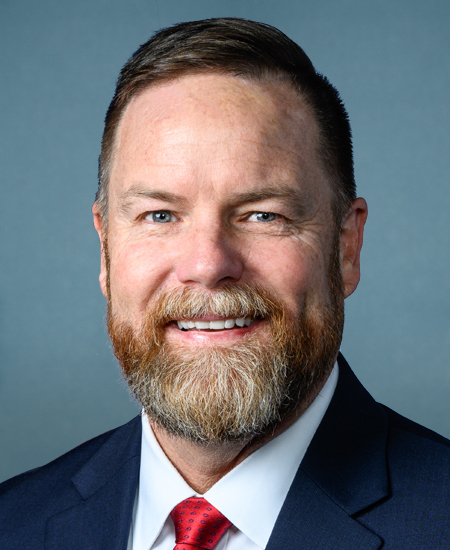
Glenn Grothman
Glenn Grothman House · District 6
R
Strong +
92% 13
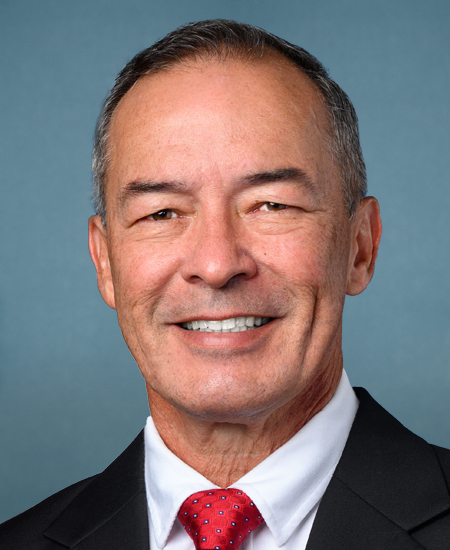
Aaron Bean
Aaron Bean House · District 4
R
Strong +
87% 15
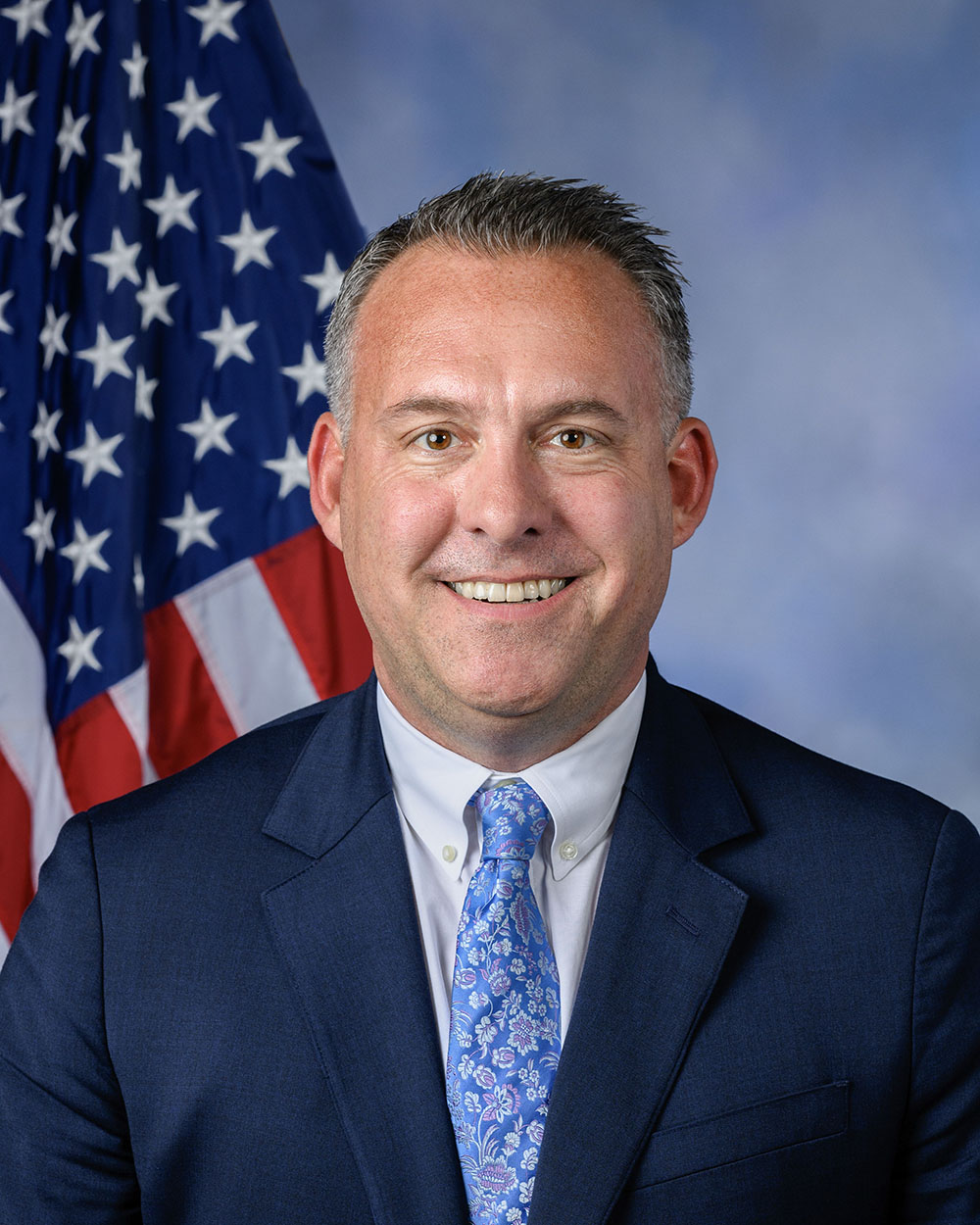
Abraham J. Hamadeh
Abraham J. Hamadeh House · District 8
R
Strong +
87% 15
Andrew Ogles
Andrew Ogles House · District 5
R
Strong +
87% 15
Andrew S. Clyde
Andrew S. Clyde House · District 9
R
Strong +
87% 15
Eleanor Holmes Norton
Eleanor Holmes Norton House · District At-Large
D
Strong −
0% 11
Pablo José Hernández
Pablo José Hernández House · District At-Large
D
Strong −
0% 10
James C. Moylan
James C. Moylan House · District At-Large
R
Strong −
0% 8
Stacey E. Plaskett
Stacey E. Plaskett House · District At-Large
D
Strong −
0% 8
Adam Gray
Adam Gray House · District 13
D
Strong −
7% 15
Showing 1–10 of 36 bills

All environment bills

in committee · United States · House Aug 24, 2026

HR 10143: Jobs, Not Waste Act of 2026

The Jobs, Not Waste Act of 2026 permanently ends the federal government's effort to build a nuclear waste repository at Yucca Mountain by withdrawing the construction application and terminating the associated licensing process. The bill prohibits the Secretary of Energy from considering the site for this purpose in the future and requires the Department of Energy to reclaim the land and mitigate any environmental damage caused by previous activities. Additionally, it mandates that the Office of Management and Budget submit a report to Congress within 180 days analyzing the economic potential and job-creation benefits of alternative uses for the site, such as defense facilities, renewable energy development, and scientific research.
Sub-Topics Waste Management
in committee · United States · House Jul 30, 2026

HR 9987: Recycling Infrastructure and Data Accountability Act

The Recycling Infrastructure and Data Accountability Act directs the Environmental Protection Agency to study the feasibility of creating a national database to track recycling facilities, material flows, and program performance. This study will identify regions with limited access to recycling services, catalog major waste and recycling facilities, and analyze economic barriers that hinder the development of new processing centers. If the EPA determines the project is viable, it must establish and maintain a publicly accessible online database within a year of submitting its final report to Congress. The bill aims to improve transparency and planning for recycling infrastructure without mandating specific construction projects or funding allocations.
in committee · United States · House Jul 16, 2026

HR 9740: Critical Materials Processing Technology Testbed Act

This bill directs the Department of Energy to create a competitive facility called the Critical Materials Processing Technology Testbed to develop and test new methods for processing essential raw materials. The Testbed will focus on improving technologies to reduce energy use, water consumption, pollution, and costs while enhancing worker safety and waste management. Funding of $150 million for 2027 and $25 million annually through 2031 is authorized to support the facility, which may be located at one or more sites involving national laboratories, universities, and private companies. The program includes requirements to transfer research results to industry and ensure that intellectual property remains within the United States.
Sub-Topics Waste Management
in committee · United States · House Jun 23, 2026

HR 9022: Energy and Water Development and Related Agencies Appropriations Act, 2027

Energy and Water Development and Related Agencies Appropriations Act, 2027 This bill provides FY2027 appropriations for U.S. Army Corps of Engineers civil works projects, the Department of the Interior's Bureau of Reclamation, the Department of Energy (DOE), and several independent agencies. The bill provides appropriations for U.S. Army Corps of Engineers civil works projects, including for Investigations, Construction, Mississippi River and Tributaries, Operation and Maintenance, the Regulatory Program, Flood Control and Coastal Emergencies, Expenses, the Office of the Assistant Secretary of the Army for Civil Works, and the Water Infrastructure Finance and Innovation Program. The bill provides appropriations to the Department of the Interior for the Central Utah Project and the Bureau of Reclamation. The bill provides appropriations to DOE for energy programs, including Critical Minerals and Energy Innovation; Cybersecurity, Energy Security, and Emergency Response; Electricity; Nuclear Energy; Hydrocarbons and Geothermal Energy; Naval Petroleum and Oil Shale Reserves; the Strategic Petroleum Reserve; the Northeast Home Heating Oil Reserve; the Energy Information Administration; Non-Defense Environmental Cleanup; the Uranium Enrichment Decontamination and Decommissioning Fund; Science; Nuclear Waste Disposal; the Advanced Research Projects Agency—Energy; the Title 17 Innovative Technology Loan Guarantee Program; the Advanced Technology Vehicles Manufacturing Loan Program; the Tribal Energy Loan Guarantee Program; Indian Energy Policy and Programs; Departmental Administration; and the Office of the Inspector General. The bill also provides appropriations to DOE for Atomic Energy Defense Activities of the National Nuclear Security Administration, Environmental and Other Defense Activities, and the Power Marketing Administrations. The bill provides appropriations to several independent agencies, including the Federal Energy Regulatory Commission and the Nuclear Regulatory Commission. The bill also sets forth requirements and restrictions for using funds provided by this and other appropriations acts.
in committee · United States · House Mar 5, 2026

HR 7811: Responsible Containment Reauthorization Act

This bill extends the authorization for a uranium mill tailings disposal site in Mesa County, Colorado, until the site is filled to its designed capacity. It directly affects the facility operators and local communities by allowing them to continue using the site for waste disposal beyond the current expiration date. The legislation amends the Uranium Mill Tailings Radiation Control Act of 1978 to remove the previous September 30, 2031 deadline, replacing it with a condition based on the site reaching its intended capacity. This change provides regulatory certainty for ongoing operations at the disposal facility.
Sub-Topics Waste Management
in committee · United States · House Mar 18, 2026

HR 7992: CANS Act of 2026

This bill requires the Secretary of the Interior to conduct an ongoing study on aluminum recycling and disposal. The study must assess how much aluminum ends up in landfills and examine related market factors. Every three years, the Secretary must submit a detailed report to Congress covering landfill amounts, export data, technology improvements, and policies to keep aluminum in the domestic supply chain. The report will also analyze how increased recycling affects U.S. dependence on foreign entities and domestic manufacturing capacity.
in committee · United States · Senate Feb 11, 2026

S 544: Mining Regulatory Clarity Act

Mining Regulatory Clarity Act This bill allows mining operators to use federal lands for activities ancillary to mining, such as waste disposal, regardless of whether those lands contain mineral deposits valuable enough to be mined (mineral validity). It also establishes the Abandoned Hardrock Mine Fund. The bill addresses a 2022 decision in the U.S. Court of Appeals for the Ninth Circuit related to the Rosemont Copper Mine in Arizona (commonly known as the Rosemont decision , described further in CRS Report R48166 ). The court held that mining claims are only allowed where mineral validity has been established and that mill site claims are more appropriate means for establishing a mining waste disposal site under the Mining Act. The bill allows a mining operator to (1) locate and include within its plan of operations as many mill site claims (e.g., areas for waste rock disposal) as are reasonably necessary for its operations, and (2) use or occupy public land in accordance with an approved plan of operations. Additionally, the bill requires any revenue generated from fees for such mill site claims to be deposited into the Abandoned Hardrock Mine Fund. The Department of the Interior must use the fund for certain abandoned hardrock mine reclamation activities.
passed · United States · House Mar 17, 2026

HR 1366: Mining Regulatory Clarity Act

Mining Regulatory Clarity Act This bill allows mining operators to use federal lands for activities ancillary to mining, such as waste disposal, regardless of whether those lands contain mineral deposits valuable enough to be mined (mineral validity). It also establishes the Abandoned Hardrock Mine Fund. The bill addresses a 2022 decision in the U.S. Court of Appeals for the Ninth Circuit related to the Rosemont Copper Mine in Arizona (commonly known as the Rosemont decision , described further in CRS Report R48166 ). The court held that mining claims are only allowed where mineral validity has been established and that mill site claims are more appropriate means for establishing a mining waste disposal site under the Mining Act. The bill allows a mining operator to (1) locate and include within its plan of operations as many mill site claims (e.g., areas for waste rock disposal) as are reasonably necessary for its operations, and (2) use or occupy public land in accordance with an approved plan of operations. Additionally, the bill requires any revenue generated from fees for such mill site claims to be deposited into the Abandoned Hardrock Mine Fund. The Department of the Interior must use the fund for certain abandoned hardrock mine reclamation activities.
in committee · United States · House Mar 11, 2025

HR 1820: FLASH Act

The FLASH Act authorizes construction of navigable roads along federal border lands to improve U.S. Customs and Border Protection access and operational control. It requires federal agencies to develop protocols for reducing trash accumulation and environmental degradation from unauthorized border crossings, while targeting illegal cannabis cultivation sites with environmental response initiatives. The bill prohibits using federal funds to provide housing for undocumented immigrants on federal lands and establishes criminal penalties for illegal pesticide use. The legislation affects how federal land management agencies (National Park Service, Bureau of Land Management, etc.) operate along the southern border, with specific reporting requirements for environmental impacts and trash collection.
passed · United States · House Sep 10, 2025

HR 4553: Energy and Water Development and Related Agencies Appropriations Act, 2026

Energy and Water Development and Related Agencies Appropriations Act, 2026 This bill provides FY2026 appropriations for U.S. Army Corps of Engineers civil works projects, the Department of the Interior's Bureau of Reclamation, the Department of Energy (DOE), and several independent agencies. The bill provides appropriations for U.S. Army Corps of Engineers civil works projects, including for Investigations, Construction, Mississippi River and Tributaries, Operation and Maintenance, the Regulatory Program, Flood Control and Coastal Emergencies, Expenses, the Office of the Assistant Secretary of the Army for Civil Works, and the Water Infrastructure Finance and Innovation Program. The bill provides appropriations to the Department of the Interior for the Central Utah Project and the Bureau of Reclamation. The bill provides appropriations to DOE for energy programs, including Energy Efficiency and Renewable Energy; Cybersecurity, Energy Security, and Emergency Response; Electricity; Grid Deployment; Nuclear Energy; Fossil Energy; Naval Petroleum and Oil Shale Reserves; the Strategic Petroleum Reserve; the Northeast Home Heating Oil Reserve; the Energy Information Administration; Non-Defense Environmental Cleanup; the Uranium Enrichment Decontamination and Decommissioning Fund; Science; Nuclear Waste Disposal; the Advanced Research Projects Agency—Energy; the Title 17 Innovative Technology Loan Guarantee Program; the Advanced Technology Vehicles Manufacturing Loan Program; the Tribal Energy Loan Guarantee Program; Indian Energy Policy and Programs; Departmental Administration; and the Office of the Inspector General. The bill also provides appropriations to DOE for Atomic Energy Defense Activities of the National Nuclear Security Administration, Environmental and Other Defense Activities, and the Power Marketing Administrations. The bill provides appropriations to several independent agencies, including the Federal Energy Regulatory Commission and the Nuclear Regulatory Commission. The bill also sets forth requirements and restrictions for using funds provided by this and other appropriations acts.
Showing 1 to 10 of 36 bills
1 2 3 4 Next