Issue · Energy

Energy (Oil & Gas)

Every energy bill, vote, and legislator stance in United States, automatically classified by Maddy, our AI policy reader.

Total bills
189
119th Congress
Top supporter
Adelita S. Grijalva
80% support rate
Top opponent
Mike Johnson
20% support rate
Ranked legislators
10
5 support · 5 oppose
Key legislators

Who's moving oil & gas in United States

Legislators moving oil & gas in United States
Legislator Party Stance Support rate Votes
Adelita S. Grijalva
Adelita S. Grijalva House · District 7
D
Strong +
80% 10
Catherine Cortez Masto
Catherine Cortez Masto Senate
D
Strong +
80% 10
Jacky Rosen
Jacky Rosen Senate
D
Strong +
80% 10
John W. Hickenlooper
John W. Hickenlooper Senate
D
Strong +
80% 10
Brendan F. Boyle
Brendan F. Boyle House · District 2
D
Support
77% 13
Mike Johnson
Mike Johnson House · District 4
R
Strong −
20% 15
Chip Roy
Chip Roy House · District 21
R
Oppose
25% 16
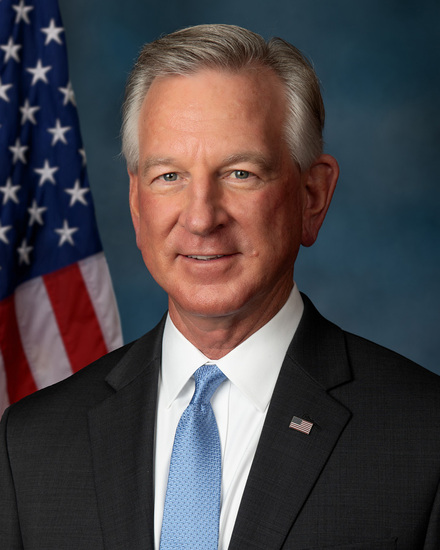
Tommy Tuberville
Tommy Tuberville Senate
R
Oppose
29% 7
Mark B. Messmer
Mark B. Messmer House · District 8
R
Oppose
29% 17
John H. Rutherford
John H. Rutherford House · District 5
R
Oppose
30% 10
Showing 61–70 of 189 bills

All energy bills

in committee · United States · House May 20, 2026

HR 5617: Geothermal Gold Book Development Act

The Geothermal Gold Book Development Act requires the Department of the Interior to create and publish a "Gold Book" containing standardized procedures for geothermal leasing and permitting on federal lands. This reference guide, to be published within 18 months of the bill's enactment, will cover land use planning, lease sales, and efficient environmental reviews for activities like exploration, drilling, and construction. It directly affects Bureau of Land Management field offices and geothermal developers who will use the Gold Book to streamline permitting processes. The Department must update the Gold Book at least every five years and consult with agencies and stakeholders before publishing it.
Sub-Topics Oil & Gas
in committee · United States · House Apr 29, 2025

HR 3067: Arctic Refuge Protection Act

HR 3067, the Arctic Refuge Protection Act, repeals the existing oil and gas program for the Arctic National Wildlife Refuge (ANWR) and designates approximately 1.56 million acres of the refuge's Coastal Plain as wilderness. This directly affects federal management of the ANWR, halting potential oil drilling in the designated area. The bill requires the Secretary of the Interior to administer the newly designated wilderness area under the Wilderness Act, treating it as part of the existing wilderness within ANWR. The change prevents future oil and gas development on this specific portion of the refuge.
in committee · United States · House May 20, 2026

HR 301: GEO Act

Geothermal Energy Opportunity Act or the GEO Act This bill expands the Geothermal Steam Act of 1970 to establish a deadline for the Department of the Interior to process applications related to geothermal leases. Specifically, Interior must process each application for a geothermal drilling permit or other authorization under a valid existing geothermal lease within 60 days after completing all requirements under applicable federal laws and regulations (including the National Environmental Policy Act of 1969, the Endangered Species Act of 1973, and the National Historic Preservation Act) unless a U.S. federal court vacates or provides injunctive relief for the underlying lease.
in committee · United States · Senate Jan 23, 2025

S 224: Promoting Domestic Energy Production Act

This bill modifies tax code provisions to benefit energy producers. It allows oil and gas companies to deduct intangible drilling and development costs more favorably when calculating taxable income, by disregarding depreciation and depletion expenses already reflected on their financial statements. The change applies to taxable years beginning after December 31, 2025. This directly affects domestic energy producers who incur these specific drilling costs.
Sub-Topics Oil & Gas
in committee · United States · Senate Mar 13, 2025

S 1026: Tar Sands Tax Loophole Elimination Act

This bill amends the tax code to close a loophole that previously allowed certain tar sands oil to be taxed differently than conventional crude oil. It expands the definition of "crude oil" under federal excise tax rules to explicitly include oil derived from tar sands, bitumen, and oil shale. This change directly affects oil producers and refiners handling these specific unconventional oil sources, requiring them to pay the standard crude oil excise tax. The key mechanism is the updated tax code definition, which also grants the Secretary regulatory authority to include other pipeline-transported petroleum products meeting specific environmental risk criteria.
in committee · United States · House Apr 10, 2025

HR 2861: Chaco Cultural Heritage Area Protection Act of 2025

HR 2861, the Chaco Cultural Heritage Area Protection Act of 2025, blocks oil and gas development on federal lands surrounding Chaco Culture National Historical Park in New Mexico. The bill terminates non-producing oil and gas leases on these lands and withdraws them from future mineral leasing, protecting the area’s cultural resources and dark skies. It directly affects oil and gas companies holding leases in the designated area and aims to safeguard sacred sites, prehistoric roads, and the park’s status as an International Dark Sky Park. The law preserves the cultural landscape for Pueblo Tribes, Navajo Nation, and Hopi Tribe, who have ongoing ceremonial ties to the region.
in committee · United States · House Jan 16, 2025

HR 526: Declaration of Energy Independence Act

HR 526, the Declaration of Energy Independence Act, reduces costs for oil and gas leaseholders on federal lands. It lowers royalty rates from 16.67% to 12.5%, cuts minimum bids from $10 to $2 per acre, and adjusts annual rental rates (from $3-$15 to $1.50-$2 per acre). The bill also creates new noncompetitive leasing options for existing leases meeting production thresholds (e.g., 15 barrels/day oil or 60,000 ft³/day gas), allowing continued operation without bidding. These changes directly affect companies holding federal oil/gas leases, particularly those with older leases or low-production sites.
Sub-Topics Oil & Gas Public Lands
in committee · United States · Senate Apr 10, 2025

S 1412: Chaco Cultural Heritage Area Protection Act of 2025

This bill withdraws federal lands surrounding Chaco Culture National Historical Park (a UNESCO World Heritage Site) from oil and gas leasing and development. It automatically terminates non-producing oil and gas leases on these lands and prevents new mineral leasing within the designated area, protecting cultural resources and the park’s visitor experience. The withdrawal specifically applies to federal land within the mapped "Chaco Cultural Heritage Withdrawal Area" but does not affect tribal mineral rights on trust land. It aims to safeguard sacred sites, prehistoric roads, and the park’s dark sky status from potential impacts of energy development.
in committee · United States · House Feb 11, 2025

HR 1194: Federal Lands and Waters Leasing Transparency Act

Federal Lands and Waters Leasing Transparency Act This bill directs the Department of the Interior to provide explanations to the highest bidders when it rejects their bids for certain offshore oil and gas leases. The bill also prohibits courts from invalidating or delaying certain onshore and offshore oil and gas leases. When Interior determines that the federal government will not receive the fair market value for offshore lease tracts on submerged lands of the Outer Continental Shelf from the highest bidder, then Interior must provide a report to the bidder that explains the basis for the determination. If the bid was subject to a resource and economic evaluation, the report must include information on how the bid compares to specified valuation metrics. These requirements apply to lease sales in which Interior received at least one bid and did not issue a lease to the highest bidder. Additionally, courts may not prevent Interior from issuing certain onshore oil and gas leases by a 60-day statutory deadline unless the lease would violate federal law. Further, the bill prohibits civil actions that challenge certain offshore oil and gas lease sales from (1) invalidating leases issued under such sales; and (2) delaying the consideration of plans, documents, or applications for a federal authorization or approval of activities for a lease. If a court finds that the sale was not carried out in compliance with federal law, the court must (1) remand the matter to Interior, and (2) direct Interior to correct the noncompliance.
Sub-Topics Oil & Gas
in committee · United States · House May 20, 2025

HR 3488: Valve Safety Fairness Act of 2025

The Valve Safety Fairness Act of 2025 requires the Pipeline and Hazardous Materials Safety Administration to apply an existing 2022 pipeline safety rule to Type A gas gathering lines. This rule mandates specific valve installations and rupture detection systems to prevent pipeline failures and enhance safety. The bill directly affects natural gas pipeline operators managing Type A gathering lines, which transport gas from wells to processing facilities, by requiring compliance with these safety standards. The legislation extends current safety requirements to a previously excluded pipeline category without creating new rules.
Showing 61 to 70 of 189 bills
Previous 1 6 7 8 19 Next