Issue · Energy

Energy

Every energy bill, vote, and legislator stance in United States, automatically classified by Maddy, our AI policy reader.

Total bills
603
119th Congress
Top supporter
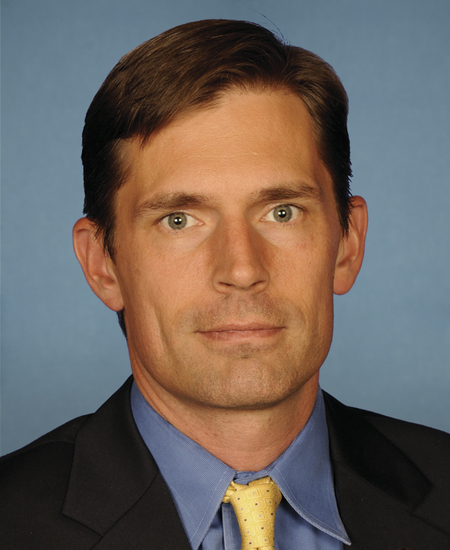
Martin Heinrich
75% support rate
Top opponent
Marsha Blackburn
26% support rate
Ranked legislators
10
5 support · 5 oppose
Key legislators

Who's moving energy in United States

Legislators moving energy in United States
Legislator Party Stance Support rate Votes
Martin Heinrich
Martin Heinrich Senate
D
Support
75% 194
John W. Hickenlooper
John W. Hickenlooper Senate
D
Support
74% 212
Brendan F. Boyle
Brendan F. Boyle House · District 2
D
Support
73% 253
Frederica S. Wilson
Frederica S. Wilson House · District 24
D
Support
73% 188
Jacky Rosen
Jacky Rosen Senate
D
Support
72% 213
Marsha Blackburn
Marsha Blackburn Senate
R
Oppose
26% 186
Ted Budd
Ted Budd Senate
R
Oppose
27% 198
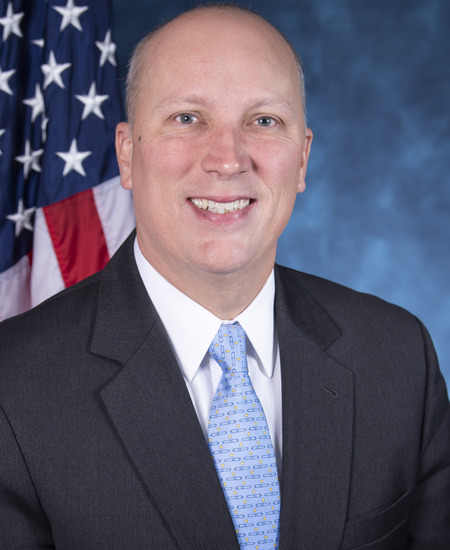
Chip Roy
Chip Roy House · District 21
R
Oppose
27% 251
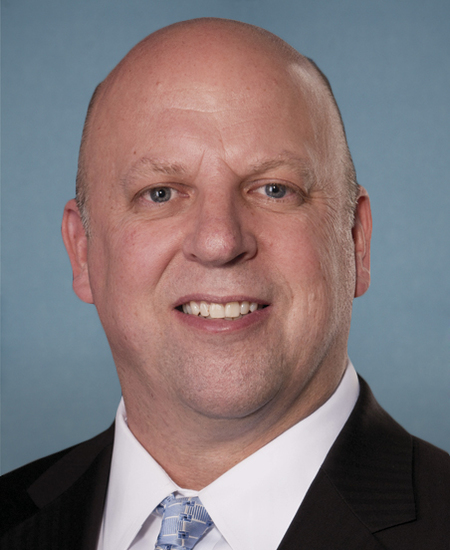
Scott DesJarlais
Scott DesJarlais House · District 4
R
Oppose
29% 256
Mike Johnson
Mike Johnson House · District 4
R
Oppose
29% 194
Showing 531–540 of 603 bills

All energy bills

in committee · United States · House Feb 24, 2026

HRES 1076: Recognizing the 10th anniversary of the first export shipment of liquefied natural gas produced in the lower 48 States.

HRES 1076 is a House resolution recognizing the 10th anniversary of the first U.S. liquefied natural gas (LNG) export shipment from the lower 48 states, which occurred on February 24, 2016. The resolution celebrates this milestone as a historic achievement in American energy production, highlighting its role in supporting over 273,000 annual jobs and $400 billion in economic growth over the past decade. It honors the workers and communities involved and acknowledges LNG exports' contribution to U.S. economic growth, energy security, and global partnerships. The resolution has no binding effect or policy changes - it solely expresses recognition of a past event.
Sub-Topics Oil & Gas
in committee · United States · Senate Jul 31, 2025

S 2598: Forest Bioeconomy Act

The Forest Bioeconomy Act (S 2598) establishes new programs to advance the commercial use of forest materials. It creates a Forest Service Office of Technology Transfer led by a Chief Commercialization Officer to help turn research into marketable products, including renewable fuels and mass timber construction. The bill also launches a small business voucher program providing funding for forest product companies to collaborate with Forest Service research facilities, with cost-sharing requirements. Additionally, it mandates a national mass timber science program to support research on tall wood buildings, focusing on safety, carbon impact, and industry needs. These provisions directly affect the Forest Service, forest product manufacturers, small businesses, and architects developing sustainable construction projects.
Sub-Topics Forestry Tags Small Business
in committee · United States · Senate Mar 3, 2025

S 818: Abandoned Well Remediation Research and Development Act

This bill establishes a federal research program to improve the identification, plugging, and repurposing of abandoned oil and gas wells. It directs the Secretary to create a program focused on developing better remote sensing technologies, understanding methane emissions from wells, and finding cost-effective methods for plugging and repurposing wells (like for geothermal energy). The program requires coordination with universities, national labs, and private companies, and authorizes $30 million in 2026 increasing to $35 million by 2030. It directly affects federal agencies managing energy and environmental programs, and aims to address environmental risks from wells no longer in use.
in committee · United States · House Oct 6, 2025

HR 5692: Marine Energy Technologies Acceleration Act

This bill establishes a $1 billion Marine Energy Acceleration Fund to advance marine energy technologies like tidal and wave power. It allocates $600 million for 20+ pilot projects that connect to local grids, prioritizing rural, tribal, and low-income communities, while $230 million funds research to cut costs and improve efficiency. The bill also dedicates $50 million to assess 50 coastal sites for energy potential, $85 million for workforce programs near project sites, and $15 million to streamline federal permitting. These provisions directly affect marine energy developers, coastal communities, and federal agencies like the Department of Energy, aiming to accelerate deployment through targeted funding and regulatory support.
in committee · United States · Senate Jul 24, 2025

S 2444: End Polluter Welfare Act of 2025

This bill eliminates government subsidies for fossil fuel production by increasing royalties for oil and gas extraction, terminating tax credits for fossil fuel companies, and prohibiting government funding for fossil fuel projects. It repeals recent legislation that provided fossil fuel subsidies, including provisions from the Inflation Reduction Act, and requires a study of additional subsidies. The bill affects fossil fuel companies, government agencies, and financial institutions that support fossil fuel development. Key provisions would take effect for production and tax years beginning after the bill's enactment.
Sub-Topics Oil & Gas
in committee · United States · Senate Apr 15, 2026

S 1327: Advancing GETs Act of 2025

Senate Bill 1327, the Advancing GETs Act of 2025, creates a shared savings program for developers who install grid-enhancing technologies (GETs) - hardware or software that improves grid capacity, efficiency, or reliability. Developers receive 10-25% of cost savings (over 3 years) from their GET investments, but only if savings exceed four times the installation cost. The bill also requires transmission operators to submit annual reports on congestion costs and establishes a federal guide to help utilities implement GETs. It directly affects GET developers and transmission operators, with key mechanisms including the savings threshold, mandatory reporting, and technical assistance resources.
in committee · United States · House Jan 13, 2026

HR 6287: REAP Modernization Act of 2025

The REAP Modernization Act of 2025 updates the Rural Energy for America Program (REAP) to better support rural agricultural and small business renewable energy projects. It requires the program to actively promote greenhouse gas emission reductions through funded projects, expands eligibility to include producer cooperatives and nongovernmental organizations, and increases the climate benefit consideration from 25% to 50% in project evaluations. The bill also establishes a streamlined application process, mandates a study on dual-use energy systems (combining farming with renewable energy on the same land), and adjusts funding rules to prioritize underutilized renewable technologies. These changes directly affect rural farmers, cooperatives, and small businesses seeking grants for solar, wind, or other renewable energy installations on agricultural properties.
Sub-Topics Renewable Energy Solar Climate Change Tags Agriculture Rural Communities
in committee · United States · House Apr 10, 2025

HR 2813: Small Modular Reactor Commercialization Act of 2025

This bill updates federal definitions and policies to support small modular nuclear reactors (SMRs). It increases the size threshold for SMRs from 300 megawatts to 500 megawatts per reactor unit (and adjusts combined capacity limits), ensuring projects within this range qualify for federal funding. The bill requires the Nuclear Regulatory Commission and Department of Energy to revise their guidance to align with these new definitions and creates a federal working group to assess U.S. competitiveness in SMR manufacturing and commercialization. These changes directly affect nuclear developers, manufacturers, and federal agencies managing energy policy and regulation.
Sub-Topics Nuclear
in committee · United States · House Jul 21, 2026

HR 6529: Protecting Families from AI Data Center Energy Costs Act

HR 6529, the Protecting Families from AI Data Center Energy Costs Act, mandates the Federal Energy Regulatory Commission (FERC) to hold a technical conference within 90 days of enactment. The conference will include AI data centers, utilities, and ratepayer advocates to develop strategies protecting residential and small commercial customers from rising energy costs caused by large energy users. FERC must then submit a report with recommendations to Congress within 180 days. This procedural bill directly affects households and small businesses facing potential rate increases due to AI data center energy demands.
Sub-Topics Utility Regulation
in committee · United States · House Oct 28, 2025

HR 5845: Las Americas Energy Security Act

The Las Americas Energy Security Act establishes a $100 million annual sovereign lending program (2026-2031) to support eligible Latin American and Caribbean countries in transitioning to clean energy and improving energy security. It funds renewable energy projects, battery solutions, and technical assistance, while requiring projects to prioritize U.S. goods/services, avoid Chinese/Russian state entities, and benefit marginalized communities. The program targets countries meeting specific criteria, such as being Caribbean Basin Recovery Act beneficiaries or members of democratic alliances like CARICOM. It mandates annual reports on program effectiveness and includes strict anti-corruption and environmental safeguards for funded projects.
Showing 531 to 540 of 603 bills
Previous 1 53 54 55 61 Next