

Issue · Energy
Energy (Oil & Gas)
Every energy bill, vote, and legislator stance in United States, automatically classified by Maddy, our AI policy reader.
Total bills
97
119th Congress
Top supporter
Adelita S. Grijalva
80% support rate
Top opponent
Mike Johnson
20% support rate
Ranked legislators
10
5 support · 5 oppose
Key legislators
Who's moving oil & gas in United States
| Legislator | Party | Stance | Support rate | Decisive votes |
|---|---|---|---|---|

Adelita S. Grijalva
House · District 7
|
D |
Strong +
|
80% | 10 |

Catherine Cortez Masto
Senate
|
D |
Strong +
|
80% | 10 |

Jacky Rosen
Senate
|
D |
Strong +
|
80% | 10 |

John W. Hickenlooper
Senate
|
D |
Strong +
|
80% | 10 |

Brendan F. Boyle
House · District 2
|
D |
Support
|
77% | 13 |

Mike Johnson
House · District 4
|
R |
Strong −
|
20% | 15 |

Chip Roy
House · District 21
|
R |
Oppose
|
25% | 16 |
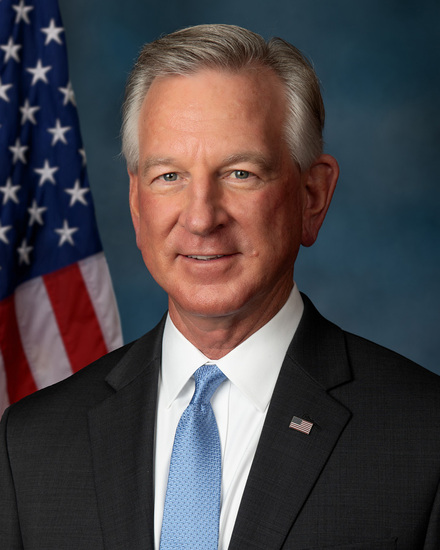
Tommy Tuberville
Senate
|
R |
Oppose
|
29% | 7 |

Mark B. Messmer
House · District 8
|
R |
Oppose
|
29% | 17 |

John H. Rutherford
House · District 5
|
R |
Oppose
|
30% | 10 |
Showing 41–50 of 97
bills
All energy bills
HR 8034: Protecting America’s Small Oil and Gas Producers and Rural Jobs Act
Topics
✓ Budget & TaxesSupports Budget & TaxesBill provides tax relief by increasing depletion deductions for small oil producers, reducing their tax burden and supporting rural economic development.
✓ EnergySupports EnergyBill provides tax incentives and protections for small oil and gas producers, strengthening domestic energy production infrastructure.
✗ EnvironmentOpposes EnvironmentBill provides tax incentives for oil and gas production, which typically increases fossil fuel extraction and opposes environmental protection goals.
Sub-Topics
Oil & Gas
S 4116: Geo POWER Act
Topics
✓ EnergySupports EnergyBill creates funding program for geothermal energy projects, advancing renewable energy infrastructure and expanding energy generation in new regions.
✓ EnvironmentSupports EnvironmentBill funds geothermal energy projects, a clean renewable energy source that reduces emissions and supports environmental protection through sustainable power generation.
Sub-Topics
Oil & Gas
HR 7831: License to Drill Act
Topics
✓ Budget & TaxesSupports Budget & TaxesBill extends fee collection period for drilling permits, directing funds to BLM Permit Processing Improvement Fund, strengthening fiscal management and government revenue collection.
✓ EnergySupports EnergyBill extends fee collection period for oil and gas drilling permits, potentially increasing revenue for energy infrastructure improvements under the Mineral Leasing Act.
✗ EnvironmentOpposes EnvironmentBill extends fee collection period for oil and gas drilling permits, facilitating increased fossil fuel extraction which may harm environmental protection and climate goals.
HRES 707: Providing for consideration of the bill (H.R. 4922) to limit youth offender status in the District of Columbia to individuals 18 years of age or younger, to direct the Attorney General of the District of Columbia to establish and operate a publicly accessible website containing updated statistics on juvenile crime in the District of Columbia, to amend the District of Columbia Home Rule Act to prohibit the Council of the District of Columbia from enacting changes to existing criminal liability sentences, and for other purposes; providing for consideration of the bill (H.R. 5143) to establish standards for law enforcement officers in the District of Columbia to engage in vehicular pursuits of suspects, and for other purposes; providing for consideration of the bill (H.R. 5140) to lower the age at which a minor may be tried as an adult for certain criminal offenses in the District of Columbia to 14 years of age; providing for consideration of the bill (H.R. 5125) to amend the District of Columbia Home Rule Act to terminate the District of Columbia Judicial Nomination Commission, and for other purposes; providing for consideration of the bill (H.R. 1047) to require the Federal Energy Regulatory Commission to reform the interconnection queue process for the prioritization and approval of certain projects, and for other purposes; providing for consideration of the bill (H.R. 3015) to reestablish the National Coal Council in the Department of Energy to provide advice and recommendations to the Secretary of Energy on matters related to coal and the coal industry, and for other purposes; providing for consideration of the bill (H.R. 3062) to establish a more uniform, transparent, and modern process to authorize the construction, connection, operation, and maintenance of international border-crossing facilities for the import and export of oil and natural gas and the transmission of electricity; and for other purposes.
HR 7873: Taiwan Energy Security and Anti-Embargo Act of 2026
Topics
✓ EnergySupports EnergyBill explicitly aims to enhance energy security by increasing LNG exports, improving infrastructure resilience, and establishing a joint energy security center.
✓ TechnologySupports TechnologyBill includes cybersecurity improvements and technical assistance for Taiwan's energy infrastructure, which supports technology security and resilience.
HR 5617: Geothermal Gold Book Development Act
Sub-Topics
Oil & Gas
HR 301: GEO Act
Topics
✓ EnergySupports EnergyExpedites geothermal leasing permitting, directly advancing renewable energy infrastructure development under geothermal energy policy.
✓ EnvironmentSupports EnvironmentPromotes geothermal energy development, a clean renewable resource, by expediting permit processing to advance environmental protection goals.
HR 3488: Valve Safety Fairness Act of 2025
HR 480: Methane Border Adjustment Mechanism Act
Topics
✓ Budget & TaxesSupports Budget & TaxesBill establishes a new tax on imported oil and natural gas based on emissions, directly advancing a tax policy under the topic of taxation.
✓ EnergySupports EnergyBill imposes tax on high-methane imports to incentivize emission reductions, aligning with Clean Air Act standards and promoting cleaner energy production practices.
✓ EnvironmentSupports EnvironmentTax on high-methane imports incentivizes emission reductions, aligns with Clean Air Act standards, and protects environment by making high-emission imports costlier.