Issue · Energy

Energy

Every energy bill, vote, and legislator stance in United States, automatically classified by Maddy, our AI policy reader.

Total bills
605
119th Congress
Top supporter
Martin Heinrich
75% support rate
Top opponent
Marsha Blackburn
26% support rate
Ranked legislators
10
5 support · 5 oppose
Key legislators

Who's moving energy in United States

Legislators moving energy in United States
Legislator Party Stance Support rate Decisive votes
Martin Heinrich
Martin Heinrich Senate
D
Support
75% 24
John W. Hickenlooper
John W. Hickenlooper Senate
D
Support
74% 38
Frederica S. Wilson
Frederica S. Wilson House · District 24
D
Support
74% 34
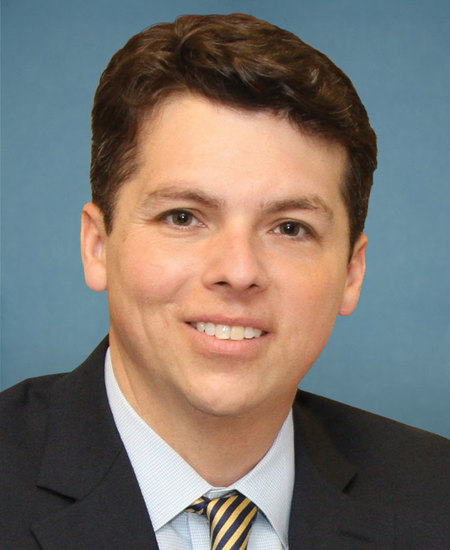
Brendan F. Boyle
Brendan F. Boyle House · District 2
D
Support
73% 49
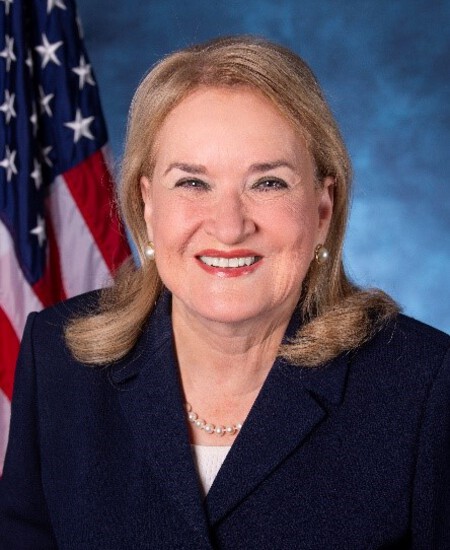
Sylvia R. Garcia
Sylvia R. Garcia House · District 29
D
Support
72% 47
Marsha Blackburn
Marsha Blackburn Senate
R
Oppose
26% 23
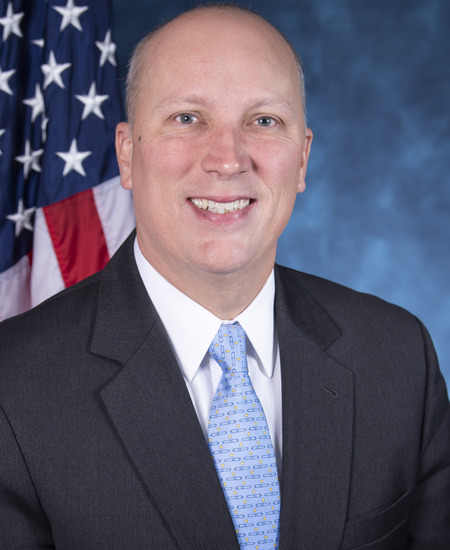
Chip Roy
Chip Roy House · District 21
R
Oppose
27% 52
Ted Budd
Ted Budd Senate
R
Oppose
27% 26
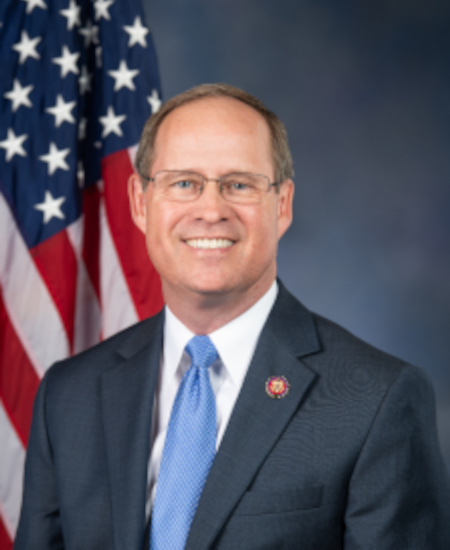
Gregory F. Murphy
Gregory F. Murphy House · District 3
R
Oppose
28% 46
Mike Johnson
Mike Johnson House · District 4
R
Oppose
28% 46
Showing 411–420 of 605 bills

All energy bills

in committee · United States · Senate Mar 17, 2026

S 1034: Southwestern Power Administration Fund Establishment Act

The Southwestern Power Administration Fund Establishment Act creates a new fund within the U.S. Treasury to consolidate the Southwestern Power Administration's (SPA) existing receipts, unspent balances from prior appropriations, and future funding. This fund will directly support the SPA - a federal agency managing hydroelectric power marketing - by covering operational costs for power transmission systems, electricity marketing, infrastructure construction, and related administrative expenses. The bill transfers unspent balances from three specific past funds into this new account and updates budget laws to redirect future SPA funding to it. The fund remains available until spent, with excess amounts annually returned to the U.S. Treasury.
Sub-Topics Hydroelectric
in committee · United States · Senate Jul 31, 2025

S 2591: Ethanol for America Act of 2025

S 2591, the Ethanol for America Act of 2025, requires the Environmental Protection Agency (EPA) to finalize a 2021 proposed rule within 90 days of enactment. It mandates specific labeling for E15 fuel (15% ethanol blend) and sets new compatibility standards for underground storage tanks used by fuel retailers. The bill automatically deems existing tanks compliant with E15, specifies that tanks made after 2005 are compatible, and requires new tank components installed after the rule's effective date to work with fuels up to 100% ethanol. This directly affects fuel retailers and tank owners by removing documentation barriers for E15 use and setting future compatibility requirements.
in committee · United States · House Jan 13, 2026

HR 7043: To amend the Infrastructure Investment and Jobs Act to reauthorize the transmission facilitation program.

HR 7043 extends the funding period for the transmission facilitation program under the Infrastructure Investment and Jobs Act. It amends Section 40106(d)(3) by changing the program's authorization from 2022-2026 to 2026-2031. This change directly affects the program's operation, allowing continued support for grid infrastructure projects without altering its scope or eligibility. The bill makes no new policy changes but ensures the program remains active through 2031.
in committee · United States · House Feb 7, 2025

HR 1148: SMARTER Act

Stop Misappropriating Ratepayer Tariffs for Excessive Resources Act or the SMARTER Act This bill requires nonregulated utilities and state regulators of utilities to consider implementing a standard to prohibit electric utilities from recovering costs relating to the deployment of any smart grid system from their consumers. It also repeals the current requirement for states to consider authorizing electric utilities to recover costs relating to the deployment of certain smart grid systems from their consumers. Within a year, each nonregulated utility and state regulatory authority must consider adopting the prohibition. Within two years, they must determine whether or not to implement the prohibition. However, the deadlines do not apply if a state has already considered or implemented a comparable standard.
in committee · United States · House Mar 14, 2025

HR 2122: IMPACT Act 2.0

HR 2122, the IMPACT Act 2.0, provides federal funding to help states adopt low-emission construction materials for highway projects. It reimburses states for the extra cost of using low-emission cement, concrete, asphalt binder, or mixtures (up to 2% of project costs) and creates a public directory of approved materials. States must update their specifications to prioritize performance and emissions data to qualify, with $15 million authorized for 2025-2027. The bill also allows states to enter multi-year contracts for innovative, domestically produced low-emission materials that meet durability and environmental standards. It directly affects state highway departments and construction material producers seeking to supply these materials.
in committee · United States · Senate Jan 7, 2025

S 25: Polluters Pay Climate Fund Act of 2025

The Polluters Pay Climate Fund Act of 2025 imposes a tax on fossil fuel companies based on their historical carbon emissions from 2000-2023. Companies that emitted more than 1 billion metric tons of CO2 during this period must pay a tax calculated as a proportion of a total $1 trillion tax amount, based on their excess emissions. The tax revenue will fund a new trust fund to support climate resilience projects, with at least 40% of funds directed to environmental justice communities (communities of color, low-income, and Tribal/Indigenous communities). Companies can pay the tax over 9 years in installments, and the bill explicitly states it doesn't affect existing legal claims against polluters or preempt state climate laws.
in committee · United States · House Jan 22, 2026

HR 7197: Home Energy Relief Act

HR 7197, the Home Energy Relief Act, repeals restrictions that previously prevented homeowners from combining federal energy rebates with other grants. It allows households to stack HOMES rebates (for whole-home energy upgrades) and high-efficiency electric home rebates with other federal funding, directly benefiting homeowners seeking energy-efficient upgrades. The bill also adds a new "high-cost urban retrofit bonus" allowing states to provide up to 20% additional rebates for electrification projects in pre-1970 housing, while ensuring total rebates don’t exceed project costs. Finally, it requires annual reports to Congress tracking rebate recipients, energy savings, and recommendations for expanding access to low-income households.
Sub-Topics Energy Efficiency
in committee · United States · House Mar 18, 2025

HR 2177: Tradeable Energy Performance Standards Act

The Tradeable Energy Performance Standards Act establishes a market-based system for reducing carbon emissions from large energy facilities. Covered facilities (electricity and thermal energy producers above certain size thresholds) must obtain emission allowances for each metric ton of CO2 they emit, either by receiving allowances from the government or purchasing them. Facilities can also pay increasing fees (starting at $50 per ton in 2028) or trade allowances with other facilities through bilateral agreements. The bill creates an offset program to fund projects that reduce emissions or sequester carbon, with grants awarded based on cost-effectiveness.
in committee · United States · Senate Sep 3, 2025

SJRES 65: A joint resolution providing for congressional disapproval under chapter 8 of title 5, United States Code, of the rule submitted by the Environmental Protection Agency relating to "Air Plan Approval; Florida; Revisions to Stationary Sources-Removal of Clean Air Interstate Rule Provisions".

This bill (SJRES 65) seeks to block a specific Environmental Protection Agency (EPA) rule related to Florida's air quality plan. It targets the EPA's approval of Florida's revisions to stationary sources (like factories and power plants) that removed provisions tied to the Clean Air Interstate Rule. The resolution would formally disapprove this rule under federal law (Chapter 8 of Title 5), preventing it from taking effect. This action directly affects Florida's industrial facilities by stopping the removal of certain air pollution controls under the interstate rule. The bill does not create new regulations but aims to halt a specific EPA action regarding state air quality management.
Sub-Topics Air Quality
in committee · United States · Senate Apr 8, 2025

S 1325: Foreign Pollution Fee Act of 2025

The Foreign Pollution Fee Act of 2025 would impose a variable fee on imported goods from countries with higher pollution intensity than equivalent US-made products. The fee rate (ranging from 0% to 200%) would be determined by the difference in pollution intensity between the country of origin and the US baseline. It targets specific products including aluminum, cement, steel, fertilizers, glass, hydrogen, solar products, and battery inputs. The bill includes mechanisms for countries to reduce or eliminate the fee through international partnership agreements that meet certain environmental standards. The fee is intended to address what the bill describes as an unfair cost advantage for foreign producers with weaker environmental regulations.
Sub-Topics Energy Storage Solar
Showing 411 to 420 of 605 bills
Previous 1 41 42 43 61 Next