

Issue · Energy
Energy
Every energy bill, vote, and legislator stance in United States, automatically classified by Maddy, our AI policy reader.
Total bills
280
119th Congress
Top supporter
Martin Heinrich
75% support rate
Top opponent
Marsha Blackburn
26% support rate
Ranked legislators
10
5 support · 5 oppose
Key legislators
Who's moving energy in United States
| Legislator | Party | Stance | Support rate | Votes |
|---|---|---|---|---|

Martin Heinrich
Senate
|
D |
Support
|
75% | 194 |

John W. Hickenlooper
Senate
|
D |
Support
|
74% | 212 |

Brendan F. Boyle
House · District 2
|
D |
Support
|
73% | 253 |

Frederica S. Wilson
House · District 24
|
D |
Support
|
73% | 188 |

Jacky Rosen
Senate
|
D |
Support
|
72% | 213 |

Marsha Blackburn
Senate
|
R |
Oppose
|
26% | 186 |

Ted Budd
Senate
|
R |
Oppose
|
27% | 198 |

Chip Roy
House · District 21
|
R |
Oppose
|
27% | 251 |
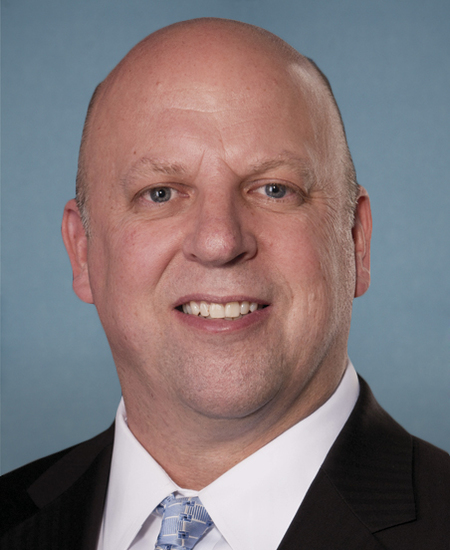
Scott DesJarlais
House · District 4
|
R |
Oppose
|
29% | 256 |

Mike Johnson
House · District 4
|
R |
Oppose
|
29% | 194 |
Showing 251–260 of 280
bills
All energy bills
HR 3843: Baseload Reliability Protection Act
Topics
✗ EnergyOpposes EnergyProtects non-renewable power plants by preventing retirement, hindering renewable transition. Favors fossil fuel infrastructure over renewables in high-risk areas.
✗ EnvironmentOpposes EnvironmentBill prevents retirement of non-renewable power plants (likely fossil fuel), maintaining pollution sources and hindering clean energy transition. Directly weakens environmental protections by prioritizing reliability over emissions reduction.
S 837: Defending American Jobs and Affordable Energy Act of 2025
Topics
✗ EnergyOpposes EnergyRepeals four energy/environmental executive orders and bans federal funding for their implementation, directly weakening existing energy policy frameworks.
✗ EnvironmentOpposes EnvironmentRepeals environmental executive orders and defunds their implementation, directly weakening existing environmental protections and agreements.
HJRES 124: Providing for congressional disapproval under chapter 8 of title 5, United States Code, of the rule submitted by the Bureau of Land Management relating to "National Petroleum Reserve in Alaska Integrated Activity Plan Record of Decision".
Sub-Topics
Oil & Gas
HR 310: Restoring Energy Market Freedom Act
Topics
✗ Budget & TaxesOpposes Budget & TaxesRepeals renewable energy tax credits (Sections 45, 45Q, 48), eliminating financial incentives for businesses and directly reducing tax benefits under Budget & Taxes.
✗ EnergyOpposes EnergyRepeals tax credits for solar, wind, and clean fuels, removing financial incentives for renewable energy development and weakening clean energy standards.
✗ EnvironmentOpposes EnvironmentRepeals tax credits for renewable energy (solar, wind, clean fuels), removing financial incentives that support environmental protection and clean energy adoption.
✗ TransportationOpposes TransportationRepeals tax credits for clean transportation fuels, eliminating financial incentives for sustainable transport projects and directly defunding this sector.
S 460: Supporting Made in America Energy Act
Topics
✗ EnergyOpposes EnergyBill mandates increased oil/gas leasing on federal lands, prioritizing fossil fuels over renewables, directly opposing clean energy transition efforts.
✗ EnvironmentOpposes EnvironmentBill mandates increased oil/gas leasing on public lands, prioritizing fossil fuel extraction over environmental protections with no environmental safeguards or conservation measures.
HR 4603: FAIR Act
Topics
✗ EnergyOpposes EnergyBlocks ESG (environmental) factors in utility rate decisions, restricting clean energy integration and development.
✗ EnvironmentOpposes EnvironmentBlocks consideration of ESG environmental factors in utility rate decisions, restricting environmental protections by removing environmental considerations from regulatory processes.
Sub-Topics
Utility Regulation
HR 1513: Unplug the Electric Vehicle Charging Stations Program Act
Topics
✗ Budget & TaxesOpposes Budget & TaxesTerminates federal funding for EV charging infrastructure by repealing grant authorizations and rescinding unobligated funds, directly defunding essential programs.
✗ EnergyOpposes EnergyTerminates federal funding for EV charging infrastructure, directly defunding renewable energy infrastructure programs.
✗ EnvironmentOpposes EnvironmentTerminates federal funding for EV charging infrastructure, directly defunding a clean energy initiative that supports environmental protection and emissions reduction.
✗ TechnologyOpposes TechnologyBill terminates federal funding for EV charging infrastructure, explicitly defunding a technology program as it repeals grants and eliminates the National Electric Vehicle Infrastructure Formula Program.
✗ TransportationOpposes TransportationTerminates federal EV charging infrastructure programs and rescinds funds, directly defunding transportation infrastructure as per bill summary.
Sub-Topics
Electric Vehicles
Oil & Gas
Data Privacy
Electric Vehicles
Roads & Highways
Transportation Funding
HR 2838: Ending Intermittent Energy Subsidies Act of 2025
Topics
✗ Budget & TaxesOpposes Budget & TaxesPhases out tax credits for wind/solar energy, reducing government spending on renewable subsidies per bill's 4-year phaseout schedule.
✗ EnergyOpposes EnergyPhases out federal tax credits for wind/solar over 4 years, reducing clean energy incentives to 0%, directly weakening renewable energy support.
✗ EnvironmentOpposes EnvironmentPhases out tax credits for wind/solar, reducing financial support for renewable energy and weakening clean energy incentives critical to environmental protection.
S 1432: West Coast Ocean Protection Act of 2025
Topics
✗ EnergyOpposes EnergyBlocks new oil/gas exploration on federal offshore lands, directly restricting fossil fuel energy production per bill's prohibition of new leases/authorizations.
✓ EnvironmentSupports EnvironmentProhibits new oil/gas exploration on West Coast federal waters, preventing environmental harm and protecting marine ecosystems per bill's explicit language.