Issue · Energy

Energy

Every energy bill, vote, and legislator stance in United States, automatically classified by Maddy, our AI policy reader.

Total bills
603
119th Congress
Top supporter
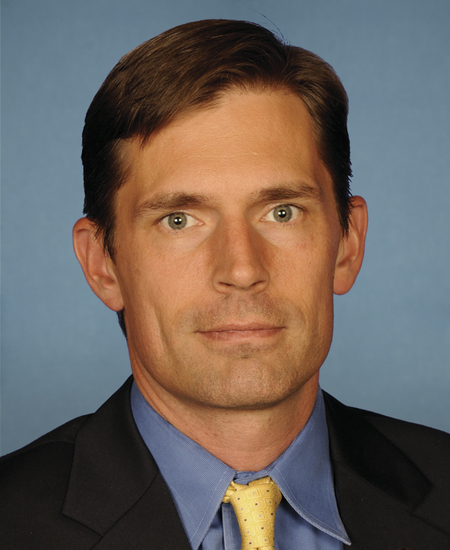
Martin Heinrich
75% support rate
Top opponent
Marsha Blackburn
26% support rate
Ranked legislators
10
5 support · 5 oppose
Key legislators

Who's moving energy in United States

Legislators moving energy in United States
Legislator Party Stance Support rate Votes
Martin Heinrich
Martin Heinrich Senate
D
Support
75% 194
John W. Hickenlooper
John W. Hickenlooper Senate
D
Support
74% 212
Brendan F. Boyle
Brendan F. Boyle House · District 2
D
Support
73% 253
Frederica S. Wilson
Frederica S. Wilson House · District 24
D
Support
73% 188
Jacky Rosen
Jacky Rosen Senate
D
Support
72% 213
Marsha Blackburn
Marsha Blackburn Senate
R
Oppose
26% 186
Ted Budd
Ted Budd Senate
R
Oppose
27% 198
Chip Roy
Chip Roy House · District 21
R
Oppose
27% 251
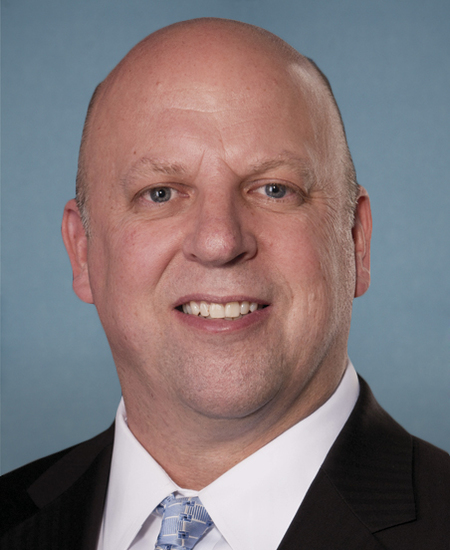
Scott DesJarlais
Scott DesJarlais House · District 4
R
Oppose
29% 256
Mike Johnson
Mike Johnson House · District 4
R
Oppose
29% 194
Showing 181–190 of 603 bills

All energy bills

in committee · United States · House Mar 20, 2026

HR 8020: American LNG First Act of 2026

This bill, the American LNG First Act of 2026, modifies U.S. maritime laws to allow foreign-owned vessels to transport liquefied natural gas (LNG) within U.S. waters, provided they meet specific ownership and crew restrictions. It directly affects ship operators and the LNG industry by creating an exemption from coastwise laws that typically require vessels transporting domestic goods to be U.S.-built and U.S.-flagged. The key provision excludes vessels owned or crewed by Russian or Chinese nationals, as well as those flagged to Russia or China, from this exemption. By allowing eligible foreign vessels to carry LNG while maintaining restrictions on Russian and Chinese entities, the bill aims to increase supply options without opening access to competitors from sanctioned countries.
in committee · United States · House Apr 9, 2026

HR 8241: Power for the People Act of 2026

The Power for the People Act of 2026 requires the Federal Energy Regulatory Commission to create a special approval process for data centers, which are defined as facilities using more than 50 megawatts of electricity. Under this system, data centers must offset their energy consumption by bringing their own clean power sources to the grid or agreeing to flexible power usage that can be reduced when needed. The bill also directs states to establish separate electricity rates for data centers so these facilities pay their full share of grid upgrade costs rather than spreading those expenses across all customers. Additionally, the legislation mandates that data center construction use prevailing wages and registered apprenticeship programs, while requiring greater transparency in how data center energy demands are forecasted and approved.
in committee · United States · House Apr 20, 2026

HR 8219: BLOCK PUTIN Act

This bill targets Hungarian officials who continue to facilitate Russian oil and gas imports or block financial aid to Ukraine, imposing sanctions on those individuals. The key mechanism requires the President to ban property transactions and revoke U.S. visas for Hungarian government officials who obstruct Ukraine assistance or approve Russian energy imports after the law is enacted. Sanctions can be waived if Hungary adopts a public plan to end Russian energy dependence by 2028 and stops blocking Ukraine aid for at least 180 days. Additionally, the bill mandates a report from Treasury and State officials detailing any U.S. licenses or approvals that enabled Hungary to purchase Russian oil and gas.
Sub-Topics Oil & Gas
in committee · United States · House Apr 6, 2026

HR 8204: Western Refined Fuel Reserve Act of 2026

This bill establishes a new Refined Fuel Storage Reserve in eight Western States to store gasoline, diesel, and jet fuel as part of the national Strategic Petroleum Reserve. The Energy Department must identify and select one storage location within six months of enactment, prioritizing areas dependent on imported fuel or likely to face shortages, and must fill the reserve to at least 75 percent capacity over five years using existing federal funding. The reserve can be used during emergencies or supply disruptions, and the Energy Secretary may partner with state and local governments to store non-federal fuel in the facility. The bill also requires annual reports to Congress on the reserve's establishment, operations, and future recommendations.
Sub-Topics Oil & Gas
in committee · United States · House Apr 13, 2026

HR 8248: Grid Expansion and Reliability Act

This bill, known as the Grid Expansion and Reliability Act, shifts authority over siting interstate electric transmission facilities from the Department of Energy to the Federal Energy Regulatory Commission. It allows companies to self-certify and begin building transmission lines in designated national interest corridors without waiting for a full permit, provided they submit specific information about their identity, project details, and timeline. The Federal Energy Regulatory Commission must create regulations for this process within a year, conduct annual audits of certifications, and report to Congress on how well the system works. These changes aim to streamline the approval process for new power grid infrastructure while maintaining oversight through reporting and auditing requirements.
in committee · United States · Senate Mar 25, 2026

S 4213: Data Center Water and Energy Transparency Act of 2026

This bill requires data centers with a peak demand of at least 25 megawatts to submit annual reports on their energy and water consumption to state agencies or federal officials if states lack such programs. The reports must include monthly usage data, efficiency metrics, and five-year projections for future energy and water use, along with plans for improving efficiency. States can charge fees to cover data collection costs, and the federal government will publish annual aggregated reports on national data center impacts on energy and water resources.
Sub-Topics Data Privacy Tags Data Reporting
in committee · United States · House Mar 27, 2026

HR 8146: Rural Utilities Service Modernization Act

This bill creates a web-based platform for rural communities receiving federal assistance from the Rural Utilities Service to track their project status through permitting and review stages. It also establishes new grants to help eligible entities with pre-development planning and requires improvements to grant application timelines and online submission processes. The legislation authorizes funding for developing and maintaining the tracking platform, provides up to $15 million annually for planning grants, and mandates regular reports to Congress on program performance and efficiency.
Tags Rural Communities
in committee · United States · Senate Mar 23, 2026

S 4163: Advancing Regional Quantum Hubs Act of 2026

This bill amends the National Quantum Initiative Act to formally establish regional innovation initiatives focused on quantum information science and technology. It requires collaboration between federal agencies, including the Departments of Commerce and Energy, and the National Science Foundation to support quantum research, education, and industry development in specific geographic areas. The legislation aims to strengthen partnerships with universities, small businesses, and startups to address regional, national, and global challenges through quantum capabilities. By adding the Economic Development Administration to relevant subcommittees and creating new funding pathways, the bill seeks to expand quantum infrastructure and innovation capacity across the United States.
Sub-Topics Emerging Technology
in committee · United States · House Mar 24, 2026

HR 8069: Strategic Subsea Cables Act of 2026

The Strategic Subsea Cables Act of 2026 establishes a new interagency committee to coordinate federal efforts for protecting undersea cables and pipelines, which carry global data and energy supplies. The bill requires the State Department to hire additional staff focused on cable security and mandates regular reports on sabotage incidents, particularly those involving China and Russia. It authorizes the President to impose sanctions on foreign entities that sabotage or support sabotage of critical undersea infrastructure, including blocking their assets and revoking their visas. The legislation also creates formal procedures for sharing classified and unclassified information between government agencies and private cable operators to improve threat detection and response.
in committee · United States · House Apr 2, 2026

HR 8177: Critical Undersea Infrastructure Resilience Initiative Act

This bill establishes the Taiwan Critical Undersea Infrastructure Resilience Initiative to protect submarine cables and energy pipelines near Taiwan from sabotage, particularly by the People's Republic of China. It directs the State Department to create a program that includes advanced monitoring systems, rapid response protocols, enhanced maritime surveillance, and international cooperation to detect and mitigate threats to these critical communication and energy assets. The legislation authorizes $20 million annually through 2032 for these activities and mandates the hardening of undersea infrastructure to reduce vulnerability to damage. Additionally, the bill authorizes the President to impose sanctions on foreign entities that sabotage or facilitate attacks on undersea infrastructure critical to Taiwan or U.S. allies, and requires the creation of a Cross-Strait Contingency Planning Group to coordinate U.S. government responses to potential crises involving Taiwan.
Showing 181 to 190 of 603 bills
Previous 1 18 19 20 61 Next