Issue · Education

Education (Student Financial Aid)

Every education bill, vote, and legislator stance in United States, automatically classified by Maddy, our AI policy reader.

Total bills
30
119th Congress
Top supporter
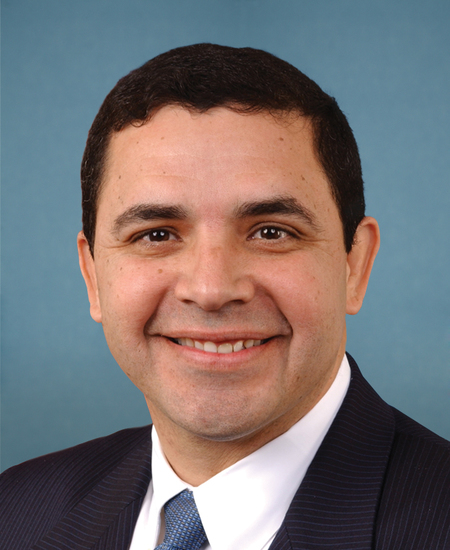
Henry Cuellar
100% support rate
Top opponent
Aaron Bean
33% support rate
Ranked legislators
10
5 support · 5 oppose
Key legislators

Who's moving student financial aid in United States

Legislators moving student financial aid in United States
Legislator Party Stance Support rate Votes
Henry Cuellar
Henry Cuellar House · District 28
D
Strong +
100% 3
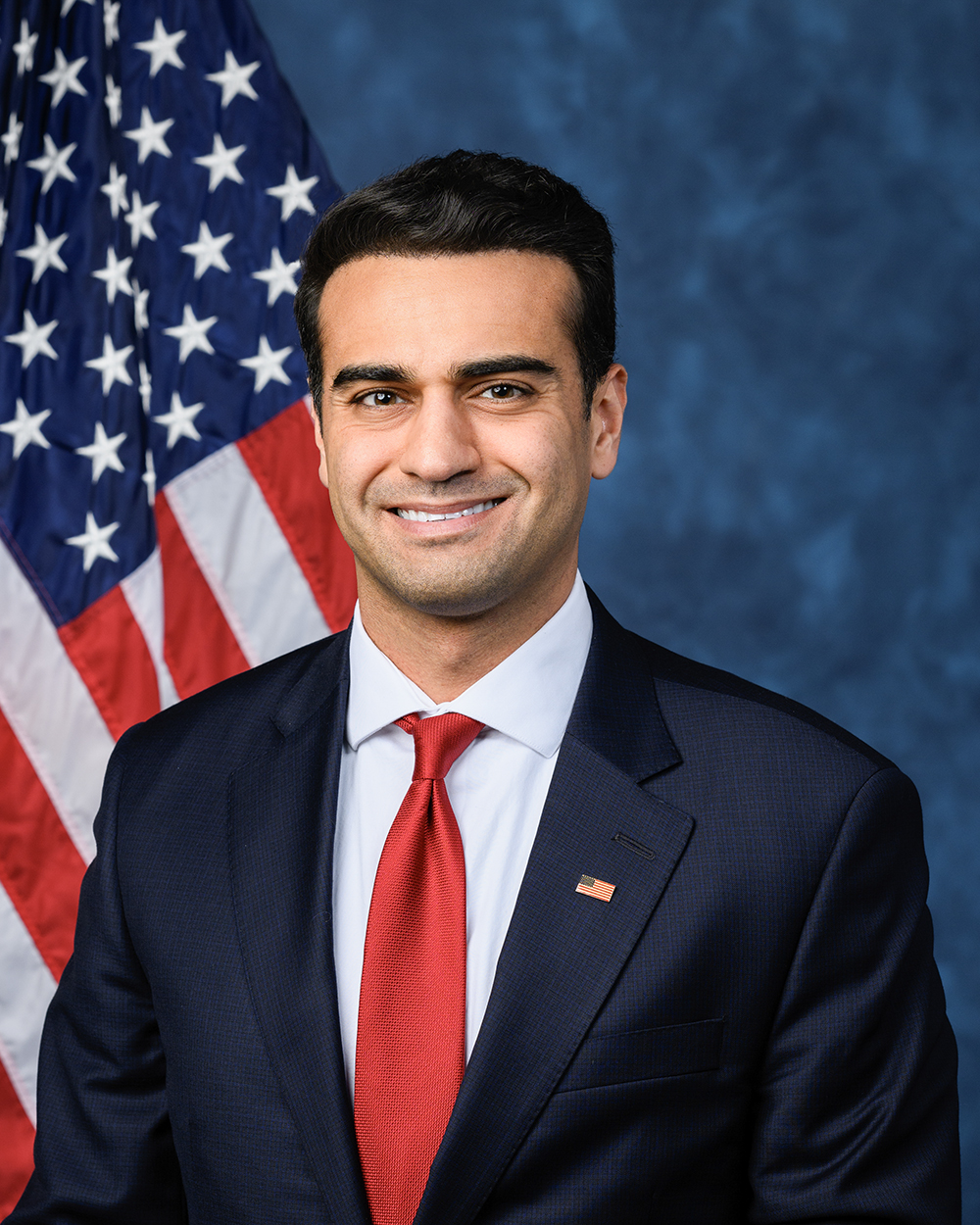
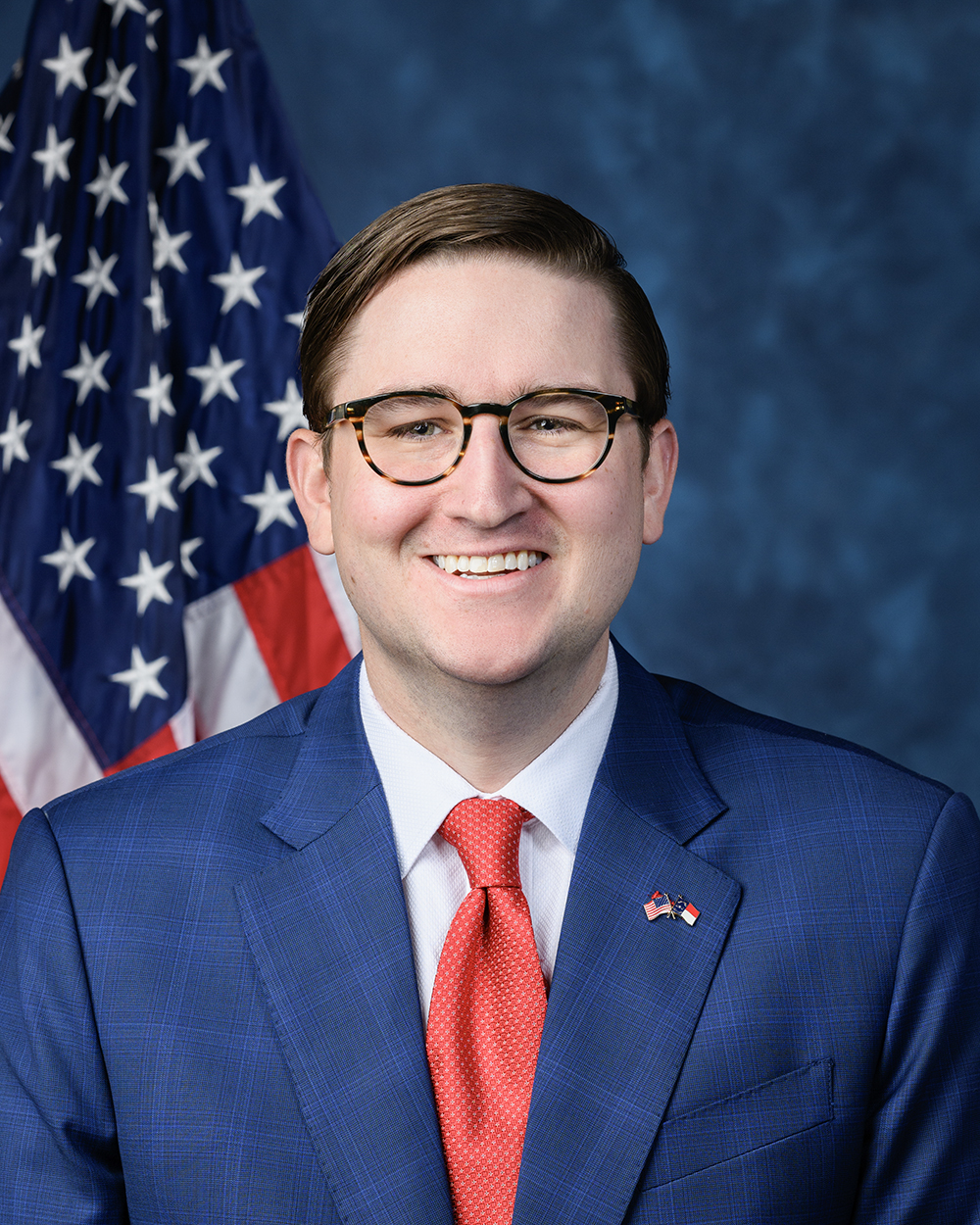
Abraham J. Hamadeh
Abraham J. Hamadeh House · District 8
R
Support
67% 3
Adam Gray
Adam Gray House · District 13
D
Support
67% 3
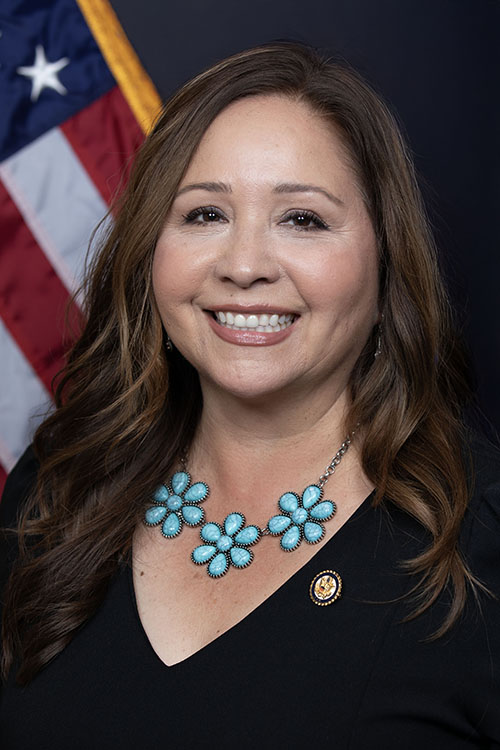
Adelita S. Grijalva
Adelita S. Grijalva House · District 7
D
Support
67% 3
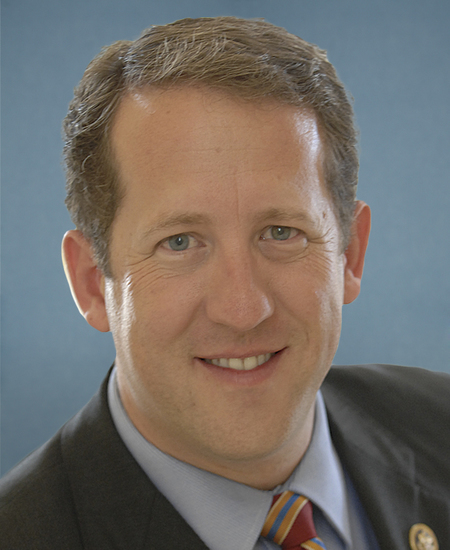
Adrian Smith
Adrian Smith House · District 3
R
Support
67% 3
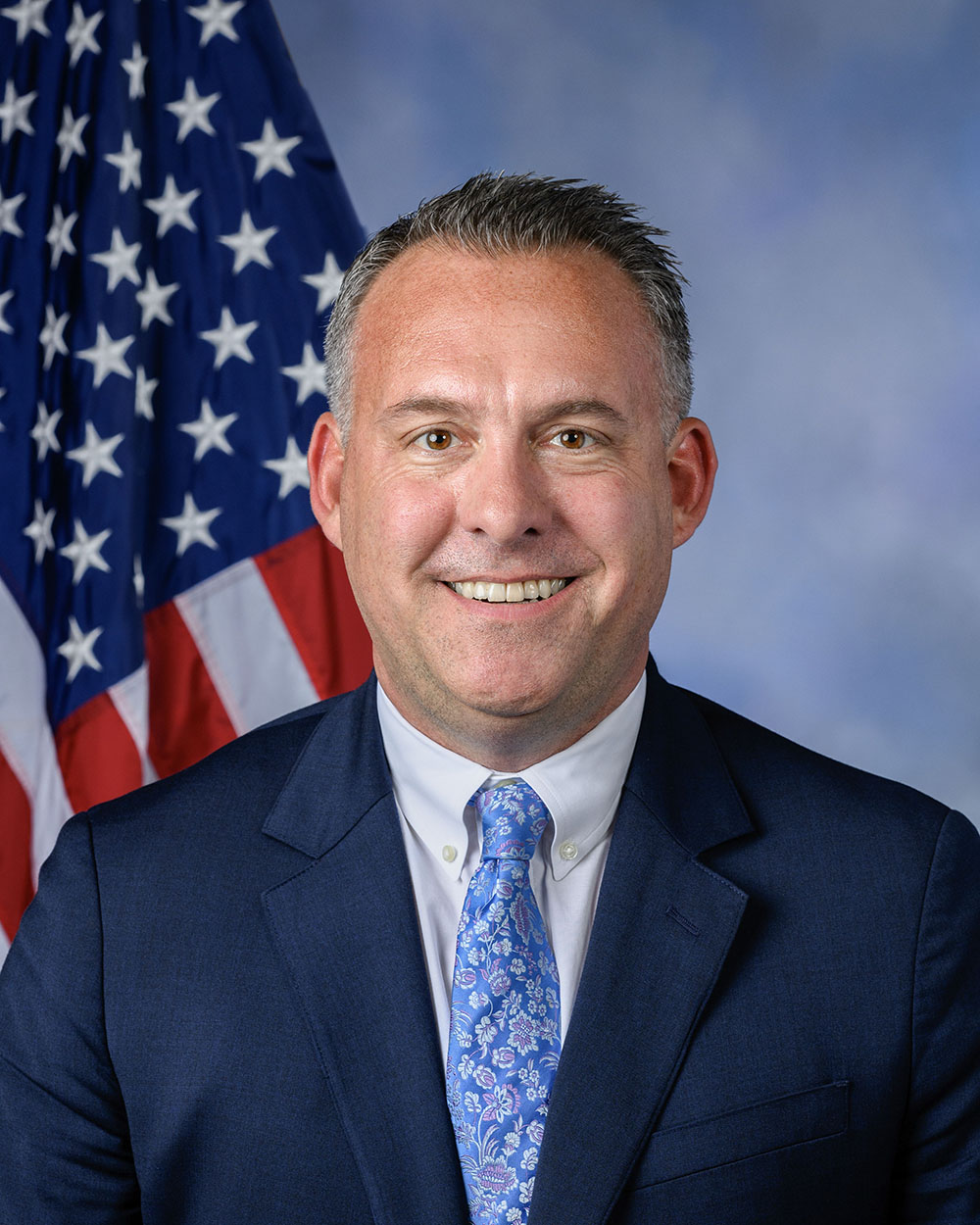
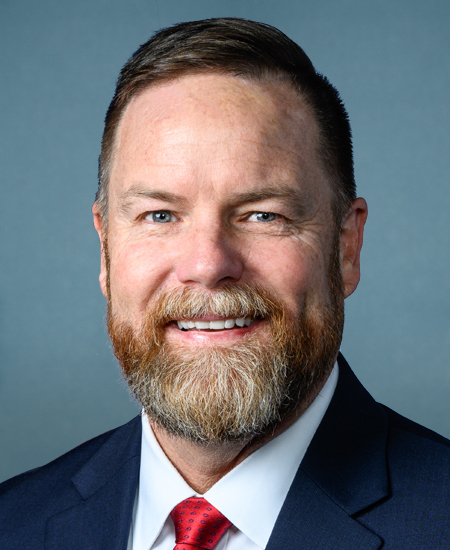
Aaron Bean
Aaron Bean House · District 4
R
Oppose
33% 3
Addison P. McDowell
Addison P. McDowell House · District 6
R
Oppose
33% 3
Andrew Ogles
Andrew Ogles House · District 5
R
Oppose
33% 3
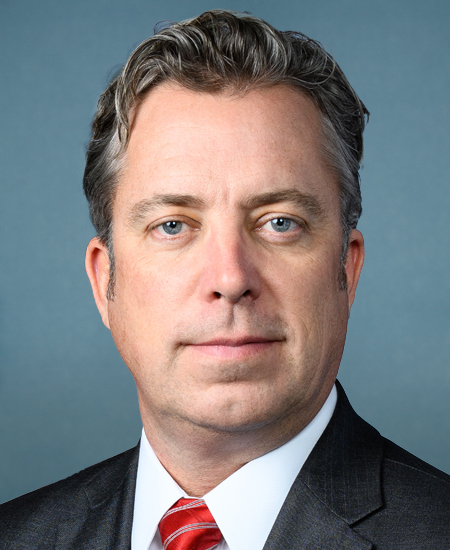
Andrew S. Clyde
Andrew S. Clyde House · District 9
R
Oppose
33% 3
Andy Biggs
Andy Biggs House · District 5
R
Oppose
33% 3
Showing 1–10 of 30 bills

All education bills

in committee · United States · House Sep 3, 2026

HR 10266: No Elite Athletes Using X-pro status to ensure Prioritizing Recruitment Of Student-athletes (NEAUX PROS) Act

The NEAUX PROS Act prohibits colleges that receive federal student aid from allowing individuals who hold active professional sports contracts to compete in intercollegiate athletics in the same sport. To enforce this rule, the bill conditions continued eligibility for Title IV federal funding on institutions ensuring they do not permit such dual participation, with violations subject to standard financial aid enforcement actions like suspension or termination of funds. The legislation also creates a new federal criminal offense for athletics officials who knowingly recruit or sign professional athletes, carrying penalties of up to five years in prison, or ten years if the act was done for financial gain or as part of a pattern. Individuals may avoid being classified as professional athletes by rescinding their contracts in writing before receiving any compensation or providing athletic services under those agreements.
in committee · United States · House Jun 11, 2026

HR 9289: Keep Public Funds in Public Schools Act of 2026

The Keep Public Funds in Public Schools Act of 2026 eliminates a federal tax credit that allowed parents to deduct contributions to scholarship granting organizations from their income. By removing these specific tax breaks, the bill prevents the use of public tax dollars to support private school vouchers and scholarship programs. This change directly affects families who currently rely on these tax incentives to fund education outside the public school system. The provisions take effect for taxable years beginning after December 31, 2026.
in committee · United States · Senate May 21, 2026

S 4629: Government Bailout Prevention Act

The Government Bailout Prevention Act prohibits the use of federal funds, Treasury resources, or Federal Reserve assistance to support state, local, or school district governments facing financial distress starting January 1, 2026. Specifically, the bill bars the government from purchasing or guaranteeing debt for entities that have filed for bankruptcy, defaulted on obligations, or are at risk of defaulting without such help. This restriction also covers debt restructuring activities but includes an exception for financial aid provided in response to declared disasters.
in committee · United States · House May 21, 2026

HJRES 189: Providing for congressional disapproval under chapter 8 of title 5, United States Code, of the rule submitted by the Department of Education relating to "Reimagining and Improving Student Education-Federal Student Loan Program Final Regulations".

This joint resolution seeks to officially reject a final rule issued by the Department of Education regarding federal student loan programs. If passed, the measure would prevent the new regulations from taking effect, leaving the previous rules in place. The bill directly impacts borrowers, lenders, and the Department of Education by nullifying the specific changes outlined in the "Reimagining and Improving Student Education" proposal. It is a procedural action that uses the Congressional Review Act to disapprove the agency's policy without altering the underlying law.
in committee · United States · Senate Apr 29, 2026

S 4428: No Aid for Ghost Students Act of 2026

The No Aid for Ghost Students Act of 2026 requires the Department of Education to use a new identity fraud detection system to review federal student aid applications starting October 1, 2026. If an application triggers a reasonable suspicion of identity fraud, the applicant will be notified and informed that their designated colleges must verify their identity before releasing any financial aid. To prevent payment, schools must confirm the applicant's identity through in-person meetings or live video calls unless the fraud suspicion is cleared. The Department of Education will also be required to report details about the system's design and its effectiveness to Congress annually.
in committee · United States · House May 12, 2026

HR 8759: Student Loan Reform Act

The Student Loan Reform Act requires colleges to act as guarantors for student loans starting in July 2026, meaning schools would become directly responsible for repaying the debt if a student fails to pay. Under this program, institutions that agree to cosign loans would see their default rate thresholds raised from 30 percent to 40 percent, providing them with more flexibility regarding student repayment performance. If a borrower defaults and the loan remains unpaid for 90 days, the school must begin a ten-year repayment plan for the outstanding balance, though they can stop this obligation if the debt is rehabilitated or fully paid. Additionally, loans with institutional cosigners would receive a lower interest rate determined by the Secretary of Education based on the reduced risk to the lender.
in committee · United States · Senate Apr 15, 2026

S 4297: Keep Public Funds in Public Schools Act

This bill, titled the "Keep Public Funds in Public Schools Act," repeals two sections of the Internal Revenue Code. It eliminates Section 25F, which provides a tax credit for contributions made to scholarship granting organizations. Additionally, the bill repeals Section 139K, which allows certain educational assistance to be excluded from an individual's gross income. These changes primarily affect taxpayers who currently claim these credits or exclusions, and organizations involved in scholarship grants or providing educational assistance. The amendments generally take effect for taxable years ending after December 31, 2026.
in committee · United States · Senate May 20, 2026

SJRES 182: A joint resolution providing for congressional disapproval under chapter 8 of title 5, United States Code, of the rule submitted by the Department of Education relating to "William D. Ford Federal Direct Loan (Direct Loan) Program".

This joint resolution seeks to reject a specific rule issued by the Department of Education concerning the William D. Ford Federal Direct Loan Program. If passed, it would nullify the rule and prevent it from taking effect, directly impacting federal student loan policies. The measure uses a congressional disapproval process under Title 5 of the United States Code to override the department's regulatory decision. It does not create new policies but instead stops an existing proposed regulation from being implemented.
in committee · United States · House Apr 9, 2026

HJRES 155: Providing for congressional disapproval under chapter 8 of title 5, United States Code, of the rule submitted by the Department of Education relating to "William D. Ford Federal Direct Loan (Direct Loan) Program".

This bill seeks to block a specific rule issued by the Department of Education that affects the William D. Ford Federal Direct Loan Program. If passed, it would prevent the rule from taking effect, meaning the proposed changes to federal student loans would not be implemented. The measure uses a legislative process known as a joint resolution of disapproval to override agency regulations. It directly impacts students, families, and institutions that rely on federal student loans by stopping the Department of Education from enforcing the new policy.
in committee · United States · House Mar 21, 2025

HR 2272: FAFSA Act of 2025

HR 2272, titled the "FAFSA Act of 2025" (though unrelated to the FAFSA application), would terminate federal student aid eligibility for individuals convicted of specific violent offenses. It directly affects students convicted of assault against police officers or certain riot-related crimes (like inciting violence or participating in riots), requiring them to repay any grants received under the Higher Education Act and converting those grants into unsubsidized loans. Key provisions include automatic loss of future aid, repayment of past grants as loans, and exclusion from all loan forgiveness or discharge programs. The bill takes effect for the first aid year after its enactment, impacting only those with convictions meeting its defined criteria.
Showing 1 to 10 of 30 bills
1 2 3 Next