

Issue · Education
Education
Every education bill, vote, and legislator stance in United States, automatically classified by Maddy, our AI policy reader.
Total bills
1,076
119th Congress
Top supporter
Raphael G. Warnock
100% support rate
Top opponent
Thomas Massie
12% support rate
Ranked legislators
10
5 support · 5 oppose
Key legislators
Who's moving education in United States
| Legislator | Party | Stance | Support rate | Decisive votes |
|---|---|---|---|---|
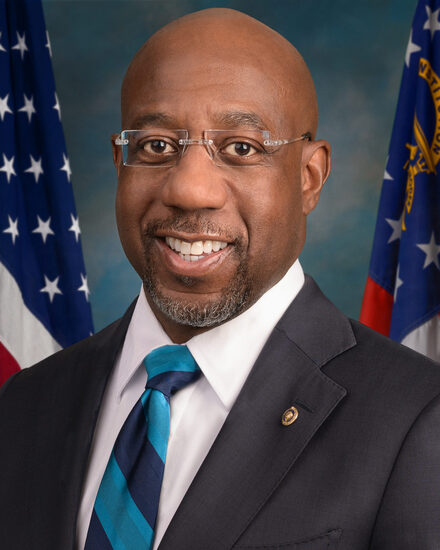
Raphael G. Warnock
Senate
|
D |
Strong +
|
100% | 6 |

Adam B. Schiff
Senate
|
D |
Strong +
|
86% | 7 |

Angela D. Alsobrooks
Senate
|
D |
Strong +
|
86% | 7 |
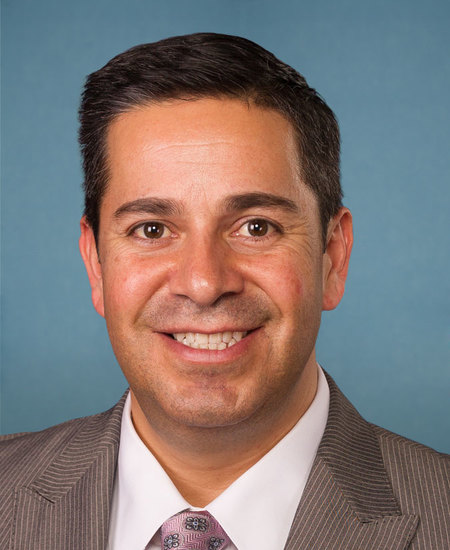
Ben Ray Luján
Senate
|
D |
Strong +
|
86% | 7 |
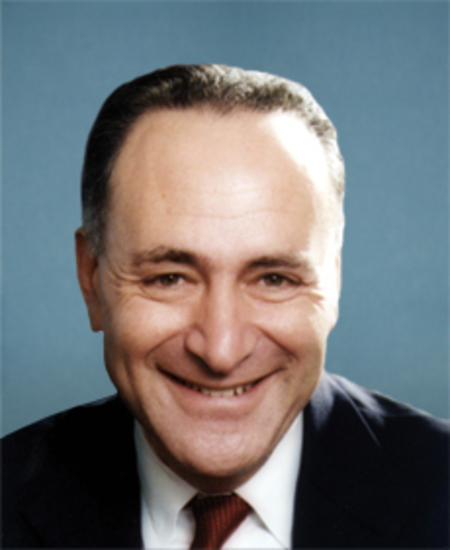
Charles E. Schumer
Senate
|
D |
Strong +
|
86% | 7 |
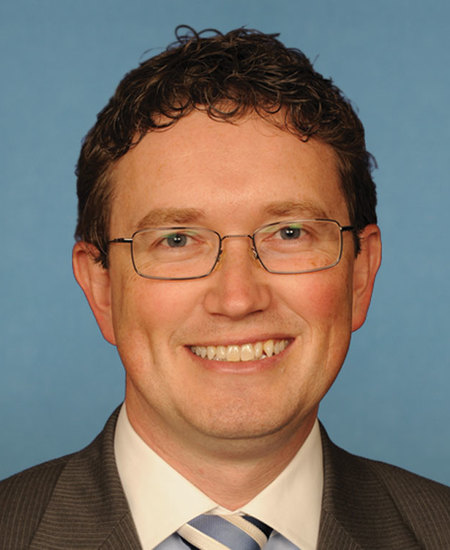
Thomas Massie
House · District 4
|
R |
Strong −
|
12% | 8 |
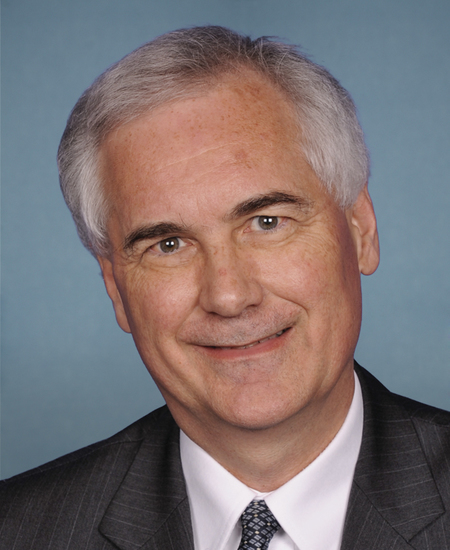
Tom McClintock
House · District 5
|
R |
Strong −
|
12% | 8 |
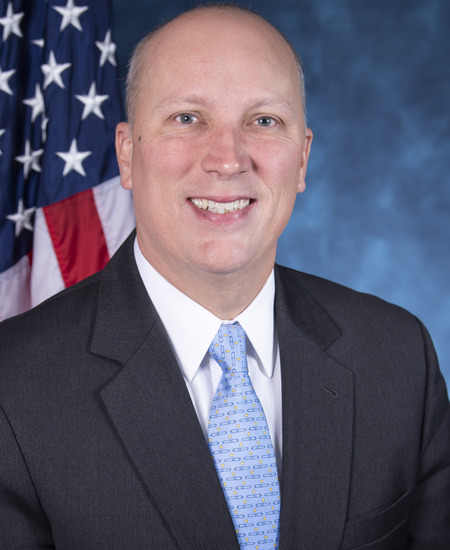
Chip Roy
House · District 21
|
R |
Strong −
|
14% | 7 |
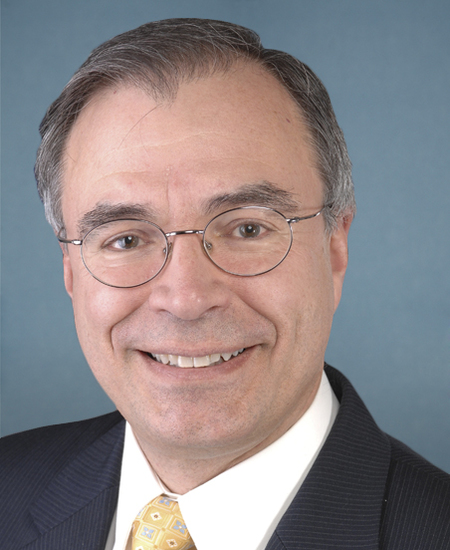
Andy Harris
House · District 1
|
R |
Strong −
|
20% | 10 |
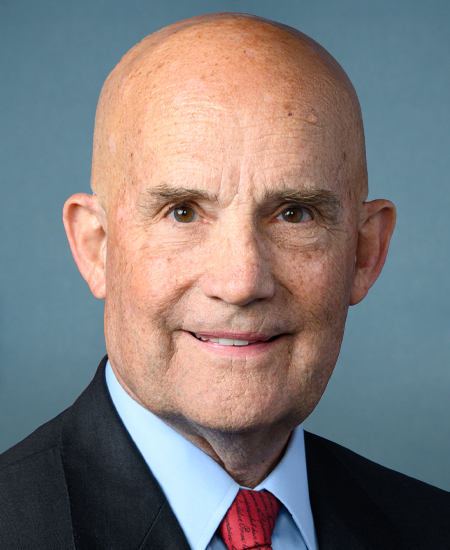
Keith Self
House · District 3
|
R |
Strong −
|
20% | 10 |
Showing 941–950 of 1,076
bills
All education bills
HR 3273: Child Care Workforce Development Act
Topics
✓ EducationSupports EducationProvides loan repayment for early childhood educators and grants for students in early childhood education programs, directly funding workforce development in education.
✓ Labor & EmploymentSupports Labor & EmploymentProvides loan repayment for childcare educators and grants for students, directly funding workforce development in labor sector per bill summary.
S 3277: Strengthening Loan Forgiveness for Public Service Workers Act
Topics
✓ EducationSupports EducationExpands loan forgiveness for public service workers (including educators), reducing debt burden and supporting workforce access to education careers.
✓ Labor & EmploymentSupports Labor & EmploymentExpands loan forgiveness benefits for public service workers, directly enhancing financial support for this labor group per the bill's purpose.
S 377: Students Helping Young Students Act of 2025
Topics
✓ EducationSupports EducationExpands Federal Work-Study to fund student-led after-school programs in K-12 schools, prioritizing low-income communities to increase educational access and support school programs.
✓ Labor & EmploymentSupports Labor & EmploymentExpands work-study funding to pay student workers in after-school programs, directly supporting student employment opportunities through federal compensation coverage.
HR 3308: RETAIN Act
Topics
✓ Budget & TaxesSupports Budget & TaxesProvides refundable tax credit ($5,800-$11,600) to educators/mental health workers in high-need schools, offering tax relief to middle-income public service workers while funding retention programs.
✓ EducationSupports EducationProvides refundable tax credits ($5,800-$11,600) for educators in high-need schools to address low pay and retention challenges, directly supporting teachers and schools serving high-poverty communities.
✓ HealthcareSupports HealthcareDirectly provides tax credits to mental health providers in high-need schools, improving retention and access to mental health services per bill's explicit focus on mental health providers.
✓ Labor & EmploymentSupports Labor & EmploymentProvides refundable tax credit ($5,800-$11,600 annually) to address low pay and retention for educators in high-need schools, directly strengthening wages and workforce stability.
HR 2577: PLAN for School Safety Act of 2025
Topics
✓ EducationSupports EducationBill allocates $25M annually for school safety centers to develop evidence-based safety/mental health plans, targeting underserved schools, advancing educational safety infrastructure.
✓ HealthcareSupports HealthcareFunds mental health plans for schools via $25M grants, directly supporting mental health services as part of school safety programs.
HR 817: To amend the Internal Revenue Code of 1986 to allow a credit against tax for charitable donations to nonprofit organizations providing education scholarships to qualified elementary and secondary students.
Topics
✓ Budget & TaxesSupports Budget & TaxesCreates tax credit for education donations (10% AGI cap), providing tax relief while funding scholarship programs through charitable contributions, aligning with fiscal support for public education.
✓ EducationSupports EducationCreates tax credit for K-12 education scholarships, expanding access for low-income students through charitable donations.
S 3777: Rebuild America’s Schools Act of 2026
Topics
✓ Budget & TaxesSupports Budget & TaxesBill allocates $20 billion annually for public school facility improvements, increasing government spending on public education infrastructure. This directly funds a public service, aligning with 'support' for Budget & Taxes.
✓ EducationSupports EducationProvides $20B/year for public school facility improvements, prioritizes underfunded schools with high free/reduced lunch eligibility, directly funds infrastructure upgrades in education.
S 1130: Mining Schools Act of 2025
Topics
✓ EducationSupports EducationCreates DOE grants to fund mining engineering programs at colleges, directly increasing higher education funding for specialized curriculum and training.
✓ EnergySupports EnergyFunds mining education for critical minerals essential to renewable energy supply chains, directly supporting clean energy infrastructure development.
✓ EnvironmentSupports EnvironmentBill explicitly includes environmental reclamation as a training focus, supporting environmental restoration in mining operations.
HR 7157: Supporting Teachers Through Tax Fairness Act
Topics
✓ Budget & TaxesSupports Budget & TaxesProvides tax exclusion for teachers (middle/lower income), reducing taxable income and aligning with tax fairness for public education funding.
✓ EducationSupports EducationProvides direct tax relief for K-12 teachers, including higher exclusions for high-need areas/subjects, strengthening educator compensation and retention.
✓ Labor & EmploymentSupports Labor & EmploymentProvides tax exclusion increasing take-home pay for teachers, directly supporting wages and compensation within labor/employment framework.