

Issue · Education
Education (Early Childhood)
Every education bill, vote, and legislator stance in United States, automatically classified by Maddy, our AI policy reader.
Total bills
74
119th Congress
Top supporter
Adam B. Schiff
100% support rate
Top opponent
Alex Padilla
25% support rate
Ranked legislators
10
5 support · 5 oppose
Key legislators
Who's moving early childhood in United States
| Legislator | Party | Stance | Support rate | Decisive votes |
|---|---|---|---|---|

Adam B. Schiff
Senate
|
D |
Strong +
|
100% | 4 |

Amy Klobuchar
Senate
|
D |
Strong +
|
100% | 4 |
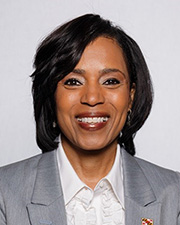
Angela D. Alsobrooks
Senate
|
D |
Strong +
|
100% | 4 |
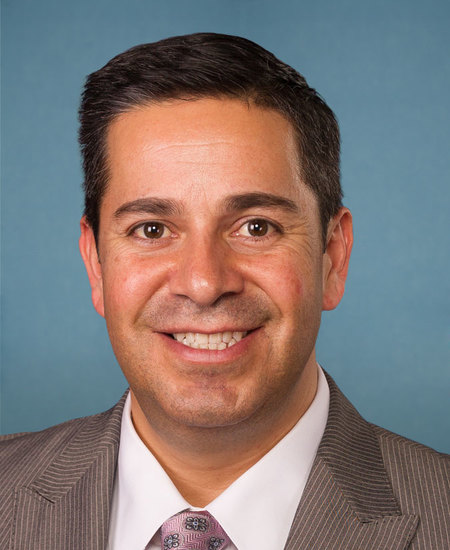
Ben Ray Luján
Senate
|
D |
Strong +
|
100% | 4 |

Bill Cassidy
Senate
|
R |
Strong +
|
100% | 4 |

Alex Padilla
Senate
|
D |
Oppose
|
25% | 4 |
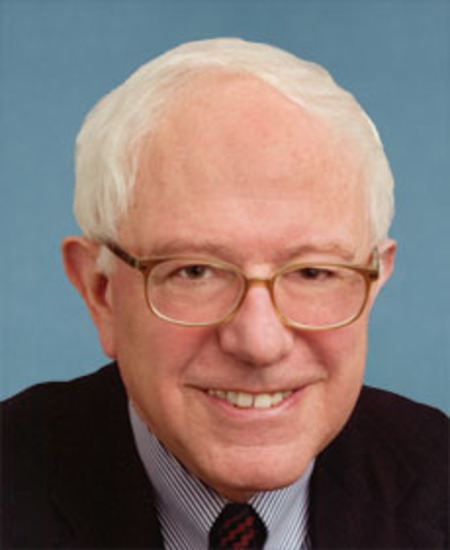
Bernard Sanders
Senate
|
I |
Oppose
|
25% | 4 |
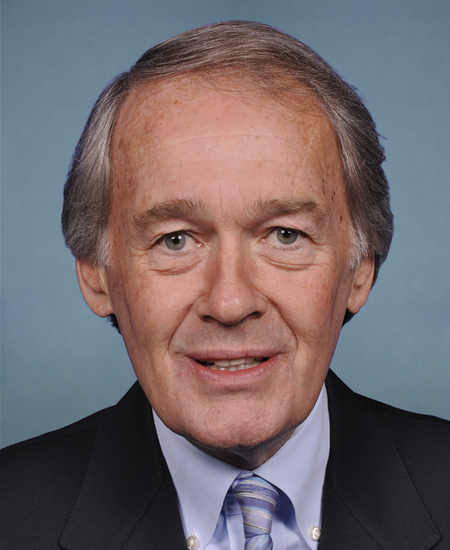
Edward J. Markey
Senate
|
D |
Oppose
|
25% | 4 |
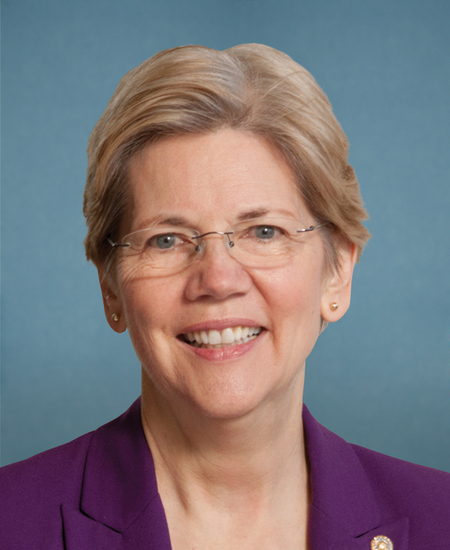
Elizabeth Warren
Senate
|
D |
Oppose
|
25% | 4 |

Jon Ossoff
Senate
|
D |
Oppose
|
25% | 4 |
Showing 61–70 of 74
bills
All education bills
S 2819: Head Start for America's Children Act
Topics
✓ Budget & TaxesSupports Budget & TaxesAuthorizes $144.872B for Head Start programs, creating new funding streams for public services like mental health and facility improvements, directly increasing government spending on essential services.
✓ EducationSupports EducationBill authorizes $144.872B for Head Start, expands eligibility for underserved children, and creates new funding for facility improvements, transportation, and mental health services, directly advancing educational access and quality.
✓ HealthcareSupports HealthcareExplicitly allocates funding for mental health services within Head Start, a public health program, directly advancing healthcare access for children.
HR 5123: Indoor Air Quality and Healthy Schools Act of 2025
Topics
✓ EducationSupports EducationRequires EPA guidelines for school air quality, improving physical learning environments and safety, directly supporting school infrastructure as per education policy indicators.
✓ EnvironmentSupports EnvironmentMandates EPA guidelines to reduce indoor air pollutants (radon, formaldehyde) in schools, directly advancing pollution control and environmental protection in public spaces.
✓ HealthcareSupports HealthcareMandates EPA guidelines for indoor air quality in schools, directly reducing health risks from contaminants like radon and formaldehyde, aligning with public health protection indicators.
✓ Labor & EmploymentSupports Labor & EmploymentMandates EPA guidelines to reduce workplace contaminants in schools/childcare facilities, directly improving worker safety in employment settings.
HR 5334: Lindsey O. Graham Sanctioning Russia and Iran Act of 2026
Topics
✓ Budget & TaxesSupports Budget & TaxesExpands tax deduction for early childhood educators, providing tax relief for lower/middle-income educators under IRS code, aligning with support indicators for tax relief.
✓ EducationSupports EducationExpands tax deduction for early childhood educators' work expenses, directly supporting teachers by reducing out-of-pocket costs for supplies and professional development.
✓ Labor & EmploymentSupports Labor & EmploymentBill expands tax deductions for early childhood educators, supporting worker benefits and financial relief for educators.
S 2791: SEED Act
Topics
✓ Budget & TaxesSupports Budget & TaxesExpands tax deductions for educators (including early childhood teachers), providing tax relief per IRS code modification. Directly advances tax policy benefiting middle-income educators.
✓ EducationSupports EducationExpands tax deductions for educators including early childhood teachers, directly supporting educators by reducing work-related expense burdens.
✓ Labor & EmploymentSupports Labor & EmploymentBill expands tax deductions for early childhood educators, providing financial benefits that support workers' economic well-being and professional compensation.
HR 728: Expanding Head Start Eligibility Act of 2025
Sub-Topics
Early Childhood
HR 6419: New Essential Education Discoveries Act of 2025
Topics
✓ Budget & TaxesSupports Budget & TaxesAuthorizes $500M annual funding for education research center, advancing public education spending as a core budget priority.
✓ EducationSupports EducationBill authorizes $500M annually for a National Center focused on advancing teaching research, addressing achievement gaps, and promoting innovative methods across all education levels, directly funding and strengthening education.
✓ TechnologySupports TechnologyAuthorizes $500M annually for research on technology in education to advance teaching methods and address achievement gaps through tech-focused initiatives.
Sub-Topics
Early Childhood
HR 3273: Child Care Workforce Development Act
Topics
✓ EducationSupports EducationProvides loan repayment for early childhood educators and grants for students in early childhood education programs, directly funding workforce development in education.
✓ Labor & EmploymentSupports Labor & EmploymentProvides loan repayment for childcare educators and grants for students, directly funding workforce development in labor sector per bill summary.
HR 3308: RETAIN Act
Topics
✓ Budget & TaxesSupports Budget & TaxesProvides refundable tax credit ($5,800-$11,600) to educators/mental health workers in high-need schools, offering tax relief to middle-income public service workers while funding retention programs.
✓ EducationSupports EducationProvides refundable tax credits ($5,800-$11,600) for educators in high-need schools to address low pay and retention challenges, directly supporting teachers and schools serving high-poverty communities.
✓ HealthcareSupports HealthcareDirectly provides tax credits to mental health providers in high-need schools, improving retention and access to mental health services per bill's explicit focus on mental health providers.
✓ Labor & EmploymentSupports Labor & EmploymentProvides refundable tax credit ($5,800-$11,600 annually) to address low pay and retention for educators in high-need schools, directly strengthening wages and workforce stability.
HR 1331: Teacher and School Leader Quality Partnership Grants Act
Topics
✓ Budget & TaxesSupports Budget & TaxesCreates federal grant program funding teacher preparation in high-need schools, increasing public education spending as a core budget allocation.
✓ EducationSupports EducationFederal grants fund teacher residency programs and professional development in high-need schools, directly supporting educator quality and access.