Issue · Education

Education (Early Childhood)

Every education bill, vote, and legislator stance in United States, automatically classified by Maddy, our AI policy reader.

Total bills
69
119th Congress
Top supporter
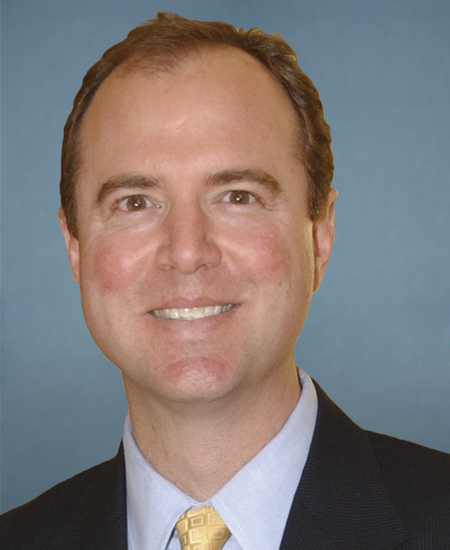
Adam B. Schiff
100% support rate
Top opponent
Alex Padilla
25% support rate
Ranked legislators
10
5 support · 5 oppose
Key legislators

Who's moving early childhood in United States

Legislators moving early childhood in United States
Legislator Party Stance Support rate Votes
Adam B. Schiff
Adam B. Schiff Senate
D
Strong +
100% 4
Amy Klobuchar
Amy Klobuchar Senate
D
Strong +
100% 4
Angela D. Alsobrooks
Angela D. Alsobrooks Senate
D
Strong +
100% 4
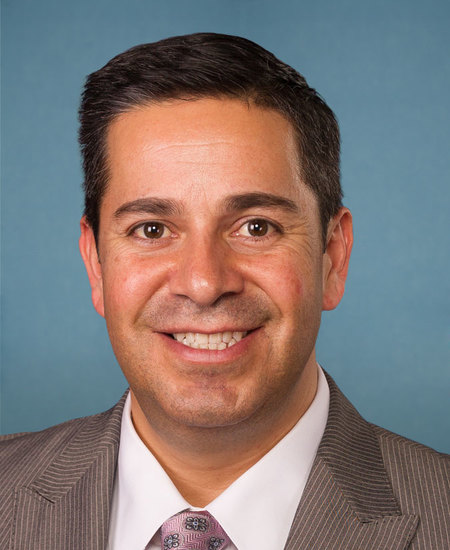
Ben Ray Luján
Ben Ray Luján Senate
D
Strong +
100% 4
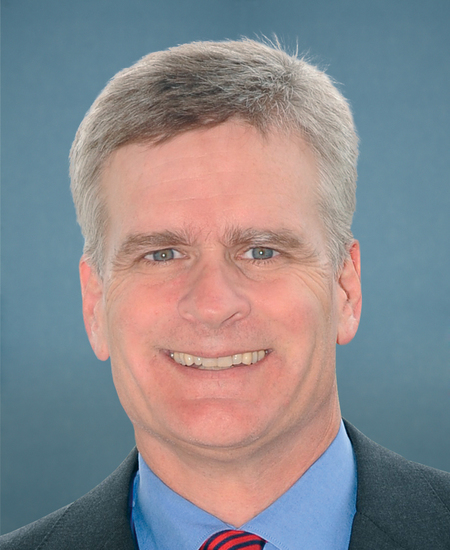
Bill Cassidy
Bill Cassidy Senate
R
Strong +
100% 4
Alex Padilla
Alex Padilla Senate
D
Oppose
25% 4
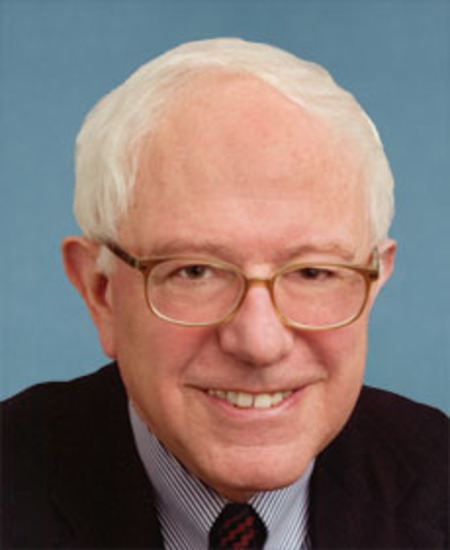
Bernard Sanders
Bernard Sanders Senate
I
Oppose
25% 4
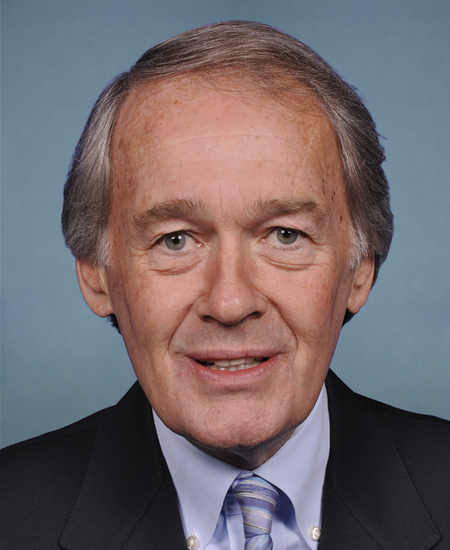
Edward J. Markey
Edward J. Markey Senate
D
Oppose
25% 4
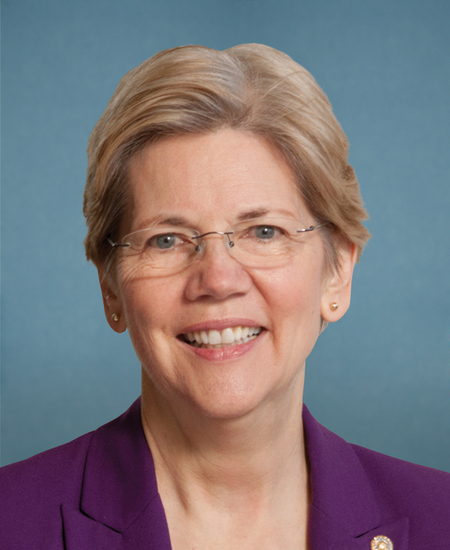
Elizabeth Warren
Elizabeth Warren Senate
D
Oppose
25% 4
Jon Ossoff
Jon Ossoff Senate
D
Oppose
25% 4
Showing 51–60 of 69 bills

All education bills

in committee · United States · Senate Sep 30, 2025

S 2939: Child Care for Every Community Act

The Child Care for Every Community Act establishes a national program to provide universal, high-quality child care and early learning services for all children not yet required to attend school, regardless of family income. The bill creates a system where designated "prime sponsors" (such as states, localities, or nonprofits) must provide comprehensive services including health, educational, nutritional, and social support with full-day (10+ hours) and year-round care. It requires fees to be based on family income (capping at 7% of income), ensures no family is denied services due to inability to pay, and mandates specific quality standards for programs and staff qualifications. The bill also includes special provisions for children with disabilities, dual language learners, homeless children, and children from Native American communities, with the federal government covering 90% of costs (100% for specific groups) while requiring states to maintain their own funding levels for child care programs.
Sub-Topics Early Childhood
in committee · United States · House Jul 17, 2025

HR 4507: TUTOR Act

The TUTOR Act creates a federal tax credit for certified K-12 teachers who provide academic tutoring outside school hours. Teachers qualify if they work at a preschool, elementary, or secondary school (meeting state certification), provide at least 150 hours of tutoring in math, reading, writing, or science during non-school time, and meet other defined criteria. The credit starts at $500, with a supplemental amount (capped at $500) based on hours exceeding 150, calculated as a ratio of excess hours to 50. The credit expires after 2032, and the Treasury must annually report on credit claims and tutoring hours to Congress.
in committee · United States · Senate Apr 10, 2025

S 1447: Early Childhood Nutrition Improvement Act

The Early Childhood Nutrition Improvement Act (S 1447) amends the National School Lunch Act to improve nutrition programs for young children in childcare settings. It directly affects childcare centers, family/group day care homes, and sponsoring organizations participating in federal meal programs by: (1) revising eligibility criteria to require specific staffing and bonding standards; (2) mandating a federal review of "serious deficiency" processes to clarify error margins and ensure fair appeals; (3) adjusting meal reimbursement limits and requiring a study on third-meal benefits; and (4) establishing an advisory committee to reduce paperwork burdens through digital solutions and streamlined recordkeeping. The bill focuses on modernizing program administration while maintaining accountability.
in committee · United States · House Dec 11, 2025

HR 6634: To amend the Internal Revenue Code of 1986 to establish a refundable childhood education tax credit with monthly advance payments.

HR 6634 would establish a refundable tax credit providing $667 per month for each child aged 2-4 who receives early childhood education and lives with the taxpayer. The credit would be reduced for households earning above 300% of the poverty line, with monthly advance payments made directly to eligible families rather than as a yearly tax refund. To qualify, children must be enrolled in an early childhood education program (including licensed private prekindergarten), receive care from the taxpayer, and meet specific residency requirements. The bill includes provisions to prevent fraud, coordinate with other government programs, and adjust payments for inflation starting in 2026, with the credit applying to taxable years beginning after December 31, 2025.
in committee · United States · House Feb 25, 2026

HR 7689: Earl N. Williams, Sr., First Chance Act

This bill amends the Higher Education Act to create "basic and emergency supplemental living assistance grants" for first-year undergraduate students participating in their institution's student support services program. Basic grants cover anticipated expenses (like tuition or housing) for completing their first academic year, while emergency grants address unexpected costs (such as childcare, transportation, or personal needs) that could disrupt their studies. Grants are capped at $500 for the 2027-2028 academic year, with future limits adjusted annually using the Consumer Price Index. Institutions must allocate these funds without reducing existing non-Federal support and may use up to 2% of allocated program funds for these grants.
in committee · United States · Senate Jun 25, 2025

S 2166: Head Start for Our Future Act

This bill amends the Higher Education Act to allow Head Start and Early Head Start programs to hire college students through federal work-study programs. It directly affects Head Start/EHS agencies and college students participating in work-study. Key provisions require agencies to ensure student employees comply with program standards, prohibit students from being left alone with children (requiring regular staff supervision), and clarify that student workers do not count toward staff-to-child ratios. The changes integrate student employment into existing early childhood programs without altering funding or eligibility.
in committee · United States · Senate Sep 16, 2025

S 2819: Head Start for America's Children Act

The Head Start for America's Children Act authorizes $144.872 billion for Head Start in fiscal year 2026 with annual inflation adjustments, creating new funding streams for facility improvements, transportation, workforce development, and mental health services. It updates eligibility criteria to include children developing English proficiency and children with disabilities, while adding specific requirements for Native American and Native Hawaiian Head Start programs, including culturally responsive curricula and language preservation. The bill mandates that most Head Start agencies provide center-based services for at least 1,380 hours annually (with exemptions for Native American and migrant programs), and improves staff compensation standards to ensure parity with public school educators. These changes directly affect Head Start programs serving children from birth through age 5, particularly in underserved communities and Native American and Native Hawaiian populations.
in committee · United States · House Sep 3, 2025

HR 5123: Indoor Air Quality and Healthy Schools Act of 2025

This bill requires the EPA to establish guidelines for indoor air contaminants like radon, formaldehyde, and carbon monoxide that affect schools and childcare facilities. It mandates a national assessment of indoor air quality in these buildings, with updates every five years, and provides technical assistance to schools and childcare providers to implement air quality improvements. The EPA must publish science-based guidelines with recommended concentration limits for key contaminants and support voluntary building certifications for healthier indoor environments. These provisions directly impact local schools, childcare centers, and state/local governments responsible for building maintenance and health standards.
passed both · United States · House Aug 10, 2026

HR 5334: Lindsey O. Graham Sanctioning Russia and Iran Act of 2026

HR 5334, the SEED Act of 2025, expands the existing educator expense deduction under federal tax law to explicitly include early childhood educators. It revises the Internal Revenue Code to cover expenses for "early childhood educators" and broadens the educational levels affected to include "pre-kindergarten through grade 12." This change allows early childhood educators (such as preschool teachers) to deduct work-related expenses like classroom supplies and professional development costs, which they previously could not claim under the existing deduction for "kindergarten through grade 12" teachers. The amendment applies to expenses incurred in taxable years beginning after December 31, 2024.
in committee · United States · Senate Sep 11, 2025

S 2791: SEED Act

The SEED Act expands tax deductions for educators by including early childhood educators (such as preschool teachers) in the existing educator expense deduction. It modifies Section 62 of the Internal Revenue Code to replace "elementary and secondary" with "early childhood, elementary, and secondary" in the deduction's description and to explicitly add "early childhood" educators to the eligibility criteria. This change allows early childhood educators to deduct work-related expenses like classroom supplies on their federal tax returns, similar to K-12 teachers. The updated provisions apply to expenses incurred in taxable years beginning after December 31, 2025.
Showing 51 to 60 of 69 bills
Previous 1 5 6 7 Next