Issue · Education

Education

Every education bill, vote, and legislator stance in United States, automatically classified by Maddy, our AI policy reader.

Total bills
1,194
119th Congress
Top supporter
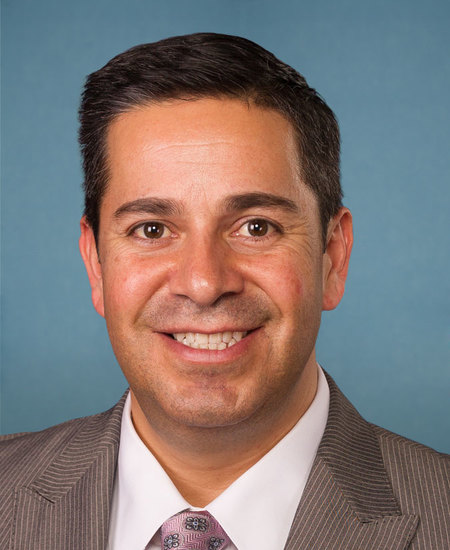
Ben Ray Luján
90% support rate
Top opponent
Thomas Massie
12% support rate
Ranked legislators
10
5 support · 5 oppose
Key legislators

Who's moving education in United States

Legislators moving education in United States
Legislator Party Stance Support rate Decisive votes
Ben Ray Luján
Ben Ray Luján Senate
D
Strong +
90% 10
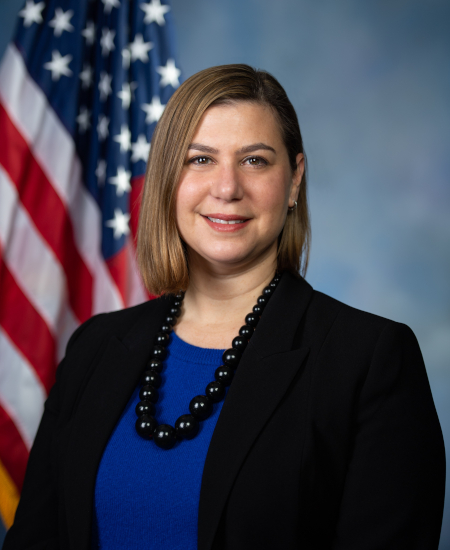
Elissa Slotkin
Elissa Slotkin Senate
D
Strong +
90% 10
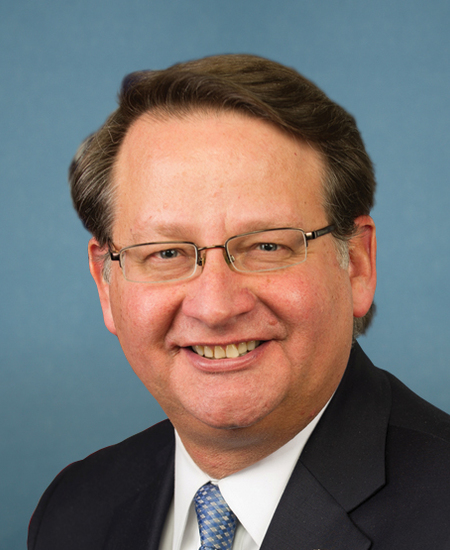
Gary C. Peters
Gary C. Peters Senate
D
Strong +
90% 10
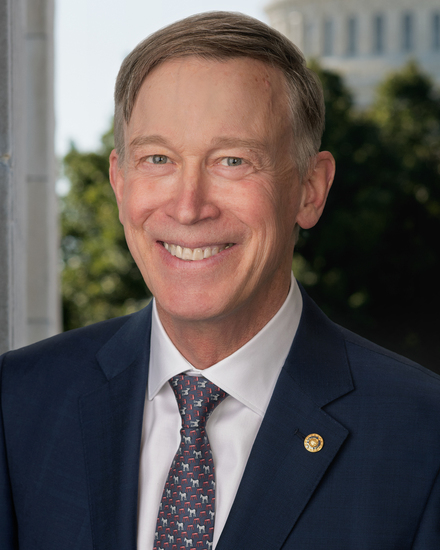
John W. Hickenlooper
John W. Hickenlooper Senate
D
Strong +
90% 10
Maria Cantwell
Maria Cantwell Senate
D
Strong +
90% 10
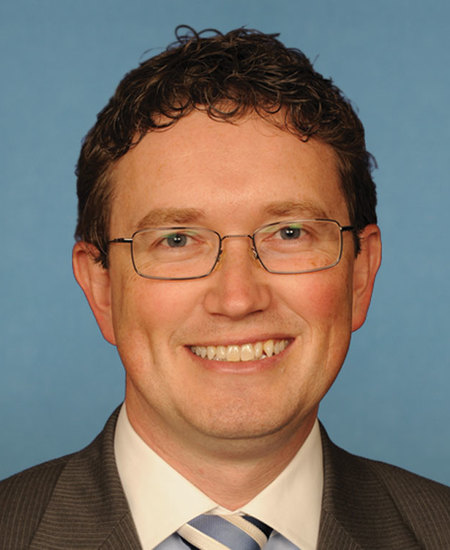
Thomas Massie
Thomas Massie House · District 4
R
Strong −
12% 8
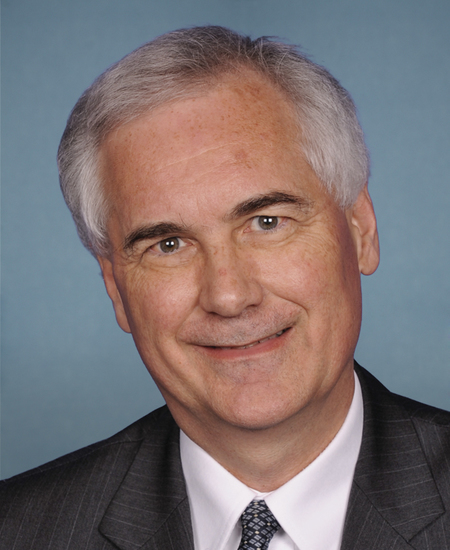
Tom McClintock
Tom McClintock House · District 5
R
Strong −
12% 8
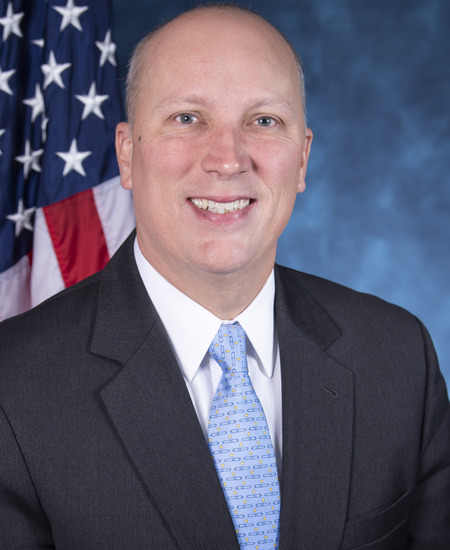
Chip Roy
Chip Roy House · District 21
R
Strong −
14% 7
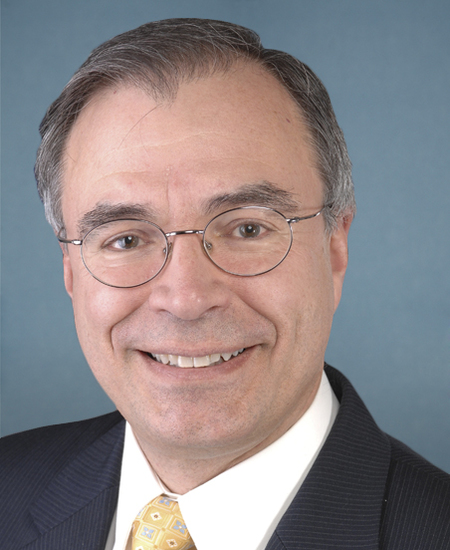
Andy Harris
Andy Harris House · District 1
R
Strong −
20% 10
Keith Self
Keith Self House · District 3
R
Strong −
20% 10
Showing 411–420 of 1,194 bills

All education bills

in committee · United States · House Feb 20, 2026

HR 7637: Head Start for America’s Children Act

The Head Start for America's Children Act amends the Head Start Act to enhance early childhood education services for low-income children, with specific provisions to improve culturally responsive programming for Native American and Native Hawaiian communities. It increases funding for Head Start programs, including $91.575 million for transportation, $37.5 million for workforce development, and $863 million for extended operations to provide full calendar year services. The bill updates definitions throughout the law to use more inclusive language, replacing "limited English proficient" with "children who are developing English proficiency," and establishes new requirements for staff compensation and benefits to improve recruitment and retention. Native American Head Start programs and migrant/seasonal programs are exempt from certain requirements, such as the full calendar year service requirement.
Sub-Topics Early Childhood
in committee · United States · House Mar 5, 2025

HR 1888: Nuclear Weapons Abolition and Conversion Act of 2025

This bill would redirect U.S. nuclear weapons funding to clean energy and social programs, but only after the President certifies all nuclear-armed nations have begun verifiable global elimination under the Treaty on the Prohibition of Nuclear Weapons. It requires converting nuclear weapons industry facilities and retraining workers for clean energy development. Funds would support climate initiatives, healthcare, housing, education, and environmental restoration. The bill's implementation is contingent on international progress toward nuclear disarmament, as it does not mandate immediate action.
in committee · United States · House Apr 29, 2025

HR 3054: RESEARCHER Act

The RESEARCHER Act (HR 3054) requires federal research agencies to develop policies addressing financial instability for graduate students and postdoctoral researchers at federally funded universities. It mandates the Office of Science and Technology Policy to create guidelines within six months covering stipend increases (including location-based indexing), healthcare access, housing, food security, and family care support. The bill also adds new data collection requirements to track stipends and financial challenges by demographics, and directs the National Academies to study these issues with a report due within two years. Federal agencies must implement these guidelines within six months and report progress annually to Congress.
in committee · United States · House Sep 16, 2026

HR 2805: PLAN for Broadband Act

HR 2805, the PLAN for Broadband Act, requires the federal government to create a National Strategy to Close the Digital Divide within one year of enactment. This strategy must coordinate all federal broadband programs, streamline permitting for infrastructure installation on federal property, and reduce administrative burdens for state, local, and Tribal governments participating in these programs. The bill mandates a follow-up Implementation Plan within 120 days, including accountability measures, common data standards for funding, and regular congressional briefings. The strategy and plan aim to reduce program duplication, improve efficiency, and address gaps in broadband access, particularly for underserved communities and Tribal lands, with oversight from the Government Accountability Office.
Sub-Topics Broadband Access Digital Government Telecommunications Tags Rural Communities
passed · United States · House Jun 4, 2025

HR 1642: Connecting Small Businesses with Career and Technical Education Graduates Act of 2025

HR 1642, the Connecting Small Businesses with Career and Technical Education Graduates Act of 2025, requires Small Business Development Centers (SBDCs) and Women’s Business Centers (WBCs) to help small businesses connect with career and technical education (CTE) programs. Specifically, SBDCs must provide small businesses with information on hiring CTE graduates and relevant programs, while WBCs must do the same for women-owned businesses. The bill also directs these centers to connect businesses with CTE programs to help students and graduates find jobs. This directly affects small businesses (and women-owned businesses for WBCs), CTE programs, and their graduates by creating formal pathways for hiring. The policy change mandates new duties for existing centers under the Small Business Act, without altering funding or creating new programs.
Sub-Topics Career & Technical Education Tags Small Business
in committee · United States · House Jan 6, 2026

HR 6944: To require the Secretary of Agriculture to make cost-share grants for retrofitting agricultural tractors with rollover protection structures, and for other purposes.

This bill requires the Secretary of Agriculture to provide cost-share grants covering 70% of the costs for agricultural producers and eligible schools to retrofit tractors with approved rollover protection structures (safety frames that prevent injury if a tractor rolls over). It defines eligible schools as those offering agricultural training, including vocational programs, colleges, and secondary schools with ag-focused curricula. Grants cover purchasing, transporting, and installing these safety structures, with increased coverage for costs exceeding $500. Funding of $725,000 annually (2027-2031) is authorized, with $500,000 allocated directly to grants and the rest for administrative support.
Tags Agriculture
in committee · United States · Senate Jan 5, 2026

S 3580: A bill to require the Secretary of Agriculture to make cost-share grants for retrofitting agricultural tractors with rollover protection structures, and for other purposes.

This bill requires the U.S. Department of Agriculture to provide cost-share grants covering 70% of the expenses for farmers and eligible schools to retrofit agricultural tractors with rollover protection structures (ROPS) - safety cages that prevent injury if a tractor flips. It directly affects agricultural producers and specific educational institutions, including vocational schools, colleges with agricultural programs, and secondary schools offering agricultural training. The grants cover costs for purchasing, transporting, and installing ROPS that meet SAE safety standards and include seatbelts, with higher coverage if costs exceed $500. Funding of $725,000 annually from 2027-2031 will support these grants, administered through a designated program manager.
Tags Agriculture
in committee · United States · House Sep 8, 2026

HR 5634: Veterans Flight Training Responsibility Act of 2026

This bill limits the amount of Post-9/11 GI Bill benefits available for flight training at public colleges and universities. It sets a $100,000 maximum total benefit for such training (adjusted annually for inflation), affecting veterans pursuing flight programs at public institutions. The inflation adjustment uses the Consumer Price Index, increasing the cap each year based on prior cost-of-living changes. The limit applies only to veterans starting flight training on or after August 1, 2026. This is a direct change to benefit eligibility under the VA's education program.
in committee · United States · House Jan 15, 2025

HR 460: CCP Visa Disclosure Act of 2025

HR 460, the CCP Visa Disclosure Act of 2025, requires international students (F/M visas) and exchange visitors (J visas) to disclose if they received or plan to receive funds from the Chinese government, the Chinese Communist Party, or entities controlled by either. This applies to both new applicants and current visa holders, mandating disclosure of fund amounts and sources via updated visa forms (I-20 or DS-2019) within 180 days of enactment. Applicants must also report any subsequent receipt of such funds within 90 days. Failure to comply may result in visa revocation, regardless of when the visa was issued. The bill directly affects individuals seeking or holding these specific nonimmigrant visas who receive funding from the specified Chinese entities.
in committee · United States · Senate May 21, 2025

S 1843: Second Chance Reauthorization Act of 2025

S 1843, the Second Chance Reauthorization Act of 2025, extends funding for existing federal reentry programs through 2030 instead of 2023. It updates timeframes across multiple programs, including state reentry demonstration projects (adding substance use disorder treatment and housing services), family-based substance abuse grants, prison education evaluations, career training for incarcerated individuals, and community mentoring programs. These programs directly support people returning from incarceration by providing critical services like recovery support, job training, and transitional housing. The bill makes no new policy changes but continues current federal funding mechanisms for reentry assistance.
Showing 411 to 420 of 1,194 bills
Previous 1 41 42 43 120 Next