Issue · Education

Education (Student Financial Aid)

Every education bill, vote, and legislator stance in United States, automatically classified by Maddy, our AI policy reader.

Total bills
275
119th Congress
Top supporter
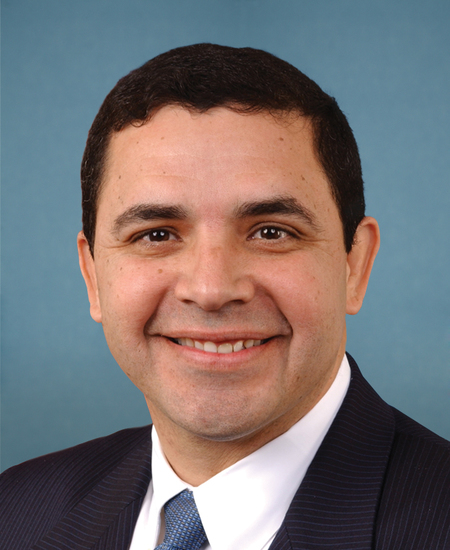
Henry Cuellar
100% support rate
Top opponent
Aaron Bean
33% support rate
Ranked legislators
10
5 support · 5 oppose
Key legislators

Who's moving student financial aid in United States

Legislators moving student financial aid in United States
Legislator Party Stance Support rate Votes
Henry Cuellar
Henry Cuellar House · District 28
D
Strong +
100% 3
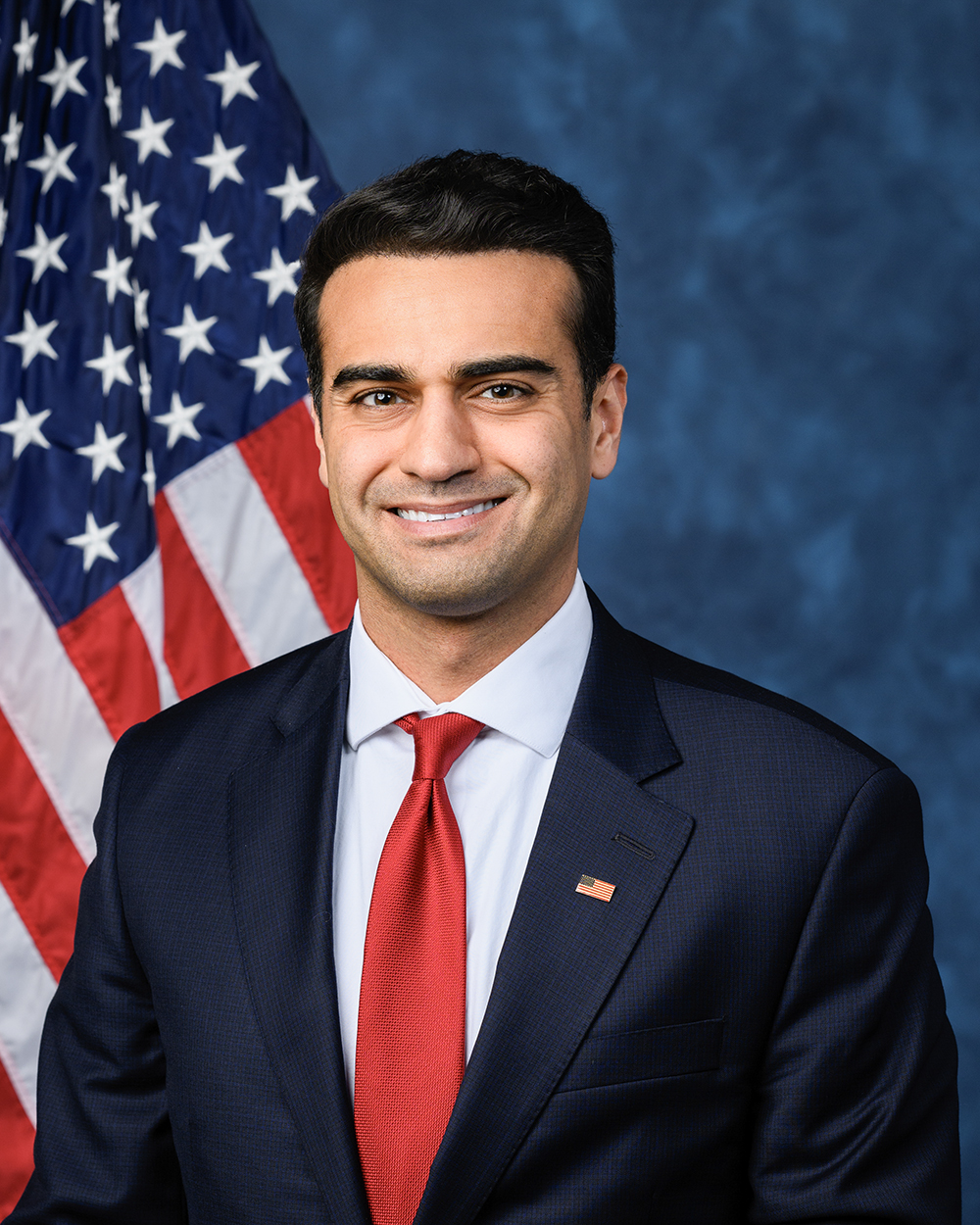
Abraham J. Hamadeh
Abraham J. Hamadeh House · District 8
R
Support
67% 3
Adam Gray
Adam Gray House · District 13
D
Support
67% 3
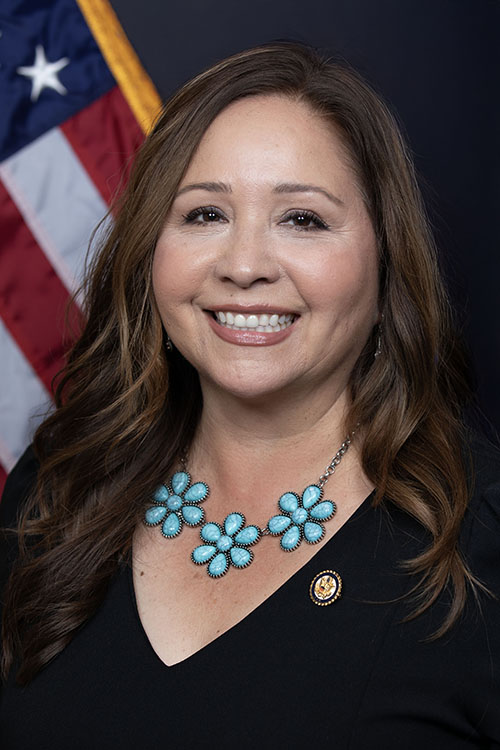
Adelita S. Grijalva
Adelita S. Grijalva House · District 7
D
Support
67% 3
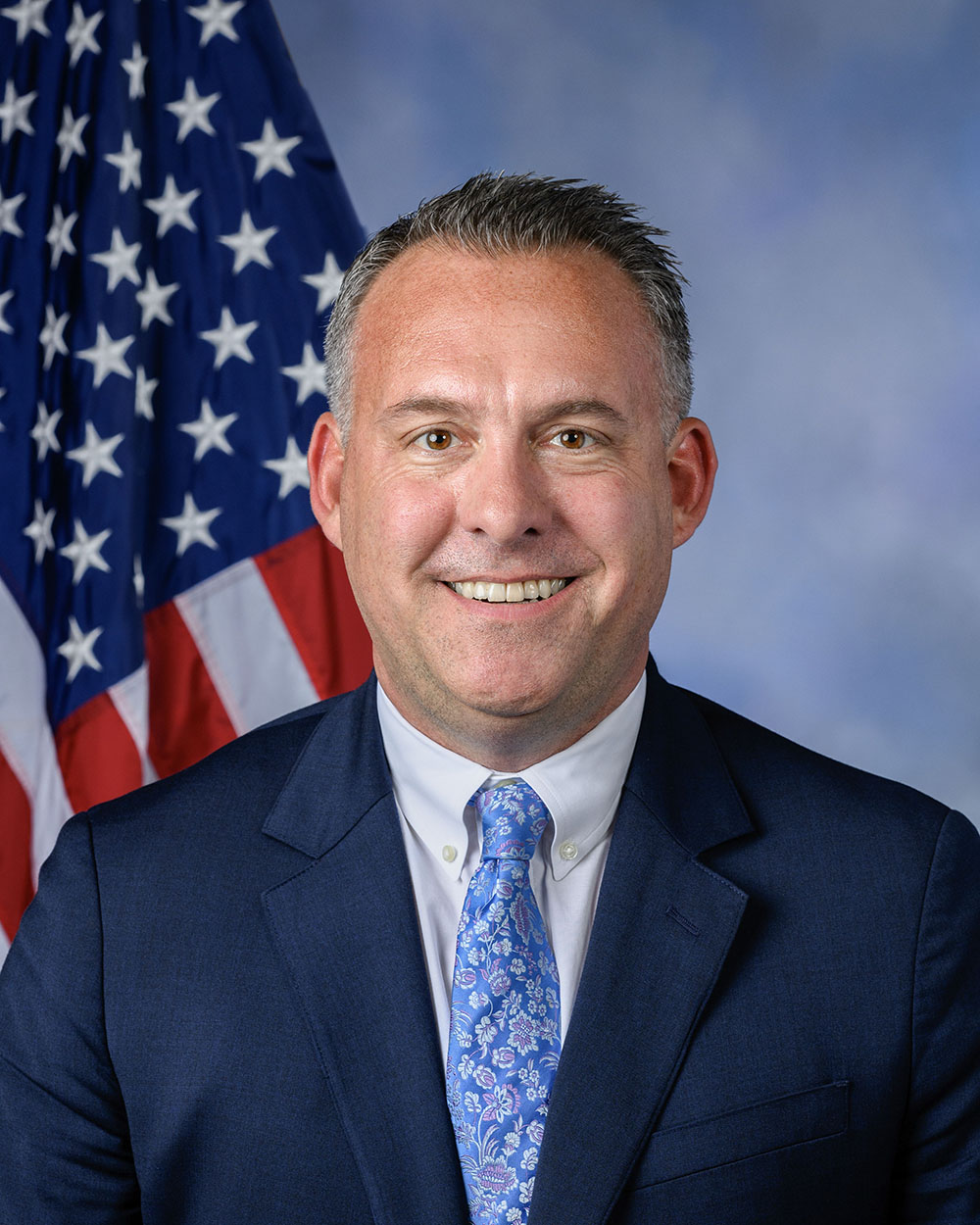
Adrian Smith
Adrian Smith House · District 3
R
Support
67% 3
Aaron Bean
Aaron Bean House · District 4
R
Oppose
33% 3
Addison P. McDowell
Addison P. McDowell House · District 6
R
Oppose
33% 3
Andrew Ogles
Andrew Ogles House · District 5
R
Oppose
33% 3
Andrew S. Clyde
Andrew S. Clyde House · District 9
R
Oppose
33% 3
Andy Biggs
Andy Biggs House · District 5
R
Oppose
33% 3
Showing 31–40 of 275 bills

All education bills

in committee · United States · House Jun 11, 2026

HR 9272: Parent PLUS Loan Fairness and Responsibility Act of 2026

The Parent PLUS Loan Fairness and Responsibility Act of 2026 allows parents to transfer their existing federal student loans directly to their adult children under specific conditions. To qualify for this transfer, the loan must be in good standing, have been used for the child's education, and the child must be at least 18 years old with demonstrated ability to repay based on income and credit history. Once transferred, the child becomes the sole borrower responsible for the debt, while the parent is relieved of all repayment obligations and the loan retains its original terms and forgiveness eligibility. The bill also ensures that payments made before the transfer count toward Public Service Loan Forgiveness and that the transferred amount does not affect the child's future borrowing limits.
in committee · United States · House Jun 11, 2026

HR 9289: Keep Public Funds in Public Schools Act of 2026

The Keep Public Funds in Public Schools Act of 2026 eliminates a federal tax credit that allowed parents to deduct contributions to scholarship granting organizations from their income. By removing these specific tax breaks, the bill prevents the use of public tax dollars to support private school vouchers and scholarship programs. This change directly affects families who currently rely on these tax incentives to fund education outside the public school system. The provisions take effect for taxable years beginning after December 31, 2026.
in committee · United States · House Jun 11, 2026

HR 9302: Student Athlete Act of 2026

The Student Athlete Act of 2026 establishes federal rules for college sports eligibility and transfers to protect student athletes. It mandates that athletes retain five consecutive years of eligibility regardless of injuries and limits the impact of transferring schools by generally barring participation during the academic year of the transfer, with an exception for a student's first move. The bill also requires universities to honor original financial aid commitments when a student transfers and prevents states from passing laws that conflict with these federal provisions.
in committee · United States · House Jun 4, 2026

HR 9166: Student Loan Refinancing Act of 2026

The Student Loan Refinancing Act of 2026 establishes a new program allowing borrowers to refinance existing Federal Direct and FFEL Program loans into new Federal Direct loans with fixed interest rates. The bill requires the Secretary of Education to offer these refinanced loans at interest rates equal to the current rates for new loans of the same type, while protecting borrowers from origination fees and ensuring the total repayment period does not increase. To facilitate this process, the legislation mandates a public awareness campaign and includes specific rules that allow payments made on the original loans to count toward income-driven repayment plans and public service loan forgiveness. Additionally, the act limits borrowers to refinancing their loans no more than twice within a ten-year period to prevent repeated refinancing.
in committee · United States · Senate Jun 11, 2026

S 4778: Postsecondary Student Success Act of 2026

The Postsecondary Student Success Act of 2026 creates a competitive grant program to help colleges and universities support high-need students, such as those from low-income backgrounds, first-generation college attendees, and military-connected individuals. Under this bill, the Department of Education would award funds to eligible institutions for six years to implement specific, evidence-based strategies aimed at improving student retention and graduation rates. Applicants must submit detailed plans outlining how they will use these funds for services like academic advising, career coaching, and emergency financial assistance, with a requirement to include at least one highly proven reform practice. Additionally, the law sets aside a portion of the funding specifically for Tribal Colleges and Universities and mandates an independent evaluation to measure the program's effectiveness in increasing student success.
in committee · United States · House Jun 3, 2026

HR 9134: Protecting Student Privacy Act

The Protecting Student Privacy Act prevents federal student aid data from being shared with immigration enforcement agencies for the purpose of enforcing immigration laws. This rule applies to information held by the Department of Education regarding students and their financial contributors, such as parents or spouses, and blocks its use for arrests, interviews, or surveillance by the Department of Homeland Security and other authorized entities. The law includes specific exceptions for court orders related to criminal offenses and for cases where a student or contributor voluntarily and without pressure consents to sharing their information. Additionally, the bill requires the Secretary of Education to report any unauthorized disclosures to Congress and states that this new rule overrides any conflicting state or local laws.
in committee · United States · House May 19, 2026

HR 8896: Loan Forgiveness for Educators Act of 2026

The Loan Forgiveness for Educators Act of 2026 expands existing federal student loan relief programs to offer full debt cancellation for teachers and early childhood educators who work in high-need schools or specific early childhood programs for five years. Under the bill, eligible educators can receive 100 percent forgiveness of their outstanding loans after completing five years of service, which may be consecutive or nonconsecutive, while also qualifying for monthly loan payments to be made by the government during their employment. The legislation defines "high need schools" as those with at least 30 percent of students from low-income families and includes various early childhood settings, while also extending benefits to parents who borrow PLUS loans for their qualifying children or who are educators themselves. To support implementation, the law requires the Department of Education to publish a list of eligible schools and programs, allows for self-certification in some early childhood roles, and ensures that educators who leave their positions early or are promoted within the same organization do not lose their eligibility for forgiveness.
in committee · United States · House Jun 2, 2026

HR 9111: Stopping Abusive Student Loan Collection Practices in Bankruptcy Act of 2026

This bill modifies the U.S. Bankruptcy Code to allow individuals to request a court determination of whether their student loans should be discharged based on "undue hardship" at the time they file for bankruptcy. Currently, such a request can only be made after a loan repayment plan has failed, but this legislation would enable debtors to seek this relief immediately upon filing. The change applies only to bankruptcy cases that begin on or after the date the law is enacted. By allowing earlier evaluation, the bill aims to provide a clearer path for borrowers facing financial difficulty to potentially eliminate their student loan debt during the bankruptcy process.
in committee · United States · Senate May 21, 2026

S 4629: Government Bailout Prevention Act

The Government Bailout Prevention Act prohibits the use of federal funds, Treasury resources, or Federal Reserve assistance to support state, local, or school district governments facing financial distress starting January 1, 2026. Specifically, the bill bars the government from purchasing or guaranteeing debt for entities that have filed for bankruptcy, defaulted on obligations, or are at risk of defaulting without such help. This restriction also covers debt restructuring activities but includes an exception for financial aid provided in response to declared disasters.
in committee · United States · House Jun 4, 2026

HR 9137: Protect College Sports Act of 2026

The Protect College Sports Act of 2026 establishes a new framework for college athletics that grants student athletes the right to earn money from their name, image, and likeness without fear of losing scholarships or eligibility, while requiring institutions to disclose these deals in a public database. The bill strengthens protections for athletes by mandating better medical coverage, prohibiting coaches from influencing medical return-to-play decisions, and creating an independent ombudsman office to assist student athletes with grievances. It also introduces stricter rules on agent registration, limits on mid-season coaching transitions, and protections for athletes transferring schools or facing sexual misconduct. On the broadcasting side, the legislation creates a new entity to collectively sell media rights for college sports, ensuring that revenue is distributed fairly and that local fans can access games without paying extra fees. The law further restricts large conference mergers to preserve competition and requires that non-revenue sports like women's and Olympic programs maintain their current roster sizes and scholarship opportunities. Finally, the act sets up a congressional commission to study the future of college athletics and make recommendations on structural changes, including potential adjustments to revenue sharing caps.
Showing 31 to 40 of 275 bills
Previous 1 3 4 5 28 Next