Issue · Education

Education

Every education bill, vote, and legislator stance in United States, automatically classified by Maddy, our AI policy reader.

Total bills
1,194
119th Congress
Top supporter
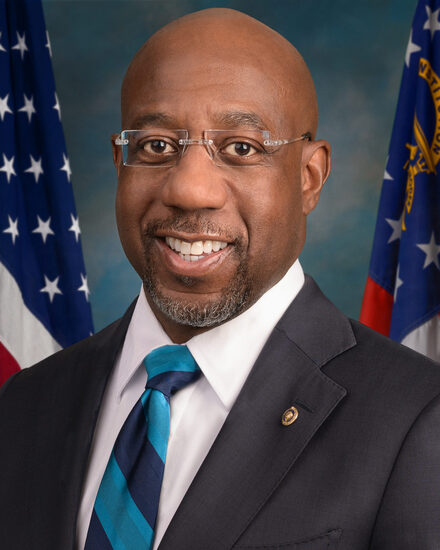
Raphael G. Warnock
100% support rate
Top opponent
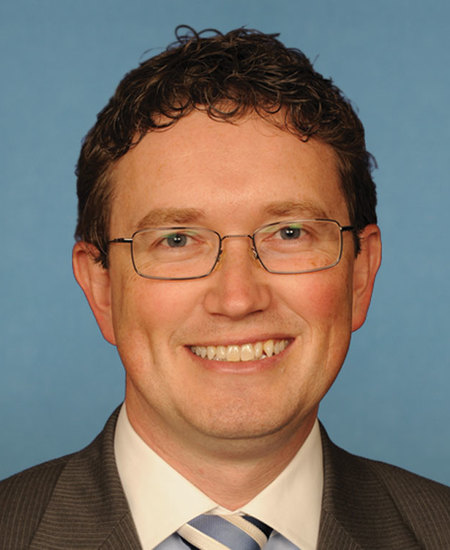
Thomas Massie
12% support rate
Ranked legislators
10
5 support · 5 oppose
Key legislators

Who's moving education in United States

Legislators moving education in United States
Legislator Party Stance Support rate Decisive votes
Raphael G. Warnock
Raphael G. Warnock Senate
D
Strong +
100% 6
Adam B. Schiff
Adam B. Schiff Senate
D
Strong +
86% 7
Angela D. Alsobrooks
Angela D. Alsobrooks Senate
D
Strong +
86% 7
Ben Ray Luján
Ben Ray Luján Senate
D
Strong +
86% 7
Charles E. Schumer
Charles E. Schumer Senate
D
Strong +
86% 7
Thomas Massie
Thomas Massie House · District 4
R
Strong −
12% 8
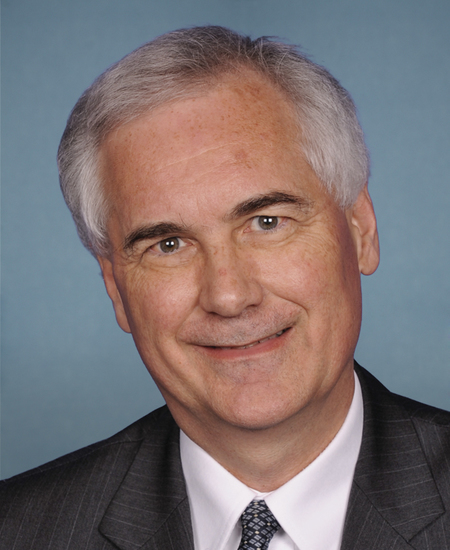
Tom McClintock
Tom McClintock House · District 5
R
Strong −
12% 8
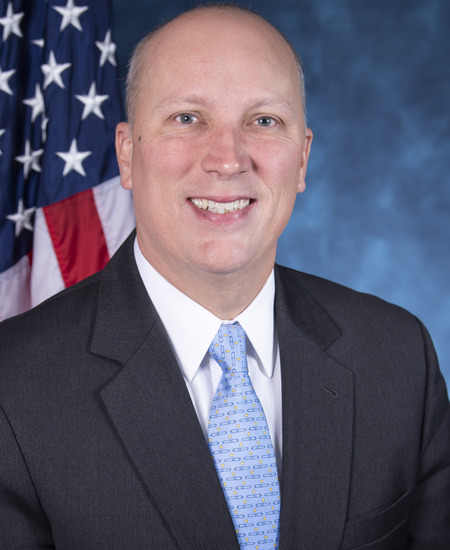
Chip Roy
Chip Roy House · District 21
R
Strong −
14% 7
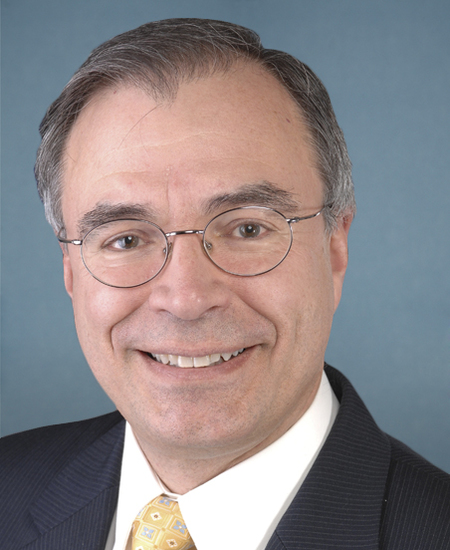
Andy Harris
Andy Harris House · District 1
R
Strong −
20% 10
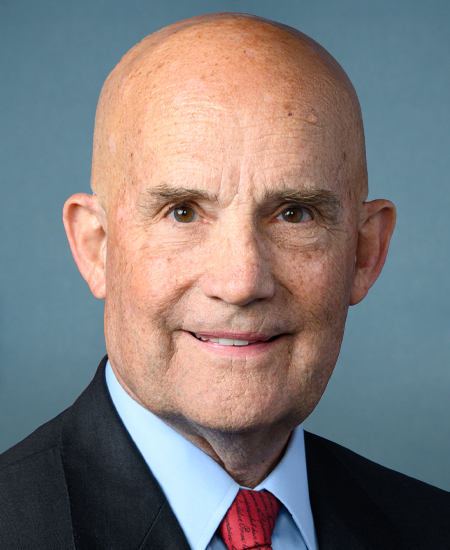
Keith Self
Keith Self House · District 3
R
Strong −
20% 10
Showing 291–300 of 1,194 bills

All education bills

in committee · United States · Senate May 14, 2026

S 4531: Student Aid Fraud Oversight and Accountability Act of 2026

The Student Aid Fraud Oversight and Accountability Act of 2026 requires colleges to report any student whose financial aid application raised reasonable suspicion of identity fraud after October 1, 2026. These reports will be used to help the Department of Education prioritize program reviews and audits for institutions with higher numbers of flagged cases. The bill allows schools to avoid reporting a student if they can prove they verified the student's identity through in-person or live video checks before disbursing funds. Importantly, identifying a school in this way does not automatically mean the institution has failed to meet legal requirements.
in committee · United States · House Apr 21, 2026

HR 8404: 21st Century Entrepreneurship Act

The 21st Century Entrepreneurship Act directs the Small Business Administration to develop and implement an entrepreneurship curriculum for students in community learning centers, primarily targeting youth from disadvantaged communities. The bill requires the SBA to work with the SCORE program, which consists of retired business executives, to create teaching materials and train volunteers to deliver this curriculum in partnership with education specialists and other business groups. Additionally, the legislation amends existing laws to formally include entrepreneurship education in the Elementary and Secondary Education Act and mandates that the SBA submit biennial reports to Congress on program implementation, funding usage, and student outreach.
Sub-Topics Curriculum Tags Small Business
in committee · United States · Senate May 14, 2026

S 4535: Strength in Diversity Act of 2026

The Strength in Diversity Act of 2026 creates a competitive grant program for school districts and state agencies to develop and implement plans that increase racial and socioeconomic diversity in public schools. To receive funding, eligible entities must submit detailed applications outlining how they will reduce isolation in schools, engage with communities, and improve academic outcomes for all students. The bill authorizes the use of funds for activities such as redrawing school boundaries, revising student assignment methods, recruiting diverse staff, and creating transportation plans to encourage attendance across different neighborhoods. Grants are awarded based on the quality of the proposed plan and its potential to meaningfully decrease segregation while maintaining high academic standards.
in committee · United States · House May 15, 2026

HR 8859: Creating Early Childhood Leaders Act

The Creating Early Childhood Leaders Act amends the Higher Education Act to require that school leaders receive specific training on early childhood education. This new requirement ensures that principals and other school administrators understand child development and can effectively support pre-kindergarten programs. By adding these educational standards, the bill aims to help school leaders better manage and guide developmentally appropriate instruction for young students.
in committee · United States · House Mar 4, 2026

HRES 1103: Expressing support for the designation of the week beginning March 2, 2026, as "School Social Work Week".

This resolution expresses support for designating the week beginning March 2, 2026, as "School Social Work Week" to honor the contributions of school social workers. It highlights the role these professionals play in assisting students facing challenges such as mental health issues, poverty, and family stress by providing counseling and connecting families with community resources. The measure encourages the public to observe this week with activities that raise awareness about how school social workers help improve student outcomes and school safety.
in committee · United States · House Apr 23, 2026

HR 8475: Savings Opportunity and Affordable Repayment Act

Savings Opportunity and Affordable Repayment Act This bill creates a new income-driven repayment plan for student loans called the Savings Opportunity and Affordable Repayment (SOAR) plan. The SOAR plan has similar provisions to, but further expands on, the Department of Education's (ED's) final rule published on July 10, 2023, that created the Saving on a Valuable Education (SAVE) plan. The SAVE plan was blocked by federal courts. The bill directs ED to carry out a SOAR plan program that complies with specified requirements. The bill allows all federal student loan types to be eligible for repayment under the SOAR plan, including Parent PLUS Loans and Federal Family Education Loans. Under the SOAR plan, a federal student loan borrower whose income is at or below 250% of the federal poverty level (FPL) has $0 monthly payments. A borrower whose income is over 250% of the FPL pays 5% of their discretionary income on loans obtained for undergraduate study and 10% of their discretionary income for all other outstanding loans (e.g., loans obtained for graduate study). Additionally, under the SOAR plan, holders of eligible federal student loans (e.g., ED or private lenders) must apply 50% of the borrower's monthly payment toward outstanding principal. The other 50% must be applied in the following order: (1) accrued charges and collection costs on the loan, (2) outstanding interest, and (3) outstanding principal. ED must forgive any loan balance that remains outstanding after a specified maximum repayment period (e.g., 10 years or 15 years).
in committee · United States · House May 4, 2026

HRES 1254: Recognizing the roles and contributions of elementary and secondary school teachers in building and enhancing the civic, cultural, and economic well-being of the United States.

This House Resolution formally recognizes the contributions of elementary and secondary school teachers in the United States. It thanks educators for their dedication to students and communities during National Teacher Appreciation Week. The measure encourages parents, administrators, and officials to acknowledge the profession during the designated week in May.
in committee · United States · Senate May 12, 2026

S 4496: A bill to amend the Higher Education Act of 1965 to provide for additional uses of funds for grants to strengthen historically Black colleges and universities, and for other purposes.

This bill amends the Higher Education Act to allow grants for Historically Black Colleges and Universities (HBCUs) to support arts, arts education, and cultural programs. The legislation directly affects HBCUs by enabling them to receive federal funding for specific activities such as establishing outreach offices, providing wraparound student services, and preserving Black art collections. Key provisions also include creating well-paid apprenticeships and internships through partnerships with nonprofit arts institutes and allowing HBCUs to collaborate with the National Endowment for the Arts. By adding these new uses for funds, the bill aims to address historical underfunding and help maintain essential arts departments at these institutions.
Sub-Topics Higher Education
in committee · United States · House May 4, 2026

HR 8657: Campus Lifeline Act of 2026

The Campus Lifeline Act of 2026 amends federal health laws to expand mental health support for students and youth. It directs support for student groups on college campuses, such as athletic teams and mental health clubs, to educate peers and intervene when warning signs of mental health or substance use disorders appear. The legislation also requires states and institutions of higher education to list the 988 suicide prevention hotline on newly issued identification cards. Furthermore, it mandates that federal agencies coordinate with the Department of Education and Transportation to create public awareness plans for the 988 hotline.
in committee · United States · Senate May 14, 2026

S 4528: IGNITE HBCU Excellence Act

The IGNITE HBCU Excellence Act establishes a competitive grant program administered by the Department of Education to provide long-term funding for infrastructure improvements at Historically Black Colleges and Universities. These grants are intended to support projects such as modernizing campus facilities, upgrading technology and broadband systems, enhancing safety measures, and acquiring research equipment, with a specific focus on addressing deferred maintenance and health risks. Priority for funding is given to institutions that demonstrate the greatest need due to facility conditions or financial limitations, as well as those serving high percentages of low-income students. The legislation also includes requirements for recipients to submit detailed plans, engage in community partnerships, and use a portion of funds for administrative costs, while prohibiting the use of money for routine maintenance or athletic facilities.
Showing 291 to 300 of 1,194 bills
Previous 1 29 30 31 120 Next