Issue · Education

Education (Higher Education)

Every education bill, vote, and legislator stance in United States, automatically classified by Maddy, our AI policy reader.

Total bills
243
119th Congress
Top supporter
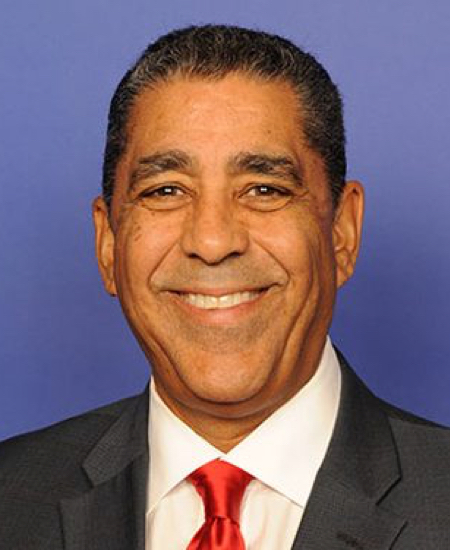
Adriano Espaillat
75% support rate
Top opponent
Aaron Bean
25% support rate
Ranked legislators
10
5 support · 5 oppose
Key legislators

Who's moving higher education in United States

Legislators moving higher education in United States
Legislator Party Stance Support rate Votes
Adriano Espaillat
Adriano Espaillat House · District 13
D
Support
75% 4
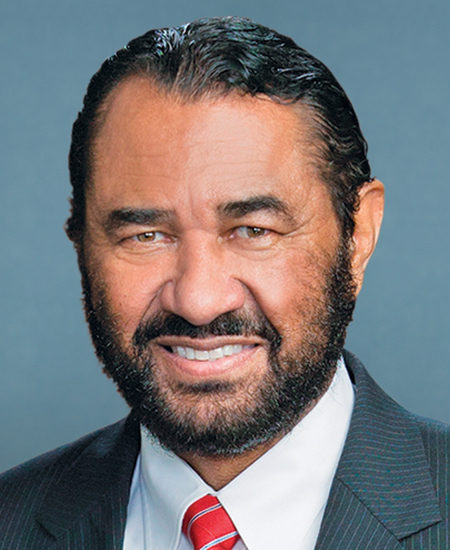
Al Green
Al Green House · District 9
D
Support
75% 4
Alexandria Ocasio-Cortez
Alexandria Ocasio-Cortez House · District 14
D
Support
75% 4
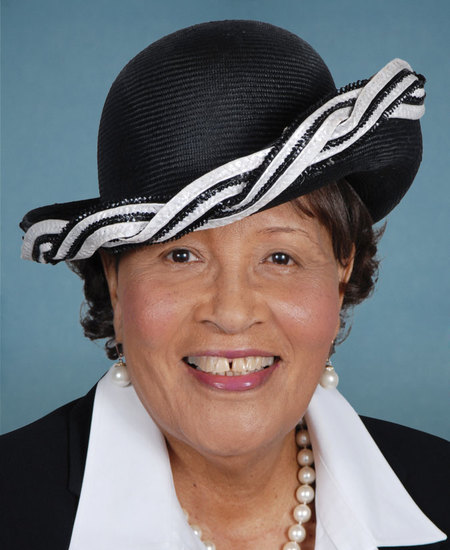
Alma S. Adams
Alma S. Adams House · District 12
D
Support
75% 4
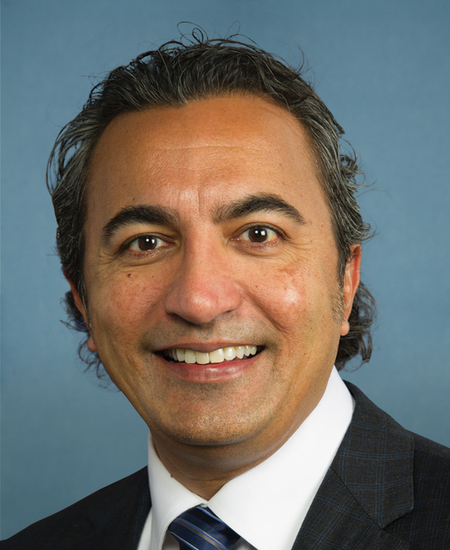
Ami Bera
Ami Bera House · District 6
D
Support
75% 4
Aaron Bean
Aaron Bean House · District 4
R
Oppose
25% 4
Addison P. McDowell
Addison P. McDowell House · District 6
R
Oppose
25% 4
Andrew Ogles
Andrew Ogles House · District 5
R
Oppose
25% 4
Andrew S. Clyde
Andrew S. Clyde House · District 9
R
Oppose
25% 4
Andy Biggs
Andy Biggs House · District 5
R
Oppose
25% 4
Showing 21–30 of 243 bills

All education bills

in committee · United States · Senate Jun 23, 2026

S 4859: Pell Grant Preservation and Expansion Act of 2026

The Pell Grant Preservation and Expansion Act of 2026 aims to increase financial aid for college students by doubling the maximum Federal Pell Grant award to $10,000 for the 2026-2027 school year, with amounts rising annually to reach $15,000 by 2031-2032. The bill also changes the funding structure so that Pell Grants become a mandatory program that automatically adjusts for inflation rather than relying on annual congressional appropriations. Additional provisions expand eligibility to include students with negative financial aid indexes, provide special rules for recipients of means-tested benefits, and allow Dreamer students who become citizens or permanent residents to qualify for aid. The legislation further restores the total number of semesters a student can receive Pell Grants from 12 to 18 and modifies how institutions determine satisfactory academic progress to reduce penalties for students struggling with course requirements.
in committee · United States · House Jun 11, 2026

HR 9300: Postsecondary Student Success Act of 2026

The Postsecondary Student Success Act of 2026 creates a competitive grant program to help colleges improve graduation rates for high-need students, including those from low-income backgrounds, first-generation families, and military-connected individuals. To receive funding between 2027 and 2032, eligible institutions must submit plans detailing how they will use evidence-based strategies, such as better advising, accelerated learning options, and improved transfer pathways, to support student retention and completion. The law requires that at least 20 percent of the available funds go to projects using the most rigorously tested methods and mandates that 2 percent be reserved specifically for Tribal Colleges and Universities. Additionally, the Department of Education must evaluate the effectiveness of these programs and report the results to Congress within 18 months of the bill's enactment.
in committee · United States · Senate Jun 18, 2026

S 4843: Enhancing Mental Health and Suicide Prevention Through Campus Planning Act

This bill directs the Secretary of Education to create and share evidence-based model plans for mental health and suicide prevention specifically for colleges and universities. In partnership with the Substance Abuse and Mental Health Services Administration, the government will provide technical assistance to schools that wish to adopt these models, while also considering existing state efforts and collaborating with various community and student groups. The legislation requires regular updates to these model plans every five years and mandates periodic reports to Congress on the program's progress. Importantly, the bill clarifies that these measures are voluntary guidelines and do not impose new legal requirements on higher education institutions.
in committee · United States · House Jun 23, 2026

HR 9414: Pell Grant Preservation and Expansion Act of 2026

The Pell Grant Preservation and Expansion Act of 2026 aims to increase financial aid for college students by raising the maximum Pell Grant amount to $15,000 by the 2031-2032 award year and ensuring the program is fully funded through mandatory spending rather than annual appropriations. The bill also expands eligibility for students who receive means-tested government benefits by automatically assigning them a lower financial need score, while simultaneously allowing Dreamer students - undocumented immigrants who meet specific criteria such as graduating high school or serving in the military - to qualify for federal aid. Additional provisions restore the total number of semesters a student can receive Pell Grants from 12 to 18 and adjust the rules for satisfactory academic progress to reduce penalties for students who struggle to meet grade requirements. Finally, the legislation restores Pell Grant eligibility for some students who previously received outside scholarships and sets the law's effective date for July 1, 2026.
in committee · United States · Senate Aug 5, 2026

S 4668: Protect College Sports Act of 2026

The Protect College Sports Act of 2026 establishes new rules to protect student athletes and regulate college sports broadcasting by amending existing federal laws. It requires colleges and athletic associations to allow athletes to earn money from their name, image, and likeness without losing eligibility, while mandating that athletes disclose agreements worth more than $600 annually. The bill also introduces stricter health and safety standards, including independent medical authority for return-to-play decisions and expanded medical coverage for injuries sustained during competition. Additionally, it creates a new commission to study the future of college athletics and modifies broadcasting laws to ensure local market access for games and prevent large conferences from merging in ways that reduce the number of participating schools.
Sub-Topics Higher Education
in committee · United States · House Jun 11, 2026

HR 9302: Student Athlete Act of 2026

The Student Athlete Act of 2026 establishes federal rules for college sports eligibility and transfers to protect student athletes. It mandates that athletes retain five consecutive years of eligibility regardless of injuries and limits the impact of transferring schools by generally barring participation during the academic year of the transfer, with an exception for a student's first move. The bill also requires universities to honor original financial aid commitments when a student transfers and prevents states from passing laws that conflict with these federal provisions.
in committee · United States · Senate Jun 10, 2026

S 4730: Community College Agriculture Advancement Act of 2026

The Community College Agriculture Advancement Act of 2026 creates a new funding program to support junior and community colleges in expanding their agriculture and natural resources programs. The bill authorizes $20 million annually from 2027 to 2031 for competitive grants that colleges can use to improve workforce training, education, research, and outreach. Eligible institutions may use these funds to purchase equipment, hire faculty, develop apprenticeships, and offer courses in farm business management. The legislation also allows colleges to apply for a special designation as a center of excellence to demonstrate best practices and provide regional leadership.
Sub-Topics Career & Technical Education Higher Education Tags Agriculture
in committee · United States · Senate Jun 11, 2026

S 4778: Postsecondary Student Success Act of 2026

The Postsecondary Student Success Act of 2026 creates a competitive grant program to help colleges and universities support high-need students, such as those from low-income backgrounds, first-generation college attendees, and military-connected individuals. Under this bill, the Department of Education would award funds to eligible institutions for six years to implement specific, evidence-based strategies aimed at improving student retention and graduation rates. Applicants must submit detailed plans outlining how they will use these funds for services like academic advising, career coaching, and emergency financial assistance, with a requirement to include at least one highly proven reform practice. Additionally, the law sets aside a portion of the funding specifically for Tribal Colleges and Universities and mandates an independent evaluation to measure the program's effectiveness in increasing student success.
in committee · United States · House Sep 8, 2026

HR 9203: Student Protection and University Accountability Act

The Student Protection and University Accountability Act requires colleges receiving federal funds to establish clear, public processes for investigating discrimination complaints based on race, color, or national origin. Under this bill, universities must designate a compliance officer, provide detailed explanations for their investigative decisions, and notify complainants of outcomes within 30 days. The law also mandates that schools display federal anti-discrimination materials on campus and makes them ineligible for funding if they fail to comply with these requirements for two consecutive years. Additionally, the bill directs the Department of Education to report monthly on discrimination complaints to Congress and prohibits the agency from dismissing or delaying investigations when similar claims are filed elsewhere.
Sub-Topics Higher Education
in committee · United States · House May 14, 2026

HR 8834: Senator Paul Simon Study Abroad Program Act of 2026

This bill renames the existing IDEAS Program to the Senator Paul Simon Study Abroad Program and directs the Secretary of State to expand it to increase global education opportunities for U.S. college students. The program will award competitive grants to universities and consortia to support study abroad initiatives, with a specific focus on helping low-income students, students of color, and minority-serving institutions participate. Funding priorities include encouraging travel to nontraditional destinations, particularly developing countries, and ensuring that grant recipients have robust health, safety, and security plans for students overseas. The legislation sets a long-term goal of having at least one million undergraduate students study abroad annually while requiring the Department of State to submit annual reports on progress.
Sub-Topics Higher Education
Showing 21 to 30 of 243 bills
Previous 1 2 3 4 25 Next