Issue · Education

Education

Every education bill, vote, and legislator stance in United States, automatically classified by Maddy, our AI policy reader.

Total bills
1,096
119th Congress
Top supporter
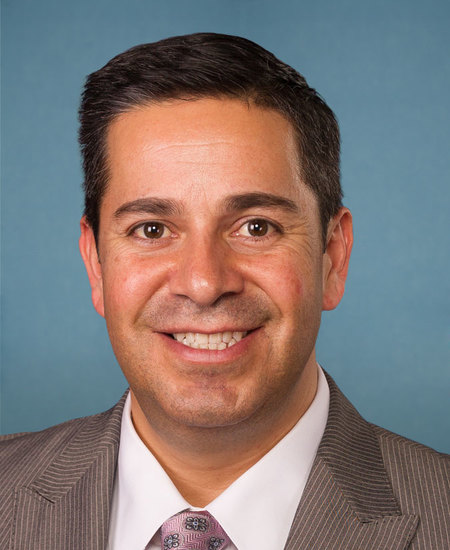
Ben Ray Luján
90% support rate
Top opponent
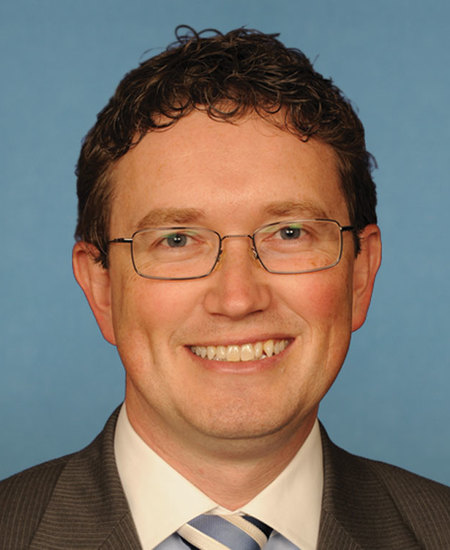
Thomas Massie
12% support rate
Ranked legislators
10
5 support · 5 oppose
Key legislators

Who's moving education in United States

Legislators moving education in United States
Legislator Party Stance Support rate Decisive votes
Ben Ray Luján
Ben Ray Luján Senate
D
Strong +
90% 10
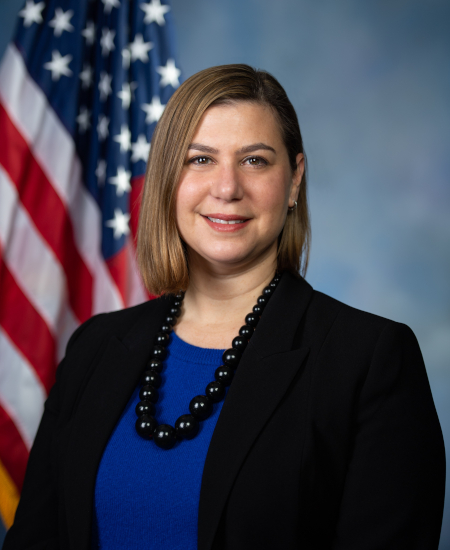
Elissa Slotkin
Elissa Slotkin Senate
D
Strong +
90% 10
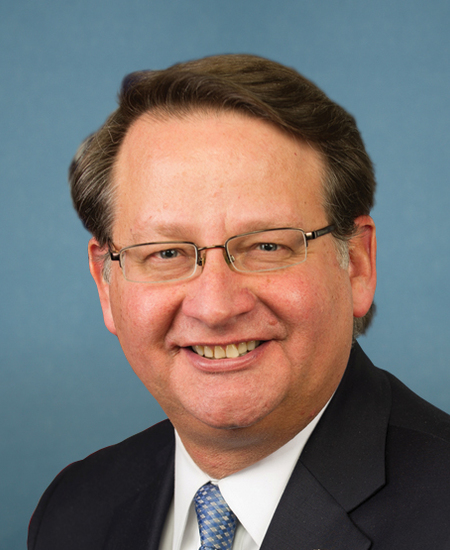
Gary C. Peters
Gary C. Peters Senate
D
Strong +
90% 10
John W. Hickenlooper
John W. Hickenlooper Senate
D
Strong +
90% 10
Maria Cantwell
Maria Cantwell Senate
D
Strong +
90% 10
Thomas Massie
Thomas Massie House · District 4
R
Strong −
12% 8
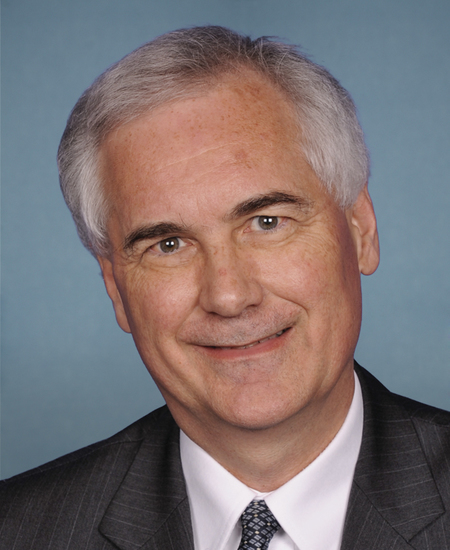
Tom McClintock
Tom McClintock House · District 5
R
Strong −
12% 8
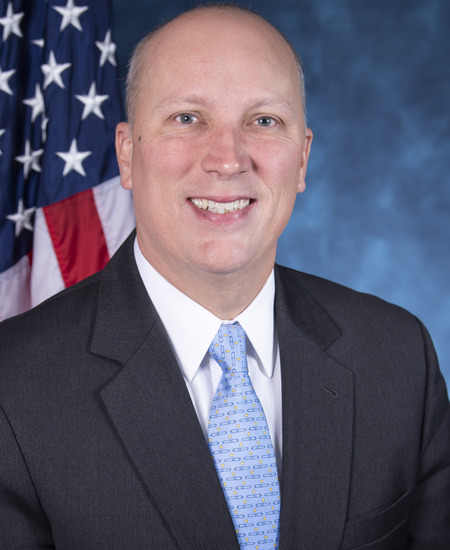
Chip Roy
Chip Roy House · District 21
R
Strong −
14% 7
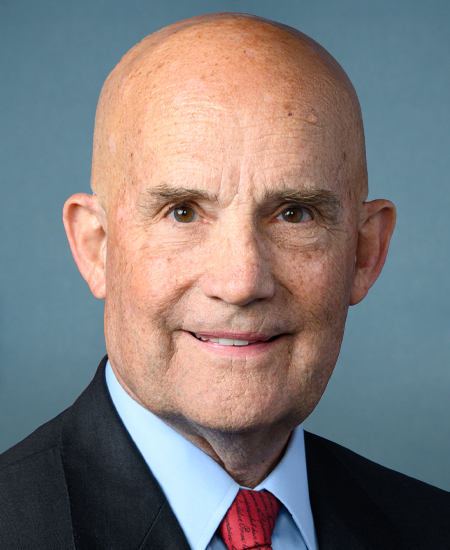
Andy Harris
Andy Harris House · District 1
R
Strong −
20% 10
Keith Self
Keith Self House · District 3
R
Strong −
20% 10
Showing 261–270 of 1,096 bills

All education bills

in committee · United States · House Apr 30, 2026

HR 8636: Strengthening Educator Workforce Data Act

The Strengthening Educator Workforce Data Act requires the U.S. Department of Education to collect and publish detailed information about public school teachers and principals. This new data will include the number of full-time staff, their years of experience broken down into specific categories, and details on whether they hold required state licenses and certifications in subjects like math, science, and special education. The collected information will be further analyzed by race, ethnicity, and sex to reveal patterns in the educator workforce, with results presented in accessible formats such as graphs and percentages. To protect individual privacy, the bill mandates that the department keep personally identifiable information confidential while making the underlying data publicly available online. These changes will apply to all future civil rights data collections conducted by the Department of Education.
in committee · United States · House May 4, 2026

HR 8654: Afterschool for All Act

The Afterschool for All Act significantly increases funding for the Community Learning Centers program, raising the annual appropriation from $1 billion to $10 billion for the fiscal years 2026 through 2035. This expansion aims to support after-school programs in elementary and secondary schools, directly benefiting students and educational institutions that rely on these grants. Additionally, the bill amends the name of the relevant section in the Elementary and Secondary Education Act to remove the term "21st Century," and it raises the corporate income tax rate from 21% to 22% for taxable years beginning after the law is enacted.
in committee · United States · House Apr 27, 2026

HR 8506: SAFE School Act

The SAFE School Act authorizes $900 million in federal grants to help states and local school districts enhance school security. These funds can be used to train and hire veterans or former law enforcement officers as school safety officers, as well as to install physical security measures like metal detectors, surveillance cameras, and reinforced glass. The legislation explicitly allows grants to be awarded to both public and private schools, including those with religious affiliations, without federal interference in how the money is spent. This bill aims to provide resources for schools to improve their safety infrastructure and emergency response capabilities.
in committee · United States · Senate Apr 29, 2026

S 4431: Time for Completion Act

The Time for Completion Act requires colleges to publicly report how many students finish their degree programs within specific timeframes, such as the normal duration, 150 percent, 200 percent, and 300 percent of the expected length. This reporting applies to both short and long programs and must be broken down by student type, including whether they are first-time or returning students and whether they attend full-time or part-time. The law also updates federal financial aid regulations to ensure these completion rates are included in institutional data used for determining eligibility and funding. By mandating consistent and visible display of these statistics, the bill aims to provide prospective students and families with clearer information about graduation timelines at higher education institutions.
in committee · United States · House Apr 30, 2026

HR 8614: Safe Water in Schools Act of 2026

The Safe Water in Schools Act of 2026 directs federal funding to help schools and child care programs install point-of-use water filtration systems. These filters are intended to prevent exposure to lead in drinking water before testing occurs or to clean up existing contamination. The bill authorizes specific annual funding amounts, increasing from $60 million in 2026 to $72 million in 2030, to support these efforts. Local educational agencies will receive grants to implement the filtration systems at facilities under their jurisdiction. This legislation amends the existing Safe Drinking Water Act to formalize these requirements and funding levels.
in committee · United States · House May 21, 2026

HR 8989: Evidence-Based Youth Suicide Prevention Act of 2026

The Evidence-Based Youth Suicide Prevention Act of 2026 directs the Secretary of Health and Human Services to fund demonstration programs that test suicide prevention strategies specifically in schools and other youth-serving settings. To ensure effectiveness, the bill requires that funded programs be supported by strong, moderate, or promising evidence from rigorous studies and mandates coordination with state and local educational agencies. Recipients must track various outcomes, including mental health safety, academic performance, and student engagement, while submitting annual reports to Congress on their findings. Funding is authorized for fiscal years 2027 through 2032 to support these evidence-based initiatives and innovative approaches that include rigorous evaluation plans.
Sub-Topics Mental Health
in committee · United States · House Jul 21, 2026

HR 8747: K–12 AI Literacy and Readiness Act of 2026

The K-12 AI Literacy and Readiness Act of 2026 amends the Elementary and Secondary Education Act to allow federal funding for artificial intelligence education in schools. This legislation directly affects states, local school districts, and educational staff by permitting the use of funds to teach students how to use AI safely and responsibly. Additionally, the bill authorizes money for professional development programs that equip teachers, librarians, and administrators with the skills to teach and utilize AI effectively. By adding these specific allowable uses to existing federal education grants, the act provides a clear pathway for integrating AI literacy into the K-12 curriculum.
in committee · United States · Senate Apr 22, 2026

S 4370: PCTEC Act

The Primary Care Team Education Centers Act creates a new grant program to help community health centers establish or expand sites for training future healthcare professionals. These grants, which can provide up to $1 million annually for five years, are intended to address shortages of clinical instructors and improve student access to primary care settings. Recipients must use the funds to develop partnerships with universities, offer innovative pay models to attract staff, and integrate diverse community health workers into the training teams. The bill also requires the Secretary of Health and Human Services to submit annual reports on the number of students trained and preceptors recruited, while prohibiting entities that already receive certain other teaching health center grants from applying for this funding.
passed · United States · Senate Apr 28, 2026

SRES 694: A resolution designating April 2026 as "Financial Literacy Month".

This resolution designates April 2026 as Financial Literacy Month to raise public awareness about the importance of personal finance education. The bill calls on the federal government, states, schools, businesses, and other organizations to hold programs and activities during this month. It is based on data showing high levels of financial stress, debt, and a lack of financial education among many Americans.
in committee · United States · House Apr 27, 2026

HR 8518: Domenic and Ed’s Law

Domenic and Ed's Law allows parents who have taken out federal student loans to repay those loans if their child becomes permanently and totally disabled. This change applies to all outstanding parent loans, regardless of when the loan was taken out or when the disability began. The law requires that the disability be medically determinable and expected to last for at least 60 months or result in death.
Showing 261 to 270 of 1,096 bills
Previous 1 … 26 27 28 … 110 Next