Issue · Education

Education (Student Financial Aid)

Every education bill, vote, and legislator stance in United States, automatically classified by Maddy, our AI policy reader.

Total bills
275
119th Congress
Top supporter
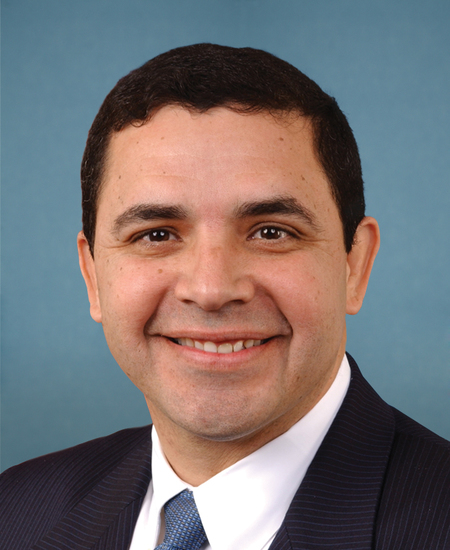
Henry Cuellar
100% support rate
Top opponent
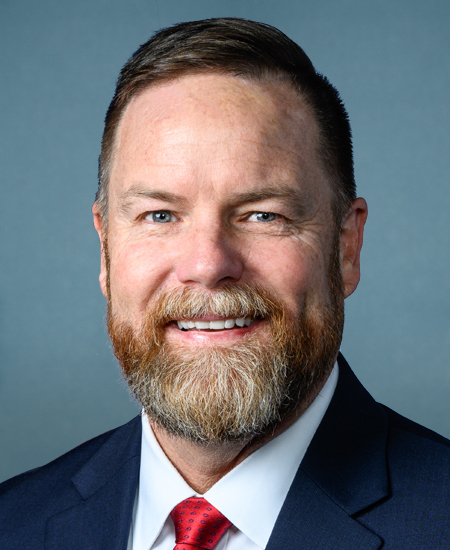
Aaron Bean
33% support rate
Ranked legislators
10
5 support · 5 oppose
Key legislators

Who's moving student financial aid in United States

Legislators moving student financial aid in United States
Legislator Party Stance Support rate Votes
Henry Cuellar
Henry Cuellar House · District 28
D
Strong +
100% 3
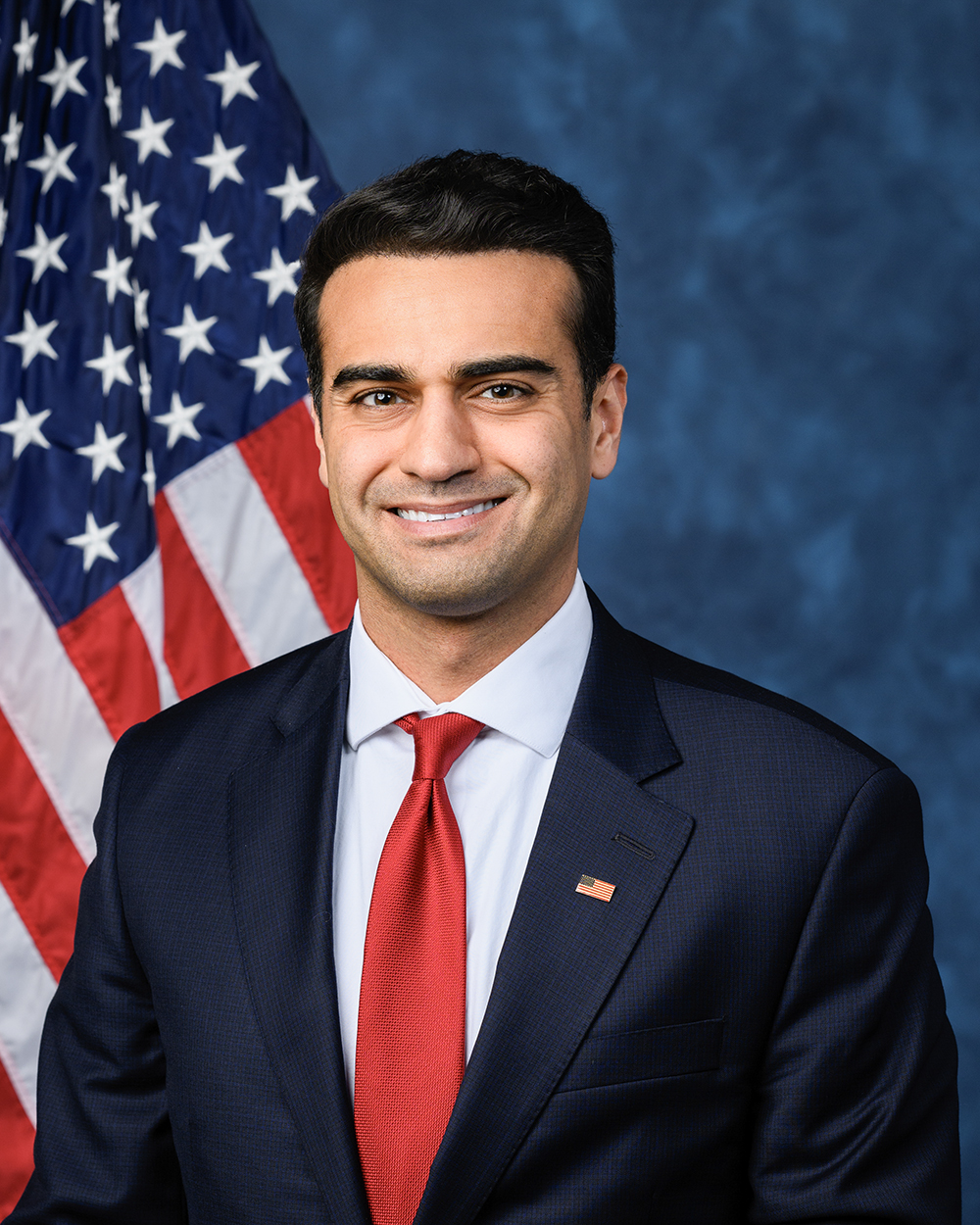
Abraham J. Hamadeh
Abraham J. Hamadeh House · District 8
R
Support
67% 3
Adam Gray
Adam Gray House · District 13
D
Support
67% 3
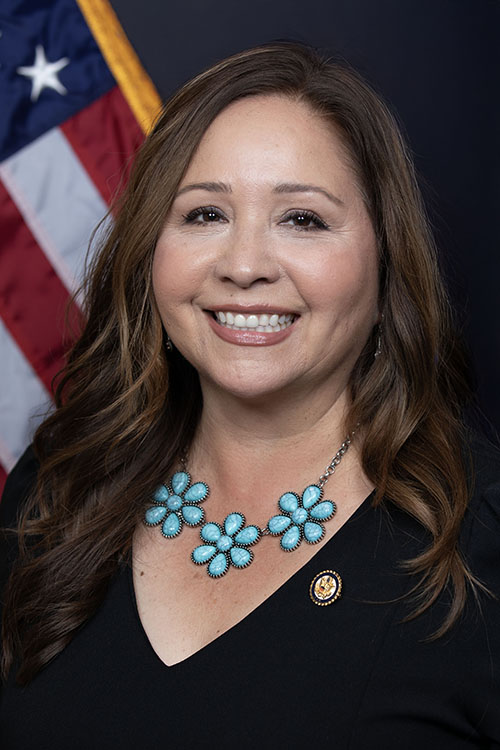
Adelita S. Grijalva
Adelita S. Grijalva House · District 7
D
Support
67% 3
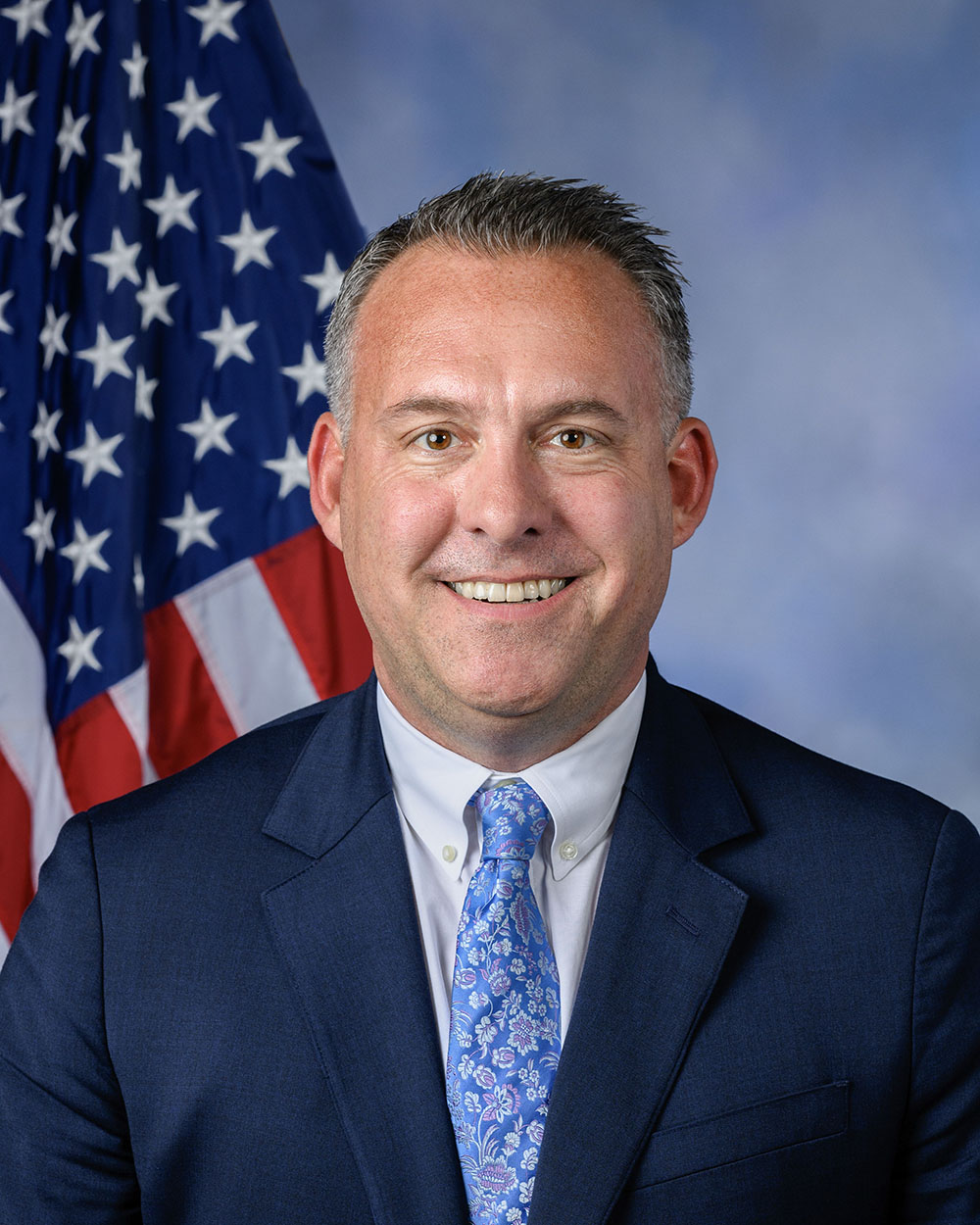
Adrian Smith
Adrian Smith House · District 3
R
Support
67% 3
Aaron Bean
Aaron Bean House · District 4
R
Oppose
33% 3
Addison P. McDowell
Addison P. McDowell House · District 6
R
Oppose
33% 3
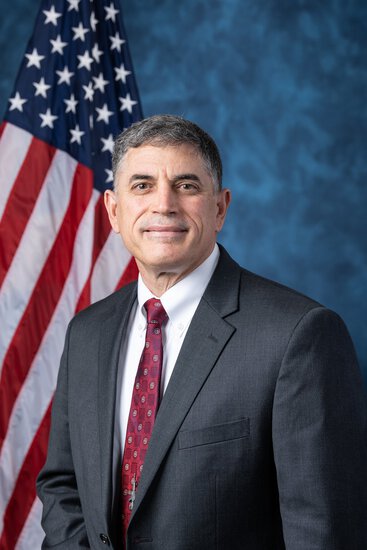
Andrew Ogles
Andrew Ogles House · District 5
R
Oppose
33% 3
Andrew S. Clyde
Andrew S. Clyde House · District 9
R
Oppose
33% 3
Andy Biggs
Andy Biggs House · District 5
R
Oppose
33% 3
Showing 251–260 of 275 bills

All education bills

in committee · United States · House May 21, 2025

HR 3530: Flight Education Access Act

The Flight Education Access Act increases federal student loan limits for students in eligible undergraduate flight education programs, with specific annual and aggregate limits based on student dependency status and year of study. To qualify, flight programs must meet completion rate requirements (70% minimum after 3 years of data collection) and follow specific certification standards for pilot training under FAA regulations. The bill requires the Department of Education to collect data on program completion rates (measured by students earning a private pilot's certificate) and submit annual reports to Congress. It authorizes $3 million annually for 11 years to implement these changes, without affecting existing pilot training requirements under current law.
in committee · United States · House Mar 21, 2025

HR 2275: SCHOOL Act of 2025

The SCHOOL Act of 2025 (HR 2275) changes how federal education funds flow by requiring states to allocate funds based on where students attend school, rather than where the school district is located. It directly affects children aged 5-17 (and students with disabilities under IDEA) enrolled in public, private, or home schools by allowing states to distribute funds through education savings accounts for eligible families. Key provisions include using federal funds for tuition, materials, therapies, and other educational expenses at the family's chosen school, while ensuring funds supplement - rather than replace - existing local resources. The bill explicitly prohibits federal control over private schools and maintains eligibility for programs like free school meals.
in committee · United States · House Dec 11, 2025

HR 6606: Opportunities for Success Act of 2025

The Opportunities for Success Act of 2025 amends the Higher Education Act to increase funding for work-based learning programs, authorizing $1.5 billion in 2027 and rising to $2.5 billion annually by 2031. The bill requires institutions to allocate at least 7% of work-study funds to compensate students in work-based learning positions and at least 3% to students with "exceptional need" during periods of nonenrollment. It defines "work-based learning" to include internships, fellowships, and apprenticeships, and establishes new metrics for determining which institutions qualify as "improved institutions" for funding allocation. The legislation also mandates new surveys to evaluate program effectiveness and requires institutions to prioritize students with Federal Pell Grants and exceptional need.
in committee · United States · Senate Dec 17, 2025

S 3538: Student Loan Tax Elimination Act

This bill repeals origination fees charged on new Federal Direct Loans under the Higher Education Act. It directly affects borrowers who take out new federal student loans through the Direct Loan program, eliminating an upfront fee they previously paid. The change takes effect for loans with their first disbursement or consolidation applications received on or after July 1 following the bill's enactment. The bill focuses solely on removing this specific fee, not on tax changes as the title suggests.
in committee · United States · Senate Jan 20, 2025

S 152: Student Empowerment Act

The Student Empowerment Act (S 152) expands the use of 529 education savings accounts to cover more K-12 school expenses for students in public, private, religious, or homeschool settings. It allows funds to pay for tuition, curriculum materials, books, online resources, licensed tutoring (with teacher credentials), standardized tests, dual enrollment fees, and licensed educational therapies for students with disabilities. The bill directly affects families using 529 accounts who educate children in elementary or secondary school, including homeschoolers. It changes existing tax rules to include these specific K-12 expenses under 529 account distributions, effective after the bill's enactment. The policy change aims to provide greater flexibility for families managing educational costs at the K-12 level.
in committee · United States · Senate Jan 29, 2025

S 292: Educational Choice for Children Act of 2025

This bill establishes tax credits for individuals and corporations who contribute to scholarship granting organizations that provide educational scholarships for eligible students. The individual tax credit is limited to 10% of adjusted gross income or $5,000, while corporate credits are capped at 5% of taxable income. The bill defines "eligible students" as those from households with income not exceeding 300% of the area median gross income, and specifies that scholarships can cover tuition, materials, tutoring, and educational therapies. The bill includes a $10 billion annual cap on tax credits, with a first-come, first-served allocation system, and requires scholarship organizations to meet specific financial and operational standards.
in committee · United States · House Dec 15, 2025

HR 6711: SPELL Act

The SPELL Act expands existing federal student loan forgiveness programs to include teachers who work with English learners or in bilingual/dual language programs. It amends the Higher Education Act to add "English language education" to the list of eligible fields for loan forgiveness, alongside math, science, and special education. Teachers must be verified by school administrators as actively teaching English learners or bilingual students in roles matching their training. This directly affects educators in public or nonprofit elementary and secondary schools who meet these specific teaching criteria. The policy change modifies current eligibility without creating new programs, applying to those qualifying after the bill's enactment date.
in committee · United States · House May 23, 2025

HR 3605: Strength in Diversity Act of 2025

The Strength in Diversity Act of 2025 provides federal grants to schools and districts with racial or socioeconomic isolation to develop and implement strategies increasing diversity. It authorizes planning grants (up to 2 years) for assessments and community engagement, and implementation grants (up to 3 years) for activities like transportation plans, teacher recruitment, innovative school assignments, and equitable enrollment systems. Recipients must track measurable progress on academic outcomes (e.g., graduation rates, achievement gaps) and diversity metrics, including reducing isolation in covered schools (public K-12 schools and publicly-funded early childhood programs). The bill requires robust community input, data-driven evaluation, and plans for sustainability beyond the grant period, with funding authorized for fiscal years 2025-2029.
in committee · United States · House Feb 6, 2025

HR 1054: Educators Expense Deduction Modernization Act of 2025

HR 1054, the Educators Expense Deduction Modernization Act of 2025, increases the annual tax deduction available to eligible K-12 teachers for out-of-pocket classroom expenses. The bill raises the deduction limit from $250 to $1,000 per year for qualifying educators, applying to taxable years beginning December 31, 2025. It amends Internal Revenue Code sections 62(a)(2)(D) and 62(d)(3) to update the deduction amount and relevant tax year references. This change directly affects elementary and secondary school teachers who itemize deductions and incur eligible classroom costs. The bill makes no other policy changes beyond modernizing the deduction amount and effective date.
in committee · United States · House Feb 10, 2025

HR 1174: Ensuring Distance Education Act

HR 1174, the Ensuring Distance Education Act, clarifies that revenue from distance education programs must count toward the 90/10 rule for for-profit colleges under the Higher Education Act. This rule limits how much a school can earn from federal student aid (capping it at 90% of total revenue). The bill explicitly adds that funds from programs offered online or partly online - regardless of location - must be included in this calculation. It directly affects for-profit colleges with distance education programs, requiring them to account for all such revenue when meeting the 90/10 compliance standard.
Showing 251 to 260 of 275 bills
Previous 1 25 26 27 28 Next