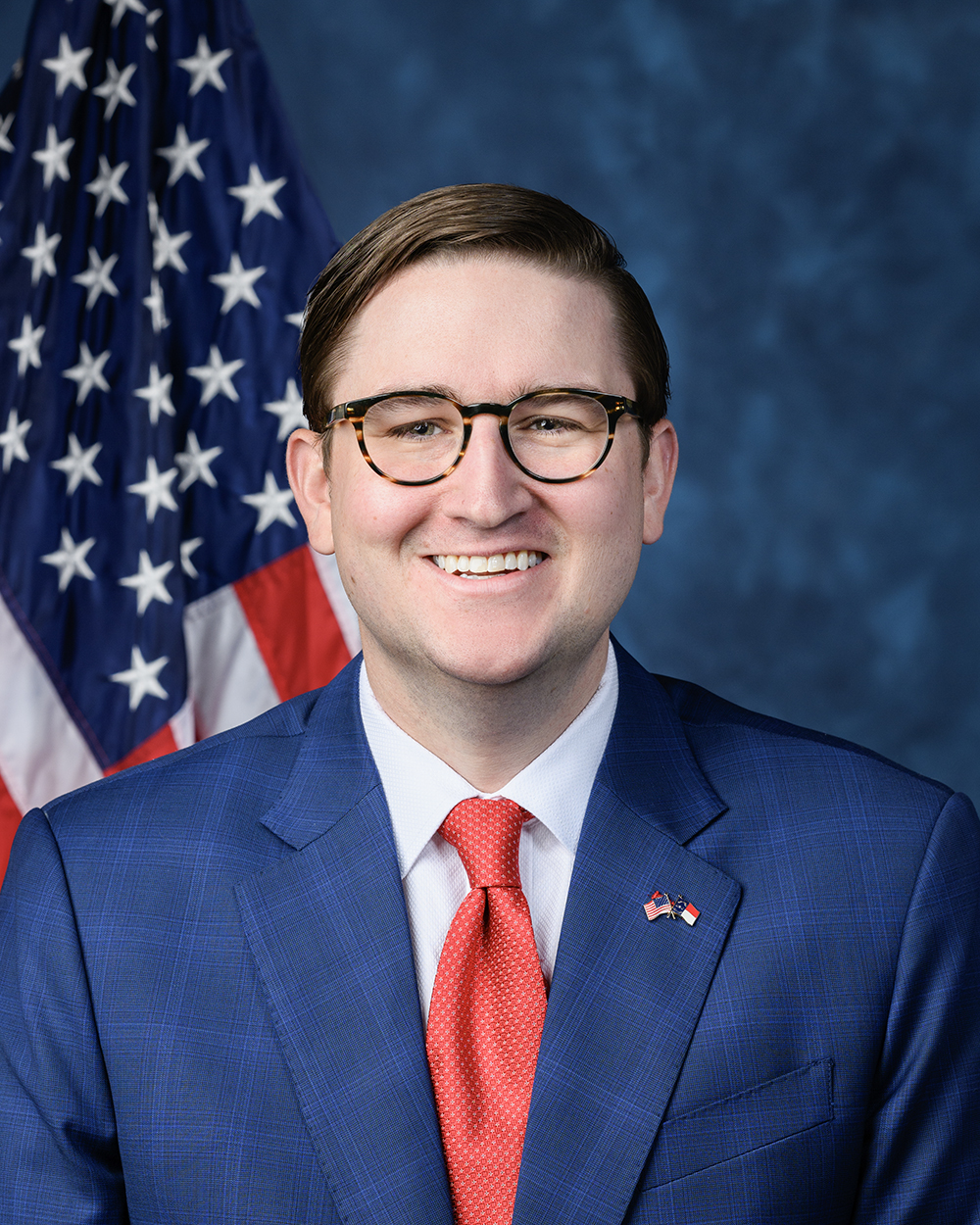
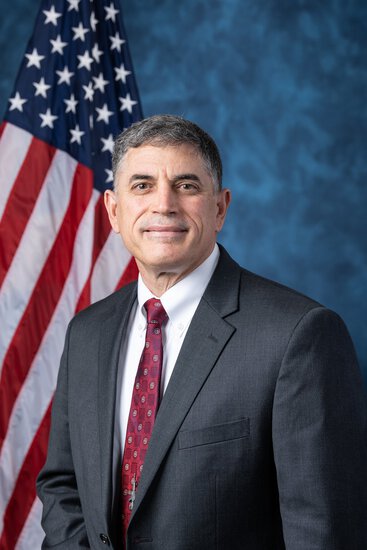
S 1924, the Improving Mental Health Access for Students Act, requires colleges and universities covered by the Higher Education Act to include suicide prevention contact information on student identification cards or their websites. Specifically, it mandates that institutions include the 988 Suicide and Crisis Lifeline, Crisis Text Line, and their campus mental health center contact details on student IDs (or publish this information online if IDs aren't issued). The bill applies to all affected institutions and takes effect one year after enactment. It directly impacts students by making critical mental health resources more visible and accessible during emergencies. The law focuses on standardizing access to existing support services, not creating new programs.
This bill modifies the Higher Education Act to allow foreign institutions of higher education to offer distance learning courses that qualify for federal student aid. It sets three key requirements: distance education must not exceed 12.5% of a program, the institution must be evaluated by an outside accreditor, and students must physically attend instruction in the foreign country. The changes apply to foreign institutions seeking to provide hybrid programs where students receive aid under the Higher Education Act. The rules take effect after enactment, with a 3-month implementation period for the first qualifying semester.
The Students Bill of Rights Act of 2025 requires public colleges and universities receiving federal student aid funds to adopt clear, neutral policies protecting student organizations. It prohibits denying recognition based on lack of faculty advisors or national affiliations, mandates transparent standards for distributing student activity fees and setting security fees (without considering speech content), and requires accessible appeal processes for denied recognition or funding. Students harmed by violations can sue for damages, and institutions failing to comply risk losing federal funding after court rulings. The bill also demands public reporting of violations and compliance efforts to the Department of Education.
This bill amends the tax code to allow 529 college savings accounts to cover certain postsecondary credentialing costs, such as certifications, licenses, and apprenticeship fees, in addition to traditional tuition. It directly affects individuals using 529 accounts who pursue industry-recognized credentials (like IT certifications, nursing licenses, or registered apprenticeships) instead of degree programs. The key provision expands "qualified higher education expenses" under Section 529(e)(3) to include tuition, testing fees, and required continuing education for recognized credentials listed in state directories or federal systems (like the COOL directory). It defines "recognized" credentials based on industry standards, federal programs, or state approval. This change enables 529 account holders to use tax-advantaged savings for workforce training beyond traditional degree paths.
This bill prohibits colleges and universities from requiring students to waive their right to sue in court through enrollment agreements. It blocks institutions from including forced arbitration clauses or other restrictions (like limiting choice of law, jury trials, or court locations) in contracts with students. The law amends the Higher Education Act to ensure students can pursue legal claims against schools directly in court, rather than through private dispute resolution. It applies to all enrollment agreements between students and institutions of higher education, effective one year after enactment.
The Haskell Indian Nations University Improvement Act would transform Haskell Indian Nations University from a Bureau of Indian Education institution into a federally chartered corporation with its own independent board of trustees. This change would allow the university to operate independently from the Bureau of Indian Education, accept private donations as a tax-exempt organization, and develop its own policies to better serve its students. The bill aims to address longstanding challenges with facility maintenance, program management, and funding dependency that have affected the university's ability to provide quality education to its approximately 900 enrolled students representing 140 tribes. The new board would be composed of 15 voting members (all enrolled in Indian Tribes) and 1 student member, with the goal of improving the university's educational mission and campus environment.
HR 6886, the Reverse Transfer Efficiency Act of 2025, simplifies the process for college students who transfer between institutions to earn a recognized postsecondary credential (like an associate degree) using previously earned credits. It amends federal education law to allow students to send their course records to a prior college for credential completion, provided they give written consent. The key change adds a new provision (M) to the law, removing barriers that previously prevented institutions from sharing these records without explicit student permission. This directly affects transfer students, particularly those moving from community colleges to four-year schools, by making it easier to complete lower-level credentials they started earlier. The bill focuses on administrative efficiency, not funding or program changes.
This bill creates grants to help colleges adopt free digital textbooks (open educational resources) in science, technology, engineering, and math courses. It directly affects institutions of higher education, requiring them to collaborate with librarians and STEM faculty to implement these courses. Key provisions include prioritizing schools with many low-income or minority students, mandating plans for faculty collaboration, and requiring annual reports on cost savings for students compared to traditional textbooks. The law defines "open educational reading materials" as free, downloadable digital texts and tracks how many STEM courses transition to using them.
This bill creates two pathways to help high school students earn college credit while in high school and graduate early. The "early college fast track pathway" allows students to take college-level courses (like AP, IB, or dual enrollment) that count toward a degree, while the "early high school graduation pathway" lets students graduate in 3 years without needing remedial college courses and provides a scholarship for college. States would receive federal grants to implement these pathways, requiring them to align high school curriculum with college requirements, create statewide credit transfer agreements, and ensure credit transfer between institutions. The bill also changes Pell Grant rules to allow eligible high school students in these pathways to receive Pell Grants without counting toward the usual 12-semester limit. It requires states to track participation and outcomes, particularly for historically underrepresented students.
This bill amends the Higher Education Act to recognize home-schooled students as high school graduates for federal student aid eligibility. It changes the definition in Section 484(d) to state that a student completing secondary education in a home school setting treated as a home or private school under state law is considered a high school graduate. This directly affects home-schooled students seeking federal financial aid for college. The key provision is a new definition that removes prior barriers to eligibility based on educational setting, aligning federal recognition with state-level home school classifications.