Issue · Education

Education (Student Financial Aid)

Every education bill, vote, and legislator stance in United States, automatically classified by Maddy, our AI policy reader.

Total bills
278
119th Congress
Top supporter
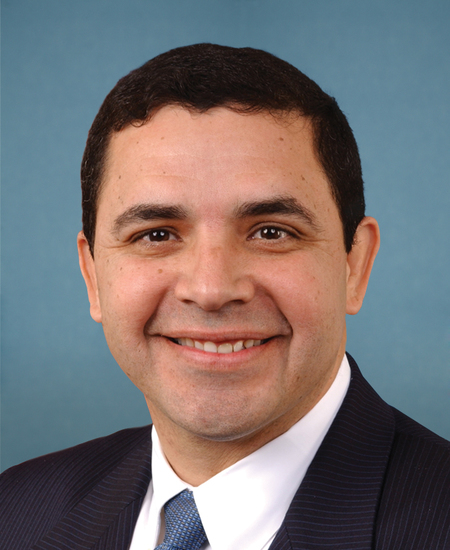
Henry Cuellar
100% support rate
Top opponent
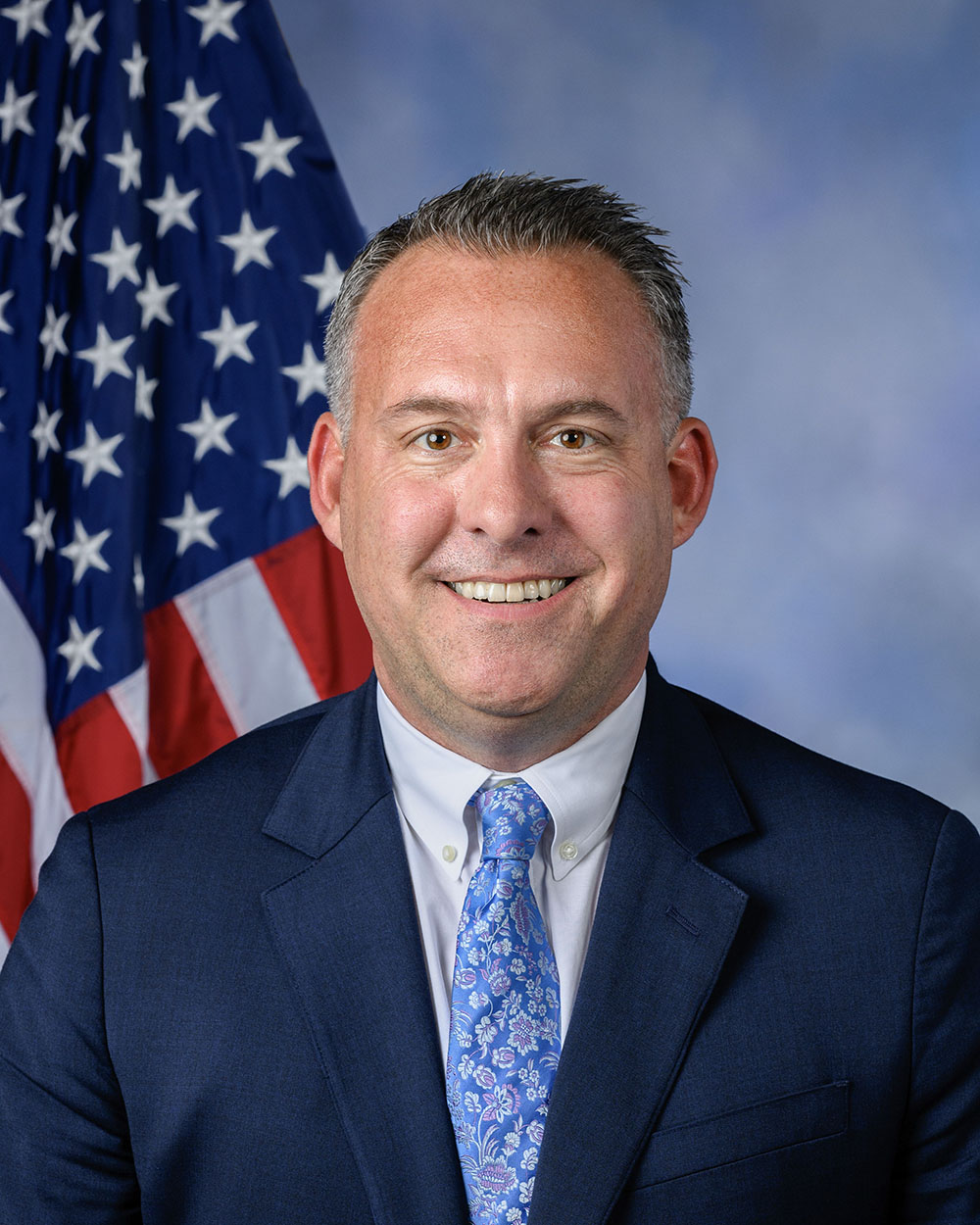
Aaron Bean
33% support rate
Ranked legislators
10
5 support · 5 oppose
Key legislators

Who's moving student financial aid in United States

Legislators moving student financial aid in United States
Legislator Party Stance Support rate Decisive votes
Henry Cuellar
Henry Cuellar House · District 28
D
Strong +
100% 3
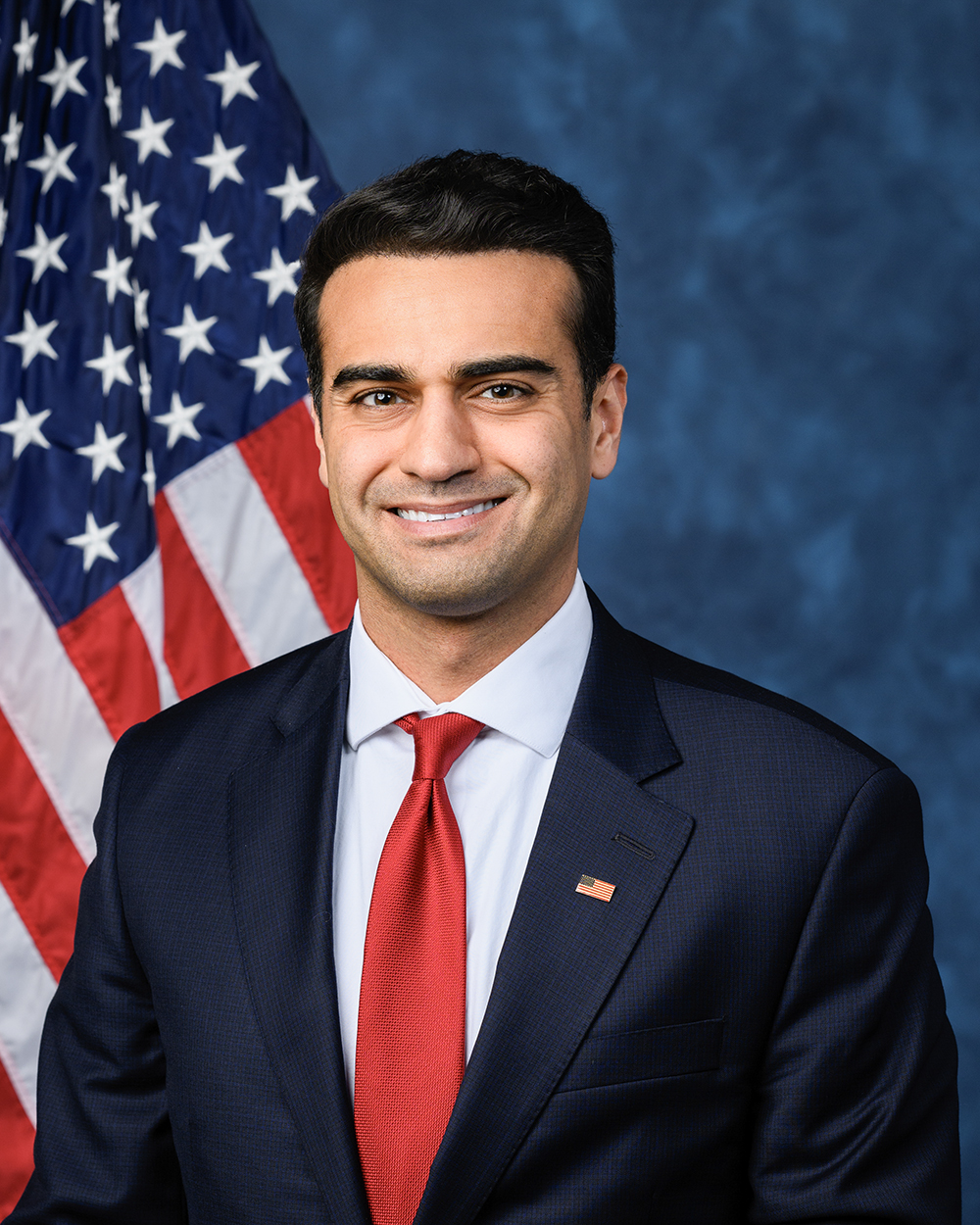
Abraham J. Hamadeh
Abraham J. Hamadeh House · District 8
R
Support
67% 3
Adam Gray
Adam Gray House · District 13
D
Support
67% 3
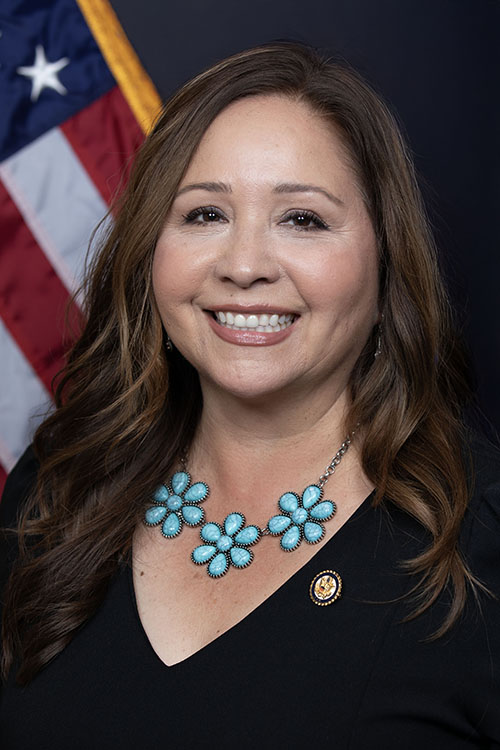
Adelita S. Grijalva
Adelita S. Grijalva House · District 7
D
Support
67% 3
Adrian Smith
Adrian Smith House · District 3
R
Support
67% 3
Aaron Bean
Aaron Bean House · District 4
R
Oppose
33% 3
Addison P. McDowell
Addison P. McDowell House · District 6
R
Oppose
33% 3
Andrew Ogles
Andrew Ogles House · District 5
R
Oppose
33% 3
Andrew S. Clyde
Andrew S. Clyde House · District 9
R
Oppose
33% 3
Andy Biggs
Andy Biggs House · District 5
R
Oppose
33% 3
Showing 161–170 of 278 bills

All education bills

in committee · United States · House Dec 10, 2025

HR 6574: Loan Equity for Advanced Professionals Act

This bill increases federal student loan limits for graduate and professional students. Starting July 1, 2026, it sets a $50,000 annual limit and a $200,000 total aggregate limit (beyond undergraduate borrowing) for unsubsidized Federal Direct Stafford loans. These changes directly affect graduate and professional students pursuing advanced degrees who rely on federal loans for education costs. The provisions aim to provide higher borrowing capacity for these students' educational expenses under the Higher Education Act.
in committee · United States · House May 20, 2025

HR 3511: Preparing for the Future Act

HR 3511, the Preparing for the Future Act, establishes a federal grant program to support students pursuing school psychology degrees. It provides up to $8,000 annually (capped at $16,000 total) for tuition and fees at approved institutions, contingent on maintaining academic standards (e.g., GPA equivalent to 3.25 or high test scores) and agreeing to serve as a full-time school psychologist in a "covered school" for four academic years within eight years of graduation. Covered schools are defined as public or nonprofit elementary/secondary schools with fewer than one psychologist per 500 students and in Title I-eligible districts. Failure to complete the service obligation converts the grant into a repayable federal loan with interest.
in committee · United States · Senate Feb 6, 2025

S 487: CHOICE Act

The CHOICE Act creates three education choice programs. It expands DC's scholarship program to allow low-income students to use funds for public or private schools, with specific enrollment requirements. It establishes a parent option program under IDEA, permitting parents of children with disabilities to use public funds for private school education while requiring schools to meet accreditation standards and prohibiting discrimination (with religious exemptions). It also creates a 5-year military scholarship pilot program providing up to $8,000 annually for elementary students and $12,000 for secondary students to attend schools of their parents' choice, with specific eligibility requirements for military dependents living on installations that don't already offer full school options.
in committee · United States · House Jan 21, 2026

HR 7183: Youth Financial Learning Act

HR 7183, the Youth Financial Learning Act, provides federal grants to state education agencies to integrate financial literacy education into public elementary and secondary schools. It directly affects schools by funding programs teaching consumer finance, credit, student loans, and financial aid through school-based curriculum, after-school partnerships with community organizations, and teacher training. Key provisions require states to provide 25% matching funds, prioritize high-need schools, ensure geographic diversity in program access, and use funds to supplement - not replace - existing education resources. The grants, available for up to four years, aim to enhance students' practical financial knowledge as part of a well-rounded education.
in committee · United States · Senate May 21, 2025

S 1832: College for All Act of 2025

College for All Act of 2025 This bill establishes measures to expand access to higher education, including by eliminating tuition and required fees for eligible students, revising the Federal Pell Grant program, and reauthorizing certain programs to assist students from disadvantaged backgrounds. Specifically, the bill provides funding to enable states and tribal colleges and universities, through a federal-state partnership, to eliminate tuition and required fees for (1) all students at community colleges and two-year tribal colleges and universities, and (2) working- and middle-class students at four-year public institutions of higher education and tribal colleges and universities. The bill provides funding to enable private, nonprofit historically Black colleges and universities and minority-serving institutions to eliminate tuition and required fees for eligible students. The bill permanently reauthorizes and otherwise revises the Federal Pell Grant program by providing funding to increase the maximum award for each eligible student, increasing the duration limit for the use of Pell Grants, allowing students to use their awards to cover living and nontuition expenses, and expanding eligibility to Dreamer students (i.e., students who have been granted Deferred Action for Childhood Arrivals status and who entered the United States before the age of 16) and students with other immigration statuses. Further, the bill requires the Department of Education to award grants to eligible states and tribal colleges and universities for improving student outcomes. The bill reauthorizes through FY2035 the Federal TRIO Programs and reauthorizes through FY2029 the Gaining Early Awareness and Readiness for Undergraduate Programs.
in committee · United States · Senate Jun 11, 2025

S 2028: Supporting Apprenticeship Colleges Act of 2025

S 2028, the Supporting Apprenticeship Colleges Act of 2025, provides federal grants to colleges offering construction and manufacturing apprenticeships to expand student recruitment and support services. It creates two grant programs: (1) community outreach grants (max $500,000 per college) to connect with high schools, employers in rural areas, and workforce boards - prioritizing rural, first-generation, minority, and nontraditional students; and (2) student support grants (max $500,000 per college) for advising, mental health services, childcare, and career development to improve program retention and completion. The bill authorizes $5 million annually (2026-2030) for these programs, targeting colleges that sponsor registered apprenticeships in construction or manufacturing. It directly affects eligible apprenticeship colleges by funding specific activities to grow enrollment and support underrepresented students in these fields.
in committee · United States · House Dec 18, 2025

HR 4054: Accreditation Choice and Innovation Act

This bill amends the Higher Education Act to reform how accrediting agencies evaluate institutions of higher education. It establishes new criteria for accrediting agencies to demonstrate independence from trade associations, allows states to designate industry-specific quality assurance entities as accrediting agencies, and creates protections for religious institutions to maintain accreditation based on their religious mission. The bill requires accrediting agencies to use risk-based review processes that adjust oversight based on institutional performance, publicly share accreditation data, and provides religious institutions with a new process to challenge accreditation decisions they believe fail to respect their religious mission. These changes directly affect accrediting agencies, higher education institutions, and students by altering the accreditation evaluation process.
in committee · United States · House Apr 1, 2025

HR 2543: Tax-Free Pell Grant Act

This bill makes Federal Pell Grants tax-free for students, removing the tax burden on these federal education awards. It also expands the American Opportunity Tax Credit to cover eligible child care costs (for students enrolled in school) and up to $1,000 for computer equipment or internet access used for education. These changes apply to tax returns filed for 2025 and later. The bill directly affects students receiving Pell Grants and those claiming the American Opportunity Credit for educational expenses.
in committee · United States · Senate May 14, 2025

S 1752: EdCOPS Act of 2025

The EdCOPS Act of 2025 creates a new education assistance program to support public safety officers and their families. It provides direct financial aid for higher education to eligible officers who have served at least 8 years with one employer and commit to continuing for 4 more years, or to their children under age 27. The aid, calculated using the same formula as the GI Bill, covers up to 45 months of full-time education or a proportional part-time period. The Attorney General administers the program, prioritizing applicants with financial need through a sliding scale, and requires recipients to maintain satisfactory academic progress.
in committee · United States · Senate Mar 19, 2026

S 3401: Pathways to Prosperity Act

The Pathways to Prosperity Act creates a new grant program to strengthen workforce development at community colleges. It provides competitive grants to community colleges to develop programs that prepare students for high-skill, high-wage jobs through partnerships with employers in growing industries. The bill requires colleges to use proven methods, create credentials that can be used across different jobs or built upon for further training, and track outcomes like program completion and job advancement. It also establishes performance metrics for program evaluation and requires transparent public reporting of results. This legislation primarily affects community colleges, students, and workers seeking career advancement in specific industry sectors.
Showing 161 to 170 of 278 bills
Previous 1 16 17 18 28 Next