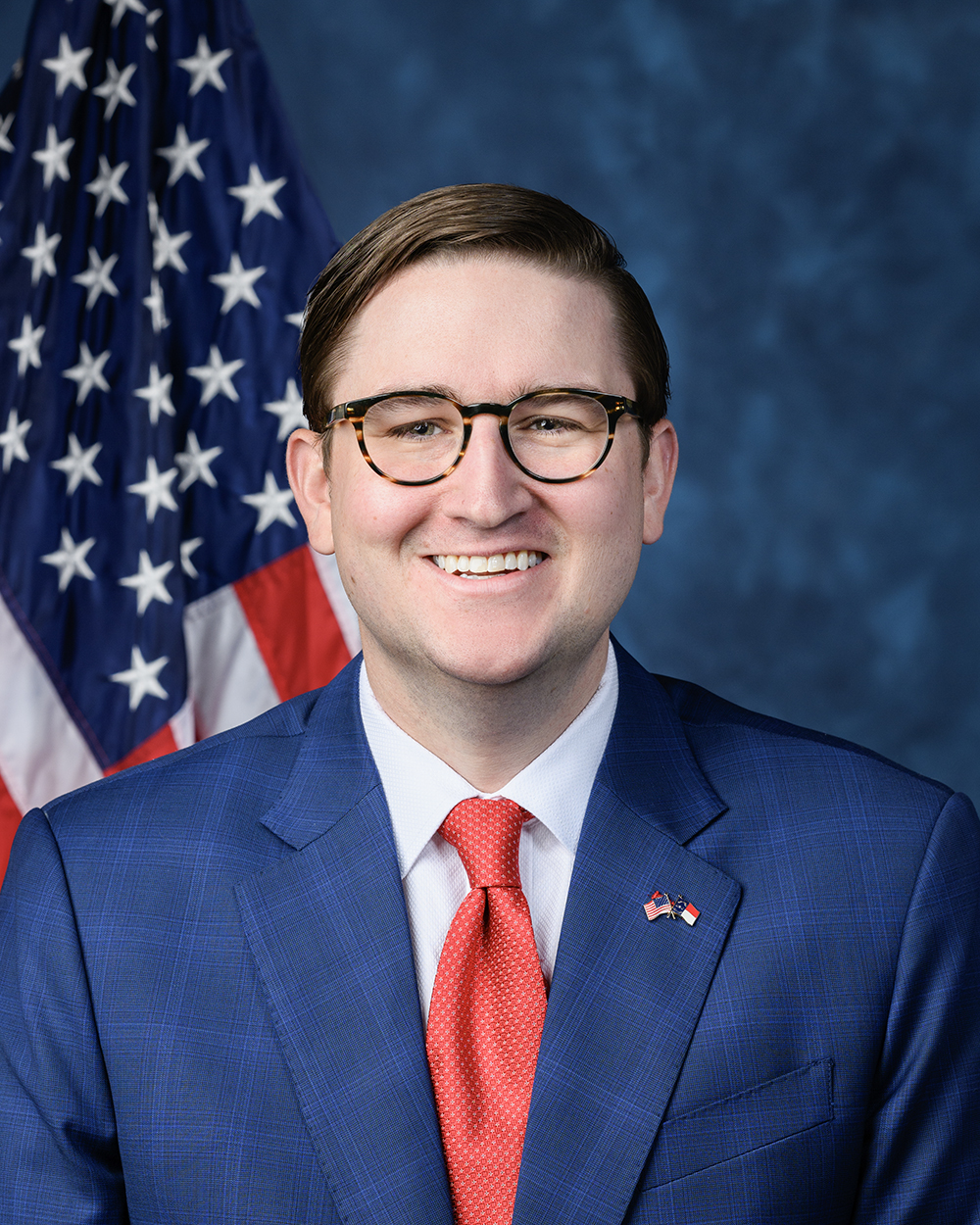
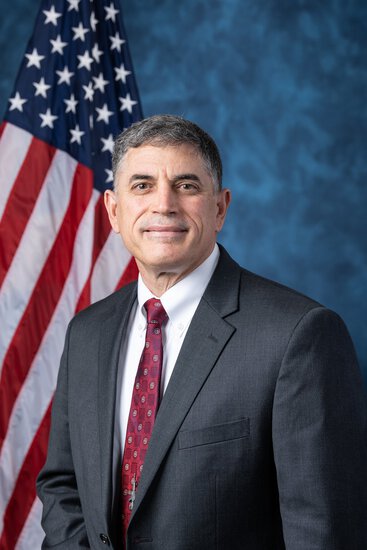
HR 5532 would establish a federal program to provide grants to states that develop comprehensive plans for tuition-free community college. States would receive funding to cover tuition costs for eligible students and provide direct aid for non-tuition expenses like housing, childcare, transportation, and food insecurity. The program requires states to create interagency committees coordinating workforce, education, and human services systems, with priority for low-income students, those without postsecondary credentials, and students facing employment barriers. It mandates data collection on enrollment, retention, completion rates, and outcomes related to in-demand industry sectors, with implementation over a 5-year period using 100% federal funding for tuition costs. This would affect community college students in participating states who meet eligibility requirements, including those without high school diplomas or postsecondary credentials.
The College Financial Aid Clarity Act of 2025 requires colleges and universities that receive federal financial aid to provide clearer, more standardized financial aid offers to students starting July 1, 2029. Institutions must include specific information such as total cost of attendance, grant and scholarship amounts, loan terms with interest rates, renewal requirements, and clear distinctions between required costs and other costs. The bill mandates plain language, consistent formatting, and requires institutions to provide links to resources like the College Financing Plan website and College Scorecard. This directly affects students receiving financial aid offers from participating institutions, aiming to make financial aid offers more transparent and easier to understand.
This bill increases the maximum annual education voucher amount for foster youth from $5,000 to $12,000 under the Social Security Act. It requires states to improve awareness of these benefits through simplified application forms, electronic access, and coordination with other programs. The bill directly affects foster youth aged 18-26 who are pursuing postsecondary education, providing greater financial support and clearer pathways to access education. States must also develop outreach strategies based on youth input to ensure eligible individuals can access these resources.
This bill exempts certain loan repayments from taxable income for dental school faculty participating in federal or state loan repayment programs under the Public Health Service Act. It directly affects dental educators who receive funding through programs like the Dental Faculty Development and Loan Repayment Program (section 748(a)(2) of the Public Health Service Act). The key provision amends tax law to exclude these repayments from taxable income, reducing financial burden for faculty in participating schools. A separate requirement directs the GAO to report on program participation, including whether recipients remain full-time faculty teaching in dental clinics at schools or community sites.
This bill increases federal student loan limits for graduate and professional students. Starting July 1, 2026, it sets a $50,000 annual limit and a $200,000 total aggregate limit (beyond undergraduate borrowing) for unsubsidized Federal Direct Stafford loans. These changes directly affect graduate and professional students pursuing advanced degrees who rely on federal loans for education costs. The provisions aim to provide higher borrowing capacity for these students' educational expenses under the Higher Education Act.
HR 3511, the Preparing for the Future Act, establishes a federal grant program to support students pursuing school psychology degrees. It provides up to $8,000 annually (capped at $16,000 total) for tuition and fees at approved institutions, contingent on maintaining academic standards (e.g., GPA equivalent to 3.25 or high test scores) and agreeing to serve as a full-time school psychologist in a "covered school" for four academic years within eight years of graduation. Covered schools are defined as public or nonprofit elementary/secondary schools with fewer than one psychologist per 500 students and in Title I-eligible districts. Failure to complete the service obligation converts the grant into a repayable federal loan with interest.
The CHOICE Act creates three education choice programs. It expands DC's scholarship program to allow low-income students to use funds for public or private schools, with specific enrollment requirements. It establishes a parent option program under IDEA, permitting parents of children with disabilities to use public funds for private school education while requiring schools to meet accreditation standards and prohibiting discrimination (with religious exemptions). It also creates a 5-year military scholarship pilot program providing up to $8,000 annually for elementary students and $12,000 for secondary students to attend schools of their parents' choice, with specific eligibility requirements for military dependents living on installations that don't already offer full school options.
HR 7183, the Youth Financial Learning Act, provides federal grants to state education agencies to integrate financial literacy education into public elementary and secondary schools. It directly affects schools by funding programs teaching consumer finance, credit, student loans, and financial aid through school-based curriculum, after-school partnerships with community organizations, and teacher training. Key provisions require states to provide 25% matching funds, prioritize high-need schools, ensure geographic diversity in program access, and use funds to supplement - not replace - existing education resources. The grants, available for up to four years, aim to enhance students' practical financial knowledge as part of a well-rounded education.
College for All Act of 2025 This bill establishes measures to expand access to higher education, including by eliminating tuition and required fees for eligible students, revising the Federal Pell Grant program, and reauthorizing certain programs to assist students from disadvantaged backgrounds. Specifically, the bill provides funding to enable states and tribal colleges and universities, through a federal-state partnership, to eliminate tuition and required fees for (1) all students at community colleges and two-year tribal colleges and universities, and (2) working- and middle-class students at four-year public institutions of higher education and tribal colleges and universities. The bill provides funding to enable private, nonprofit historically Black colleges and universities and minority-serving institutions to eliminate tuition and required fees for eligible students. The bill permanently reauthorizes and otherwise revises the Federal Pell Grant program by providing funding to increase the maximum award for each eligible student, increasing the duration limit for the use of Pell Grants, allowing students to use their awards to cover living and nontuition expenses, and expanding eligibility to Dreamer students (i.e., students who have been granted Deferred Action for Childhood Arrivals status and who entered the United States before the age of 16) and students with other immigration statuses. Further, the bill requires the Department of Education to award grants to eligible states and tribal colleges and universities for improving student outcomes. The bill reauthorizes through FY2035 the Federal TRIO Programs and reauthorizes through FY2029 the Gaining Early Awareness and Readiness for Undergraduate Programs.
S 2028, the Supporting Apprenticeship Colleges Act of 2025, provides federal grants to colleges offering construction and manufacturing apprenticeships to expand student recruitment and support services. It creates two grant programs: (1) community outreach grants (max $500,000 per college) to connect with high schools, employers in rural areas, and workforce boards - prioritizing rural, first-generation, minority, and nontraditional students; and (2) student support grants (max $500,000 per college) for advising, mental health services, childcare, and career development to improve program retention and completion. The bill authorizes $5 million annually (2026-2030) for these programs, targeting colleges that sponsor registered apprenticeships in construction or manufacturing. It directly affects eligible apprenticeship colleges by funding specific activities to grow enrollment and support underrepresented students in these fields.