Issue · Education

Education

Every education bill, vote, and legislator stance in United States, automatically classified by Maddy, our AI policy reader.

Total bills
1,063
119th Congress
Top supporter
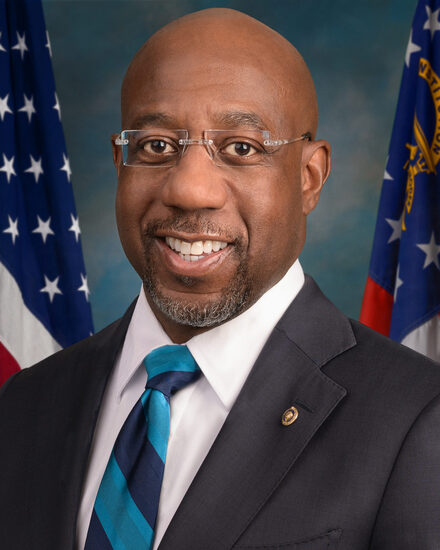
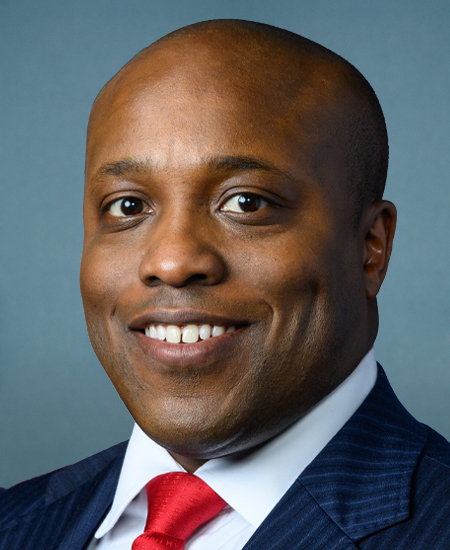
Raphael G. Warnock
100% support rate
Top opponent
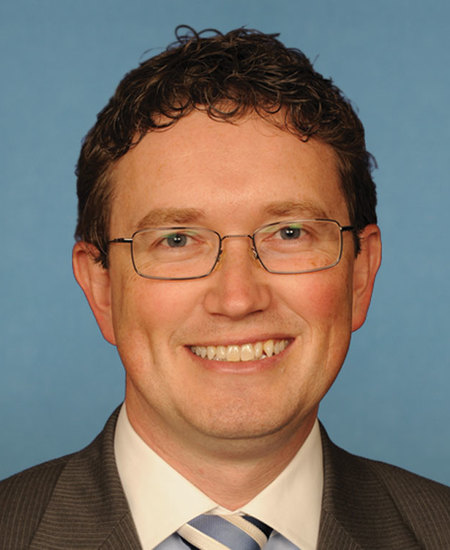
Thomas Massie
14% support rate
Ranked legislators
10
5 support · 5 oppose
Key legislators

Who's moving education in United States

Legislators moving education in United States
Legislator Party Stance Support rate Votes
Raphael G. Warnock
Raphael G. Warnock Senate
D
Strong +
100% 167
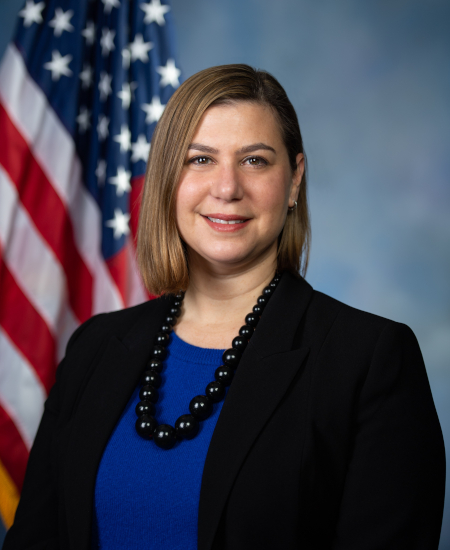
Elissa Slotkin
Elissa Slotkin Senate
D
Strong +
86% 166
Michael F. Bennet
Michael F. Bennet Senate
D
Strong +
86% 137
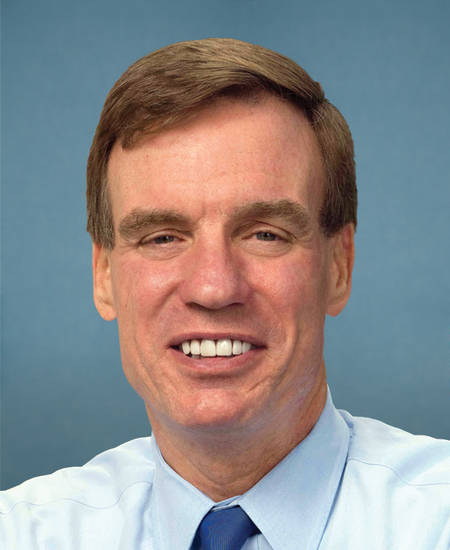
Mark R. Warner
Mark R. Warner Senate
D
Strong +
86% 167
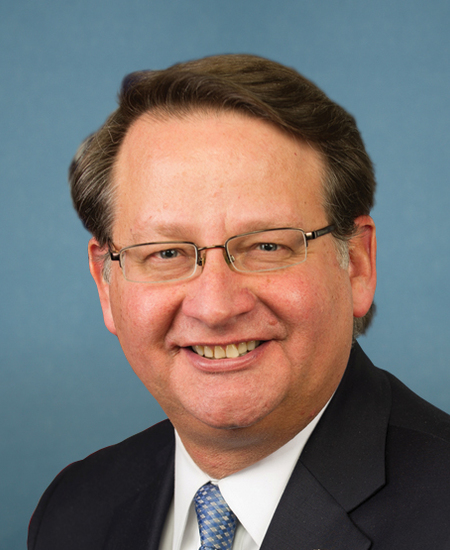
Gary C. Peters
Gary C. Peters Senate
D
Strong +
86% 167
Thomas Massie
Thomas Massie House · District 4
R
Strong −
14% 126
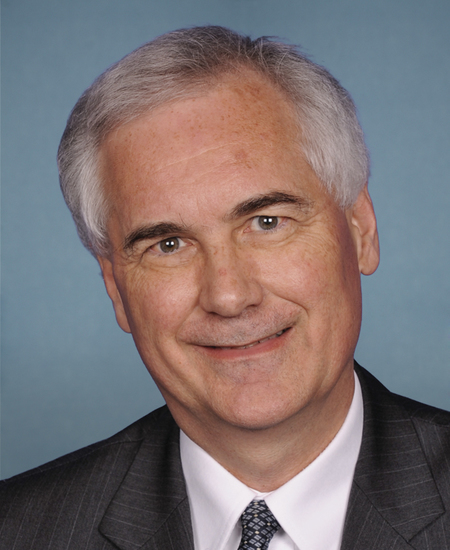
Tom McClintock
Tom McClintock House · District 5
R
Strong −
14% 125
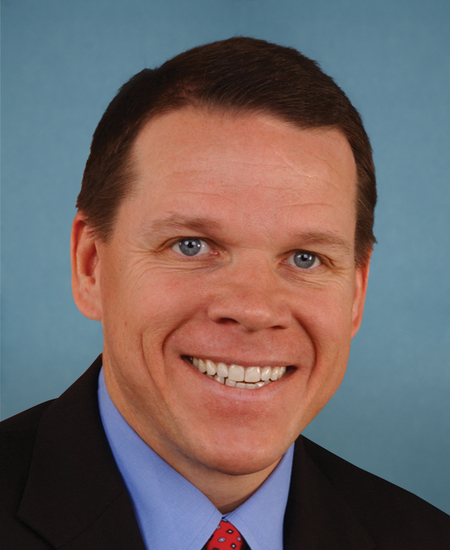
Sam Graves
Sam Graves House · District 6
R
Strong −
14% 124
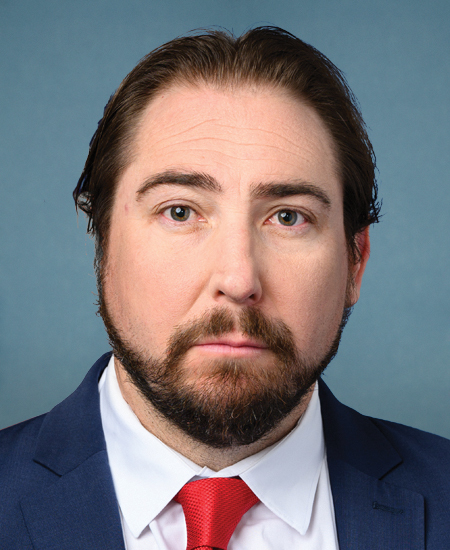
Elijah Crane
Elijah Crane House · District 2
R
Strong −
14% 128
Wesley Hunt
Wesley Hunt House · District 38
R
Strong −
14% 109
Showing 151–160 of 1,063 bills

All education bills

in committee · United States · House Jun 4, 2026

HR 9164: FRESH Act

The FRESH Act establishes a grant program to help schools purchase and install refrigeration equipment for storing and dispensing milk. This funding is available to local school districts, tribal organizations, and their consortia on a competitive basis, with the federal government covering up to 75 percent of the project costs. The bill authorizes $4 million annually from 2027 through 2031 to support these initiatives under the National School Lunch Act.
Sub-Topics Student Health
in committee · United States · House Dec 2, 2025

HR 5541: Every Kid Outdoors Reauthorization Act

HR 5541, the Every Kid Outdoors Reauthorization Act, expands eligibility for the program to include fifth graders (ages 10-11) and home-schooled learners in that age range, replacing the previous requirement for 10-year-olds. The bill authorizes $25 million annually for the National Park Service to support program operations, promote the initiative to schools and families, provide transportation assistance to financially needy schools and organizations, and conduct targeted outreach to underserved communities and children with disabilities. This reauthorization directly affects fifth-grade students and home-schooled learners aged 10-11, as well as schools and youth organizations participating in the program. The key change is broadening the age group served while maintaining the program's funding structure for operational support and equitable access.
in committee · United States · Senate Jul 21, 2026

S 4767: Renewing the African American Civil Rights Network Act

The Renewing the African American Civil Rights Network Act extends the funding authorization for the African American Civil Rights Network by three years. This change allows the network to continue its operations and support civil rights education for an additional period beyond the original seven-year limit. The bill directly affects the federal funding available to this specific organization but does not alter its core mission or activities. By updating the timeline in the relevant section of the U.S. Code, the legislation ensures continued financial support without changing the program's substantive provisions.
Sub-Topics Civil Rights
in committee · United States · Senate Aug 6, 2026

S 4689: READ Act

The READ Act aims to improve student literacy by directing federal funding toward evidence-based reading instruction known as the science of reading, which explicitly teaches phonics and decoding while prohibiting the use of the three-cueing model. Under this bill, the U.S. Department of Education would distribute grants to states, with a specific focus on those performing in the lowest tier of reading assessments, to implement statewide policies, update teacher training standards, and provide universal early literacy screenings for all students before third grade. The legislation also requires schools to notify parents when a student is identified as at risk for reading difficulties and mandates that these notifications be provided in the family's primary language. Additionally, the act allocates funds to support high-quality instructional materials, literacy coaching for teachers, and interventions like tutoring for struggling readers, while ensuring that federal money supplements rather than replaces local education spending.
Sub-Topics Curriculum Teachers
in committee · United States · House Jun 11, 2026

HR 9260: Departments of Labor, Health and Human Services, and Education, and Related Agencies Appropriations Act, 2027

Departments of Labor, Health and Human Services, and Education, and Related Agencies Appropriations Act, 2027 This bill provides FY2027 appropriations to the Departments of Labor, Health and Human Services, and Education; and related agencies. The bill provides appropriations to the Department of Labor for the Employment and Training Administration, the Veterans' Employment and Training Service, the Employee Benefits Security Administration, the Pension Benefit Guaranty Corporation, the Wage and Hour Division, the Office of Labor-Management Standards, the Office of Workers' Compensation Programs, the Occupational Safety and Health Administration, the Mine Safety and Health Administration, the Bureau of Labor Statistics, the Office of Disability Employment Policy, and Departmental Management. The bill provides appropriations to the Department of Health and Human Services for the Health Resources and Services Administration, the Centers for Disease Control and Prevention, the National Institutes of Health, the Substance Abuse and Mental Health Services Administration, the Centers for Medicare and Medicaid Services, the Administration for Children and Families, the Administration for Community Living, the Administration for Strategic Preparedness and Response, and the Office of the Secretary. The bill provides appropriations to the Department of Education for the Office of Elementary and Secondary Education; the Office of Special Education and Rehabilitative Services; the Office of Career, Technical, and Adult Education; the Office of Federal Student Aid; the Office of Postsecondary Education; the Institute of Education Sciences; and Departmental Management. The bill also provides appropriations to several related agencies, including the Committee for Purchase From People Who Are Blind or Severely Disabled, the Corporation for National and Community Service, the Federal Mediation and Conciliation Service, the Federal Mine Safety and Health Review Commission, the Institute of Museum and Library Services, the Medicaid and CHIP Payment and Access Commission, the Medicare Payment Advisory Commission, the National Council on Disability, the National Labor Relations Board, the National Mediation Board, the Occupational Safety and Health Review Commission, the Railroad Retirement Board, and the Social Security Administration. The bill also sets forth requirements and restrictions for using funds provided by this and other appropriations acts.
in committee · United States · Senate Jun 10, 2026

S 4730: Community College Agriculture Advancement Act of 2026

The Community College Agriculture Advancement Act of 2026 creates a new funding program to support junior and community colleges in expanding their agriculture and natural resources programs. The bill authorizes $20 million annually from 2027 to 2031 for competitive grants that colleges can use to improve workforce training, education, research, and outreach. Eligible institutions may use these funds to purchase equipment, hire faculty, develop apprenticeships, and offer courses in farm business management. The legislation also allows colleges to apply for a special designation as a center of excellence to demonstrate best practices and provide regional leadership.
Sub-Topics Career & Technical Education Higher Education Tags Agriculture
in committee · United States · House Jun 8, 2026

HR 9177: Improving Mentorship in STEM Higher Education Act

This bill establishes a five-year demonstration program to fund projects that improve mentorship practices for faculty, graduate students, and postdoctoral researchers in science, technology, engineering, and mathematics fields. It allows the National Science Foundation to award grants to universities and nonprofit organizations for initiatives focused on building mentoring skills, training cultural competencies, and researching better mentorship methods, with special priority given to minority-serving and rural institutions. Additionally, the legislation updates reporting requirements to include institutional processes for addressing harassment, discrimination, and professional misconduct. The program is authorized to receive up to $5 million annually from fiscal years 2027 through 2031, with a requirement to report on its effectiveness after five years.
in committee · United States · House Jun 4, 2026

HR 9166: Student Loan Refinancing Act of 2026

The Student Loan Refinancing Act of 2026 establishes a new program allowing borrowers to refinance existing Federal Direct and FFEL Program loans into new Federal Direct loans with fixed interest rates. The bill requires the Secretary of Education to offer these refinanced loans at interest rates equal to the current rates for new loans of the same type, while protecting borrowers from origination fees and ensuring the total repayment period does not increase. To facilitate this process, the legislation mandates a public awareness campaign and includes specific rules that allow payments made on the original loans to count toward income-driven repayment plans and public service loan forgiveness. Additionally, the act limits borrowers to refinancing their loans no more than twice within a ten-year period to prevent repeated refinancing.
in committee · United States · Senate Jun 11, 2026

S 4778: Postsecondary Student Success Act of 2026

The Postsecondary Student Success Act of 2026 creates a competitive grant program to help colleges and universities support high-need students, such as those from low-income backgrounds, first-generation college attendees, and military-connected individuals. Under this bill, the Department of Education would award funds to eligible institutions for six years to implement specific, evidence-based strategies aimed at improving student retention and graduation rates. Applicants must submit detailed plans outlining how they will use these funds for services like academic advising, career coaching, and emergency financial assistance, with a requirement to include at least one highly proven reform practice. Additionally, the law sets aside a portion of the funding specifically for Tribal Colleges and Universities and mandates an independent evaluation to measure the program's effectiveness in increasing student success.
in committee · United States · House Sep 8, 2026

HR 9203: Student Protection and University Accountability Act

The Student Protection and University Accountability Act requires colleges receiving federal funds to establish clear, public processes for investigating discrimination complaints based on race, color, or national origin. Under this bill, universities must designate a compliance officer, provide detailed explanations for their investigative decisions, and notify complainants of outcomes within 30 days. The law also mandates that schools display federal anti-discrimination materials on campus and makes them ineligible for funding if they fail to comply with these requirements for two consecutive years. Additionally, the bill directs the Department of Education to report monthly on discrimination complaints to Congress and prohibits the agency from dismissing or delaying investigations when similar claims are filed elsewhere.
Sub-Topics Higher Education
Showing 151 to 160 of 1,063 bills
Previous 1 15 16 17 107 Next