Issue · Education

Education (Student Financial Aid)

Every education bill, vote, and legislator stance in United States, automatically classified by Maddy, our AI policy reader.

Total bills
278
119th Congress
Top supporter
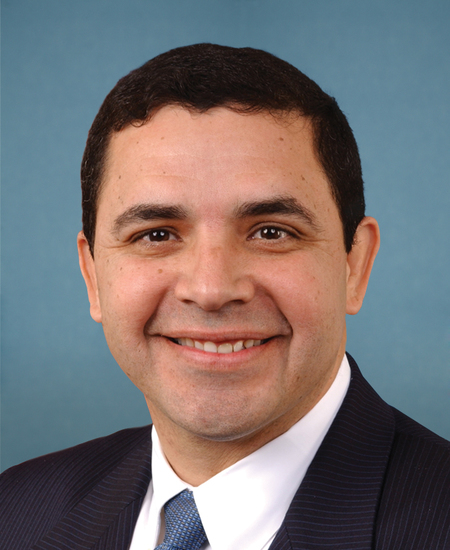
Henry Cuellar
100% support rate
Top opponent
Aaron Bean
33% support rate
Ranked legislators
10
5 support · 5 oppose
Key legislators

Who's moving student financial aid in United States

Legislators moving student financial aid in United States
Legislator Party Stance Support rate Decisive votes
Henry Cuellar
Henry Cuellar House · District 28
D
Strong +
100% 3
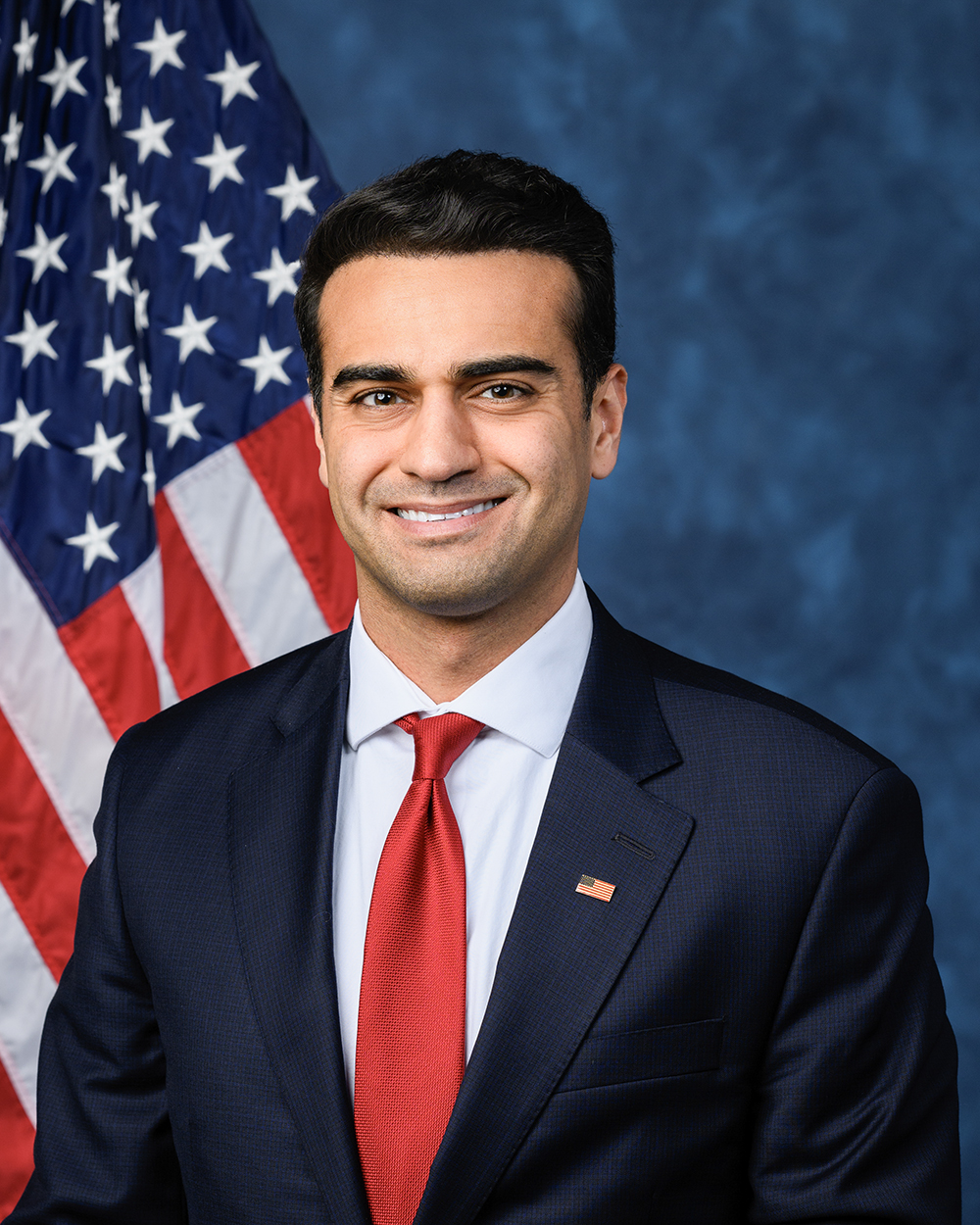
Abraham J. Hamadeh
Abraham J. Hamadeh House · District 8
R
Support
67% 3
Adam Gray
Adam Gray House · District 13
D
Support
67% 3
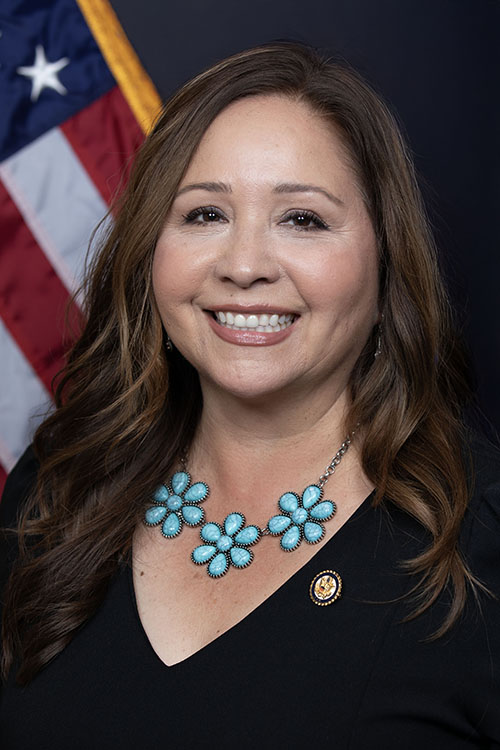
Adelita S. Grijalva
Adelita S. Grijalva House · District 7
D
Support
67% 3
Adrian Smith
Adrian Smith House · District 3
R
Support
67% 3
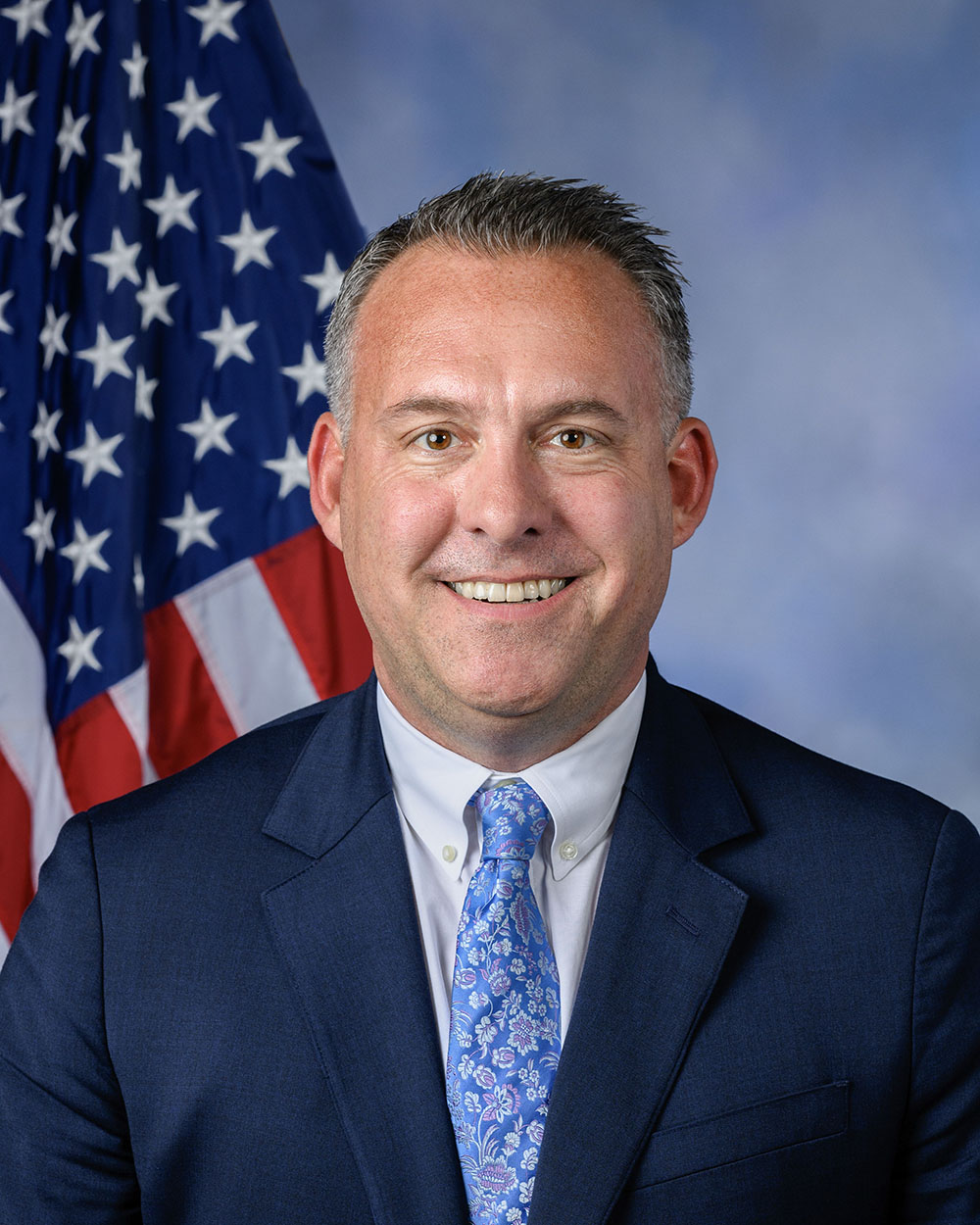
Aaron Bean
Aaron Bean House · District 4
R
Oppose
33% 3
Addison P. McDowell
Addison P. McDowell House · District 6
R
Oppose
33% 3
Andrew Ogles
Andrew Ogles House · District 5
R
Oppose
33% 3
Andrew S. Clyde
Andrew S. Clyde House · District 9
R
Oppose
33% 3
Andy Biggs
Andy Biggs House · District 5
R
Oppose
33% 3
Showing 131–140 of 278 bills

All education bills

in committee · United States · House Apr 8, 2025

HR 2733: Pell Grant Flexibility Act

HR 2733, the Pell Grant Flexibility Act, amends the Higher Education Act to better support students with disabilities. It allows students with disabilities (as defined by the ADA) who need a reduced course load to have that reduced load counted as full-time enrollment for calculating their Pell Grant amount - specifically, using the greater of their reduced load or 5 credits. This change directly affects eligible students with disabilities who attend college part-time due to their condition. The provision does not impact semester eligibility calculations for Pell Grants under existing rules.
Sub-Topics Higher Education Student Financial Aid Tags People with Disabilities
in committee · United States · House Mar 31, 2025

HR 2490: No In-State Tuition for Illegal Immigrants Act

HR 2490, the "No In-State Tuition for Illegal Immigrants Act," would require states to charge non-citizens not lawfully present in the U.S. the same out-of-state tuition rate at public colleges as other non-residents, or risk losing federal education funding. Specifically, states that offer in-state tuition rates to undocumented immigrants would become ineligible for Title IV federal student aid funds under the Higher Education Act starting the year after the violation is identified. This provision directly affects public universities in states that currently provide in-state tuition to undocumented immigrants, as they would lose access to federal financial aid programs. The bill does not change state tuition laws directly but ties federal funding eligibility to compliance with the new requirement.
in committee · United States · House Jun 12, 2025

HR 3943: Opportunity To Address College Hunger Act

This bill requires colleges receiving federal work-study funds to notify eligible students about potential eligibility for the SNAP food assistance program. It specifically targets students participating in federal work-study or receiving Pell Grants, mandating that institutions send email notifications with state-specific SNAP eligibility details and a document confirming their work-study status to overcome a key ineligibility barrier. The notifications, developed jointly by the Education and Agriculture Departments, include application contacts and guidance for schools on identifying eligible students. The policy change directly enables more college students to access nutrition assistance by clarifying their SNAP eligibility through institutional outreach.
in committee · United States · House Sep 11, 2025

HR 5308: Service Starts At Home Act

The Service Starts At Home Act (HR 5308) provides federal funding to support local government internships for secondary and undergraduate students, and offers scholarships based on volunteer service hours. It authorizes $50 million annually (2026-2030) for competitive grants to states or local governments to create paid internships, requiring educational value and accommodations for interns. Additionally, it allocates $100 million annually for state-administered scholarships (up to $3,000 per year) to students who complete 100-250+ volunteer hours, with priority for renewal applicants, and allows funds to cover college costs of attendance. The bill directly affects students in public schools, colleges, and local governments, focusing on community engagement through structured programs rather than broad policy changes.
in committee · United States · House Feb 27, 2025

HR 1759: Affordable PLUS Repayment Options for Parents Act of 2025

HR 1759, the Affordable PLUS Repayment Options for Parents Act of 2025, allows parents who borrowed Federal Direct PLUS loans to pay for their dependent child's education to enroll in income-driven repayment plans. The bill removes a previous exclusion that barred these PLUS loans from income-contingent and income-based repayment plans under the Higher Education Act. Key provisions amend Sections 455 and 493C to make PLUS loans for dependent students and related consolidation loans eligible for these plans. This change applies to borrowers with outstanding balances on such loans who are repaying or will repay under these specific plans, effective upon the bill's enactment.
in committee · United States · House Jan 16, 2025

HR 486: Young Americans Financial Literacy Act

HR 486, the Young Americans Financial Literacy Act, authorizes $27.5 million to $55 million annually through 2029 to fund competitive grants for centers of excellence focused on financial literacy education for individuals aged 8-24. These centers, established by eligible institutions like schools, nonprofits, or financial organizations, must develop research-based programs covering budgeting, debt management, student loan guidance, and avoiding pitfalls like predatory lending. The bill specifically requires programs to address at-risk populations, include evidence-based teaching methods, and serve groups such as high school graduates, college students, young families, and military personnel. It mandates annual reporting to Congress on grant recipients and the populations they serve, with funding ending in 2029.
in committee · United States · House May 1, 2025

HR 3165: Student Loan Tax Elimination Act

HR 3165, the Student Loan Tax Elimination Act, repeals origination fees charged when borrowers receive new federal direct student loans. This directly affects new borrowers taking out federal direct loans under part D of Title IV of the Higher Education Act. The bill removes an upfront fee paid at loan disbursement, reducing the initial cost for these borrowers. The change applies to loans with first disbursement or consolidation applications received on or after July 1 following the bill's enactment.
passed · United States · House Jan 26, 2026

HR 6359: Pregnant Students’ Rights Act

This bill requires colleges receiving federal student aid to provide clear information about pregnancy-related accommodations and resources to all students annually. It mandates institutions to send emails to enrolled students each academic year, include details in student handbooks and orientations, and display the information at health centers and on websites. The disclosure must cover campus/community resources for pregnant students, available accommodations, and how to file complaints under Title IX regarding pregnancy discrimination. The bill does not create new rights but ensures existing protections and resources are communicated to students. It directly affects all participating colleges and pregnant students enrolled in higher education programs.
in committee · United States · House Jul 21, 2025

HR 4575: Jobs in the Woods Act

The Jobs in the Woods Act establishes a federal grant program to fund career training in forestry operations and products industries. It provides competitive grants (ranging from $500,000 to $2 million over up to 4 years) to eligible entities like nonprofits, states, tribes, or community colleges in targeted rural areas. These areas must be nonmetropolitan low-income communities, have broadband access, or have populations under 50,000. Grants require applicants to demonstrate regional need, plan for program sustainability, partner with schools, and address aging workforces or youth migration. The program is funded at $10 million annually from 2026 through 2030.
in committee · United States · House Feb 6, 2025

HR 1055: CONSTRUCTS Act of 2025

The CONSTRUCTS Act of 2025 creates a federal grant program to fund training programs at community colleges and career schools focused on residential construction careers. It targets rural areas and underserved populations - including veterans, low-income individuals, and groups with historically low representation in construction - to develop skills in trades like carpentry, plumbing, electrical work, and HVAC. Grants, totaling $20 million annually from 2026-2030, require flexible scheduling, partnerships with construction employers, and plans to increase affordable housing supply through workforce development. The bill directly affects community colleges in rural or underserved regions and their students seeking residential construction careers.
Showing 131 to 140 of 278 bills
Previous 1 13 14 15 28 Next