

Issue · Education
Education (Higher Education)
Every education bill, vote, and legislator stance in United States, automatically classified by Maddy, our AI policy reader.
Total bills
273
119th Congress
Top supporter
Adriano Espaillat
75% support rate
Top opponent
Aaron Bean
25% support rate
Ranked legislators
10
5 support · 5 oppose
Key legislators
Who's moving higher education in United States
| Legislator | Party | Stance | Support rate | Votes |
|---|---|---|---|---|
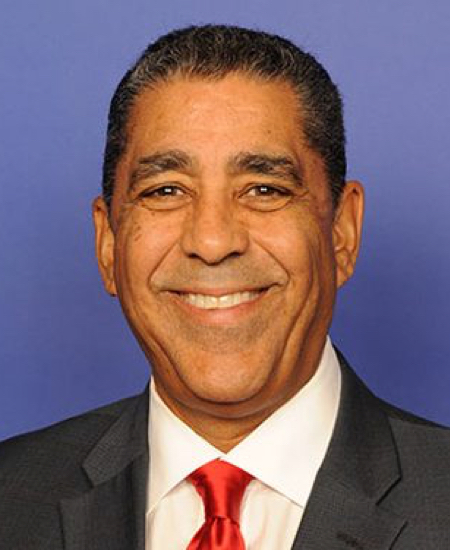
Adriano Espaillat
House · District 13
|
D |
Support
|
75% | 4 |
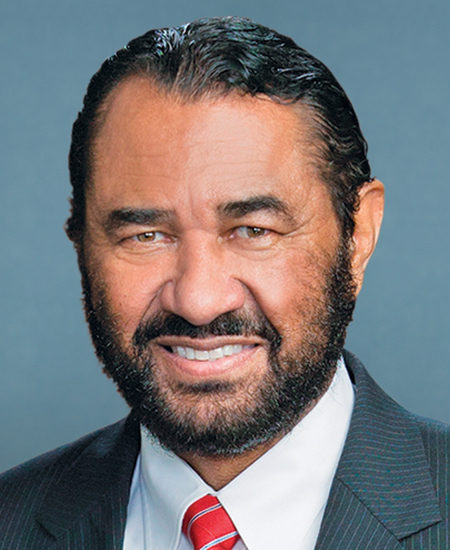
Al Green
House · District 9
|
D |
Support
|
75% | 4 |

Alexandria Ocasio-Cortez
House · District 14
|
D |
Support
|
75% | 4 |
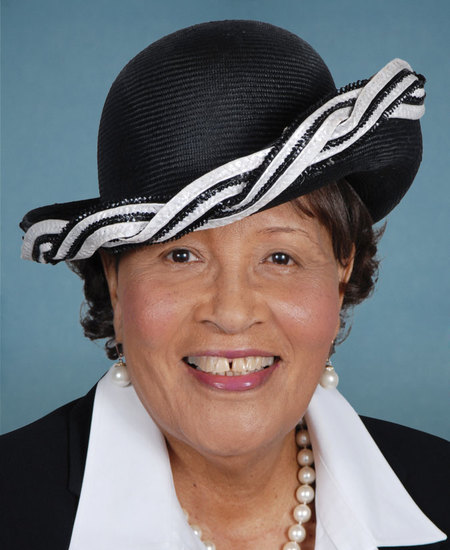
Alma S. Adams
House · District 12
|
D |
Support
|
75% | 4 |
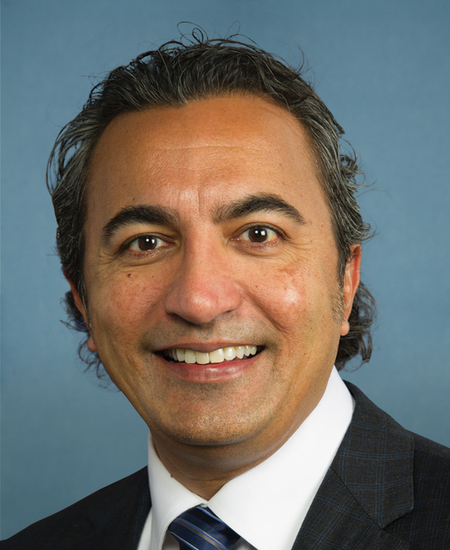
Ami Bera
House · District 6
|
D |
Support
|
75% | 4 |
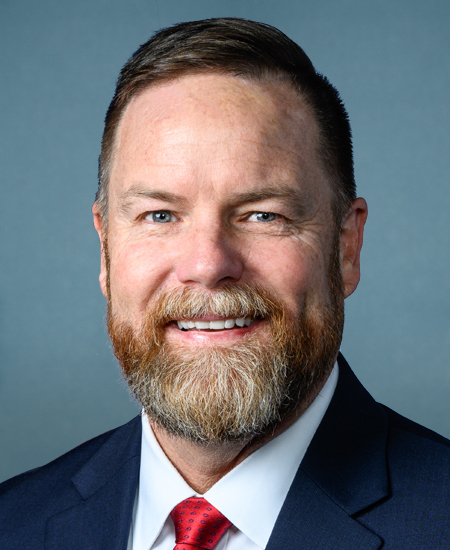
Aaron Bean
House · District 4
|
R |
Oppose
|
25% | 4 |

Addison P. McDowell
House · District 6
|
R |
Oppose
|
25% | 4 |

Andrew Ogles
House · District 5
|
R |
Oppose
|
25% | 4 |
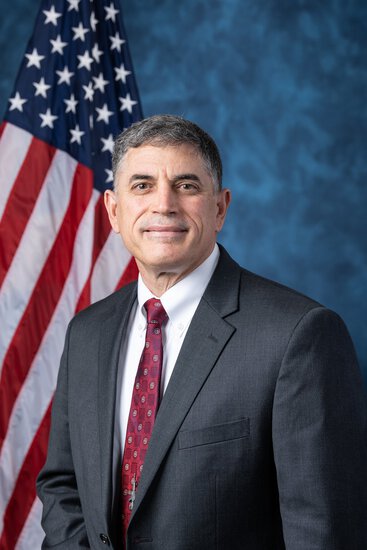
Andrew S. Clyde
House · District 9
|
R |
Oppose
|
25% | 4 |

Andy Biggs
House · District 5
|
R |
Oppose
|
25% | 4 |
Showing 91–100 of 273
bills
All education bills
HR 2555: Freedom of Association in Higher Education Act of 2026
HR 2355: Collegiate Housing and Infrastructure Act of 2025
Topics
✓ EducationSupports EducationEnables tax-qualified grants for student housing infrastructure, directly supporting higher education access and campus living conditions without restricting funding.
✓ HousingSupports HousingAllows 501(c)(3) nonprofits to fund student housing infrastructure via tax-exempt grants, directly advancing affordable housing access for college students through charitable funding mechanisms.
Sub-Topics
Higher Education
HR 3574: To amend the Internal Revenue Code of 1986 to permit qualified distributions from section 529 plans for certain transportation and parking expenses.
Topics
✓ Budget & TaxesSupports Budget & TaxesExpands tax-advantaged 529 plan uses for transportation, providing tax relief to families on education-related costs.
✓ EducationSupports EducationExpands 529 plan use to cover transportation/parking costs, reducing financial barriers for college students and families, thus supporting educational access and funding.
HR 7394: Mental Health Career Promotion Act
Topics
✓ EducationSupports EducationBill allocates $50M annually for K-12/community college mental health career programs, directly funding educational access and career pathways through school partnerships.
✓ HealthcareSupports HealthcareFunds $50M for mental health career programs (internships, shadowing) to expand workforce, directly supporting mental health services access and workforce development.
Sub-Topics
Career & Technical Education
Higher Education
Student Health
Mental Health
Substance Abuse
HR 3543: College for All Act of 2025
Topics
✓ Budget & TaxesSupports Budget & TaxesFunds public education through federal-state partnership, increasing government spending on essential services without tax changes.
✓ EducationSupports EducationEliminates tuition fees for eligible students at public colleges through federal funding, expanding access and increasing state-federal partnership for higher education affordability.
HR 7660: HBCU Empowerment and Reform Act
Sub-Topics
Higher Education
HR 2980: Energy Cybersecurity University Leadership Act of 2025
Topics
✓ EducationSupports EducationProvides grants for cybersecurity scholarships/research at universities, specifically increasing access for HBCUs and Tribal Colleges in higher education.
✓ EnergySupports EnergyFunds cybersecurity research for energy infrastructure, strengthening security of critical systems and supporting workforce development in energy sector protection.
✓ TechnologySupports TechnologyBill establishes a cybersecurity research program funding graduate studies in energy infrastructure security, directly enhancing cybersecurity capabilities through grants and training.
HR 1783: American Apprenticeship Act
Topics
✓ EducationSupports EducationProvides federal grants for pre-apprenticeship programs, funding tuition/materials to expand workforce training access for underserved groups, aligning with educational access under topic description.
✓ Labor & EmploymentSupports Labor & EmploymentFunds pre-apprenticeship programs targeting underserved groups, advancing workforce development and employment opportunities in low-participation industries.
✓ VeteransSupports VeteransBill explicitly prioritizes veterans as an underserved group for pre-apprenticeship programs, advancing veteran employment opportunities.
Sub-Topics
Career & Technical Education
Higher Education
Apprenticeships
Public Employees
Workforce Development
Veteran Employment
HR 4594: Military Learning for Credit Act of 2025
Topics
✓ EducationSupports EducationEnables veterans to use GI Bill benefits for college credit exams (CLEP, DSST), expanding higher education access and reducing financial barriers for military-affiliated students.
✓ Labor & EmploymentSupports Labor & EmploymentBill expands GI Bill benefits to cover exams for college credit, aiding veterans' employment transitions and improving workforce readiness. This directly supports employment standards for a specific worker group.
✓ VeteransSupports VeteransExpands GI Bill benefits to cover college credit exams for veterans, directly enhancing educational opportunities and transition support.
Sub-Topics
Higher Education
Student Financial Aid
Veteran Benefits
Veteran Education
Veteran Employment