Issue · Criminal Justice

Criminal Justice (Sentencing)

Every criminal justice bill, vote, and legislator stance in United States, automatically classified by Maddy, our AI policy reader.

Total bills
40
119th Congress
Top supporter
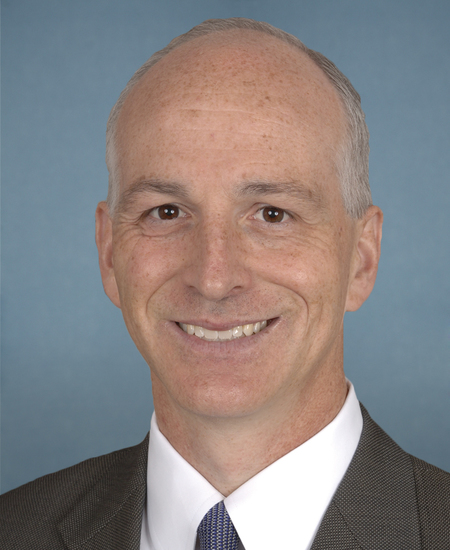
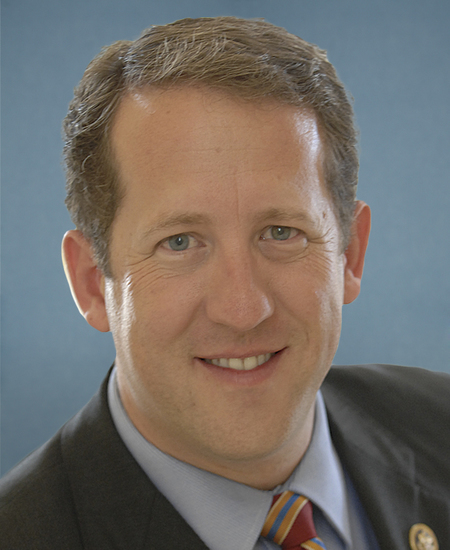
Adam Smith
100% support rate
Top opponent
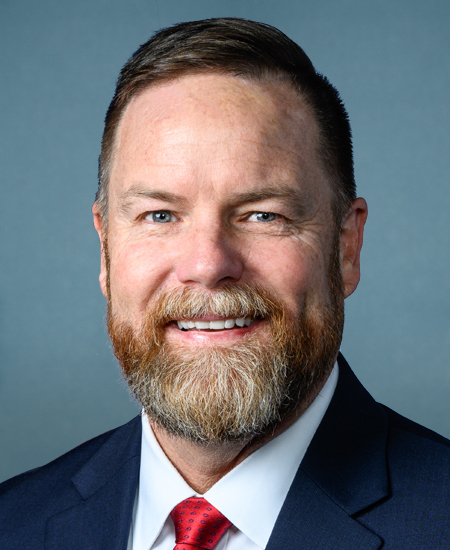
Aaron Bean
0% support rate
Ranked legislators
10
5 support · 5 oppose
Key legislators

Who's moving sentencing in United States

Legislators moving sentencing in United States
Legislator Party Stance Support rate Votes
Adam Smith
Adam Smith House · District 9
D
Strong +
100% 3
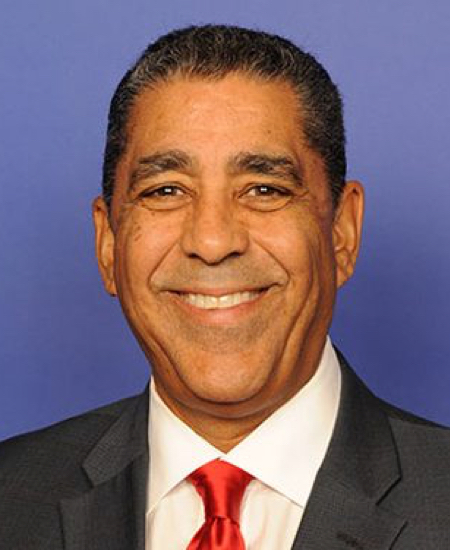
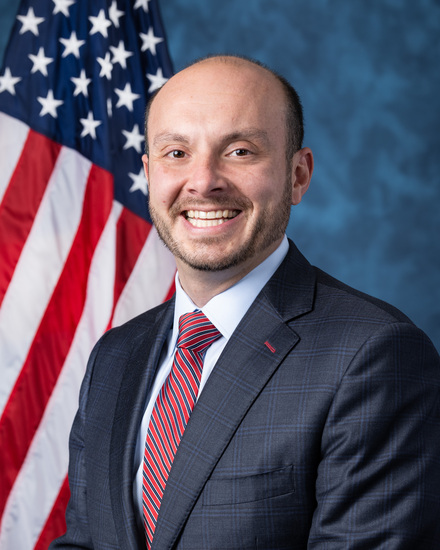
Adriano Espaillat
Adriano Espaillat House · District 13
D
Strong +
100% 3
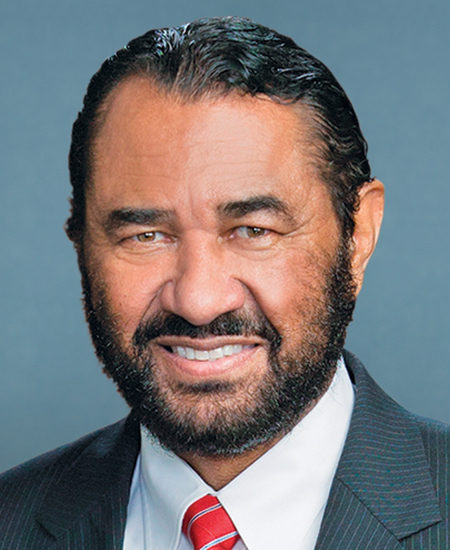
Al Green
Al Green House · District 9
D
Strong +
100% 3
Alexandria Ocasio-Cortez
Alexandria Ocasio-Cortez House · District 14
D
Strong +
100% 3
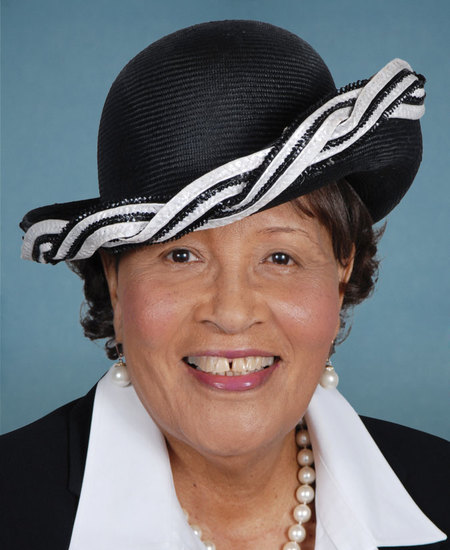
Alma S. Adams
Alma S. Adams House · District 12
D
Strong +
100% 3
Aaron Bean
Aaron Bean House · District 4
R
Strong −
0% 3
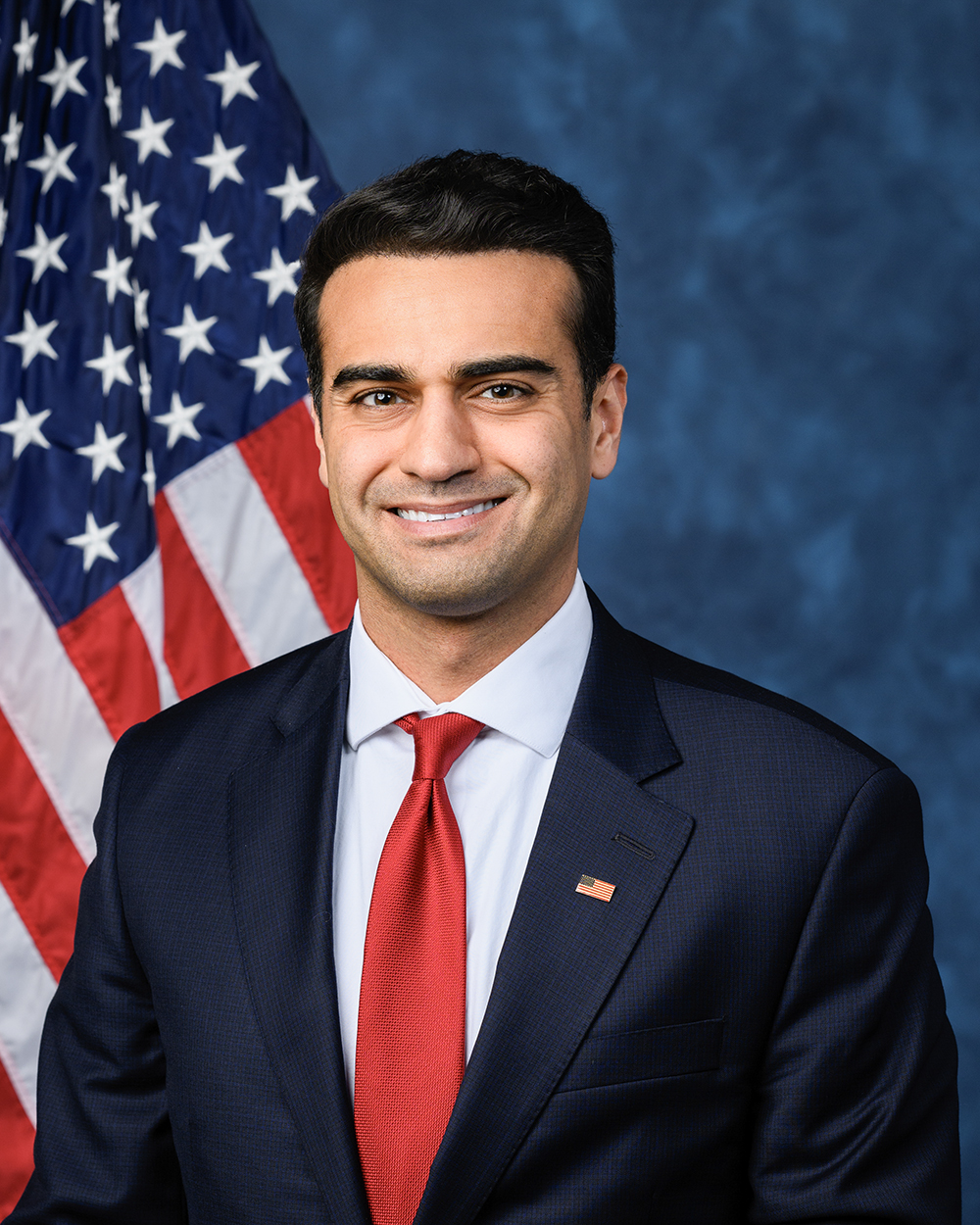
Abraham J. Hamadeh
Abraham J. Hamadeh House · District 8
R
Strong −
0% 3
Adrian Smith
Adrian Smith House · District 3
R
Strong −
0% 3
Andrew Ogles
Andrew Ogles House · District 5
R
Strong −
0% 3
Andrew R. Garbarino
Andrew R. Garbarino House · District 2
R
Strong −
0% 3
Showing 1–10 of 40 bills

All criminal justice bills

in committee · United States · House Aug 20, 2026

HR 10124: Mail Theft and Postal Key Crime Prevention Act of 2026

The Mail Theft and Postal Key Crime Prevention Act of 2026 requires the Attorney General to designate a specific assistant United States attorney in every federal judicial district to coordinate the investigation and prosecution of organized mail theft and related fraud schemes. These coordinators are tasked with working alongside federal, state, and local law enforcement agencies to address crimes involving stolen postal keys, identity theft, and financial fraud facilitated by intercepted mail. The bill also mandates that the Attorney General submit an annual report to Congress for five years detailing trends in these offenses and the effectiveness of inter-agency coordination efforts. Additionally, it directs the United States Sentencing Commission to review and update federal sentencing guidelines to ensure harsher penalties for crimes involving postal access devices, large-scale theft operations, or violence against postal workers.
in committee · United States · Senate Jul 21, 2026

S 5058: Staged Accident Fraud Prevention Act of 2026

The Staged Accident Fraud Prevention Act of 2026 adds new federal penalties for intentionally causing collisions with commercial motor vehicles. It directly affects drivers who stage these accidents and those who arrange for others to do so. Under the bill, a driver who intentionally crashes into a commercial truck faces up to 20 years in prison, while causing serious injury or death in such a staged event carries a minimum sentence of 20 years. The law also holds organizers of these staged crashes criminally liable under the same sentencing guidelines. Prosecution under this federal statute is barred if the individual has already been convicted or acquitted for the same act in state court.
in committee · United States · Senate Jul 14, 2026

S 4967: Stop TNR Act of 2026

The Stop TNR Act of 2026 establishes a formal definition for transnational repression, which covers foreign government efforts to harass, threaten, or harm individuals in the United States, including the use of cyberattacks and artificial intelligence. This legislation mandates that crimes involving such activities face a mandatory sentencing enhancement of up to 10 years in prison and fines of up to $100,000. To enforce these rules, the bill requires the Attorney General to centralize the oversight of related investigations and prosecutions within the FBI and the National Security Division of the Department of Justice. Additionally, the act directs federal agencies to produce annual public reports detailing incidents of repression and outlines a strategy for using artificial intelligence to investigate and counter these threats.
in committee · United States · House May 21, 2026

HR 8976: Women in Criminal Justice Reform Act

The Women in Criminal Justice Reform Act aims to improve how the federal justice system treats women by mandating gender-informed training for law enforcement and probation officers, ensuring they understand the unique needs of female justice-involved individuals. The bill requires federal officers to allow arrested parents to arrange care for their children before taking them into custody and establishes grant programs to support these training initiatives and recruit more women into law enforcement. It also introduces significant changes to sentencing and incarceration, such as expanding pretrial diversion options for women with trauma histories, limiting penalties for conspiracy charges, and requiring the Bureau of Prisons to provide specific medical screenings, trauma-informed care, and gender-responsive programming. Furthermore, the legislation seeks to keep families together by allowing temporary releases to maintain community ties, updating custody laws to preserve parental rights, and ensuring that reentry programs are tailored to the specific challenges women face upon release.
in committee · United States · Senate May 20, 2026

S 4608: Federal Death Penalty Prohibition Act

The Federal Death Penalty Prohibition Act bans the imposition of the death penalty for any federal crime committed on or after the date the law takes effect. It directly affects individuals currently facing or serving federal death sentences by requiring that all such cases be resentenced to a penalty other than death. This legislation removes the death penalty as a sentencing option for federal offenses and mandates a review for those already sentenced to die before the bill becomes law.
Sub-Topics Sentencing
in committee · United States · House Jun 2, 2026

HR 9095: Right to Trial Act

The Right to Trial Act modifies federal sentencing guidelines to ensure that defendants are not penalized for exercising their constitutional right to a trial rather than accepting a plea deal. It requires judges to consider whether a mandatory minimum sentence would effectively punish a defendant for going to trial, particularly when compared to the sentences of similarly situated individuals who pleaded guilty. Additionally, the law grants courts the authority to impose sentences below statutory minimums specifically to protect this right. These changes directly affect federal criminal defendants and the judges who determine their punishments.
Sub-Topics Sentencing
in committee · United States · House May 29, 2026

HR 9066: Community-Based Approaches to Prevent and Address Hate Crimes Act of 2026

This bill establishes a $30 million grant program over five years to fund community-based organizations working to prevent and address hate crimes. The funds can be used for various initiatives, including conflict resolution strategies, non-carceral sentencing programs, public education campaigns, and support services for victims and defendants. Eligible recipients must be nonprofits embedded within communities targeted by hate crimes that provide educational, health, and social services. Additionally, the legislation removes a specific spending limit on grants for criminal investigations and prosecutions related to these crimes.
in committee · United States · House Apr 28, 2026

HR 8549: Second Look Act of 2026

The Second Look Act of 2026 allows federal courts to reduce prison sentences for individuals who have served at least 10 years in custody for offenses carrying a term of more than 10 years. To qualify, a defendant must demonstrate that they are no longer a danger to the community and are ready to reenter society, with special consideration given to those aged 50 or older who face a legal presumption in their favor for release. The process requires a formal application, a hearing where evidence regarding rehabilitation and age-related decline in criminality is presented, and the appointment of a lawyer for those who cannot afford one. If approved, the court may shorten the prison term while maintaining the original period of supervised release, and the United States Sentencing Commission will publish annual reports on the number of people granted or denied these reductions.
in committee · United States · House May 20, 2026

HR 8940: Federal Death Penalty Prohibition Act

The Federal Death Penalty Prohibition Act bans the imposition of the death penalty for any federal crime committed after the law takes effect. It also requires that individuals currently sentenced to death under federal law be resentenced to a different punishment. This legislation directly affects the federal criminal justice system by eliminating capital punishment as a sentencing option.
in committee · United States · House Apr 28, 2026

HR 8547: 'Directly Impacted Child Rehab and Safety Act

This bill, known as the Directly Impacted Child Rehab and Safety Act, modifies federal laws to adjust how children are processed within the juvenile justice system. It raises the minimum age for federal juvenile delinquency proceedings from 12 to 13 and increases the age threshold for transferring older juveniles to adult criminal court from 15 to 16, with specific exceptions for serious violent crimes. The legislation also requires courts to consider factors such as a child's exposure to trauma and their role in an offense before deciding on transfers or sentencing. Additionally, the bill mandates the collection of detailed statistics on children in federal custody and authorizes grants to help state agencies better coordinate between child welfare and juvenile justice systems to support vulnerable youth.
Sub-Topics Courts Juvenile Justice Sentencing Tags Children
Showing 1 to 10 of 40 bills
1 2 3 4 Next