Issue · Criminal Justice

Criminal Justice

Every criminal justice bill, vote, and legislator stance in United States, automatically classified by Maddy, our AI policy reader.

Total bills
1,270
119th Congress
Top supporter
Alan Armstrong
86% support rate
Top opponent
Amy Klobuchar
13% support rate
Ranked legislators
10
5 support · 5 oppose
Key legislators

Who's moving criminal justice in United States

Legislators moving criminal justice in United States
Legislator Party Stance Support rate Decisive votes
AA
Alan Armstrong Senate
R
Strong +
86% 28
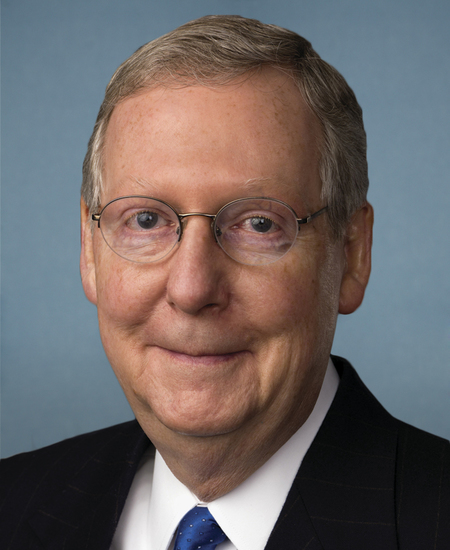
Mitch McConnell
Mitch McConnell Senate
R
Strong +
84% 31
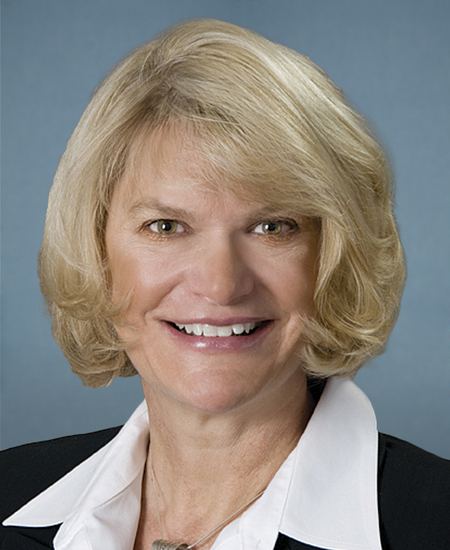
Cynthia M. Lummis
Cynthia M. Lummis Senate
R
Strong +
80% 30
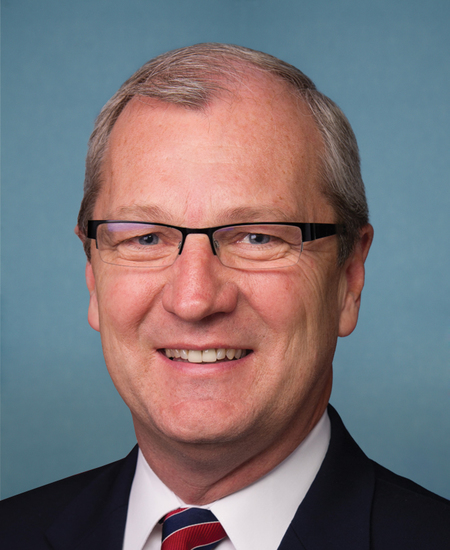
Kevin Cramer
Kevin Cramer Senate
R
Strong +
80% 30
Bernie Moreno
Bernie Moreno Senate
R
Support
77% 31
Amy Klobuchar
Amy Klobuchar Senate
D
Strong −
13% 31
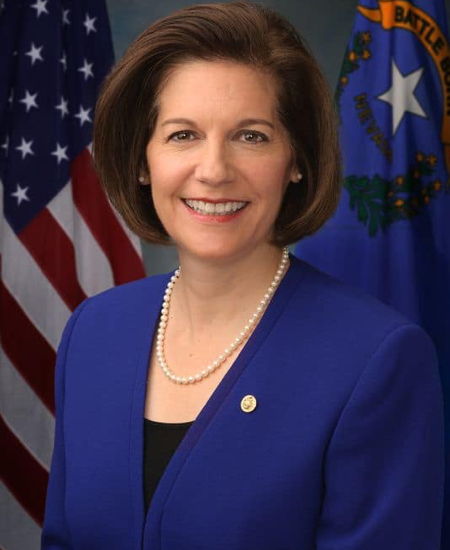
Catherine Cortez Masto
Catherine Cortez Masto Senate
D
Strong −
13% 31
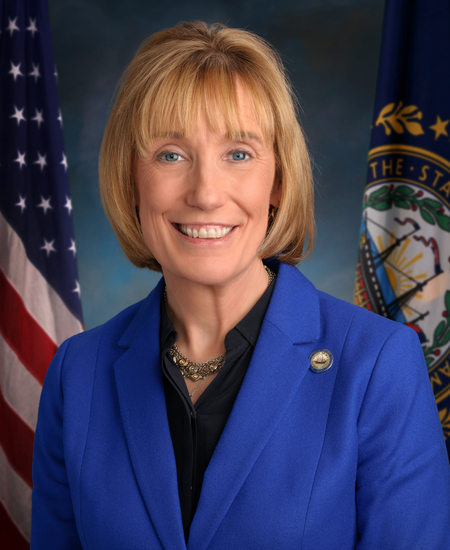
Margaret Wood Hassan
Margaret Wood Hassan Senate
D
Strong −
13% 31
Andy Kim
Andy Kim Senate
D
Strong −
16% 31
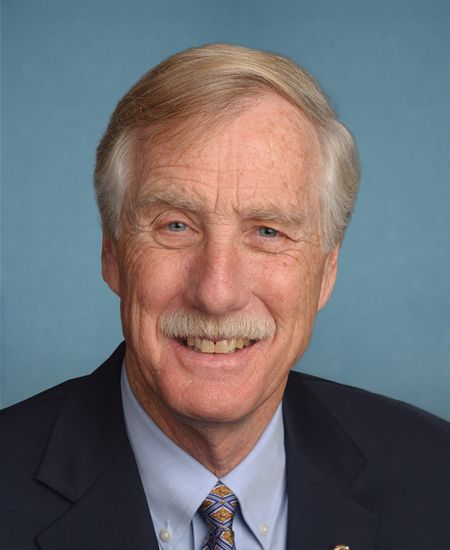
Angus S. King, Jr.
Angus S. King, Jr. Senate
I
Strong −
16% 31
Showing 931–940 of 1,270 bills

All criminal justice bills

in committee · United States · Senate Jan 8, 2026

S 3608: Trade Transparency Unit Strategy Act

This bill requires the Department of Homeland Security, working with other agencies, to create a strategy within 180 days to expand Trade Transparency Units. These units improve information sharing between U.S. agencies (like Customs and Treasury) and foreign customs agencies to identify and disrupt international money laundering networks. The strategy must be submitted unclassified, with a classified annex if needed, and a separate assessment by the Comptroller General will follow. The bill directly affects federal agencies involved in trade enforcement and international financial crime prevention.
in committee · United States · Senate Jul 14, 2025

S 2269: PRICE Act

The PRICE Act (S 2269) increases penalties for assaulting, resisting, or impeding U.S. Immigration and Customs Enforcement (ICE) officers or employees. It would double the maximum prison sentence and adjust the fine for such offenses when committed against ICE personnel, as specified in amended federal law (18 U.S.C. § 111). This bill directly affects individuals convicted of violent or obstructive acts against ICE officers, making their penalties more severe than for similar crimes against other federal officers. The key provision modifies existing penalties without changing the definition of the offense or creating new requirements for ICE operations.
in committee · United States · Senate May 22, 2025

S 1892: Crime Victims Fund Stabilization Act of 2025

The Crime Victims Fund Stabilization Act of 2025 amends the law governing deposits into the Crime Victims Fund, adding two new sources: funds from declined criminal prosecutions (without conviction) and certain False Claims Act recoveries (from 2025 through 2030). It specifically excludes two types of False Claims Act funds from these deposits: payments to whistleblowers (qui tam plaintiffs) and reimbursements for government fraud damages. This bill directly affects the Crime Victims Fund, which provides support to victims of crime, and adjusts how federal agencies handle False Claims Act cases. The changes aim to modify the fund's funding sources without altering the False Claims Act itself.
Sub-Topics Victims' Rights
in committee · United States · House Nov 18, 2025

HR 6069: RIDER Safety Act

HR 6069, the RIDER Safety Act, directs federal funding for unarmed "transit support specialists" on public transit systems. These specialists are defined as staff who enhance rider safety through presence, engagement, and de-escalation - monitoring stations/vehicles, assisting riders, reporting threats, resolving minor conflicts, and connecting patrons to crisis services without police involvement. The bill amends federal transit grant rules to specifically allow operational funds for these roles, separate from traditional crime prevention funding. It directly affects public transit systems receiving federal grants under Sections 5338 or 5307, enabling them to hire and deploy this new type of safety personnel.
in committee · United States · House Sep 26, 2025

HR 5590: SWAT Act

HR 5590, the SWAT Act, amends federal law to increase penalties for threats against specific schools. It adds new provisions making it a federal crime to threaten or falsely report threats at schools providing early childhood through career education (as defined by state law), including public, private, and religious institutions. Violators face up to 20 years in prison or fines. The bill targets threats made via mail, interstate communications, or involving fire/explosives, specifically focusing on school safety by strengthening criminal penalties for such acts.
in committee · United States · House Apr 17, 2025

HR 2964: Fight Fentanyl Act

The Fight Fentanyl Act increases annual funding for fentanyl-related law enforcement efforts to $333 million from 2025 through 2030. It requires the Office of National Drug Control Policy to report annually on how HIDTA (High Intensity Drug Trafficking Area) funds target fentanyl trafficking, including seizure data and threat assessments. The bill also mandates the Attorney General to prioritize fentanyl prosecutions by temporarily reassigning U.S. attorneys to these cases. These provisions directly affect federal, state, local, and tribal law enforcement agencies working on fentanyl interdiction and prosecution.
in committee · United States · House Feb 12, 2025

HR 1240: National Statistics on Deadly Force Transparency Act of 2025

HR 1240 requires all federal, state, and local law enforcement agencies to collect standardized data on every use of deadly force by officers, including the target's demographics (race, gender, age, religion), location, circumstances, type of force used, and whether non-lethal options were attempted. Agencies must submit this data to the Department of Justice within 4 years of collection, with the Bureau of Justice Statistics publishing it publicly (excluding personal identifiers) for transparency. Failure to comply results in a 10% reduction to Byrne JAG grants the following fiscal year. The bill directly affects all law enforcement agencies receiving federal grants and aims to create a national dataset on officer-involved deadly force incidents.
Sub-Topics Firearms Law Enforcement Policing Tags Data Reporting
in committee · United States · House Oct 8, 2025

HR 5706: Mental Health Emergency Responder Act

This bill creates a federal grant program to help communities develop non-police mental health crisis response teams. It provides funding for local governments, clinics, fire departments, and nonprofits to recruit behavioral health professionals, establish co-response teams (combining mental health clinicians with emergency responders), and integrate these teams into 911 or 988 dispatch systems. The grants specifically support replacing police as the primary responders for mental health crises with clinician-led mobile teams or emergency medical services, while respecting existing state laws on detention. Recipients must report on response outcomes, diversion rates (cases handled without police), and community feedback.
Sub-Topics Policing Mental Health Tags Public Safety
in committee · United States · House Dec 5, 2025

HR 6493: NOEM Act

HR 6493, the NOEM Act, amends Section 1983 of federal law to explicitly allow civil lawsuits against individuals acting under federal immigration enforcement authority. The bill adds "or of any Federal immigration enforcement authority" to the existing language, expanding the scope of Section 1983 to include federal immigration officers. This change directly affects federal immigration enforcement personnel by enabling individuals to sue them under this civil rights provision for misconduct. The bill focuses solely on clarifying the legal pathway for such lawsuits, with no additional provisions or mechanisms described in the provided text.
in committee · United States · House Feb 25, 2025

HR 1556: Eric’s Law

HR 1556, "Eric’s Law," changes federal jury procedures in capital sentencing cases. It requires a new jury to be impaneled if the original jury cannot unanimously recommend a sentence (death, life without parole, or a lesser sentence) for a defendant convicted of a capital offense. If the new jury also fails to reach unanimity, the judge must impose a sentence other than death. This law directly affects federal defendants in capital cases where juries deadlock on sentencing recommendations. The policy change ensures that unresolved sentencing deadlocks do not prevent a final sentence from being imposed.
Sub-Topics Courts Judges Sentencing
Showing 931 to 940 of 1,270 bills
Previous 1 … 93 94 95 … 127 Next