Issue · Criminal Justice

Criminal Justice

Every criminal justice bill, vote, and legislator stance in United States, automatically classified by Maddy, our AI policy reader.

Total bills
301
119th Congress
Top supporter
Alan Armstrong
86% support rate
Top opponent
Amy Klobuchar
13% support rate
Ranked legislators
10
5 support · 5 oppose
Key legislators

Who's moving criminal justice in United States

Legislators moving criminal justice in United States
Legislator Party Stance Support rate Decisive votes
AA
Alan Armstrong Senate
R
Strong +
86% 28
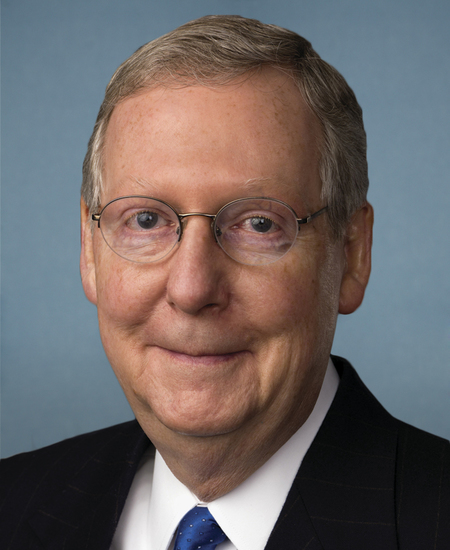
Mitch McConnell
Mitch McConnell Senate
R
Strong +
84% 31
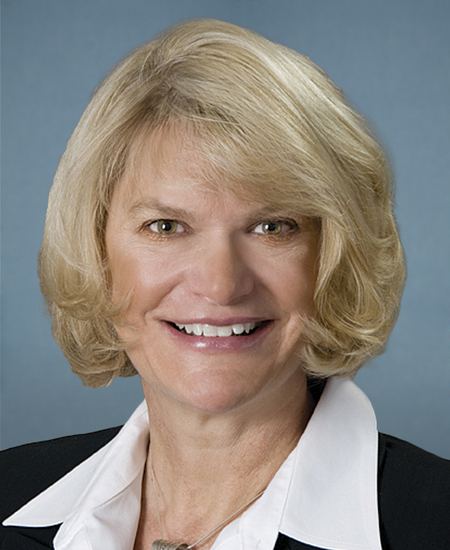
Cynthia M. Lummis
Cynthia M. Lummis Senate
R
Strong +
80% 30
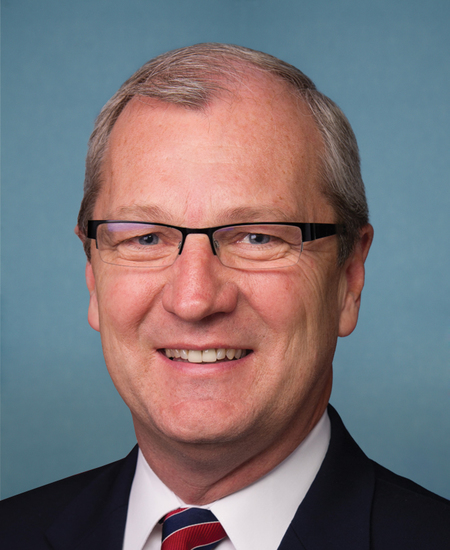
Kevin Cramer
Kevin Cramer Senate
R
Strong +
80% 30
Bernie Moreno
Bernie Moreno Senate
R
Support
77% 31
Amy Klobuchar
Amy Klobuchar Senate
D
Strong −
13% 31
Catherine Cortez Masto
Catherine Cortez Masto Senate
D
Strong −
13% 31
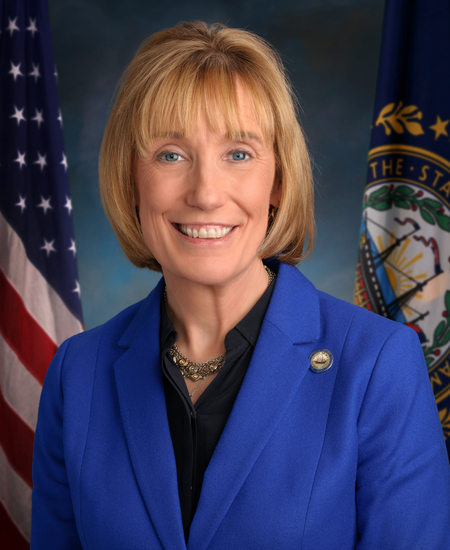
Margaret Wood Hassan
Margaret Wood Hassan Senate
D
Strong −
13% 31
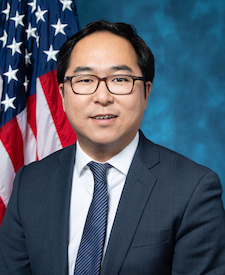
Andy Kim
Andy Kim Senate
D
Strong −
16% 31
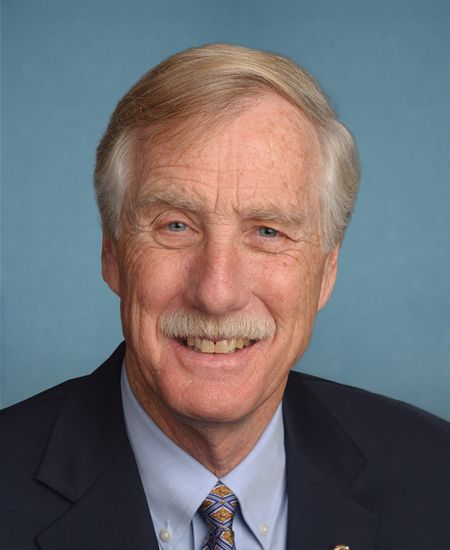
Angus S. King, Jr.
Angus S. King, Jr. Senate
I
Strong −
16% 31
Showing 81–90 of 301 bills

All criminal justice bills

in committee · United States · House Feb 25, 2026

HR 7719: SOS Act of 2026

This bill, titled the Securing Our Streets Act of 2026, directs the Attorney General to distribute federal grants to states that implement specific criminal justice policies aimed at reducing repeat offenses. To qualify for funding, states must adopt laws requiring repeat offenders to serve at least 85 percent of their sentences, mandate pretrial detention for violent offenders posing a clear threat to public safety, and impose life imprisonment for individuals convicted of three distinct violent crimes. The grants, totaling up to $10 billion over five years, can only be used to build secure correctional facilities, expand incarceration capacity for violent offenders, and train correctional staff.
in committee · United States · House Feb 9, 2026

HR 7420: Stop Gender Trafficking of Minors Act

This bill, titled the Stop Gender Trafficking of Minors Act, would create a new federal crime for knowingly transporting minors across state lines to receive gender transition procedures. The law defines these procedures to include puberty blockers, hormone therapy, and surgeries intended to alter sex characteristics, and would allow for up to ten years in prison or fines for violators. It also permits civil lawsuits by minors or parents seeking damages and prohibits federal funding for states that permit such transportation or refuse to cooperate with federal investigations. The legislation is based on the argument that the federal government has an interest in protecting minors from medical procedures that may cause long-term harm.
in committee · United States · House Mar 5, 2026

HR 7846: Halo Act

This bill, known as the Halo Act, creates a new federal crime for intentionally approaching or staying within 25 feet of immigration enforcement officers after receiving a verbal warning, if the person intends to interfere with their work, threaten them, or harass them. It directly affects individuals who may attempt to block or disrupt immigration officers performing their duties, such as during arrests or investigations. The law defines harassment as conduct that causes substantial emotional distress to an officer and serves no legitimate purpose, and it carries penalties of up to five years in prison, a fine, or both. This provision adds to existing Title 18 United States Code by establishing specific boundaries for behavior near federal immigration officials.
in committee · United States · House Mar 18, 2026

HR 7983: Clean Water for All Life Act

This bill, titled the Clean Water for All Life Act, would amend federal criminal law to prohibit chemical abortions unless a healthcare provider is physically present during the procedure. It directly affects individuals who prescribe, administer, or assist with chemical abortion drugs like mifepristone and misoprostol by making it a federal crime to provide these services without a physical exam and the provider's presence. The law requires that patients receive a catch kit and red bag medical waste container with disposal instructions, and it defines an unborn child as beginning at fertilization. Violations could result in up to five years in prison and a $50,000 fine for each occurrence. The bill does not address other forms of abortion or change existing state laws.
in committee · United States · House Dec 3, 2025

HR 4397: Muslim Brotherhood Terrorist Designation Act of 2025

This bill would amend the Anti-Terrorism Act of 1987 to designate the Muslim Brotherhood as a terrorist organization and prohibit its operations within the United States. It would require the President to designate the Muslim Brotherhood as a foreign terrorist organization under immigration law and impose new visa restrictions, including immediate revocation of current visas, for individuals identified as members. The bill mandates annual reports from the Secretary of State identifying Muslim Brotherhood branches worldwide and determining which should be designated as terrorist organizations under existing laws. These provisions would directly affect Muslim Brotherhood members, branches, and affiliated organizations seeking entry to or operating within the United States.
in committee · United States · House Feb 6, 2026

HR 7395: NO ICE ADs Act

HR 7395, the NO ICE ADs Act, prohibits the Department of Homeland Security (DHS) from spending federal funds on television advertisements promoting U.S. Immigration and Customs Enforcement (ICE), recruiting for ICE, or improving ICE's public image. This bill directly affects DHS by restricting how it can use its budget for communication activities related to ICE. The key provision bans the obligation or expenditure of funds for any TV ads intended to advance ICE's brand, programs, or personnel recruitment. It does not alter immigration enforcement policies or create new legal requirements, only limiting specific advertising spending. The bill aims to prevent federal resources from being used to support ICE's public outreach efforts.
in committee · United States · House Oct 14, 2025

HR 5163: Clean and Managed Public Spaces Act

HR 5163, the Clean and Managed Public Spaces Act, prohibits camping on public property in the District of Columbia beginning after its enactment. It defines "camp" as using materials to create a temporary shelter and makes violations punishable by fines up to $500, imprisonment up to 30 days, or both. The bill directly affects individuals who use public spaces for overnight shelter in D.C. The key provision establishes a clear legal prohibition and enforcement mechanism for camping on public land. This is a direct policy change to regulate public space use with specific penalties.
in committee · United States · House Feb 25, 2026

HR 7678: Gun Owner Registration Information Protection Act

HR 7678, the Gun Owner Registration Information Protection Act, prohibits federal funding for state or local databases that track lawfully owned firearms or their owners. The bill allows federal funding for databases recording lost or stolen firearms but bans it for databases listing legal gun ownership. This means states cannot use federal money to create or maintain systems that compile information about legally owned guns. The bill directly affects state and local governments that rely on federal funds for firearm ownership databases.
Sub-Topics Firearms
in committee · United States · House Feb 4, 2026

HR 7346: Drain ICE Act of 2026

HR 7346, the Drain ICE Act of 2026, repeals specific funding provisions (sections 90003 and 100052) from the "One Big Beautiful Bill Act" and cancels all unspent funds allocated under those sections. This bill directly affects ICE’s detention budget by removing existing financial authority for detention operations. It does not change immigration enforcement practices or directly impact individuals; it solely modifies budgetary allocations. The bill focuses on eliminating funding mechanisms, not on policy changes for migrants or enforcement. (Procedural bill; summary limited to 2 sentences as specified.)
in committee · United States · Senate Mar 27, 2025

S 1162: SHORT Act

The SHORT Act redefines firearm classifications under federal law to remove certain restrictions on short-barreled rifles and shotguns. It eliminates special prohibitions for these weapons when used lawfully, preempts state taxes or registration requirements for them, and requires federal destruction of historical records related to these firearms. The bill directly affects owners of short-barreled rifles and shotguns, as well as state governments that previously imposed separate regulations. Key provisions include revising IRS definitions to exclude shotgun shells from "destructive devices," mandating record destruction within one year of enactment, and blocking state laws targeting these weapons in interstate commerce. These changes aim to standardize federal treatment while removing duplicative state-level barriers.
Sub-Topics Firearms
Showing 81 to 90 of 301 bills
Previous 1 … 8 9 10 … 31 Next