Issue · Criminal Justice

Criminal Justice

Every criminal justice bill, vote, and legislator stance in United States, automatically classified by Maddy, our AI policy reader.

Total bills
1,255
119th Congress
Top supporter
Alan Armstrong
86% support rate
Top opponent
Amy Klobuchar
13% support rate
Ranked legislators
10
5 support · 5 oppose
Key legislators

Who's moving criminal justice in United States

Legislators moving criminal justice in United States
Legislator Party Stance Support rate Votes
AA
Alan Armstrong Senate
R
Strong +
86% 44
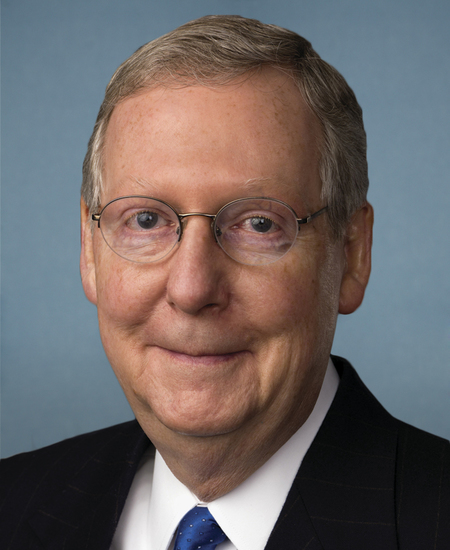
Mitch McConnell
Mitch McConnell Senate
R
Strong +
84% 160
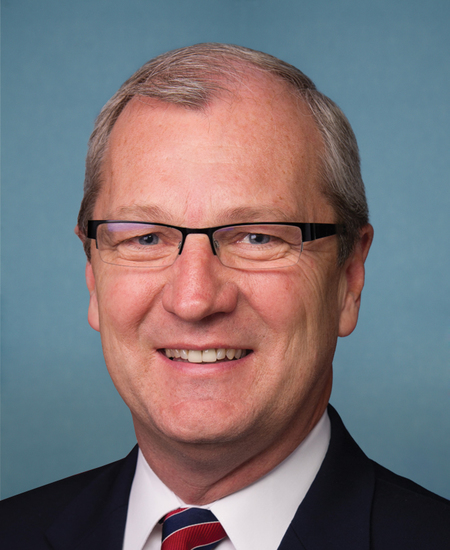
Kevin Cramer
Kevin Cramer Senate
R
Strong +
80% 169
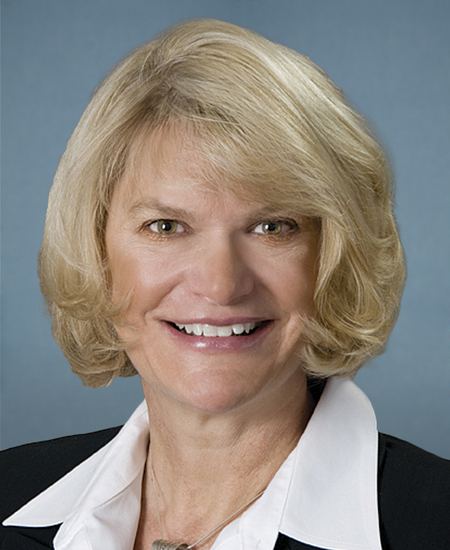
Cynthia M. Lummis
Cynthia M. Lummis Senate
R
Strong +
80% 167
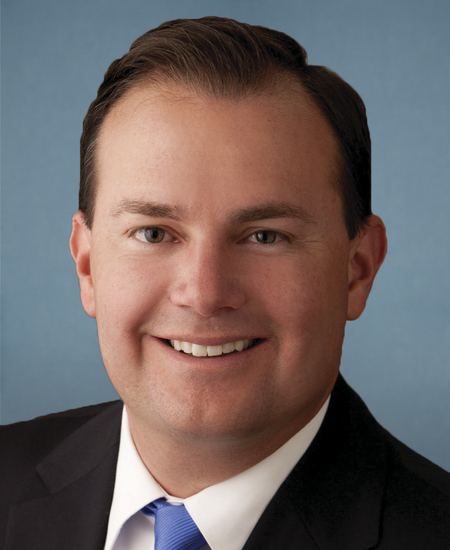
Mike Lee
Mike Lee Senate
R
Support
77% 170
Amy Klobuchar
Amy Klobuchar Senate
D
Strong −
13% 169
Margaret Wood Hassan
Margaret Wood Hassan Senate
D
Strong −
13% 169
Catherine Cortez Masto
Catherine Cortez Masto Senate
D
Strong −
13% 162
Brian Schatz
Brian Schatz Senate
D
Strong −
16% 171
Andy Kim
Andy Kim Senate
D
Strong −
16% 171
Showing 71–80 of 1,255 bills

All criminal justice bills

in committee · United States · House Jul 30, 2026

HR 9986: Read for Reentry Act of 2026

The Read for Reentry Act of 2026 directs the Comptroller General of the United States to conduct a study on library services within state and federal prisons. This report will examine who currently has access to these services, how they are funded, and the demographic characteristics of incarcerated individuals who use them. The study will also analyze specific outcomes related to recidivism, parole compliance, workforce placement, and disciplinary infractions for those released from facilities offering library programs. Ultimately, the bill aims to gather data to inform Congress about the current state and impact of prison libraries.
in committee · United States · House Jul 23, 2026

HR 9904: Deputy Darren Almendarez Act

This bill, known as the Deputy Darren Almendarez Act, adds a new federal crime for knowingly possessing or purchasing catalytic converters removed from vehicles with the intent to sell or distribute them. It directly affects individuals involved in the removal and resale of these parts, as well as businesses like scrap yards and repair shops, by establishing penalties of up to five years in prison and fines of $100,000 for first offenses. The law includes specific exceptions that allow for legal possession or purchase if the converter was removed by a vehicle owner, acquired during official duties by authorized entities, or bought from licensed businesses that follow state and local identification rules. For repeat offenders, the potential prison sentence increases to ten years and the fine limit rises to $200,000.
in committee · United States · House Jul 23, 2026

HR 9898: Transportation for Reentry Act

The Transportation for Reentry Act requires transit agencies receiving federal funding to offer free public transportation to individuals released from prison after serving at least one year. Under this bill, these agencies must provide the service for one year starting from the person's release date and cover costs related to program setup, staff training, and outreach. To receive federal grants, transit recipients must establish enrollment systems, track usage data, and ensure compliance with the program's duration requirements. The legislation authorizes $40 million annually from 2027 to 2031 to support these efforts and mandates a final report on the program's impact five years after enactment.
in committee · United States · House Jul 15, 2026

HR 9708: SECURED Act of 2026

The SECURED Act of 2026 requires digital platforms that list short-term rentals to ask property owners if they are registered child sex offenders and to publicly display that status if the owner answers yes. Property owners who are registered offenders must respond truthfully to these requests, while platforms must provide a direct link to a public registry so guests can verify the information before booking. The Federal Trade Commission is authorized to enforce these rules as unfair business practices, and state attorneys general can also sue to stop violations or seek damages on behalf of residents. The law will not take effect until one year after it is signed into law.
in committee · United States · House Jul 23, 2026

HR 9937: No Leniency for Fentanyl Dealers Act

This bill, known as the No Leniency for Fentanyl Dealers Act, aims to increase penalties for trafficking fentanyl and other synthetic opioids while enhancing detection efforts by the U.S. Postal Service. It lowers the quantity thresholds required for federal felony charges and mandates that sentencing guidelines be updated to reflect these stricter penalties. Additionally, the legislation directs the Postmaster General to purchase more chemical screening devices and hire scientists to identify illegal drugs in mail shipments, authorizing $9 million in funding to support these interdiction activities.
Sub-Topics Drug Policy Sentencing
in committee · United States · House Jun 30, 2026

HR 9567: Preserving Our Constitution Act of 2026

The Preserving Our Constitution Act of 2026 prohibits federal courts and government agencies from recognizing or enforcing foreign laws, religious codes, or customs that conflict with the U.S. Constitution. Specifically, it bars the application of rules that discriminate based on race, religion, or gender; restrict freedom of speech or religion; permit forced or underage marriages; or allow cruel punishments and human sacrifice. The bill also prevents U.S. courts from enforcing contracts that choose to apply such incompatible foreign laws or from honoring judgments made by foreign tribunals using those laws. While the legislation establishes these strict prohibitions, it does not create a new private right for individuals to sue for damages if the rules are violated.
in committee · United States · House Jul 30, 2026

HR 9983: Lori Jackson-Nicolette Elias Domestic Violence Survivor Protection Act

The Lori Jackson-Nicolette Elias Domestic Violence Survivor Protection Act aims to reduce intimate partner homicides by strengthening federal laws that prevent abusers from accessing firearms while restraining orders are active. It expands the definition of "intimate partner" to include dating partners and clarifies that emergency or temporary restraining orders must also trigger gun restrictions. The bill requires courts to automatically issue firearm surrender orders when a protection order is granted, mandating that abusers turn in their guns within 24 hours and prohibiting them from buying new ones for the duration of the order. Additionally, the legislation creates a new grant program to help states and local governments implement these surrender procedures and partner with domestic violence service providers.
in committee · United States · Senate Jul 23, 2026

S 5109: Training Rural Law Enforcement Officers Act of 2026

This bill allows rural law enforcement agencies with fewer than 50 officers to receive free training grants from the Department of Justice. Instead of applying directly, these agencies can pool their funding with neighboring departments to hire accredited nonprofit organizations to deliver the training. The program specifically covers topics such as de-escalation, officer wellness, leadership, and handling situations involving mental health crises or domestic violence. By simplifying the application process and removing reporting burdens, the legislation aims to help smaller agencies access resources they previously lacked.
Sub-Topics Domestic Violence Law Enforcement Mental Health Tags Rural Communities
in committee · United States · Senate Jul 23, 2026

S 5107: No Corporate Crooks Act

The No Corporate Crooks Act bars individuals from working in the federal executive branch if they have been convicted of specific crimes committed while serving as a chief executive officer of a public or private non-federal entity. This ban applies to offenses such as bribery, fraud, cybercrime, embezzlement, insider trading, wage theft, and tax evasion, as well as comparable state-level crimes. Additionally, the law requires that any current federal executive branch employee who would be ineligible under these new rules must be removed from their position.
Sub-Topics Labor Standards
in committee · United States · Senate Jul 23, 2026

S 5102: Closing Bribery Loopholes Act

The Closing Bribery Loopholes Act clarifies the legal definition of an "official act" to ensure that bribery laws cover a broader range of government actions. Specifically, it expands the definition to include any decision, recommendation, or action on a pending or potential matter, as well as offers of pardons or commutations. The bill also states that an official act can consist of a single action, multiple actions, or a series of behaviors, regardless of whether the action successfully achieves its intended result. These changes directly affect public officials and individuals accused of bribing them by removing ambiguity about what constitutes a quid pro quo. Ultimately, the legislation aims to close potential legal gaps where officials might argue that their actions did not count as official duties if they failed to produce a specific outcome.
Showing 71 to 80 of 1,255 bills
Previous 1 7 8 9 126 Next