Issue · Criminal Justice

Criminal Justice

Every criminal justice bill, vote, and legislator stance in United States, automatically classified by Maddy, our AI policy reader.

Total bills
1,286
119th Congress
Top supporter
Alan Armstrong
86% support rate
Top opponent
Amy Klobuchar
13% support rate
Ranked legislators
10
5 support · 5 oppose
Key legislators

Who's moving criminal justice in United States

Legislators moving criminal justice in United States
Legislator Party Stance Support rate Decisive votes
AA
Alan Armstrong Senate
R
Strong +
86% 28
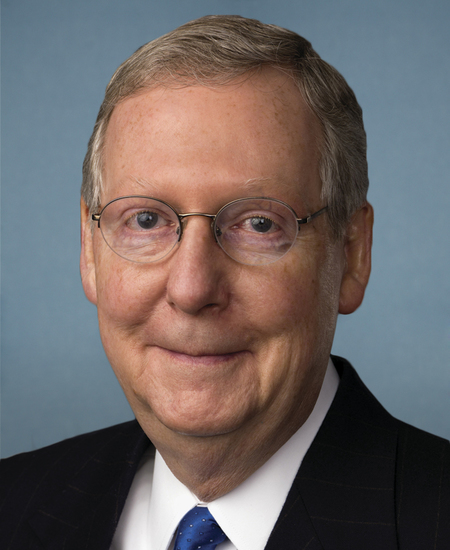
Mitch McConnell
Mitch McConnell Senate
R
Strong +
84% 31
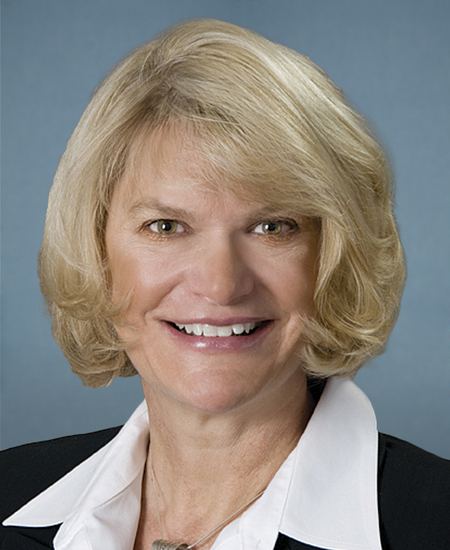
Cynthia M. Lummis
Cynthia M. Lummis Senate
R
Strong +
80% 30
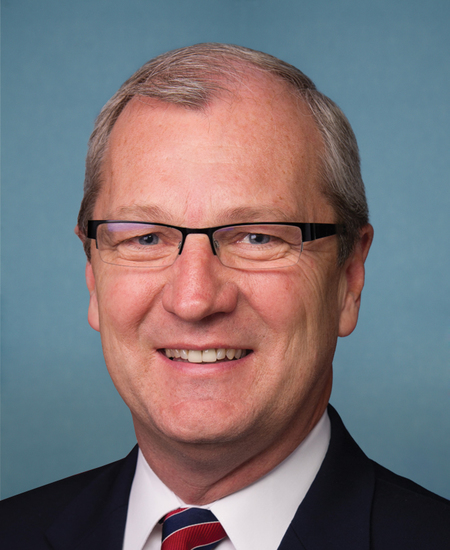
Kevin Cramer
Kevin Cramer Senate
R
Strong +
80% 30
Bernie Moreno
Bernie Moreno Senate
R
Support
77% 31
Amy Klobuchar
Amy Klobuchar Senate
D
Strong −
13% 31
Catherine Cortez Masto
Catherine Cortez Masto Senate
D
Strong −
13% 31
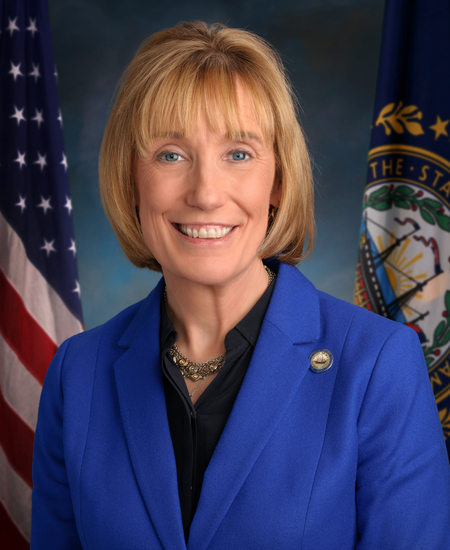
Margaret Wood Hassan
Margaret Wood Hassan Senate
D
Strong −
13% 31
Andy Kim
Andy Kim Senate
D
Strong −
16% 31
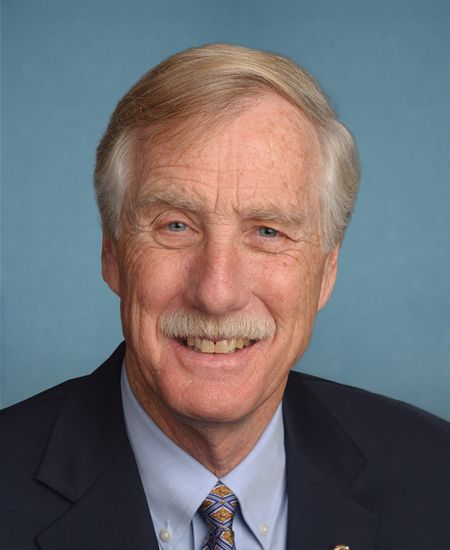
Angus S. King, Jr.
Angus S. King, Jr. Senate
I
Strong −
16% 31
Showing 711–720 of 1,286 bills

All criminal justice bills

in committee · United States · House Jun 26, 2025

HR 4166: Strengthening Protections for Domestic Violence and Stalking Survivors Act of 2025

This bill expands legal protections for domestic violence and stalking survivors by broadening key definitions. It adds current and former dating partners to the definition of "intimate partner" and includes children of dating partners in domestic violence protections. The bill also creates a new federal definition for "misdemeanor crime of stalking," requiring a course of harassment causing fear for specific people (including intimate partners, family, or shared-residence individuals) or their pets/service animals. Convictions under this new definition would trigger firearm restrictions, with specific safeguards for due process in court proceedings. These changes directly affect survivors in dating relationships and their children, strengthening federal protections for vulnerable individuals.
in committee · United States · House Jan 3, 2025

HR 96: Buzz Off Act

This bill prohibits federal law enforcement agencies from using drones to surveil specific U.S. citizens or their private property without the citizen's written consent. Exceptions allow drone use if the President authorizes it for terrorism threats (with written certification) or if a judge issues a warrant. It directly affects federal agencies like the FBI and protects U.S. citizens' privacy from unwarranted drone surveillance.
in committee · United States · House Sep 19, 2025

HR 5538: Child Rescue Act

The Child Rescue Act establishes a national working group within the Department of Justice to study and address the intersection of online child sexual abuse material (CSAM) and physical child sexual abuse. The Working Group will analyze data on offenders and victims, develop resource recommendations for law enforcement, and create victim-centric strategies to identify and rescue children affected by CSAM. Composed of federal, state, local, tribal law enforcement representatives, child protection experts, and academic researchers, the group must submit a comprehensive report within one year detailing findings and recommendations. This legislation directly affects law enforcement agencies, child protection services, and children who are victims of sexual abuse through both online exploitation and physical contact offenses. The Working Group's work aims to improve coordination and resource allocation for investigations that can rescue children from ongoing abuse.
in committee · United States · House Sep 17, 2025

HR 5394: Freedom from Automated Speed Enforcement Act of 2025

HR 5394, the Freedom from Automated Speed Enforcement Act of 2025, requires states to certify annually that no jurisdiction within the state uses automated speed enforcement systems (devices that photograph speeding vehicles without an officer present) to avoid losing 10% of federal highway funds. States must submit this certification to the Transportation Secretary by the first day of each fiscal year starting in 2027, with the Secretary able to audit compliance. Exceptions allow automated systems in school zones during posted hours and construction zones with clear signage indicating the system's use and speed limits below 55 mph. The bill directly affects states operating such systems by threatening funding penalties unless they comply, while permitting limited use in specific safety zones.
in committee · United States · House Jun 10, 2025

HR 3859: Returning Illegals over Turmoil Act

This bill would make non-citizens deportable if they incite or participate in riots during civil unrest involving assaults on law enforcement or military personnel, or destruction of public property, and who were unlawfully present, had DACA, or were lawful permanent residents at the time of the offense. It permanently bars such individuals from reentering the U.S. or accessing any relief from deportation, including asylum, cancellation of removal, or future DACA benefits. During declared emergencies (such as national disasters or state emergencies), the law mandates expedited removal and mandatory detention for those covered, with no discretion for enforcement.
in committee · United States · House Jun 12, 2025

HR 3974: Protect Black Women and Girls Act

HR 3974, the Protect Black Women and Girls Act, creates a federal task force to examine systemic challenges faced by Black women and girls (defined as individuals identifying as women, female, or femme). The task force, composed of agency representatives and community experts, will identify effective policies and programs across education, economic opportunity, healthcare, justice, and housing, then recommend improvements to federal, state, and local governments. Key mechanisms include studying issues like school discipline disparities, maternal health outcomes, economic barriers, and over-incarceration, and proposing solutions such as restorative justice programs, career training, and expanded healthcare access. The task force must report annually to Congress and submit final recommendations within two years, focusing on concrete policy changes to improve outcomes.
in committee · United States · House Jun 3, 2025

HR 3689: TREAT Youth Act

HR 3689, the TREAT Youth Act, amends the SUPPORT for Patients and Communities Act to authorize specific annual funding for youth prevention and recovery programs. It sets mandatory funding levels from fiscal years 2026 through 2030, starting at $10 million in 2026 and increasing to $15 million by 2030. The bill does not create new programs but specifies exact funding amounts for existing youth-focused initiatives under the SUPPORT Act. It directly affects federal programs delivering prevention, recovery, education, and awareness services to young people. This is a procedural funding authorization, not a policy change altering program scope or eligibility.
Sub-Topics Substance Abuse
in committee · United States · House Dec 9, 2025

HR 6533: Military in Law Enforcement Accountability Act

The Military in Law Enforcement Accountability Act requires the President to submit detailed justification to Congress before the military provides support to civilian law enforcement, including specific budget, timeline, and funding details, with a 30-day limit on such support unless Congress approves a longer period through a specific joint resolution process. It prohibits Department of Defense personnel (including military members) from holding civilian law enforcement positions concurrently, with limited exceptions for reserve members who must recuse during active duty. The bill also removes the military's authorization to deploy for "civil disturbances" without the new approval process and establishes a private right for individuals or governments to sue the federal government for violations. This directly affects the Department of Defense, military support to local police agencies, and DoD personnel's dual employment policies.
in committee · United States · Senate Feb 24, 2025

S 687: BCRA of 2025

This bill, the Births in Custody Reporting Act of 2025 (BCRA), requires states receiving certain federal crime control funds to submit quarterly, anonymized reports to the Attorney General about pregnant individuals or those who gave birth while incarcerated in state or local facilities (including jails, prisons, and juvenile facilities). The reports must include data on pregnancy outcomes, prenatal and postpartum medical care, restraint use during pregnancy or delivery, and placement in restrictive housing. States failing to comply face potential reductions of up to 10% in their allocated federal funds for the relevant program. The Attorney General must publish these reports publicly and conduct a study on the data to improve care and examine health outcomes for incarcerated pregnant individuals.
in committee · United States · House Sep 16, 2025

HR 5370: To provide low-income individuals with opportunities to enter and follow a career pathway in the health professions, and for other purposes.

The Pathways to Health Careers Act creates federal grants to help low-income individuals (with family income up to 200% of the Federal poverty level) enter health profession careers. It funds training programs that include adult basic education, career coaching, child care, transportation, and legal assistance for people with arrest or conviction records. The bill specifically supports two demonstration projects: one helping individuals with criminal records enter health careers, and another focused on training doulas and midwives for pregnancy, birth, and postpartum care. Programs must provide structured career pathways to recognized health profession credentials and include support services like case management. The bill requires evaluations to assess effectiveness in addressing workforce shortages and improving participant outcomes.
Showing 711 to 720 of 1,286 bills
Previous 1 … 71 72 73 … 129 Next