Issue · Criminal Justice

Criminal Justice

Every criminal justice bill, vote, and legislator stance in United States, automatically classified by Maddy, our AI policy reader.

Total bills
1,286
119th Congress
Top supporter
Alan Armstrong
86% support rate
Top opponent
Amy Klobuchar
13% support rate
Ranked legislators
10
5 support · 5 oppose
Key legislators

Who's moving criminal justice in United States

Legislators moving criminal justice in United States
Legislator Party Stance Support rate Decisive votes
AA
Alan Armstrong Senate
R
Strong +
86% 28
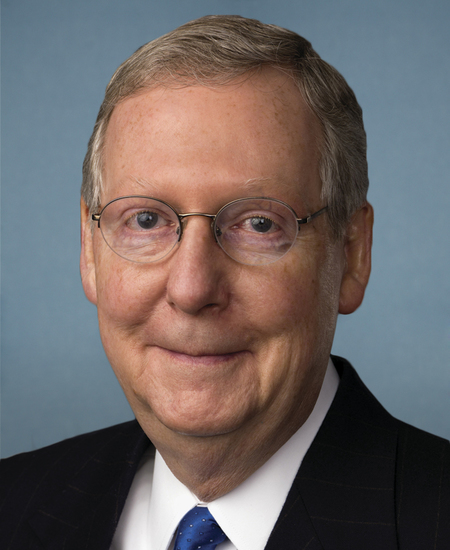
Mitch McConnell
Mitch McConnell Senate
R
Strong +
84% 31
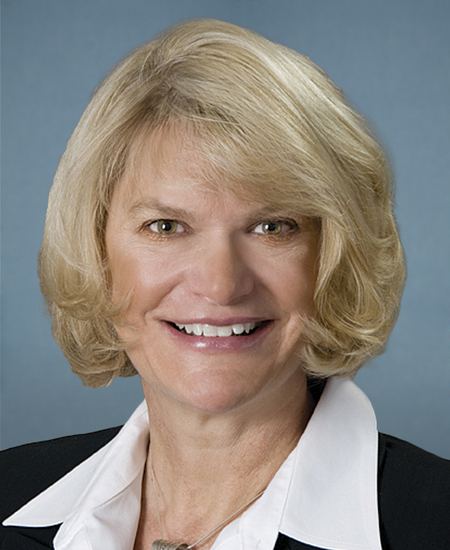
Cynthia M. Lummis
Cynthia M. Lummis Senate
R
Strong +
80% 30
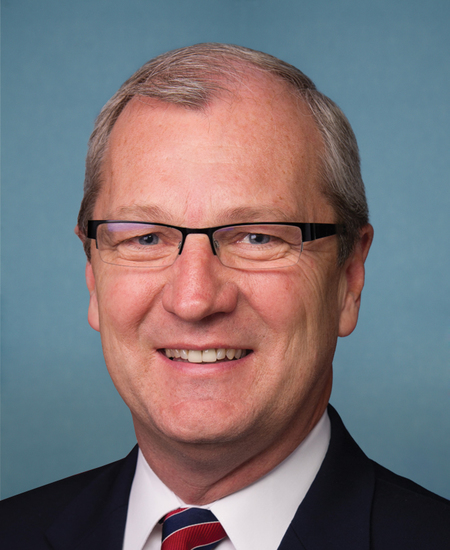
Kevin Cramer
Kevin Cramer Senate
R
Strong +
80% 30
Bernie Moreno
Bernie Moreno Senate
R
Support
77% 31
Amy Klobuchar
Amy Klobuchar Senate
D
Strong −
13% 31
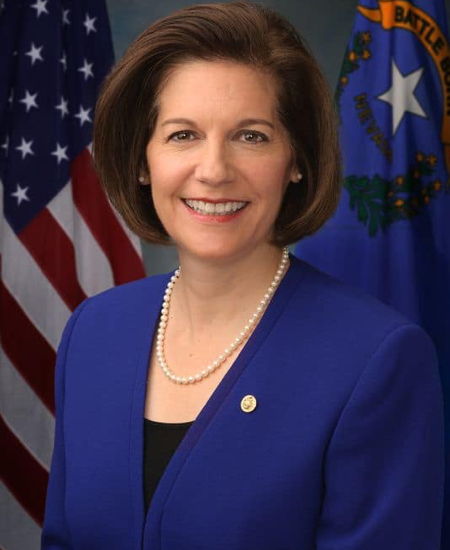
Catherine Cortez Masto
Catherine Cortez Masto Senate
D
Strong −
13% 31
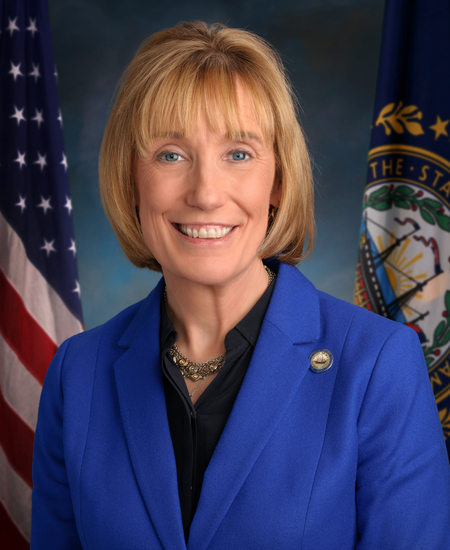
Margaret Wood Hassan
Margaret Wood Hassan Senate
D
Strong −
13% 31
Andy Kim
Andy Kim Senate
D
Strong −
16% 31
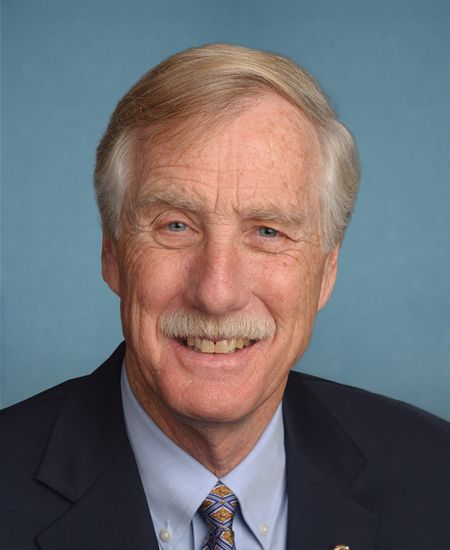
Angus S. King, Jr.
Angus S. King, Jr. Senate
I
Strong −
16% 31
Showing 691–700 of 1,286 bills

All criminal justice bills

in committee · United States · House Jul 14, 2025

HR 4364: Secret Service Recording Accountability Act of 2025

This bill requires the Secret Service to record all communications between agents protecting individuals under their security detail (like presidential candidates or dignitaries). It mandates these recordings be kept for at least 90 days, or longer (up to 18 months) if requested by specific congressional committees. In cases of attempted or actual harm to a protected person, the recordings must be provided to four key committees: Appropriations, Judiciary, Oversight, and Homeland Security committees in both chambers. The law aims to establish a clear record-keeping standard for Secret Service communications during protection duties.
in committee · United States · House Jul 22, 2025

HR 4600: RESPECT Act

The RESPECT Act (HR 4600) increases criminal penalties for intentionally disclosing nonconsensual intimate images or videos. It directly affects individuals who share such private content without consent, raising maximum prison sentences for these offenses. Key provisions amend the Communications Act to increase maximum terms: from 2 to 5 years for certain violations, 3 to 10 years for others, and lesser offenses from 18 months to 3 years and 30 months to 5 years. The bill focuses solely on strengthening existing criminal penalties for this specific type of exploitation.
in committee · United States · House Oct 28, 2025

HR 5859: Behavioral Health Crisis Care Centers Act of 2025

HR 5859 establishes a federal grant program to create "one-stop crisis facilities" that provide integrated behavioral health, substance use treatment, housing assistance, legal aid, and other support services in a single location. It directly affects communities by funding cities, counties, states, tribes, and territories to build or expand these centers, prioritizing equitable access for vulnerable groups like unhoused individuals, youth, and those facing language or disability barriers. Key provisions include requiring grant applicants to collaborate with community organizations, incorporate lived experience, and coordinate with law enforcement and health services to divert crisis cases away from emergency rooms or jails. The bill authorizes $11.5 billion over five years (2026-2030) with specific funding allocations for different recipient types, such as $3 billion for metropolitan cities and $2 billion for Indian Tribes. The goal is to streamline crisis response through coordinated, accessible services rather than fragmented systems.
in committee · United States · House Apr 29, 2025

HR 3065: Felony Murder for Deadly Fentanyl Distribution Act of 2025

This bill amends federal murder law to treat distributing fentanyl that causes death as felony murder, directly affecting individuals who distribute fentanyl in specified quantities resulting in fatalities. It defines "distributing fentanyl" as distributing at least 2 grams of a mixture containing fentanyl or 0.5 grams of its analogues, knowing it contains the substance and causing death. The key provision adds a new felony murder category under Section 1111(b)(2), imposing the death penalty or life imprisonment for such acts. The bill explicitly ties the penalty to the specific fentanyl quantities and the causal link to death, without altering other murder definitions.
Sub-Topics Drug Policy Sentencing
passed · United States · House Mar 4, 2026

HR 4307: Enhancing Detection of Human Trafficking Act

Enhancing Detection of Human Trafficking Act This bill requires the Department of Labor to provide training and education to its employees on how to effectively assist law enforcement in detecting human trafficking. The bill directs Labor to determine which employees should receive the training and education based on their official duties. Further, it requires the training and education to include information that is appropriate for the employees' location or environment; that reflects current trends and best practices for the location or environment; and that is relevant to detecting human trafficking, identifying suspected victims, and referring potential cases to the Department of Justice and other appropriate authorities.
in committee · United States · House May 26, 2025

HR 3614: FIRE Act

The FIRE Act would extend workplace safety protections under OSHA and labor rights under FLSA to incarcerated firefighters who work in correctional facilities. It defines "incarcerated firefighter" as someone performing firefighting duties while incarcerated, including in prison work programs, facility maintenance, or emergency response services. The bill requires states and federal prisons to report on workplace safety conditions and provides grants to help states implement these protections. It also establishes an expungement process for certain criminal records of eligible incarcerated firefighters who have completed their sentences. This legislation aims to improve safety for incarcerated firefighters while creating pathways for their successful reentry into communities as firefighters.
in committee · United States · Senate Apr 10, 2025

S 1461: Safe SHORES Act of 2025

This bill reauthorizes a federal pilot program (extending it through 2030) to provide housing support for individuals recovering from substance use disorders. It requires states receiving funds to use at least $50 million annually for stable housing, including a new allowance for up to 1% of funds to purchase furniture for temporary housing. States must report annually on housing projects, resident demographics, program outcomes, and strategies for expanding recovery housing. The program directly affects states administering housing grants and individuals seeking stable housing during opioid recovery.
in committee · United States · House Jun 26, 2025

HR 4198: Clean Hands Firearm Procurement Act

This bill prohibits federal agencies from entering contracts with firearm dealers who have been identified as having high crime connections. Specifically, it requires the federal government to publish annually a list of dealers with at least 25 firearms traced to crimes within 3 years of sale in two of the past three years. Federal agencies must then avoid contracting with these dealers for two years following their inclusion on the list. The Attorney General may grant limited national security waivers (with congressional notification), but the ban takes effect 180 days after enactment. This directly affects federal contractors and firearm dealers meeting the defined crime-tracing threshold.
Sub-Topics Firearms
in committee · United States · Senate Mar 13, 2025

S 1022: Strengthening Communities of Recovery Act

S 1022 amends Section 547 of the Public Health Service Act to increase annual funding for community recovery programs from $5 million to $16 million, covering fiscal years 2025-2029. It updates the program's name from "Building Communities of Recovery" to "Strengthening Communities of Recovery" and adjusts the funding period. This directly affects communities receiving federal support for substance use disorder recovery services under the Public Health Service Act.
in committee · United States · Senate Jul 10, 2025

S 2241: Enhancing Detection of Human Trafficking Act

S 2241 (Enhancing Detection of Human Trafficking Act) requires the U.S. Department of Labor to train specific employees - particularly those in the Wage and Hour Division working in states with rising oppressive child labor - on identifying human trafficking. The training, to be implemented within 180 days of enactment, covers current trafficking trends, victim identification methods, and proper referral procedures to the Department of Justice and victim advocacy groups, while respecting privacy laws. The bill mandates annual reports to Congress detailing training participation, effectiveness evaluations, and the number of trafficking cases referred by the Department of Labor to authorities. It directly affects Department of Labor staff handling labor enforcement and child labor issues, aiming to improve detection and response through structured training and accountability.
Showing 691 to 700 of 1,286 bills
Previous 1 … 69 70 71 … 129 Next