Issue · Criminal Justice

Criminal Justice (Law Enforcement)

Every criminal justice bill, vote, and legislator stance in United States, automatically classified by Maddy, our AI policy reader.

Total bills
380
119th Congress
Top supporter
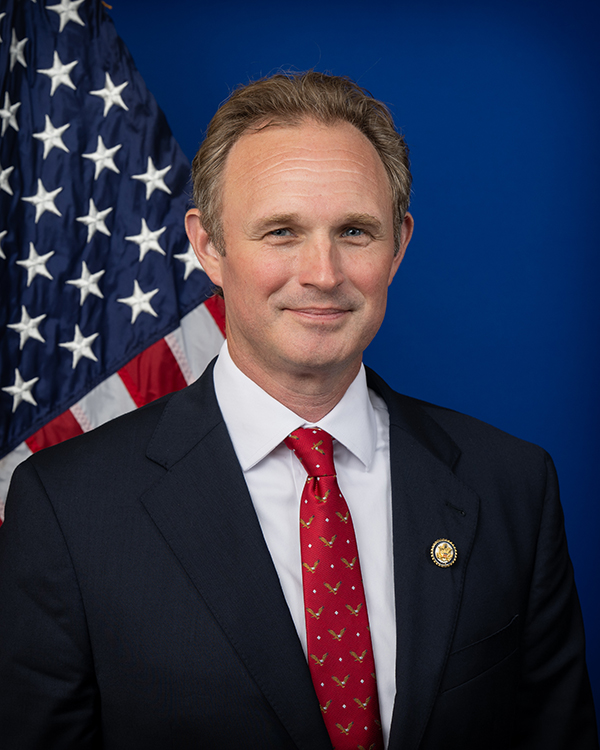
James Gallagher
100% support rate
Top opponent
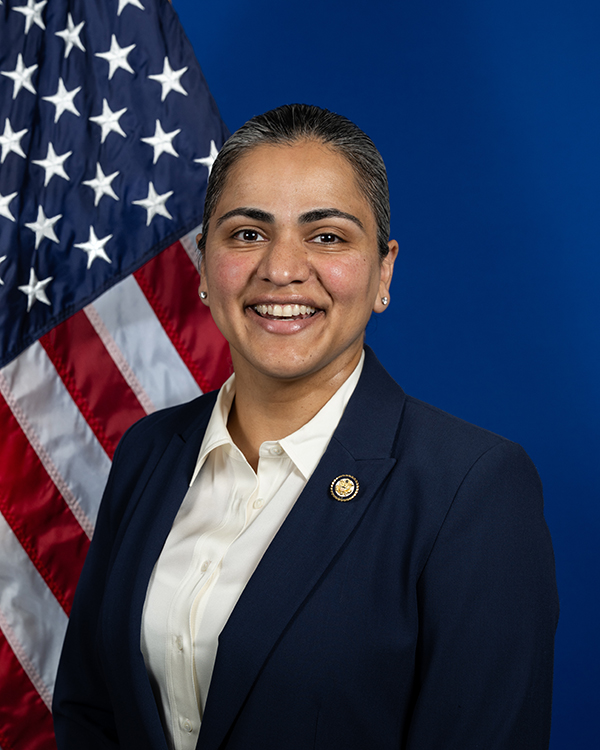
Aisha Wahab
0% support rate
Ranked legislators
10
5 support · 5 oppose
Key legislators

Who's moving law enforcement in United States

Legislators moving law enforcement in United States
Legislator Party Stance Support rate Decisive votes
James Gallagher
James Gallagher House · District 1
R
Strong +
100% 3
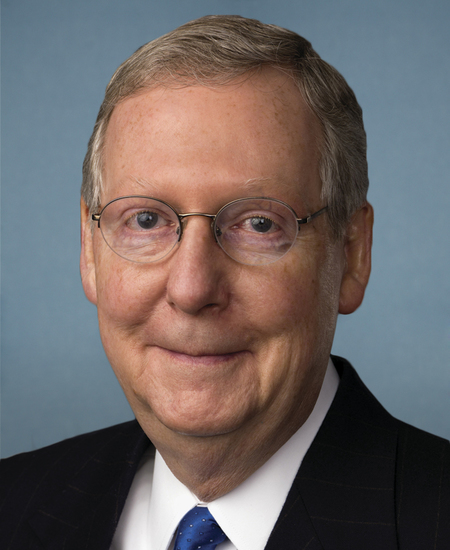
Mitch McConnell
Mitch McConnell Senate
R
Strong +
93% 28
AA
Alan Armstrong Senate
R
Strong +
86% 28
Bernie Moreno
Bernie Moreno Senate
R
Strong +
86% 28
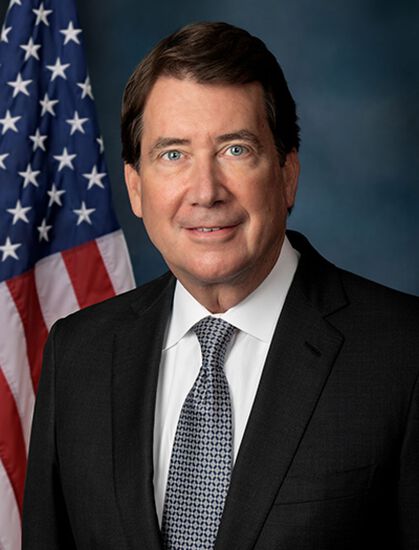
Bill Hagerty
Bill Hagerty Senate
R
Strong +
86% 28
Aisha Wahab
Aisha Wahab House · District 14
D
Strong −
0% 3
Everton Blair Jr.
Everton Blair Jr. House · District 13
D
Strong −
0% 3
Dave Min
Dave Min House · District 47
D
Strong −
13% 15
Marcy Kaptur
Marcy Kaptur House · District 9
D
Strong −
13% 15
Amy Klobuchar
Amy Klobuchar Senate
D
Strong −
14% 28
Showing 61–70 of 380 bills

All criminal justice bills

passed · United States · Senate Jun 15, 2026

S 4394: Promoting Police Leadership Act

The Promoting Police Leadership Act directs the Attorney General to create and certify specialized training programs for police commanders, focusing on leadership, community trust, and data-driven policing. This initiative requires the training to be primarily in-person and include practical problem-solving exercises where officers develop and refine solutions for real-world challenges. The bill mandates that the Attorney General consult with local agencies and universities to design these curricula and publish a list of law enforcement units that successfully complete the courses. Additionally, the legislation requires periodic reports to Congress and a review by the Government Accountability Office to assess the program's effectiveness and implementation barriers. Importantly, the act does not override state or local authority to set their own certification standards for law enforcement officers.
in committee · United States · House Jul 7, 2026

HR 9099: DHS Release Transparency Act

The DHS Release Transparency Act requires the Department of Homeland Security to inform a designated contact person when a detained individual is released from Customs and Border Protection or Immigration and Customs Enforcement custody, provided the person was held for more than 12 hours. Under this bill, individuals in custody can choose to name a contact and provide their information, with the government obligated to attempt notification at least twice. The law also mandates that translation services be available in the detainee's preferred language for both selecting a contact and receiving release notifications. Additionally, the act specifies that any information gathered under this process cannot be used for law enforcement purposes.
in committee · United States · House May 15, 2026

HR 8856: Stop Gang Violence Act

The Stop Gang Violence Act requires the Federal Bureau of Investigation to include information on suspected gang-related offenses in its existing reports to the National Gang Intelligence Center. This change directly affects the FBI and federal law enforcement agencies by expanding the data they must collect and share regarding gang activities. The bill does not create new crimes or alter penalties but instead mandates a specific reporting procedure to improve the tracking of gang involvement in criminal cases.
in committee · United States · House May 15, 2026

HR 8849: Promoting Police Leadership Act

The Promoting Police Leadership Act directs the Attorney General to create training programs for mid-level law enforcement leaders, such as those managing specific geographic areas. These curricula will focus on practical skills like strategic thinking, community trust-building, data analysis, and officer wellness, delivered primarily through in-person instruction and peer learning. The bill establishes a certification system for courses that meet these standards and requires the Attorney General to publish a list of agencies that have successfully trained their command staff. Additionally, the legislation mandates periodic reports to Congress and a review by the Government Accountability Office to assess the program's effectiveness. Importantly, the law explicitly states that it does not override state or local authority to set their own training and certification standards for police officers.
in committee · United States · House May 15, 2026

HR 8862: No Special Immunity for Violating Our State Laws Act of 2026

This bill removes federal immunity protections for federal immigration law enforcement officers who cause death or serious bodily injury while performing their duties. Under the new provision, these officers could be prosecuted under state laws if they commit such acts, allowing state courts to assert jurisdiction over the offenses. The legislation directly affects federal agents involved in immigration enforcement and state legal systems that might seek to try them for violent crimes. By amending Title 18 of the U.S. Code, the bill creates a specific legal pathway for states to pursue charges against federal officers in cases of severe harm.
Sub-Topics Law Enforcement
in committee · United States · Senate Apr 15, 2026

S 4309: Deescalation Drone Pilot Program Act of 2026

This bill establishes a pilot program for law enforcement agencies to test and evaluate nonlethal drones designed to help de-escalate active shooter situations. The Federal Aviation Administration will lead this initiative by reviewing weapon options, developing safety and training protocols, and assessing how these drones can safely increase the distance between officers and shooters. The program requires that all tested drones be manufactured in the United States and mandates a final report to Congress outlining a future process for official approval of such operations. Additionally, the legislation reaffirms the existing ban on drones armed with lethal weapons while defining specific criteria for what constitutes a nonlethal device in this context.
in committee · United States · Senate Apr 16, 2026

S 4326: The FBI Hiring Review Act

The FBI Hiring Review Act mandates a comprehensive review of hiring practices and training standards for the Federal Bureau of Investigation. It requires the Deputy Assistant Attorney General to audit hiring records for employees hired after a specific date and to cross-reference new hires against state-level misconduct files to ensure background checks were thorough. Additionally, the bill directs the Federal Law Enforcement Training Centers to certify that all FBI agents and officers have completed their required training within 180 days of the law's enactment. A Government Accountability Office report will be produced within a year to evaluate the findings from these audits and training assessments. These measures aim to increase transparency and accountability in FBI recruitment and personnel preparation.
Sub-Topics Law Enforcement
in committee · United States · House May 13, 2026

HR 8802: January 6th Law Enforcement Heroes Compensation Fund Act

This bill establishes a compensation fund to provide financial support to law enforcement officers who actively defended the U.S. Capitol on January 6, 2021, and suffered injuries, emotional distress, or death as a result. The program is administered by a Special Master appointed by the Attorney General, who will review individual claims for economic and non-economic losses while ignoring any questions of negligence. Eligible officers can receive specific payments for their injuries or the death of a colleague, with a guaranteed minimum of $4.975 million for death claims, plus an additional equal distribution to all qualifying officers regardless of injury status. The legislation also includes provisions to reduce payouts by any other compensation the claimant has already received and grants the federal government the right to recover funds if they are later paid out in related legal settlements.
Sub-Topics Law Enforcement
passed · United States · Senate Apr 28, 2026

SRES 693: A resolution recognizing and supporting the goals and ideals of National Sexual Assault Awareness and Prevention Month.

This Senate resolution formally recognizes April 2026 as National Sexual Assault Awareness and Prevention Month to highlight the issue of sexual violence across the United States. The bill expresses the Senate's support for educating the public, preventing future assaults, improving care for survivors, and ensuring perpetrators face legal consequences. It specifically commends the work of organizations like RAINN, military support services, law enforcement, and health professionals who provide essential resources and advocacy. By adopting this resolution, the Senate aims to encourage community awareness and celebrate the efforts of those working to end sexual violence without enacting new laws or funding changes.
in committee · United States · House Apr 30, 2026

HRES 1249: Unhoused Persons Bill of Rights

This resolution expresses the House of Representatives' sense that the United States must permanently end the unhoused crisis by 2029 while protecting the civil and human rights of unhoused individuals. It calls for specific actions such as allocating billions of dollars in funding for affordable housing, expanding access to healthcare and food assistance, and removing barriers that prevent people with criminal records from receiving public services. The text also urges the government to decriminalize behaviors like sleeping in public or panhandling, prohibit discrimination based on housing status, and establish legal protections for those providing services to unhoused communities. Additionally, it requests the creation of more accurate methods for counting the unhoused population and mandates annual reports on law enforcement interactions with this population.
Showing 61 to 70 of 380 bills
Previous 1 … 6 7 8 … 38 Next