Issue · Criminal Justice

Criminal Justice (Corrections)

Every criminal justice bill, vote, and legislator stance in United States, automatically classified by Maddy, our AI policy reader.

Total bills
244
119th Congress
Top supporter
Adam B. Schiff
100% support rate
Top opponent
Frank J. Mrvan
0% support rate
Ranked legislators
10
5 support · 5 oppose
Key legislators

Who's moving corrections in United States

Legislators moving corrections in United States
Legislator Party Stance Support rate Votes
Adam B. Schiff
Adam B. Schiff Senate
D
Strong +
100% 3
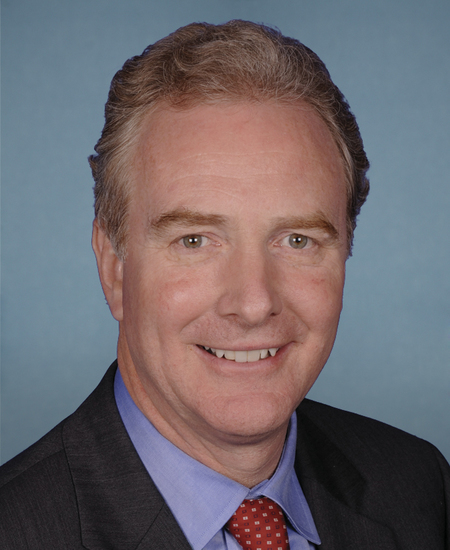
Chris Van Hollen
Chris Van Hollen Senate
D
Strong +
100% 3
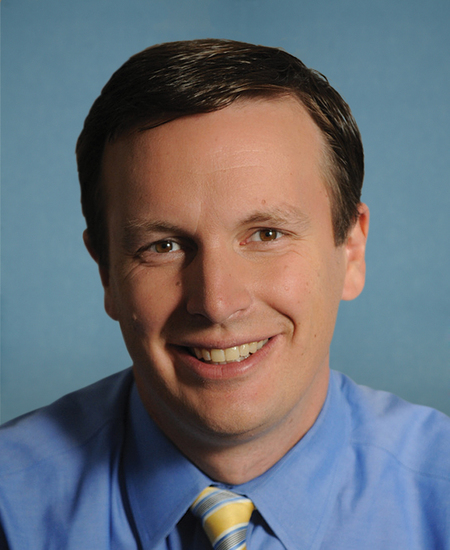
Christopher Murphy
Christopher Murphy Senate
D
Strong +
100% 3
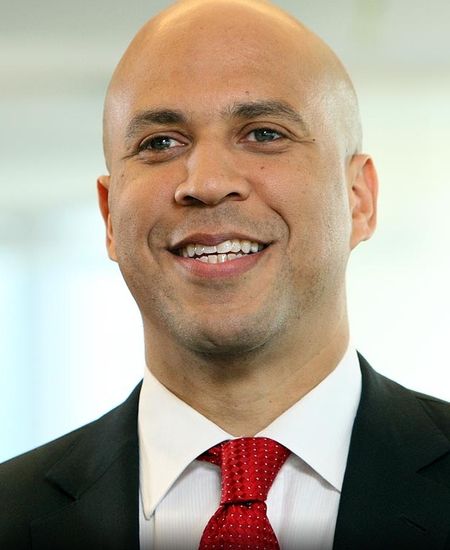
Cory A. Booker
Cory A. Booker Senate
D
Strong +
100% 3
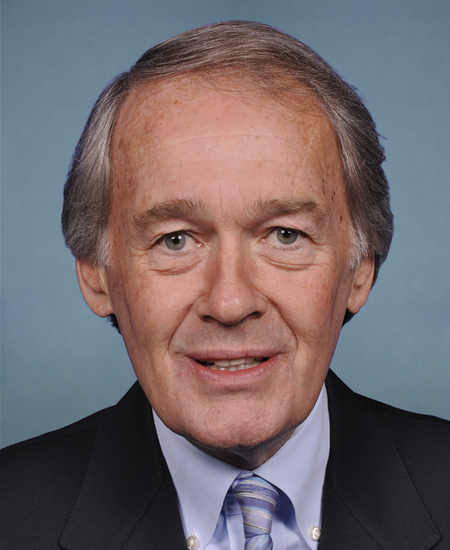
Edward J. Markey
Edward J. Markey Senate
D
Strong +
100% 3
Frank J. Mrvan
Frank J. Mrvan House · District 1
D
Strong −
0% 5
Amy Klobuchar
Amy Klobuchar Senate
D
Strong −
0% 3
Andy Kim
Andy Kim Senate
D
Strong −
0% 3
Angus S. King, Jr.
Angus S. King, Jr. Senate
I
Strong −
0% 3
Ashley Moody
Ashley Moody Senate
R
Strong −
0% 3
Showing 61–70 of 244 bills

All criminal justice bills

in committee · United States · Senate Mar 17, 2026

S 4121: Vote Without Fear Act

This bill, known as the Vote Without Fear Act, would make it a federal crime to knowingly possess a firearm inside or within 100 yards of a Federal election site, such as a polling place or ballot counting location. The law applies to anyone who is aware or has reason to believe they are near such a site, with exceptions for law enforcement, security personnel on duty, vehicles where firearms remain inside, and lawful possession on private property. Violations of the basic possession rule could result in fines or up to one year in prison, while possessing a firearm with intent to use it in a crime carries a potential sentence of up to five years. The bill also increases penalties for any homicides or conspiracies involving firearms at these election sites.
in committee · United States · House Feb 25, 2026

HR 7719: SOS Act of 2026

This bill, titled the Securing Our Streets Act of 2026, directs the Attorney General to distribute federal grants to states that implement specific criminal justice policies aimed at reducing repeat offenses. To qualify for funding, states must adopt laws requiring repeat offenders to serve at least 85 percent of their sentences, mandate pretrial detention for violent offenders posing a clear threat to public safety, and impose life imprisonment for individuals convicted of three distinct violent crimes. The grants, totaling up to $10 billion over five years, can only be used to build secure correctional facilities, expand incarceration capacity for violent offenders, and train correctional staff.
in committee · United States · House Feb 9, 2026

HR 7420: Stop Gender Trafficking of Minors Act

This bill, titled the Stop Gender Trafficking of Minors Act, would create a new federal crime for knowingly transporting minors across state lines to receive gender transition procedures. The law defines these procedures to include puberty blockers, hormone therapy, and surgeries intended to alter sex characteristics, and would allow for up to ten years in prison or fines for violators. It also permits civil lawsuits by minors or parents seeking damages and prohibits federal funding for states that permit such transportation or refuse to cooperate with federal investigations. The legislation is based on the argument that the federal government has an interest in protecting minors from medical procedures that may cause long-term harm.
in committee · United States · Senate Mar 4, 2026

S 3982: AI Fraud Accountability Act of 2026

This bill, called the AI Fraud Accountability Act of 2026, makes it a federal crime to use artificial intelligence or other technology to create fake images or voices of real or imaginary people with the intent to defraud others of money or property. It also gives the Federal Trade Commission authority to enforce these rules and allows for criminal penalties including fines and up to three years in prison for violators. The law includes exceptions for law enforcement and intelligence activities, and it does not restrict parody, satire, or journalism protected by the First Amendment. Additionally, the bill creates a working group to develop best practices for detecting digital impersonation fraud and establishes international cooperation agreements to help combat cross-border violations.
in committee · United States · Senate Mar 2, 2026

S 3959: Smarter Sentencing Act of 2026

The Smarter Sentencing Act of 2026 reduces mandatory minimum prison sentences for certain federal drug offenses involving couriers who only transport or store drugs or money. Under the bill, couriers face reduced minimum sentences of 5 years instead of 10 years for major drug offenses, and 2 years instead of 5 years for lesser offenses, while maintaining longer sentences for repeat offenders or those with serious prior convictions. The law applies to cases sentenced after enactment and allows courts to reduce sentences for past cases upon motion. The bill also directs the Sentencing Commission to update sentencing guidelines within 120 days and requires the Attorney General to report on how cost savings from reduced sentences will be used to address prison overcrowding and improve law enforcement spending.
in committee · United States · House Mar 4, 2026

HR 7786: AI Fraud Accountability Act

This bill, known as the AI Fraud Accountability Act, makes it a federal crime to use artificial intelligence or other technology to create realistic digital impersonations of real or fictional people for the purpose of defrauding others of money, documents, or other valuable items. The law applies to communications across state lines and foreign borders, and it allows for criminal penalties including fines and up to three years in prison, along with the forfeiture of assets used to commit the fraud. In addition to criminal provisions, the bill gives the Federal Trade Commission authority to enforce these rules as unfair or deceptive business practices and requires the creation of a working group to develop technical best practices for detecting and preventing digital impersonation fraud. The legislation also establishes mechanisms for international cooperation with foreign law enforcement agencies to combat cross-border fraud and includes a safeguard protecting parody, satire, and journalism from being classified as illegal impersonation.
in committee · United States · House Jan 16, 2026

HR 7136: Special Operator Protection Act of 2026

This bill creates a new federal crime that prohibits knowingly sharing restricted personal information about special operations personnel or their immediate family members with the intent to threaten or intimidate them. The law defines covered persons to include special operations forces members, designated Department of Defense employees, and federal law enforcement officers working with these units, while restricted personal information includes names, photos, home addresses, and biometric data. Anyone who violates this provision could face up to five years in prison, or life imprisonment if the violation leads to death or serious bodily injury. The legislation aims to protect the privacy and safety of these individuals by criminalizing the public release of their sensitive information for malicious purposes.
in committee · United States · House Mar 5, 2026

HR 7846: Halo Act

This bill, known as the Halo Act, creates a new federal crime for intentionally approaching or staying within 25 feet of immigration enforcement officers after receiving a verbal warning, if the person intends to interfere with their work, threaten them, or harass them. It directly affects individuals who may attempt to block or disrupt immigration officers performing their duties, such as during arrests or investigations. The law defines harassment as conduct that causes substantial emotional distress to an officer and serves no legitimate purpose, and it carries penalties of up to five years in prison, a fine, or both. This provision adds to existing Title 18 United States Code by establishing specific boundaries for behavior near federal immigration officials.
in committee · United States · House Mar 18, 2026

HR 7983: Clean Water for All Life Act

This bill, titled the Clean Water for All Life Act, would amend federal criminal law to prohibit chemical abortions unless a healthcare provider is physically present during the procedure. It directly affects individuals who prescribe, administer, or assist with chemical abortion drugs like mifepristone and misoprostol by making it a federal crime to provide these services without a physical exam and the provider's presence. The law requires that patients receive a catch kit and red bag medical waste container with disposal instructions, and it defines an unborn child as beginning at fertilization. Violations could result in up to five years in prison and a $50,000 fine for each occurrence. The bill does not address other forms of abortion or change existing state laws.
in committee · United States · House Mar 19, 2026

HR 7998: BRIDGE Act

The BRIDGE Act extends the work opportunity tax credit through 2030 and expands eligibility to include individuals with felony convictions or incarceration histories, as well as out-of-school youth. Employers who hire these qualified individuals after the bill's enactment can receive tax credits, with the credit amount determined under existing Internal Revenue Code provisions. The bill also requires the Treasury Secretary to issue regulations for implementation and directs the Comptroller General to study how to improve the efficiency of the credit claiming process.
Showing 61 to 70 of 244 bills
Previous 1 6 7 8 25 Next