

Issue · Criminal Justice
Criminal Justice (Policing)
Every criminal justice bill, vote, and legislator stance in United States, automatically classified by Maddy, our AI policy reader.
Total bills
115
119th Congress
Top supporter
Adam Smith
100% support rate
Top opponent
Dave Min
0% support rate
Ranked legislators
10
5 support · 5 oppose
Key legislators
Who's moving policing in United States
| Legislator | Party | Stance | Support rate | Votes |
|---|---|---|---|---|
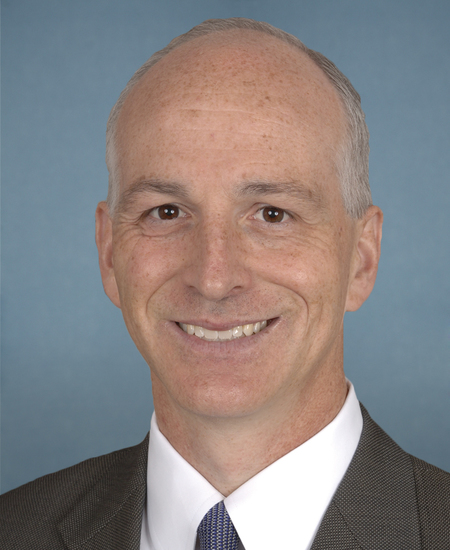
Adam Smith
House · District 9
|
D |
Strong +
|
100% | 3 |
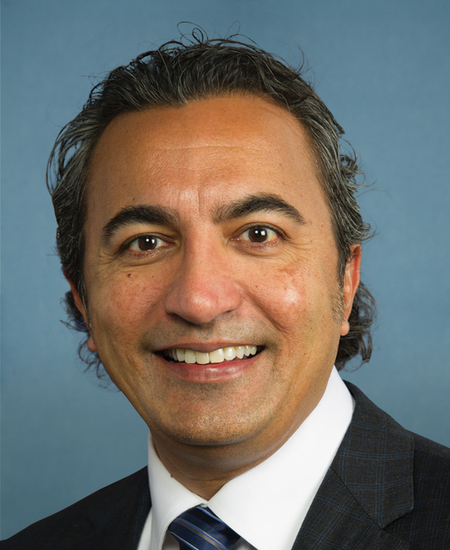
Ami Bera
House · District 6
|
D |
Strong +
|
100% | 3 |
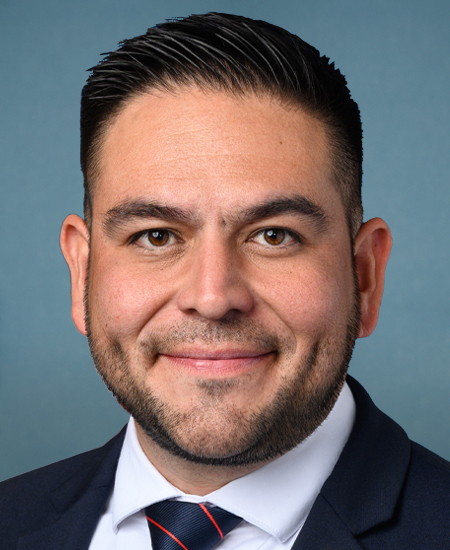
Gabe Vasquez
House · District 2
|
D |
Strong +
|
100% | 3 |
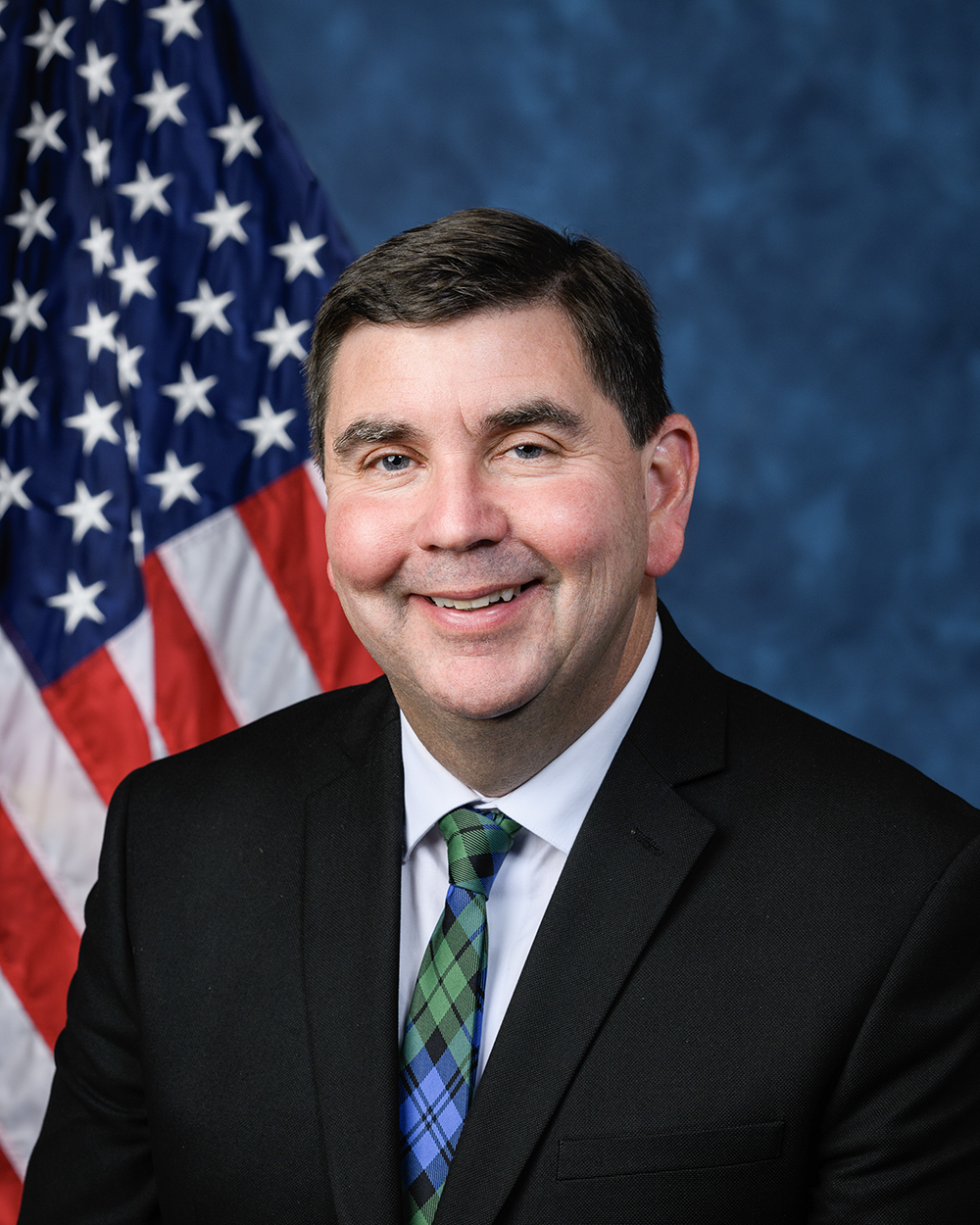
John W. Mannion
House · District 22
|
D |
Strong +
|
100% | 3 |
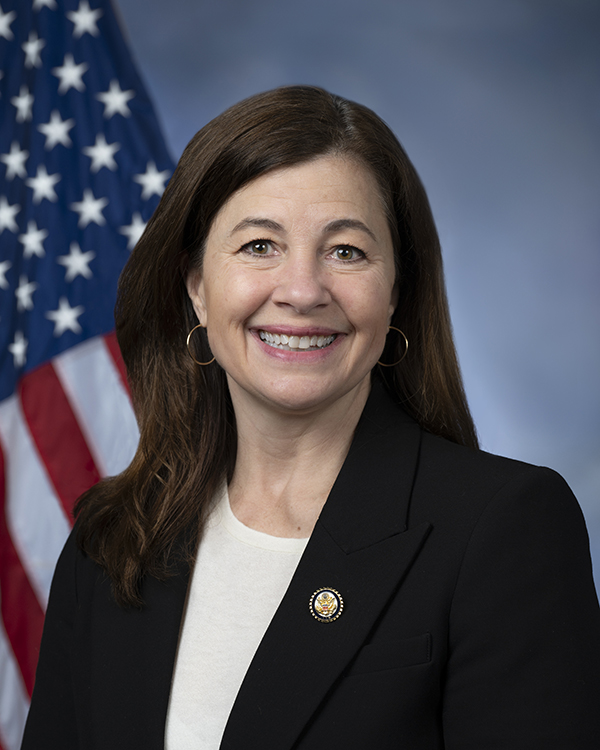
Kristen McDonald Rivet
House · District 8
|
D |
Strong +
|
100% | 3 |
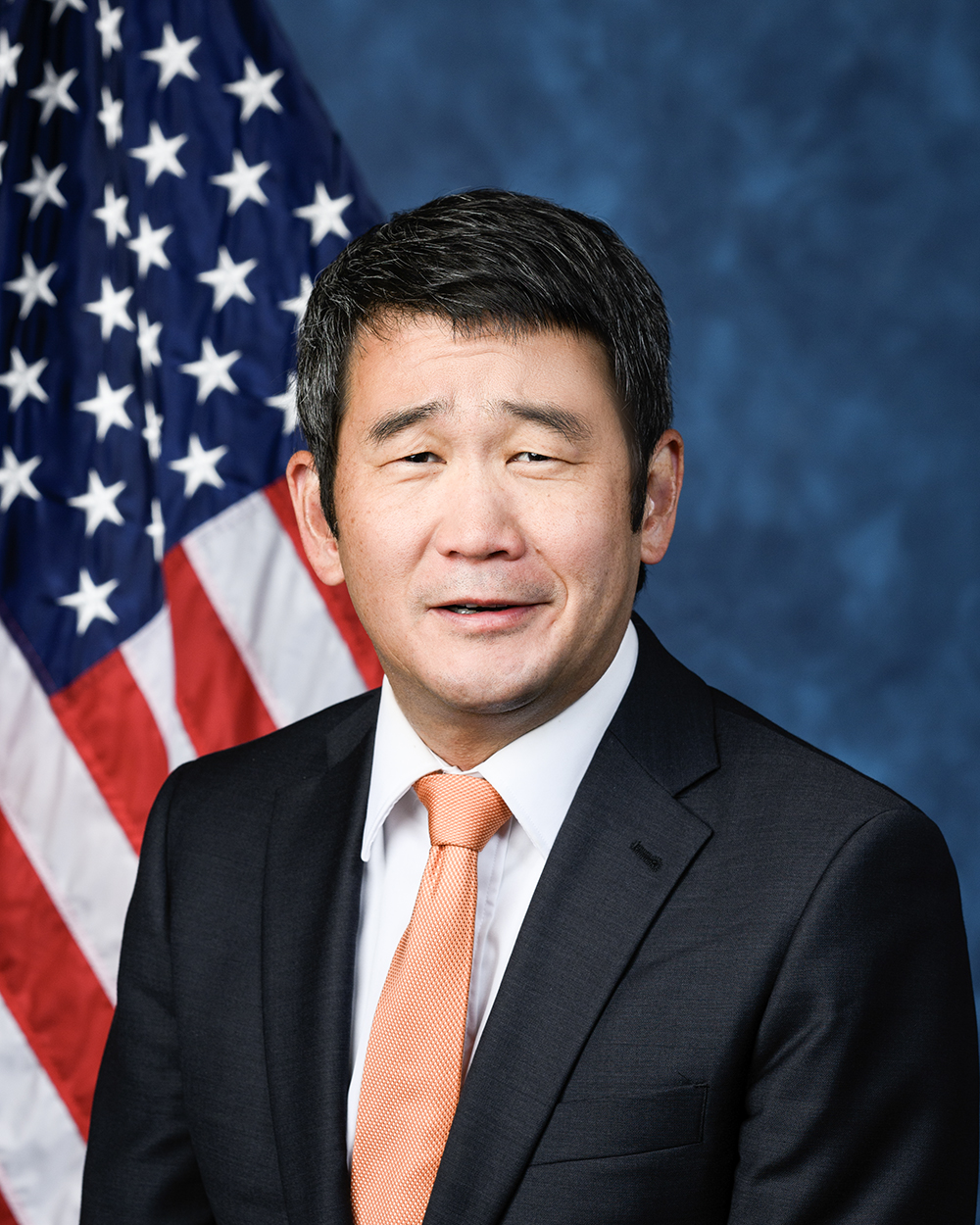
Dave Min
House · District 47
|
D |
Strong −
|
0% | 3 |
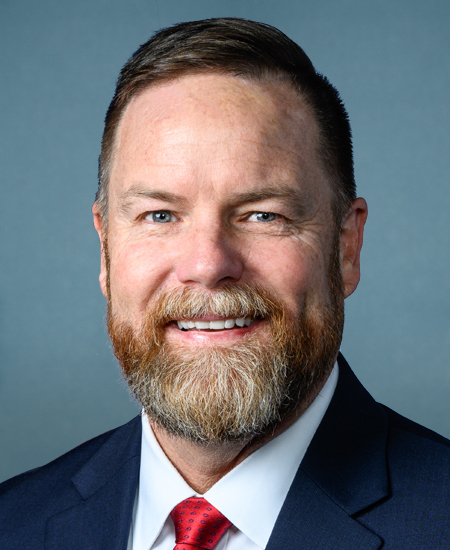
Aaron Bean
House · District 4
|
R |
Oppose
|
33% | 3 |
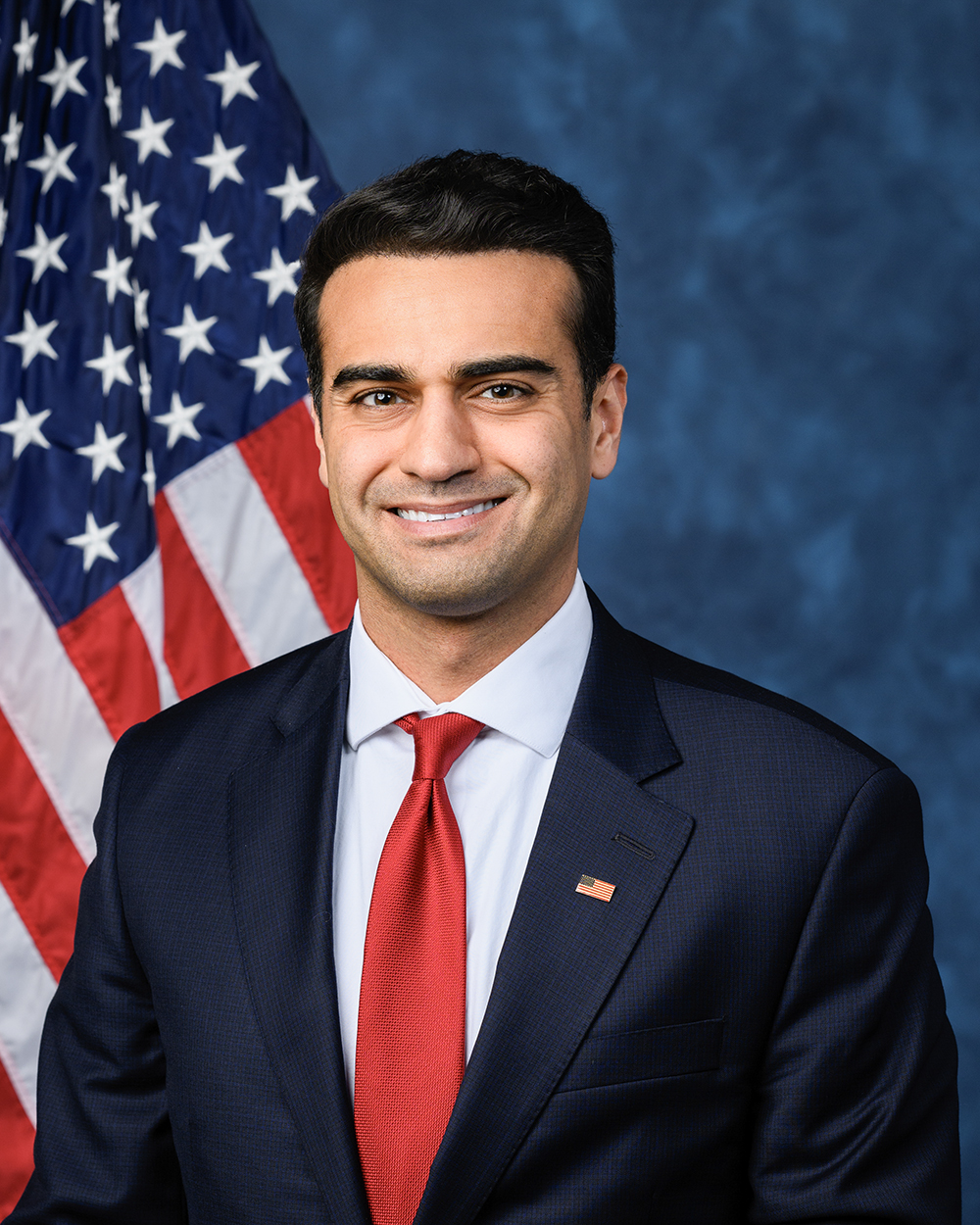
Abraham J. Hamadeh
House · District 8
|
R |
Oppose
|
33% | 3 |
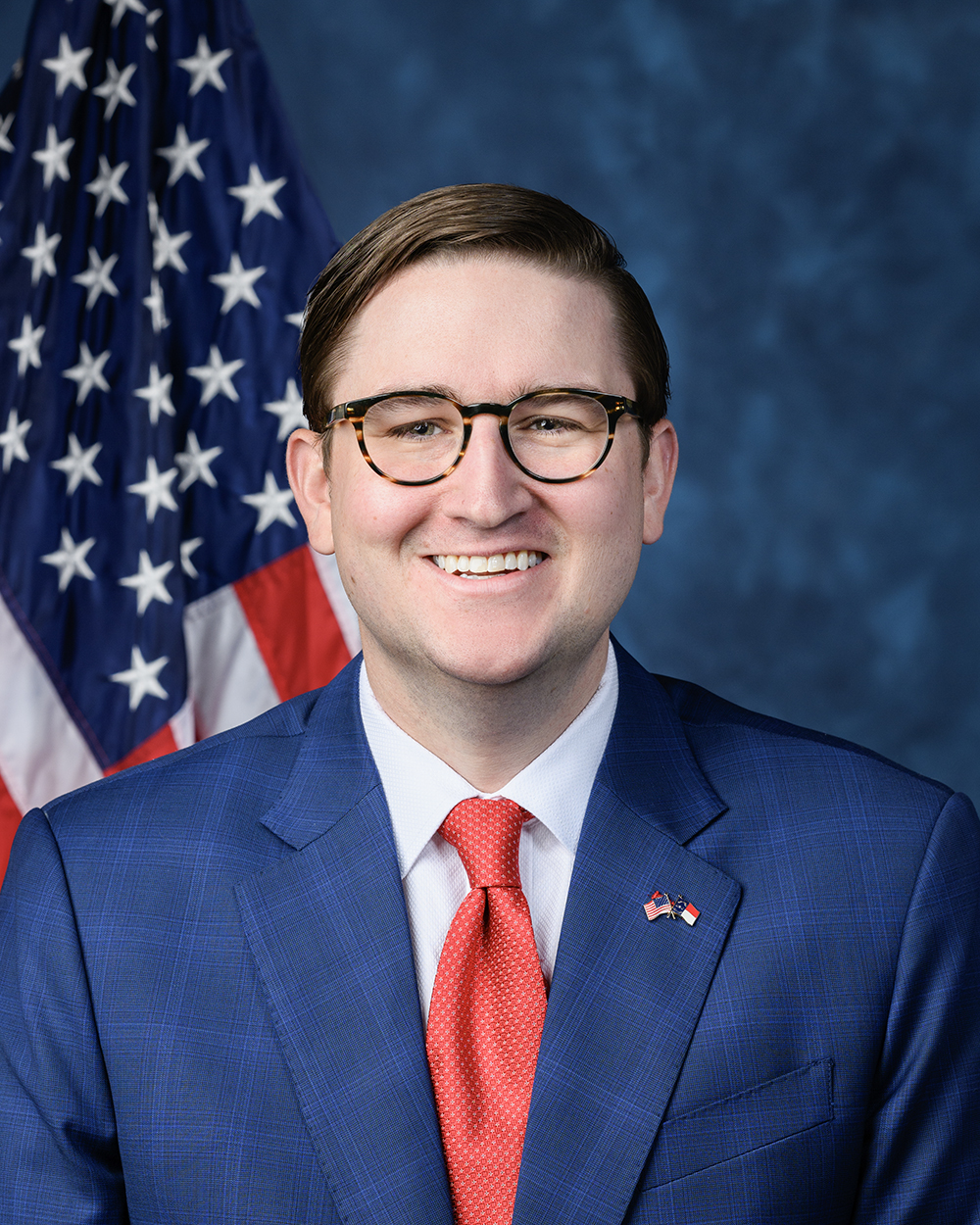
Addison P. McDowell
House · District 6
|
R |
Oppose
|
33% | 3 |
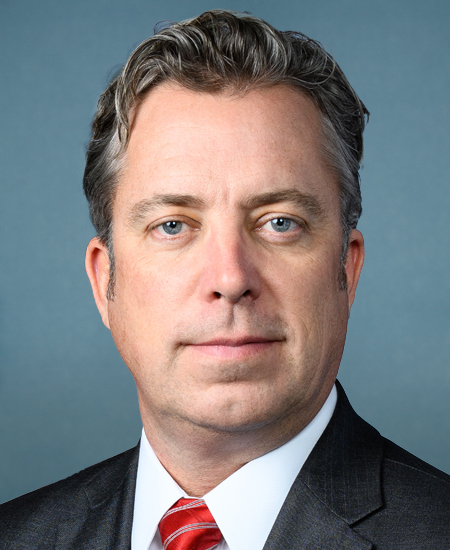
Andrew Ogles
House · District 5
|
R |
Oppose
|
33% | 3 |
Showing 51–60 of 115
bills
All criminal justice bills
HR 7210: Fuel the Force Act of 2026
Topics
✓ Budget & TaxesSupports Budget & TaxesProvides tax exclusion for law enforcement officers earning ≤$100k, offering tax relief to middle-income public safety workers under Budget & Taxes topic.
✓ Criminal JusticeSupports Criminal JusticeBill provides tax exclusion for law enforcement officers, directly supporting the law enforcement component of criminal justice system as defined in topic description.
S 2366: SAFE Cities Act
Topics
✗ Criminal JusticeOpposes Criminal JusticeBill targets jurisdictions with policies restricting police intervention, labeling them 'anarchist' and requiring federal oversight, opposing reforms that limit law enforcement authority.
✗ ImmigrationOpposes ImmigrationTargets jurisdictions refusing federal immigration enforcement cooperation, opposing sanctuary policies by mandating alignment with federal enforcement priorities.
HR 2739: Counseling Not Criminalization in Schools Act
Topics
✓ Criminal JusticeSupports Criminal JusticeDefunds school police, mandates mental health services over punitive discipline, aligns with restorative justice reform to reduce criminalization in schools.
✓ EducationSupports EducationRedirects $5B federal funds from school police to mental health professionals, enhancing student support services and trauma-informed programs in schools.
✓ HealthcareSupports HealthcareFunds $5B for school mental health professionals, replacing police with counselors and mandating trauma-informed services per bill summary.
HR 2096: Protecting Our Nation’s Capital Emergency Act
Topics
✗ Criminal JusticeOpposes Criminal JusticeRestores collective bargaining for police discipline, weakening oversight (key indicator of oppose)
✓ Labor & EmploymentSupports Labor & EmploymentRestores collective bargaining for police discipline, directly supporting workers' rights under Labor & Employment.
HR 3500: More Funding for COPS Act
Topics
✓ Budget & TaxesSupports Budget & TaxesIncreases federal funding for community policing grants by $1.16B annually, directly boosting government spending on public safety programs under budget appropriations.
✓ Criminal JusticeSupports Criminal JusticeIncreases funding for community policing grants, directly advancing COPS program to strengthen law enforcement-community relationships and reform efforts.
HR 3894: SAFE Cities Act
Topics
✓ Criminal JusticeSupports Criminal JusticeBill targets jurisdictions defunding law enforcement and restricts federal grants to them, aiming to protect and strengthen law enforcement operations and funding.
✗ ImmigrationOpposes ImmigrationBill penalizes jurisdictions defunding police or blocking law enforcement, directly targeting 'sanctuary' policies that limit cooperation with federal immigration enforcement, thus opposing immigrant protections.
HR 3658: 911 Community Crisis Responders Act of 2025
Topics
✓ Criminal JusticeSupports Criminal JusticeDiverts nonviolent 911 calls from police to mental health professionals, reducing law enforcement involvement in crises - core criminal justice reform to address root causes rather than punitive responses.
✓ HealthcareSupports HealthcareBill provides federal grants for mental health crisis response teams, directly expanding access to non-police mental health services through trained professionals.
HJRES 115: Terminating the emergency determined by the President on August 11, 2025, in the Executive Order titled "Declaring a crime emergency in the District of Columbia".
S 149: Public Safety First Act
Topics
✗ Criminal JusticeOpposes Criminal JusticeExpands mandatory detention for specific crimes, increasing enforcement without reform, aligning with 'expands criminalization' indicator.
✗ ImmigrationOpposes ImmigrationMandates immediate detention for non-citizens convicted of specific crimes, increasing enforcement and restricting liberties under immigration rules.