Issue · Criminal Justice

Criminal Justice

Every criminal justice bill, vote, and legislator stance in United States, automatically classified by Maddy, our AI policy reader.

Total bills
1,286
119th Congress
Top supporter
Alan Armstrong
86% support rate
Top opponent
Amy Klobuchar
13% support rate
Ranked legislators
10
5 support · 5 oppose
Key legislators

Who's moving criminal justice in United States

Legislators moving criminal justice in United States
Legislator Party Stance Support rate Decisive votes
AA
Alan Armstrong Senate
R
Strong +
86% 28
Mitch McConnell
Mitch McConnell Senate
R
Strong +
84% 31
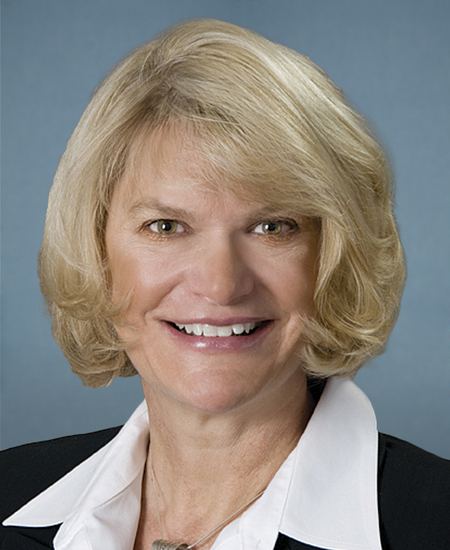
Cynthia M. Lummis
Cynthia M. Lummis Senate
R
Strong +
80% 30
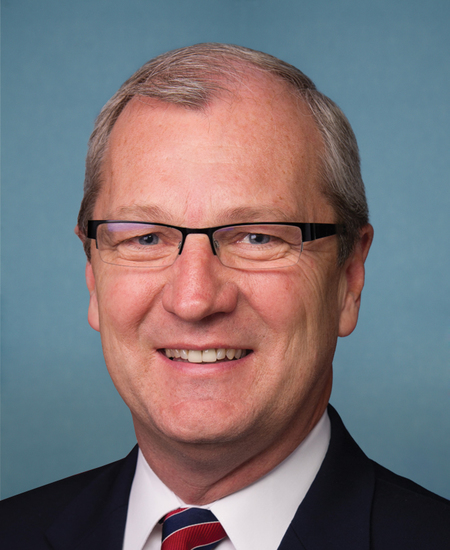
Kevin Cramer
Kevin Cramer Senate
R
Strong +
80% 30
Bernie Moreno
Bernie Moreno Senate
R
Support
77% 31
Amy Klobuchar
Amy Klobuchar Senate
D
Strong −
13% 31
Catherine Cortez Masto
Catherine Cortez Masto Senate
D
Strong −
13% 31
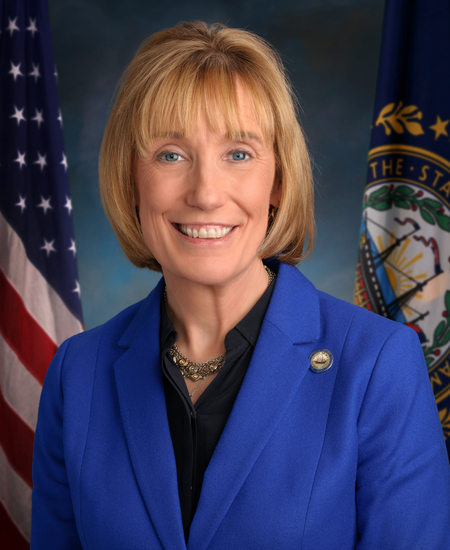
Margaret Wood Hassan
Margaret Wood Hassan Senate
D
Strong −
13% 31
Andy Kim
Andy Kim Senate
D
Strong −
16% 31
Angus S. King, Jr.
Angus S. King, Jr. Senate
I
Strong −
16% 31
Showing 551–560 of 1,286 bills

All criminal justice bills

in committee · United States · House Jun 30, 2025

HR 4251: Protecting Americans from Reckless Gun Dealers Act of 2025

HR 4251, the *Protecting Americans from Reckless Gun Dealers Act of 2025*, requires the Attorney General to submit annual reports to Congress detailing Bureau of Alcohol, Tobacco, Firearms, and Explosives (ATF) license inspections and enforcement actions against gun dealers. The reports must include monthly inspection counts, serious violations (like refusing inspections or straw sales), license revocations or surrenders, and reasons for not revoking licenses. It also mandates a GAO study evaluating ATF’s enforcement of firearm dealer licensing, focusing on systemic failures, geographic disparities, and revocation timelines. This bill directly affects gun dealers (licensees) and ATF operations by increasing transparency and accountability in license oversight.
Sub-Topics Firearms
in committee · United States · House Jul 25, 2025

HR 4769: Foster Youth Mentoring Act of 2025

The Foster Youth Mentoring Act of 2025 authorizes federal grants to fund structured mentoring programs for children in foster care (under 18) and youth with foster care experience (up to age 26). It requires grantees to provide trained mentors (adult or peer), ensure cultural competence, conduct background checks, and match mentors with mentees for at least one year to support academic, social, and emotional needs. Programs must prioritize input from youth, recruit diverse mentors reflecting foster youth demographics, and coordinate with child welfare and education systems. The bill allocates $50 million annually for fiscal years 2026-2027, mandating annual reports on program reach, mentor demographics, and outcomes like school attendance and college enrollment. This directly affects over 390,000 foster youth annually by expanding access to evidence-based mentoring.
Sub-Topics Higher Education Tags Children
in committee · United States · House Nov 12, 2025

HR 6035: Second Amendment Restoration Act of 2025

HR 6035, the Second Amendment Restoration Act of 2025, would repeal specific firearm-related provisions from the Bipartisan Safer Communities Act (2022), including rules on background checks and gun sales, and restore federal gun laws as they existed before that law was enacted. It also reverses an education-related provision affecting school safety grants under the Elementary and Secondary Education Act. The bill directly affects federal regulations governing gun ownership and school safety funding by reverting to pre-2022 legal standards. It does not create new gun laws but undoes specific changes made by the 2022 law.
Sub-Topics Firearms School Safety
in committee · United States · House Dec 18, 2025

HRES 959: Expressing the sense of the House of Representatives that illicit fentanyl-related substances are a weapon of mass destruction and should be classified as such, and recognizing President Trump's efforts to mitigate illicit narcotics from entering the United States through such actions as signing an Executive Order "Designating Fentanyl as a Weapon of Mass Destruction" and declaring the crisis caused by the rise of fentanyl a national health emergency.

This resolution expresses the House's view that illicit fentanyl-related substances should be classified as a weapon of mass destruction and permanently placed in Schedule I of the Controlled Substances Act. It recommends the President take action to reclassify fentanyl under these designations, citing the severe public health impact of the opioid crisis. The resolution also recognizes former President Trump's 2018 Executive Order designating fentanyl as a weapon of mass destruction and his declaration of the fentanyl crisis as a national health emergency. As a symbolic resolution, it does not change current law or enforcement practices.
Sub-Topics Drug Policy
in committee · United States · House Jul 22, 2025

HR 4612: Inspector General Access Act of 2025

This bill amends a provision of U.S. law (5 U.S. Code § 413) to remove a specific exception that previously limited Inspector General (IG) investigations of Department of Justice (DOJ) personnel. It eliminates language requiring DOJ to restrict IG probes into allegations described under a certain subsection (previously referenced as "(b)(3)"). The change directly affects DOJ staff and IGs conducting investigations, streamlining the process by removing this procedural barrier. The bill makes a technical adjustment to existing law without creating new programs or altering substantive policy.
in committee · United States · Senate Jan 29, 2025

S 299: Mentoring to Succeed Act of 2025

The Mentoring to Succeed Act of 2025 creates a federal grant program to fund structured mentoring initiatives for eligible youth. It authorizes competitive grants to community-based organizations and partnerships that provide mentoring programs designed to help youth develop cognitive and social-emotional skills, prepare for high school success, and transition to postsecondary education or employment. Programs must serve youth from underserved communities, include trauma-informed mentor training, coordinate with local schools and employers, and report annually on outcomes like academic achievement, employment, and social-emotional development. The bill also requires a study on effective mentoring practices to inform future program design.
in committee · United States · House May 16, 2025

HR 3464: State Border Security Assistance Act

HR 3464 creates two federal funds to support state and local border security efforts. The DHS fund ($11 billion) provides grants for constructing border barriers, surveillance systems, and relocating undocumented immigrants along the southern border. The DOJ fund ($3.5 billion) funds state efforts to locate, apprehend, prosecute, and detain undocumented immigrants for crimes, including gang activity and human trafficking. Both funds cover eligible expenses from 2021 onward and expire on January 20, 2029, with unused funds returned to the Treasury.
in committee · United States · House Aug 22, 2025

HR 5018: Naomi Schwartz and Susan Rose Safe Parking Act of 2025

HR 5018, the Naomi Schwartz and Susan Rose Safe Parking Act of 2025, adds "safe parking" as an eligible activity under the federal Emergency Solutions Grant Program. It directly affects homeless individuals living in vehicles, including motor homes, by making funding available for programs that provide them with safe overnight parking and supportive services to transition to stable housing. The bill defines "safe parking" as activities offering a secure place to park vehicles overnight while connecting residents to re-housing support. This change allows communities to use federal grants to establish and operate such parking programs, which were previously ineligible under the program's rules.
Sub-Topics Homelessness
in committee · United States · House Jan 20, 2026

HR 7156: SCAM Act

HR 7156, the SCAM Act, would expand grounds for revoking U.S. citizenship (denaturalization) for naturalized citizens who commit specific offenses within 10 years of becoming citizens. It targets individuals convicted of defrauding federal, state, or local governments (e.g., $10,000+ in public benefit fraud), affiliating with foreign terrorist organizations, or committing aggravated felonies or espionage. If convicted in these categories, the government could automatically revoke citizenship retroactively (as if it never existed) based on evidence that the person lacked good moral character or loyalty to the U.S. at the time of naturalization. This bill directly affects naturalized citizens who commit these offenses within a decade of gaining citizenship, with revocation triggering immediate deportability.
in committee · United States · House Jun 17, 2025

HR 4030: Treatment Continuity Act of 2025

This bill updates federal grant programs to expand access to long-acting injectable medications, lab testing, and counseling for people with substance use disorders or serious mental illness. It requires grant recipients (state/local health agencies) to provide these specific services and train clinicians on medication use. The changes apply to new grants starting after the bill's enactment. Annual reports on program outcomes must also be submitted to Congress.
Showing 551 to 560 of 1,286 bills
Previous 1 … 55 56 57 … 129 Next