

Issue · Criminal Justice
Criminal Justice
Every criminal justice bill, vote, and legislator stance in United States, automatically classified by Maddy, our AI policy reader.
Total bills
1,286
119th Congress
Top supporter
Alan Armstrong
86% support rate
Top opponent
Amy Klobuchar
13% support rate
Ranked legislators
10
5 support · 5 oppose
Key legislators
Who's moving criminal justice in United States
| Legislator | Party | Stance | Support rate | Decisive votes |
|---|---|---|---|---|
|
AA
Alan Armstrong
Senate
|
R |
Strong +
|
86% | 28 |
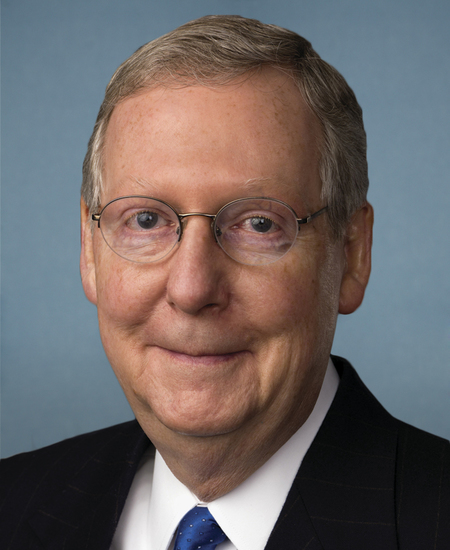
Mitch McConnell
Senate
|
R |
Strong +
|
84% | 31 |
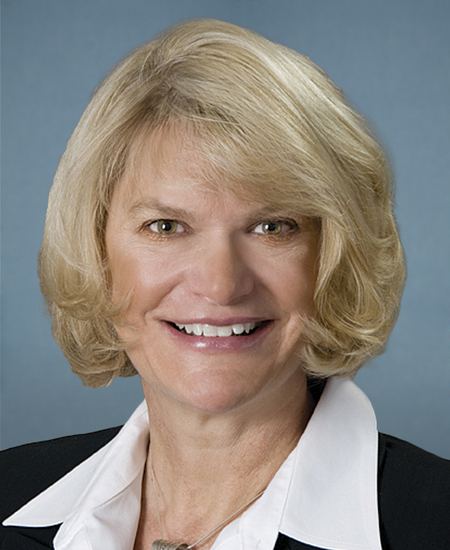
Cynthia M. Lummis
Senate
|
R |
Strong +
|
80% | 30 |
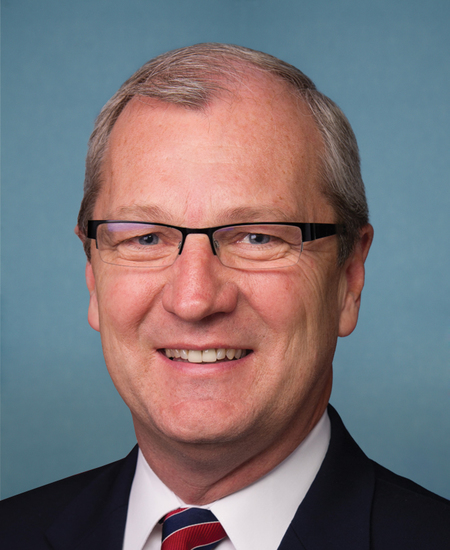
Kevin Cramer
Senate
|
R |
Strong +
|
80% | 30 |
Bernie Moreno
Senate
|
R |
Support
|
77% | 31 |

Amy Klobuchar
Senate
|
D |
Strong −
|
13% | 31 |
Catherine Cortez Masto
Senate
|
D |
Strong −
|
13% | 31 |
Margaret Wood Hassan
Senate
|
D |
Strong −
|
13% | 31 |
Andy Kim
Senate
|
D |
Strong −
|
16% | 31 |
Angus S. King, Jr.
Senate
|
I |
Strong −
|
16% | 31 |
Showing 531–540 of 1,286
bills
All criminal justice bills
S 2157: Gun Violence Prevention Through Financial Intelligence Act
Sub-Topics
Firearms
HR 5880: Fight Illicit Pill Presses Act
Sub-Topics
Drug Policy
HR 2695: Communities of Recovery Reauthorization Act of 2025
Topics
✓ Budget & TaxesSupports Budget & TaxesBill explicitly increases annual funding for community recovery programs from $5M to $17M, directly expanding government spending on public health services.
✓ Criminal JusticeSupports Criminal JusticeFunds substance use disorder and mental health programs, directly supporting rehabilitation efforts that reduce recidivism - key criminal justice reform indicator.
✓ HealthcareSupports HealthcareIncreases funding for mental health/substance use programs under Public Health Service Act, directly advancing healthcare services for recovery communities.
HR 62: WILLIS Act
SRES 604: A resolution recognizing that it is the duty of the Federal Government to develop and implement a Transgender Bill of Rights to protect and codify the rights of transgender and nonbinary people under the law and ensure their access to medical care, shelter, safety, and economic security.
Topics
✓ Criminal JusticeSupports Criminal JusticeResolution explicitly calls for safety improvements for transgender people in custody, directly addressing corrections within criminal justice reform.
✓ HealthcareSupports HealthcareExplicitly calls for equal access to healthcare, including gender-affirming care, to protect transgender and nonbinary people's medical rights and safety.
✓ HousingSupports HousingExplicitly calls for anti-discrimination housing protections, aligning with tenant rights and equal access under the resolution's housing-related goals.
✓ Labor & EmploymentSupports Labor & EmploymentResolution explicitly demands anti-discrimination protections in employment for transgender/nonbinary people, directly advancing workers' rights under Labor & Employment policy.
Sub-Topics
Civil Rights
HR 7347: Stop Inhumane Conditions in ICE Detention Act of 2026
Topics
✓ Criminal JusticeSupports Criminal JusticeBill mandates health reporting, complaint systems, and audits to prevent inhumane conditions in ICE detention, aligning with criminal justice reform by protecting detainee rights and improving correctional conditions.
✓ HealthcareSupports HealthcareMandates real-time health reporting, mental health services, and full-time liaisons in ICE facilities, directly improving detainee healthcare access and rights.
✓ ImmigrationSupports ImmigrationRequires real-time health reporting, anonymous complaints, and audits to improve detainee conditions in ICE facilities, directly protecting immigrant rights and safety.
HR 3100: To amend the National Child Protection Act of 1993 to ensure that businesses and organizations that work with vulnerable populations are able to request background checks for their contractors who work with those populations, as well as for individuals that the businesses or organizations license or certify to provide care for those populations.
Sub-Topics
Firearms
HR 7743: Stop ICE Intimidation Act of 2026
Topics
✓ Criminal JusticeSupports Criminal JusticeProhibits ICE surveillance targeting constitutional rights (e.g., free speech), protecting civil liberties in enforcement practices per bill's explicit requirements.
✓ ImmigrationSupports ImmigrationBill restricts ICE surveillance and data collection to protect constitutional rights, aligning with immigrant rights protection indicators.
✗ TechnologyOpposes TechnologyRestricts DHS funding for biometric surveillance systems and mandates policies banning collection of data on constitutional rights, directly limiting a technology threatening privacy and digital rights.
HR 4253: Expanding Access to Mental Health Services in Schools Act of 2025
Topics
✓ Criminal JusticeSupports Criminal JusticeBill provides school mental health services, a proven prevention strategy that reduces youth involvement in criminal justice system and supports reform by lowering recidivism.
✓ EducationSupports EducationFederal grants fund mental health staff in high-need schools, directly expanding access to student support services and addressing staffing shortages per educational access criteria.
✓ HealthcareSupports HealthcareBill creates federal grants to fund mental health professionals in schools, directly expanding access to mental health services, a core healthcare component per topic description.