Issue · Criminal Justice

Criminal Justice

Every criminal justice bill, vote, and legislator stance in United States, automatically classified by Maddy, our AI policy reader.

Total bills
985
119th Congress
Top supporter
Alan Armstrong
86% support rate
Top opponent
Amy Klobuchar
13% support rate
Ranked legislators
10
5 support · 5 oppose
Key legislators

Who's moving criminal justice in United States

Legislators moving criminal justice in United States
Legislator Party Stance Support rate Decisive votes
AA
Alan Armstrong Senate
R
Strong +
86% 28
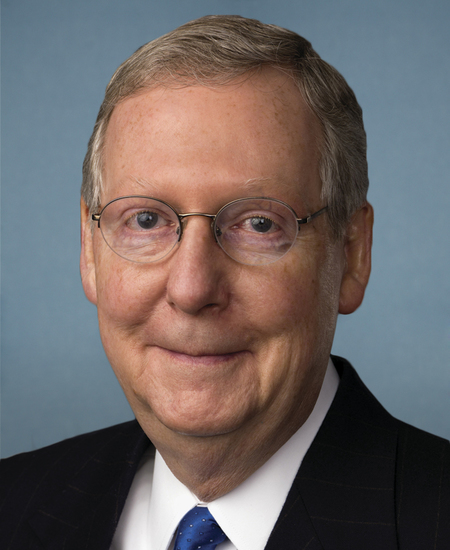
Mitch McConnell
Mitch McConnell Senate
R
Strong +
84% 31
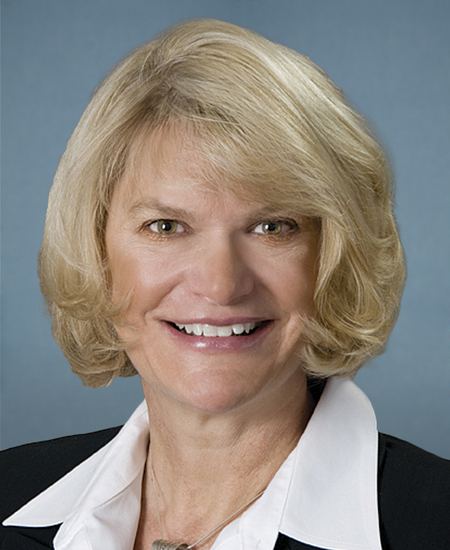
Cynthia M. Lummis
Cynthia M. Lummis Senate
R
Strong +
80% 30
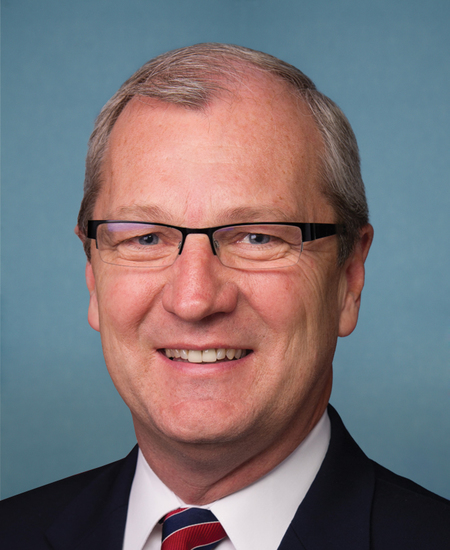
Kevin Cramer
Kevin Cramer Senate
R
Strong +
80% 30
Bernie Moreno
Bernie Moreno Senate
R
Support
77% 31
Amy Klobuchar
Amy Klobuchar Senate
D
Strong −
13% 31
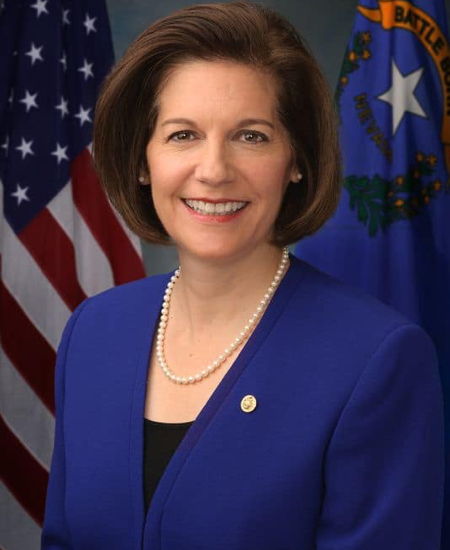
Catherine Cortez Masto
Catherine Cortez Masto Senate
D
Strong −
13% 31
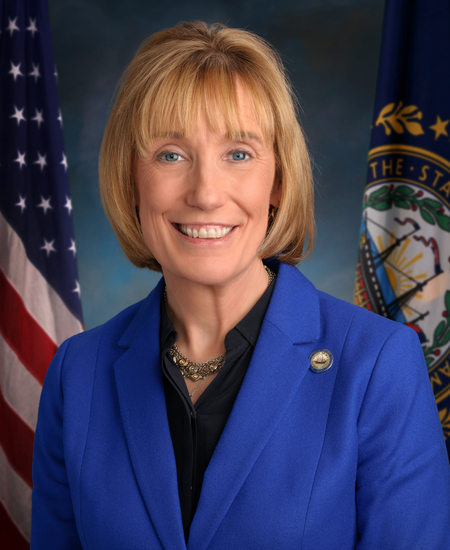
Margaret Wood Hassan
Margaret Wood Hassan Senate
D
Strong −
13% 31
Andy Kim
Andy Kim Senate
D
Strong −
16% 31
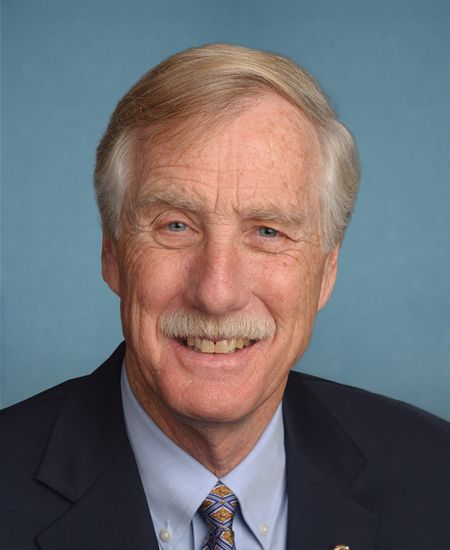
Angus S. King, Jr.
Angus S. King, Jr. Senate
I
Strong −
16% 31
Showing 491–500 of 985 bills

All criminal justice bills

in committee · United States · House Oct 3, 2025

HR 2184: Firearm Due Process Protection Act of 2025

This bill amends the National Instant Criminal Background Check System (NICS) process to strengthen due process for individuals denied firearm purchases. It requires courts to hold hearings on challenges within 30 days, places the burden on the government to prove ineligibility by "clear and convincing evidence," and mandates courts to award attorney fees to successful challengers. The bill also requires the FBI to submit annual reports to Congress detailing NICS challenge volumes, reversal rates, and processing times. These provisions directly affect people wrongly flagged in the NICS database who seek to correct their records. The law focuses on procedural fairness, not altering firearm eligibility criteria.
Sub-Topics Firearms
in committee · United States · House Sep 8, 2025

HR 2181: Protect Our Watchdogs Act of 2025

HR 2181, the Protect Our Watchdogs Act of 2025, strengthens protections for federal Inspectors General (IGs) by requiring the President to have specific, documented reasons to remove them. The bill amends federal law to specify nine grounds for removal, including documented felony convictions, gross mismanagement, waste of funds, abuse of authority, or neglect of duty - each requiring written justification. This directly affects IGs who oversee federal agency accountability and investigations, as it prevents arbitrary removals and mandates transparency in the process. The law applies to all federal Inspectors General across agencies, ensuring their independence is maintained through clear, enforceable standards.
in committee · United States · Senate Feb 26, 2026

S 3932: Private Detention Accountability Act

The Private Detention Accountability Act (S 3932) requires U.S. Immigration and Customs Enforcement (ICE) to submit audit reports to specific congressional committees within 30 days after completing facility inspections. It prohibits ICE from housing new detainees at any detention facility unless the facility has undergone a completed audit, any identified issues have been fixed, and the required report has been submitted. This applies to all facilities starting operations after the law's enactment or those already operating that have had their audits finalized. The bill directly affects ICE detention facilities and the non-citizens held within them by mandating transparency and safety compliance before new housing occurs.
in committee · United States · Senate Jun 18, 2025

S 2122: Jury ACCESS Act of 2025

S 2122, the Jury ACCESS Act of 2025, amends federal law to prohibit excluding potential jurors from federal service based on sexual orientation or gender identity. It directly affects LGBTQ+ individuals who may be considered for federal jury duty. The bill achieves this by adding "sexual orientation, gender identity" to the existing list of protected characteristics (after "sex") in Section 1862 of Title 28, U.S. Code, which governs jury eligibility. This change ensures federal jury selection systems cannot discriminate against qualified citizens for these reasons.
in committee · United States · House Mar 6, 2025

HR 1941: Preventing Deepfakes of Intimate Images Act

This bill prohibits the non-consensual sharing of digitally manipulated intimate images (deepfakes) of identifiable people. It creates a civil right for victims to sue individuals who distribute such images without consent, allowing claims for actual damages, $150,000 in liquidated damages, or punitive damages, plus attorney fees. Criminal penalties up to 10 years in prison apply for malicious disclosure intended to harass, harm reputation, or facilitate violence. Exceptions include disclosures to law enforcement for investigations, legitimate public interest matters (excluding mere public figure status), or efforts to assist the victim. The law specifically defines "intimate digital depictions" to include explicit body parts, sexual fluids, or sexual conduct in manipulated images.
in committee · United States · House Sep 23, 2025

HR 5560: Statutes of Limitation for Child Sexual Abuse Reform Act

This bill removes time limits for victims to file civil and criminal cases related to child sexual abuse, exploitation, and sex trafficking. It requires states to eliminate statutes of limitations for these cases and revive previously time-barred claims, allowing victims a minimum of 2 years or until age 55 to pursue legal action (Section 3, Section 4). The bill provides federal grants to states that adopt these reforms, with funding tiers based on how many changes they implement (e.g., eliminating civil/criminal time limits or reviving expired claims) (Section 4). It directly affects survivors of child sexual abuse by expanding their legal options to seek justice, addressing findings that most victims delay reporting until decades later.
in committee · United States · House Feb 13, 2025

HR 1306: Tax Fairness for Survivors Act

HR 1306, the Tax Fairness for Survivors Act, exempts certain payments received by survivors of sexual assault or harassment from federal income taxation. Specifically, it excludes from gross income any judgment, award, or settlement (including backpay, frontpay, punitive damages, and attorney fees) related to these claims, as defined under federal, tribal, state, or local law. The bill amends multiple tax codes (including income tax, Social Security, railroad retirement, unemployment, and wage withholding) to ensure these excluded payments are not subject to those taxes. This directly affects survivors who receive such compensation through legal settlements or court awards. The exemption applies to taxable years beginning after the bill's enactment.
in committee · United States · House Apr 9, 2025

HR 2787: Warrant for Metadata Act

HR 2787, the Warrant for Metadata Act, requires law enforcement to obtain a warrant before accessing metadata (like email sender/recipient information or phone call details) from electronic communication providers, regardless of how long the data has been stored. This applies to government entities seeking metadata for subscribers or customers, excluding the actual content of communications. The bill amends existing law to replace the previous exception for data stored over 180 days with a uniform warrant requirement, using standard judicial procedures. It directly affects law enforcement agencies and service providers when accessing non-content user data. The change applies prospectively, with prior disclosures unaffected but subsequent requests for expanded access now requiring a warrant.
Sub-Topics Law Enforcement
in committee · United States · House May 13, 2025

HR 3373: GHOST Act of 2025

HR 3373, the GHOST Act of 2025, requires entities shipping certain firearm parts (barrels, slides, or bolts) across state lines to register shipments with the Attorney General within 5 business days. This includes providing sender/recipient details, shipping method, and proof of delivery via certified mail or recipient signature. The bill creates a confidential database for law enforcement access but prohibits public disclosure under the Freedom of Information Act. Violations carry fines or up to 1 year in prison for single shipments, and up to 10 years for shipping 50+ parts in one transaction.
in committee · United States · House Apr 29, 2025

HR 3084: Stealthing Act of 2025

HR 3084, the Stealthing Act of 2025, creates a federal civil remedy for victims of non-consensual condom removal during sexual activity. It allows individuals to file lawsuits in federal court if the act occurred in a situation involving interstate commerce (e.g., using online communication, payment methods, or travel across state lines). Victims may seek compensatory damages, punitive damages, and other court-ordered relief. The bill specifically defines "stealthing" as removing a condom or similar barrier without consent, directly affecting individuals who experience this violation and those who commit it under federal jurisdiction.
Showing 491 to 500 of 985 bills
Previous 1 … 49 50 51 … 99 Next