Issue · Criminal Justice

Criminal Justice

Every criminal justice bill, vote, and legislator stance in United States, automatically classified by Maddy, our AI policy reader.

Total bills
1,286
119th Congress
Top supporter
Alan Armstrong
86% support rate
Top opponent
Amy Klobuchar
13% support rate
Ranked legislators
10
5 support · 5 oppose
Key legislators

Who's moving criminal justice in United States

Legislators moving criminal justice in United States
Legislator Party Stance Support rate Decisive votes
AA
Alan Armstrong Senate
R
Strong +
86% 28
Mitch McConnell
Mitch McConnell Senate
R
Strong +
84% 31
Cynthia M. Lummis
Cynthia M. Lummis Senate
R
Strong +
80% 30
Kevin Cramer
Kevin Cramer Senate
R
Strong +
80% 30
Bernie Moreno
Bernie Moreno Senate
R
Support
77% 31
Amy Klobuchar
Amy Klobuchar Senate
D
Strong −
13% 31
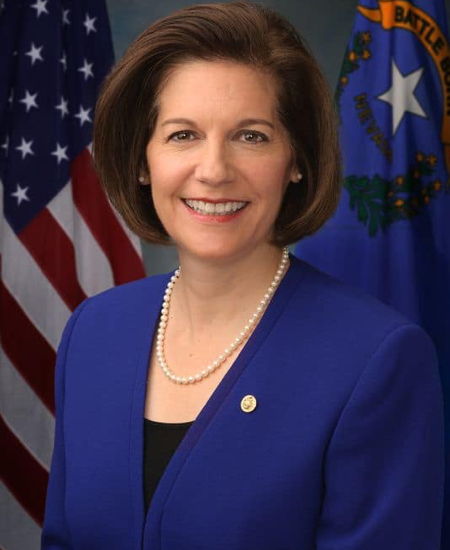
Catherine Cortez Masto
Catherine Cortez Masto Senate
D
Strong −
13% 31
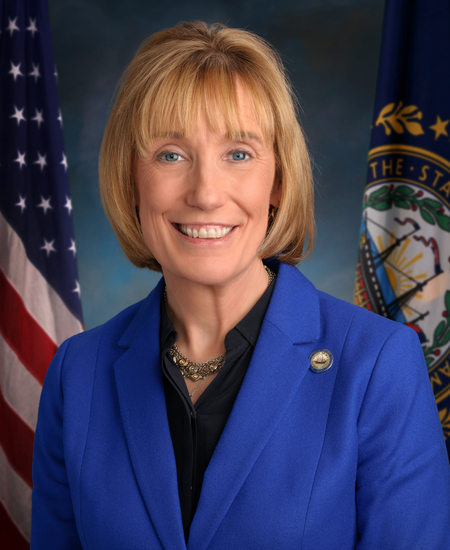
Margaret Wood Hassan
Margaret Wood Hassan Senate
D
Strong −
13% 31
Andy Kim
Andy Kim Senate
D
Strong −
16% 31
Angus S. King, Jr.
Angus S. King, Jr. Senate
I
Strong −
16% 31
Showing 471–480 of 1,286 bills

All criminal justice bills

passed · United States · Senate Feb 5, 2026

SRES 600: A resolution recognizing January 2026 as "National Mentoring Month".

This resolution designates January 2026 as "National Mentoring Month" to raise public awareness about mentoring programs. It recognizes the benefits of mentoring for youth - including improved academic performance, mental health, career development, and reduced risk of delinquency - and highlights that 40% of U.S. youth lack a mentor. The Senate encourages community, school, and workplace efforts to expand existing mentoring programs and recruit volunteers to support young people. It does not create new laws or funding but aims to promote existing mentoring initiatives across the country.
Sub-Topics Juvenile Justice
in committee · United States · House Apr 9, 2025

HR 2775: Coastal Drone Surveillance and Interdiction Assessment Act

HR 2775, the Coastal Drone Surveillance and Interdiction Assessment Act, requires the Department of Homeland Security to study how drones could improve border security and disrupt drug smuggling along U.S. coastlines. Within 180 days of the bill becoming law, DHS must submit a report to Congress detailing the effectiveness, risks, and potential of drone use, focusing on major drug trafficking routes and remote coastal communities. The bill does not authorize new drone programs but mandates an evaluation of existing or potential drone deployment for border security and counter-smuggling efforts. This assessment will inform future policy decisions without making any new law or changing current operations.
passed · United States · House Sep 3, 2025

HR 747: Stop Chinese Fentanyl Act of 2025

This bill amends U.S. sanctions law to target Chinese entities and officials involved in fentanyl trafficking. It redefines "foreign opioid trafficker" to include Chinese chemical companies or government officials (like those in the National Narcotics Control Commission) that fail to prevent fentanyl precursor trafficking or cooperate with U.S. efforts. Key mechanisms include requiring China to implement stricter chemical shipment labeling and "know-your-customer" procedures, extending sanctions periods from 5 to 10 years, and mandating annual presidential reports to Congress on drug trafficking emergencies. The bill explicitly excludes importation of goods from sanctions coverage.
Sub-Topics Drug Policy
in committee · United States · Senate Jun 12, 2025

S 2072: MORE Savings Act

The MORE Savings Act eliminates copays and deductibles for opioid treatment under Medicare, private health plans, and Medicaid. It requires Medicare beneficiaries to have no out-of-pocket costs for opioid treatment drugs, behavioral health services, and recovery support (like peer counseling and transportation). Private health plans must cover these services without cost-sharing starting in 2027, and Medicaid states get a 90% federal match for medication-assisted treatment. The bill directly affects Medicare beneficiaries, private insurance enrollees, and Medicaid recipients seeking opioid use disorder treatment.
in committee · United States · House Feb 12, 2025

HR 1272: Secure Storage Information Act of 2025

This bill requires federally licensed gun dealers to provide new customers with specific information about safe firearm storage at the point of sale. The information must cover storing firearms unloaded and locked away from children, the risks of unsecured guns (including suicide and accidental shootings), and guidance on secure devices like safes and lock boxes. It also mandates that dealers stock a variety of secure storage options, such as gun safes and lock boxes, for purchase. Additionally, the bill creates a tax credit for individuals buying qualified gun safes, up to $500 annually, to encourage secure storage practices. The requirements take effect six months after the bill becomes law.
Sub-Topics Firearms
in committee · United States · House Feb 4, 2025

HR 944: Access to Counsel Act

HR 944, the Access to Counsel Act, requires U.S. immigration officials to provide certain immigrants a meaningful opportunity to consult with legal counsel during key immigration processes. It directly affects U.S. nationals, lawful permanent residents returning from travel, visa holders, refugees, asylees, and parolees subject to secondary or deferred inspection at ports of entry. The bill mandates that officials ensure access to counsel (including via phone) within one hour of inspection starting, allow counsel to present evidence, and accommodate in-person meetings when possible. It also requires officials to provide counsel access before accepting Form I-407 abandonment forms from lawful permanent residents, unless waived in writing. The law takes effect 180 days after enactment and preserves existing rights to counsel under other immigration laws.
in committee · United States · Senate Feb 13, 2025

S 578: BEST Facilitation Act

This bill creates a 5-year pilot program for U.S. Customs and Border Protection (CBP) to hire two new image technician roles (Image Technician 1 and 2) to review scanning images of cargo and containers at ports of entry. Image Technician 1s assess images for anomalies indicating contraband or unauthorized persons, recommending release or further inspection to CBP officers, while Image Technician 2s also analyze intelligence on smuggling tactics and report to the National Targeting Center. Supervisory CBP officers retain final decision-making authority, and all technicians must undergo annual training on privacy rights, image analysis, and identifying threats like drugs or weapons. The program establishes five regional command centers, requires detailed quarterly reports to Congress on metrics like seizure rates and wait times, and ends after five years with potential for staff transfers to permanent CBP roles.
in committee · United States · House Jan 7, 2026

HR 6972: Reporting Accountability and Abuse Prevention Act of 2026

HR 6972 (Reporting Accountability and Abuse Prevention Act of 2026) requires health centers receiving federal funds under Title X (which supports family planning services) to comply with all state and local laws requiring reporting of child abuse, sexual abuse, intimate partner violence, and human trafficking. It mandates that these centers create written compliance plans, provide annual training for staff on reporting obligations and safety protocols, screen minors for potential abuse when presenting with STIs or pregnancy, and document all reports. Centers must maintain detailed records of minor patients and reports, and allow federal officials to review these records. Failure to comply can result in corrective action, repayment of funds, or a 36-month ban on future Title X funding for repeat violations.
in committee · United States · House Feb 25, 2026

HR 7678: Gun Owner Registration Information Protection Act

HR 7678, the Gun Owner Registration Information Protection Act, prohibits federal funding for state or local databases that track lawfully owned firearms or their owners. The bill allows federal funding for databases recording lost or stolen firearms but bans it for databases listing legal gun ownership. This means states cannot use federal money to create or maintain systems that compile information about legally owned guns. The bill directly affects state and local governments that rely on federal funds for firearm ownership databases.
Sub-Topics Firearms
in committee · United States · House Apr 17, 2025

HR 2934: STATES 2.0 Act

The STATES 2.0 Act would allow states to regulate cannabis markets within their borders without federal interference, while establishing a low federal excise tax that doesn't compound with state taxes. It would amend the Controlled Substances Act to exempt state-legal marijuana activities from federal prosecution, remove marijuana from the federal controlled substances schedule for state-compliant activities, and allow the FDA to regulate marijuana products as food, drugs, or cosmetics. The bill would require a study on marijuana legalization's effects on traffic safety and address regulatory barriers contributing to the illicit market, which currently accounts for 75% of the marijuana market. This legislation directly affects states that have legalized cannabis, marijuana businesses, and consumers by creating a regulatory framework that supports state autonomy and reduces illegal market activity.
Sub-Topics Drug Policy
Showing 471 to 480 of 1,286 bills
Previous 1 … 47 48 49 … 129 Next