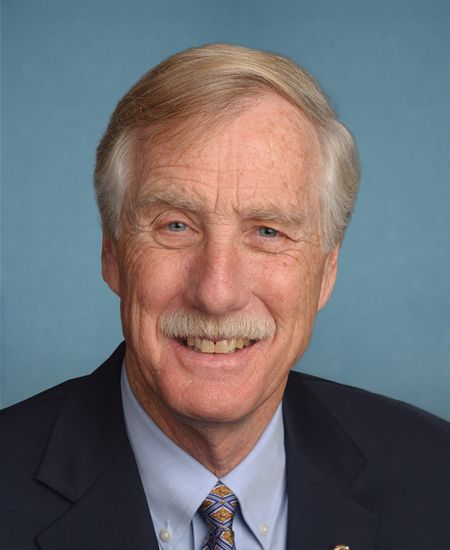
The Expanding Access to Mental Health Services in Schools Act of 2025 creates a federal grant program to help high-need schools hire and retain mental health professionals like counselors, psychologists, and social workers. It targets schools in the top 15% of need (based on student poverty or counts) that lack required staff ratios, such as one counselor per 250 students. Grants fund recruitment incentives (e.g., student loan repayment), retention programs, and evidence-based mental health services, with recipients required to contribute 25% of costs from non-federal funds. Schools must report annually on staff numbers, student-to-staff ratios, and retention rates to track progress toward improved mental health access.
The Stop Arming Cartels Act of 2025 bans the civilian sale, transfer, or possession of rifles capable of firing .50 caliber ammunition, directly affecting individuals and businesses handling these weapons. It includes exceptions for government use and rifles owned before the law's enactment, and requires owners to register such rifles with the federal registry within 12 months without fees. The bill also adds new liability for sellers who knowingly transfer these rifles to foreign narcotics traffickers or individuals designated under the Foreign Narcotics Kingpin Act. Additionally, it expands firearm sales reporting to include rifles and creates a new federal prohibition on firearm transfers to designated foreign traffickers.
S 726, titled "Ethan's Law," requires gun owners to store firearms securely in homes where minors (under 18) or individuals ineligible to own guns (per federal/state law) reside. It makes unsecured storage unlawful if a person "knows or reasonably should know" access is possible, with exceptions for gun safes, secure locations, or carrying firearms on one's person. Violations incur $500 fines per offense, and enhanced penalties apply if injury or death occurs. The bill also creates a federal grant program to support states with similar secure-storage laws and states that non-compliance constitutes negligence. This law directly affects households with minors or prohibited individuals, aiming to reduce accidental shootings, youth access, and firearm thefts.
The PREPARE Act of 2025 establishes a federal commission to develop a regulatory framework for cannabis, modeled after alcohol regulations, in preparation for the end of federal prohibition. The commission, to be created within 30 days, will study barriers like criminalization impacts, research restrictions, financial access for businesses, and youth protection, with a final report due within one year. This bill directly affects federal agencies (e.g., Justice, Health, Agriculture) and indirectly impacts communities disproportionately affected by cannabis prohibition, cannabis businesses, and medical patients. It does not change current laws but mandates a structured study to inform future regulation.
This bill requires the U.S. State Department to create and submit a detailed strategy for security assistance to Mexico within 180 days of enactment. The strategy must outline specific plans to dismantle drug trafficking networks (including fentanyl smuggling), strengthen Mexico’s border security and military capacity, and improve Mexico’s civilian justice system to combat corruption and impunity. The report must include implementation details, performance metrics, and annual briefings to Congress on progress. It directly affects U.S. foreign policy implementation and Congressional oversight of security aid to Mexico.
Ethan's Law requires gun owners to store firearms securely in homes where minors live or where residents are legally prohibited from owning guns. It makes it unlawful to leave firearms unsecured if a minor or ineligible person could access them, with fines of $500 per violation and harsher penalties if injury or death occurs. The bill creates a federal grant program to help states implement similar secure storage laws and treats unsafe storage as negligence in legal cases. It directly affects households with children or residents who cannot legally possess firearms, aiming to reduce accidental shootings and unauthorized access.
This bill amends the Social Security Act to prioritize grant applications that include peer mentoring, career coaching, and cash stipends for participants in workforce development programs. It requires grant-funded projects to incorporate career coaching (with optional peer support) into case management plans to build soft skills and social capital throughout career pathways. The changes apply to programs receiving federal grants under Section 2008 of the Social Security Act and take effect October 1, 2025. The law focuses on altering grant selection criteria, not directly providing services to individuals.
HR 4369 prohibits landlords and property managers from using credit reports to screen tenants for rental housing. It bans credit checks for decisions like approving applications, setting security deposits, or determining lease terms. The law applies to all housing providers and overrides tenant consent to use credit reports, with one exception for reconsidering denied applications. This changes how housing providers assess applicants by removing credit history as a factor in rental decisions.
HR 2648, the Secure Background Checks Act of 2025, amends federal law to add two new restrictions to firearm purchase background checks. It prohibits individuals who fail to meet their state's age requirements or who do not reside in (or maintain a business in) the state where the gun seller operates, unless an exception applies. The bill directly affects prospective gun buyers who would now be blocked from purchasing firearms under these new criteria. These changes modify existing provisions in Title 18 of the U.S. Code to expand the categories of people barred from gun purchases based on state residency and age compliance.
This bill creates a legal pathway for individuals harmed by ICE or CBP officers to sue the U.S. government directly for constitutional violations. It amends the Federal Tort Claims Act to allow victims to seek monetary damages for deprivations of rights under the Constitution, including due process violations, racial profiling, unreasonable searches, or privacy rights infringements, regardless of whether the violation stemmed from official policy. The government would be liable for these damages, funded from specific appropriations (like those for border security), and the bill waives sovereign immunity for such cases. This directly affects people subjected to unlawful immigration enforcement actions by ICE or CBP officers, providing them a new civil remedy against the government.
Tags
Civil Liberties