Issue · Criminal Justice

Criminal Justice

Every criminal justice bill, vote, and legislator stance in United States, automatically classified by Maddy, our AI policy reader.

Total bills
1,286
119th Congress
Top supporter
Alan Armstrong
86% support rate
Top opponent
Amy Klobuchar
13% support rate
Ranked legislators
10
5 support · 5 oppose
Key legislators

Who's moving criminal justice in United States

Legislators moving criminal justice in United States
Legislator Party Stance Support rate Decisive votes
AA
Alan Armstrong Senate
R
Strong +
86% 28
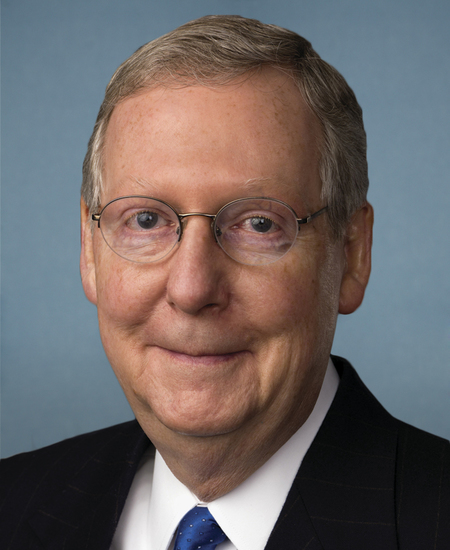
Mitch McConnell
Mitch McConnell Senate
R
Strong +
84% 31
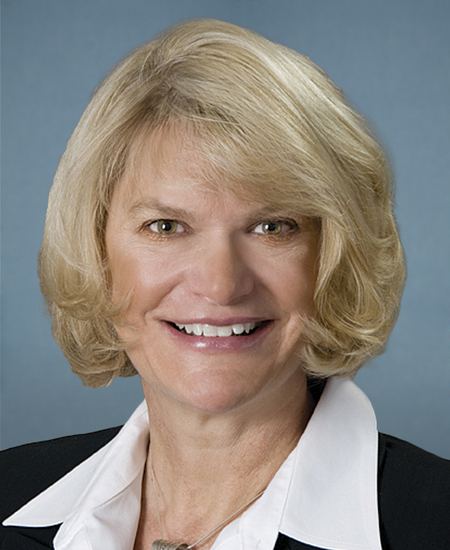
Cynthia M. Lummis
Cynthia M. Lummis Senate
R
Strong +
80% 30
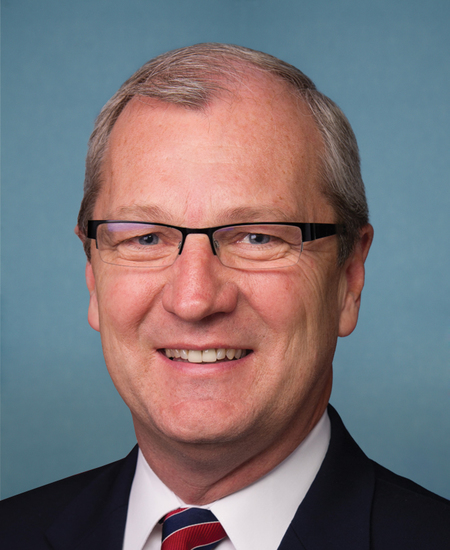
Kevin Cramer
Kevin Cramer Senate
R
Strong +
80% 30
Bernie Moreno
Bernie Moreno Senate
R
Support
77% 31
Amy Klobuchar
Amy Klobuchar Senate
D
Strong −
13% 31
Catherine Cortez Masto
Catherine Cortez Masto Senate
D
Strong −
13% 31
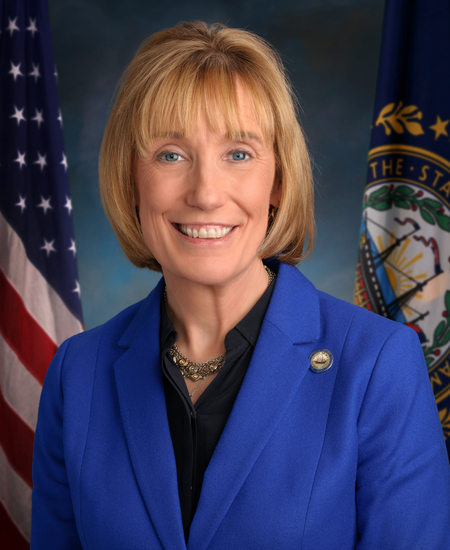
Margaret Wood Hassan
Margaret Wood Hassan Senate
D
Strong −
13% 31
Andy Kim
Andy Kim Senate
D
Strong −
16% 31
Angus S. King, Jr.
Angus S. King, Jr. Senate
I
Strong −
16% 31
Showing 421–430 of 1,286 bills

All criminal justice bills

in committee · United States · Senate Mar 4, 2026

S 3997: Homeland Security Improvement Act

This bill, titled the Homeland Security Improvement Act, creates a new independent commission to oversee border security activities and improve transparency within the Department of Homeland Security. The commission would consist of 30 members appointed by congressional leaders and would include representatives from border communities, civil rights groups, law enforcement, and tribal officials to evaluate policies and make recommendations. The bill also establishes an Ombudsman office to handle complaints from individuals affected by border and immigration enforcement, provides mandatory training for border agents focused on civil rights and community relations, and requires detailed data collection on border stops and enforcement actions to improve accountability.
Sub-Topics Civil Rights Law Enforcement Policing Tags Government Transparency
in committee · United States · House Mar 4, 2026

HR 7786: AI Fraud Accountability Act

This bill, known as the AI Fraud Accountability Act, makes it a federal crime to use artificial intelligence or other technology to create realistic digital impersonations of real or fictional people for the purpose of defrauding others of money, documents, or other valuable items. The law applies to communications across state lines and foreign borders, and it allows for criminal penalties including fines and up to three years in prison, along with the forfeiture of assets used to commit the fraud. In addition to criminal provisions, the bill gives the Federal Trade Commission authority to enforce these rules as unfair or deceptive business practices and requires the creation of a working group to develop technical best practices for detecting and preventing digital impersonation fraud. The legislation also establishes mechanisms for international cooperation with foreign law enforcement agencies to combat cross-border fraud and includes a safeguard protecting parody, satire, and journalism from being classified as illegal impersonation.
in committee · United States · House Feb 25, 2026

HR 7718: Officer John Barnes and Chief Michael Ansbro Public Safety Officers’ Benefits Program Expansion Act of 2026

This bill updates administrative procedures for the Public Safety Officers' Benefits Program to speed up claim processing and expand disability coverage. It requires the Bureau of Justice Assistance to notify claimants about missing information within 90 days and issue interim payments if claims aren't resolved within 270 days, while also mandating annual audits of backlogged claims. The legislation adds benefits for permanent partial disabilities that prevent officers from working in their previous capacity and creates a faster approval process for claims supported by World Trade Center health certifications.
Tags Public Safety
in committee · United States · House Feb 20, 2025

HR 496: Veterans 2nd Amendment Restoration Act of 2025

HR 496, the Veterans 2nd Amendment Restoration Act of 2025, directly affects veterans who were previously flagged for firearm restrictions based on Veterans Affairs (VA) determinations of mental incompetence or fiduciary appointments. The bill requires the VA to notify the Department of Justice within 30 days that its past practice of sharing such veteran information with the national background check system was improper. It also explicitly prohibits treating veterans as "mental defectives" for gun restrictions solely because the VA determined they were mentally incompetent or required a fiduciary under VA regulations. This changes how VA decisions are used in federal firearm background checks, removing an automatic barrier for affected veterans.
in committee · United States · House Mar 18, 2026

HR 7987: CLIMB Act

This bill would allow businesses and financial institutions to provide services to cannabis companies without fear of federal penalties, even though cannabis remains illegal under federal law. It prohibits federal agencies from taking adverse actions against anyone who offers financial products, insurance, legal services, or other business assistance to cannabis-related legitimate businesses operating in states where it is legal. Additionally, the bill would permit national stock exchanges to list and trade securities from cannabis companies by creating a legal safe harbor that protects exchanges and market participants from federal prosecution. The law would take effect 180 days after it is signed into legislation.
Sub-Topics Drug Policy
in committee · United States · Senate Mar 4, 2026

S 3995: LOCATE Act

This bill requires U.S. Customs and Border Protection and U.S. Immigration and Customs Enforcement to update the Online Detainee Locator System within six to 12 hours after any significant change in a detainee's custody status, such as transfer, release, or death. The system must include specific details like the detainee's full name, current facility location, and scheduled release or transfer dates. Additionally, the bill mandates that family members or legal representatives be notified within 12 hours of custody events and establishes annual audits by the Department of Homeland Security Inspector General to ensure compliance.
in committee · United States · Senate Mar 19, 2026

S 4154: Research and Oversight of AI in Courts Act of 2026

This bill establishes the AI Research and Oversight in Courts Task Force to study how artificial intelligence speech-to-text and automatic speech recognition technologies are used in federal and state courts across the United States. The 15-member task force, composed of government officials and independent experts, will assess issues related to accuracy, privacy, civil liberties, and costs associated with these technologies in the judicial system. Within 18 months of enactment, the group must submit a final report to Congress with findings and recommendations on whether these technologies affect court record integrity, alter speech from individuals with accents or speech impediments, and pose cybersecurity risks. The task force will also examine whether court records should include watermarks or metadata to indicate AI involvement and provide guidance on vendor selection for these technologies.
in committee · United States · House Nov 19, 2025

HRES 581: Providing for consideration of the bill (H.R. 185) to advance responsible policies.

HRES 581 is a procedural resolution that establishes rules for the House to consider H.R. 185, the Epstein Files Transparency Act. It waives all points of order against the bill, adopts a specific amendment (the full text of the Epstein Files Transparency Act), and limits debate to one hour equally divided between the Judiciary Committee's chair and ranking minority member. The resolution also requires the Attorney General to release unclassified DOJ records related to Jeffrey Epstein within 30 days, with limited exceptions for privacy or national security.
Sub-Topics Drug Policy
in committee · United States · House Jan 16, 2026

HR 7136: Special Operator Protection Act of 2026

This bill creates a new federal crime that prohibits knowingly sharing restricted personal information about special operations personnel or their immediate family members with the intent to threaten or intimidate them. The law defines covered persons to include special operations forces members, designated Department of Defense employees, and federal law enforcement officers working with these units, while restricted personal information includes names, photos, home addresses, and biometric data. Anyone who violates this provision could face up to five years in prison, or life imprisonment if the violation leads to death or serious bodily injury. The legislation aims to protect the privacy and safety of these individuals by criminalizing the public release of their sensitive information for malicious purposes.
in committee · United States · House Mar 5, 2026

HR 7846: Halo Act

This bill, known as the Halo Act, creates a new federal crime for intentionally approaching or staying within 25 feet of immigration enforcement officers after receiving a verbal warning, if the person intends to interfere with their work, threaten them, or harass them. It directly affects individuals who may attempt to block or disrupt immigration officers performing their duties, such as during arrests or investigations. The law defines harassment as conduct that causes substantial emotional distress to an officer and serves no legitimate purpose, and it carries penalties of up to five years in prison, a fine, or both. This provision adds to existing Title 18 United States Code by establishing specific boundaries for behavior near federal immigration officials.
Showing 421 to 430 of 1,286 bills
Previous 1 … 42 43 44 … 129 Next