Issue · Criminal Justice

Criminal Justice

Every criminal justice bill, vote, and legislator stance in United States, automatically classified by Maddy, our AI policy reader.

Total bills
1,270
119th Congress
Top supporter
Alan Armstrong
86% support rate
Top opponent
Amy Klobuchar
13% support rate
Ranked legislators
10
5 support · 5 oppose
Key legislators

Who's moving criminal justice in United States

Legislators moving criminal justice in United States
Legislator Party Stance Support rate Decisive votes
AA
Alan Armstrong Senate
R
Strong +
86% 28
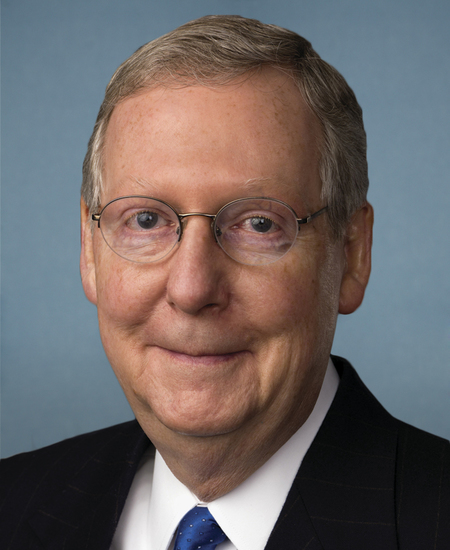
Mitch McConnell
Mitch McConnell Senate
R
Strong +
84% 31
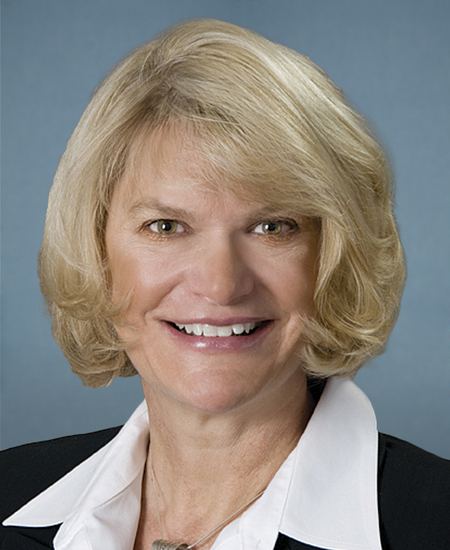
Cynthia M. Lummis
Cynthia M. Lummis Senate
R
Strong +
80% 30
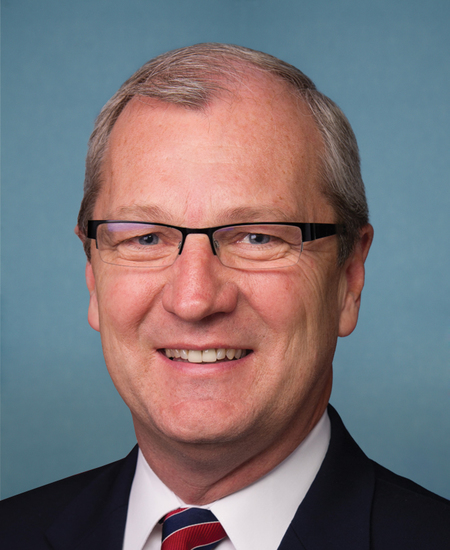
Kevin Cramer
Kevin Cramer Senate
R
Strong +
80% 30
Bernie Moreno
Bernie Moreno Senate
R
Support
77% 31
Amy Klobuchar
Amy Klobuchar Senate
D
Strong −
13% 31
Catherine Cortez Masto
Catherine Cortez Masto Senate
D
Strong −
13% 31
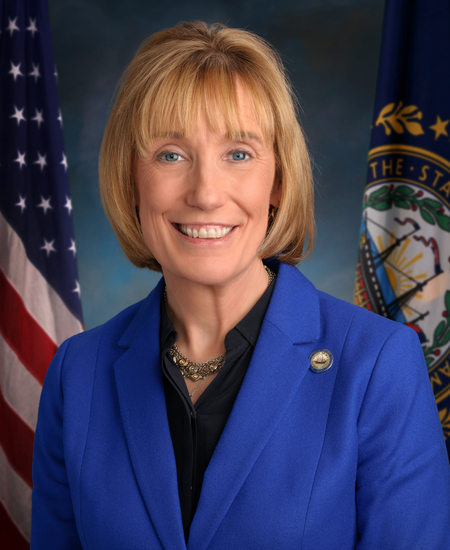
Margaret Wood Hassan
Margaret Wood Hassan Senate
D
Strong −
13% 31
Andy Kim
Andy Kim Senate
D
Strong −
16% 31
Angus S. King, Jr.
Angus S. King, Jr. Senate
I
Strong −
16% 31
Showing 331–340 of 1,270 bills

All criminal justice bills

in committee · United States · House May 13, 2026

HR 8796: Federal Halo Act

The Federal Halo Act creates a new federal crime for approaching or staying within 15 feet of a law enforcement officer after receiving a verbal warning to stop. This provision applies to any individual who knowingly violates such a warning with the intent to interfere with the officer's duties, threaten them, or harass them. The bill defines harassment as a course of conduct that intentionally causes substantial emotional distress to the officer without a legitimate purpose. Anyone convicted of this offense could face a fine, up to five years in prison, or both penalties.
passed · United States · House May 13, 2026

HR 8352: Criminal History Access Act of 2026

The Criminal History Access Act expands the types of government entities that can receive criminal history records from the Federal Bureau of Investigation (FBI) for official use. It specifically allows the FBI to share these records with the United States Sentencing Commission, State sentencing commissions, Indian tribes, and State peace officer standards and training agencies. These State agencies are defined as those with statutory authority to set standards for law enforcement hiring, training, and ethical conduct. The bill also broadens the definition of "State" for these purposes to include U.S. territories, and requires the Attorney General to update regulations to reflect these changes within 180 days.
in committee · United States · House Apr 20, 2026

HR 8369: No ICE in Schools Act

The "No ICE in Schools Act" proposes to prevent educational agencies and institutions from releasing student records or other personal information for immigration enforcement purposes. It directly affects schools and colleges receiving federal funds, as well as students whose data might be sought by immigration enforcement. The bill amends existing law to prohibit federal funds from being provided to any educational entity that releases such information without specific written consent from the student's parents. This parental consent must detail the records, reasons for release, and recipient, with a copy provided to the parents.
in committee · United States · House Apr 23, 2026

HR 8470: Surveillance Accountability Act

The Surveillance Accountability Act aims to strengthen Fourth Amendment protections against warrantless government searches, directly affecting federal employees involved in surveillance and individuals whose data or privacy is subject to government access. It generally mandates that government entities obtain a warrant based on probable cause for most searches, explicitly requiring one to access data held by third-party companies like internet providers or financial institutions. While outlining exceptions for situations like plain view or publicly available information, the bill specifically prohibits the warrantless collection or analysis of biometric data (e.g., facial recognition) or license plate reader data from public places without informed consent. Additionally, it creates a new legal avenue for individuals to sue federal employees who violate their Fourth Amendment rights, allowing for redress and attorney's fees.
in committee · United States · House Apr 15, 2026

HR 8267: SAFER Transport Act

The SAFER Transport Act aims to combat freight fraud and theft and enhance regulatory integrity for motor carriers, brokers, freight forwarders, and commercial drivers. It phases out the use of MC numbers, mandating a unified USDOT number system with new provisions to detect fraudulent activity and withhold or revoke registrations for felony convictions or material misrepresentations. The bill also establishes an advisory committee and inter-agency coordination to address freight theft, while strengthening commercial driver's license (CDL) requirements for non-citizens and increasing oversight of
in committee · United States · House Apr 15, 2026

HR 8302: Stop Illegal Aliens Drunk Driving

This bill, HR 8302, amends the Immigration and Nationality Act to change how certain driving offenses are treated for immigration purposes. It expands the definition of an "aggravated felony" to include offenses where a non-citizen drives while intoxicated or impaired and causes death or serious bodily injury to another person, regardless of whether the conviction is classified as a misdemeanor or felony under local law. Consequently, any non-citizen convicted of such an offense would be deemed "inadmissible" to the United States. These provisions take effect upon enactment and apply to relevant actions taken on or after that date, even if the underlying conviction occurred before the bill's passage.
in committee · United States · House Apr 16, 2026

HR 8325: Rehabilitation Through Reading Act of 2026

This bill, the Rehabilitation Through Reading Act of 2026, establishes new procedures for managing book availability in federal prisons, directly affecting incarcerated individuals and the Bureau of Prisons. It mandates the creation of a Publication Review Committee, comprising members such as an incarcerated individual and a First Amendment expert, to approve or disapprove books. The Director of the Bureau of Prisons must submit requests to this committee to prohibit a book, and the committee cannot ban books based on disfavored viewpoints or content. Incarcerated individuals can appeal book prohibitions, with books remaining available during the appeal process. The bill also requires annual reports to Congress detailing all prohibited books and the outcomes of appeals.
Sub-Topics Corrections
in committee · United States · Senate Apr 14, 2026

S 4293: No Funding to Honor Crime Scenes Act

This bill mandates the closure and defunding of the César E. Chávez National Monument in California. It directs the Secretary of the Interior to close the Monument to public access and prohibits any further federal funding for its operation. Within 90 days, the Monument's land and federal contents must be sold for fair market value. All remaining funds previously allocated to the Monument, along with the proceeds from its sale, would be transferred to support the DNA Analysis Backlog Elimination Act. Additionally, the bill removes "César E. Chávez" from all federal references to the Monument and nullifies the original proclamation that established it.
in committee · United States · House Feb 25, 2026

HR 7703: Stop Illegal Alien Cops Act

The Stop Illegal Alien Cops Act amends federal law to modify exemptions for government entities regarding firearms. Currently, federal, state, and local government agencies are generally exempt from many federal prohibitions when acquiring or supplying firearms for official use. This bill would remove that exemption for specific prohibitions, making it unlawful for government entities to provide firearms to or employ individuals who are unlawfully in the United States. Additionally, the bill removes the
passed · United States · House May 18, 2026

HR 8365: Monitor Accountability Act

The Monitor Accountability Act of 2026 directs the Administrator of the Administrative Office of the United States Courts to establish new rules for federal courts appointing monitors to oversee State or local governments. The bill limits monitor fees, caps their service to one monitorship for a maximum of five years, and prevents reappointments under the same court order. It also requires courts to allow public comment before appointing a monitor and mandates annual public accountings of services and fees. Additionally, cases with monitorships lasting six years or more must be transferred to a different judge. These provisions, including the appointment of new monitors and case transfers, apply retroactively to existing monitorships that have been in effect for six years.
Sub-Topics Courts Judges
Showing 331 to 340 of 1,270 bills
Previous 1 … 33 34 35 … 127 Next