Issue · Criminal Justice

Criminal Justice (Sentencing)

Every criminal justice bill, vote, and legislator stance in United States, automatically classified by Maddy, our AI policy reader.

Total bills
103
119th Congress
Top supporter
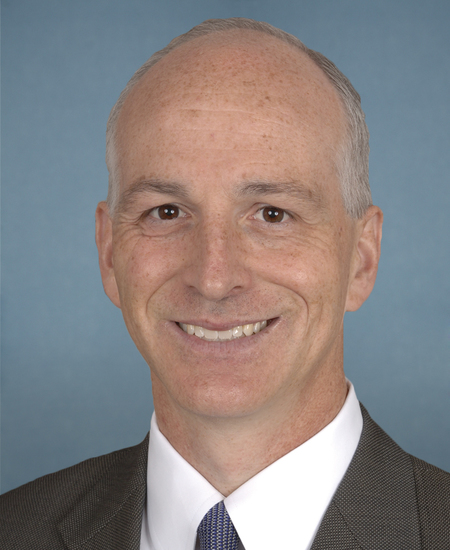
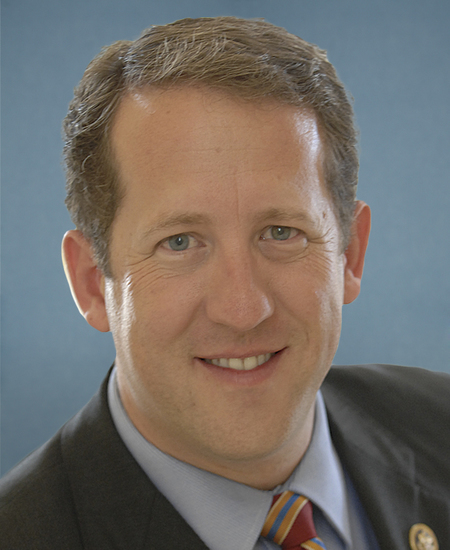
Adam Smith
100% support rate
Top opponent
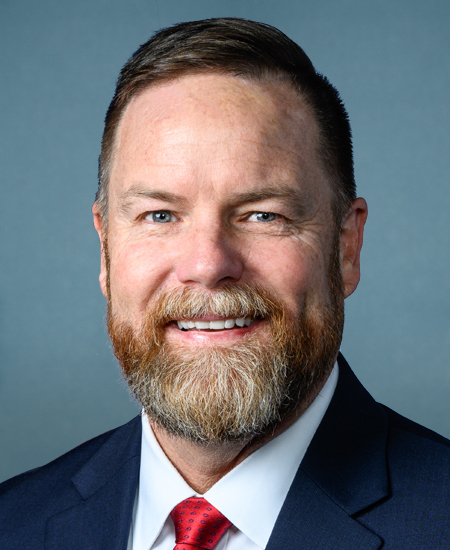
Aaron Bean
0% support rate
Ranked legislators
10
5 support · 5 oppose
Key legislators

Who's moving sentencing in United States

Legislators moving sentencing in United States
Legislator Party Stance Support rate Votes
Adam Smith
Adam Smith House · District 9
D
Strong +
100% 3
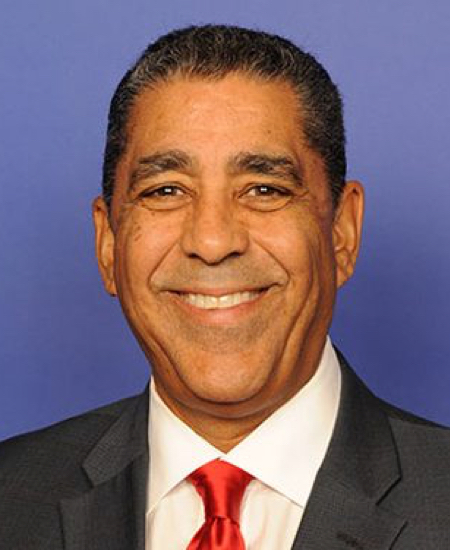
Adriano Espaillat
Adriano Espaillat House · District 13
D
Strong +
100% 3
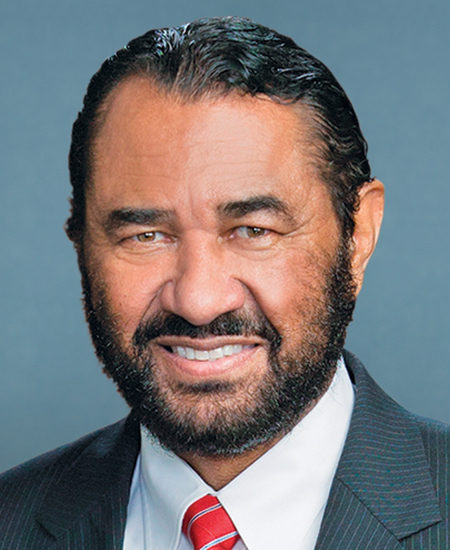
Al Green
Al Green House · District 9
D
Strong +
100% 3
Alexandria Ocasio-Cortez
Alexandria Ocasio-Cortez House · District 14
D
Strong +
100% 3
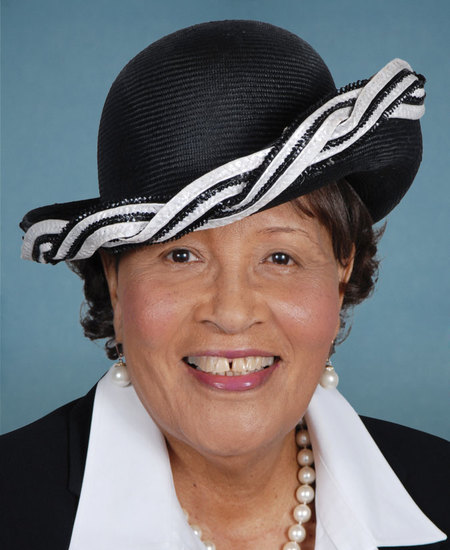
Alma S. Adams
Alma S. Adams House · District 12
D
Strong +
100% 3
Aaron Bean
Aaron Bean House · District 4
R
Strong −
0% 3
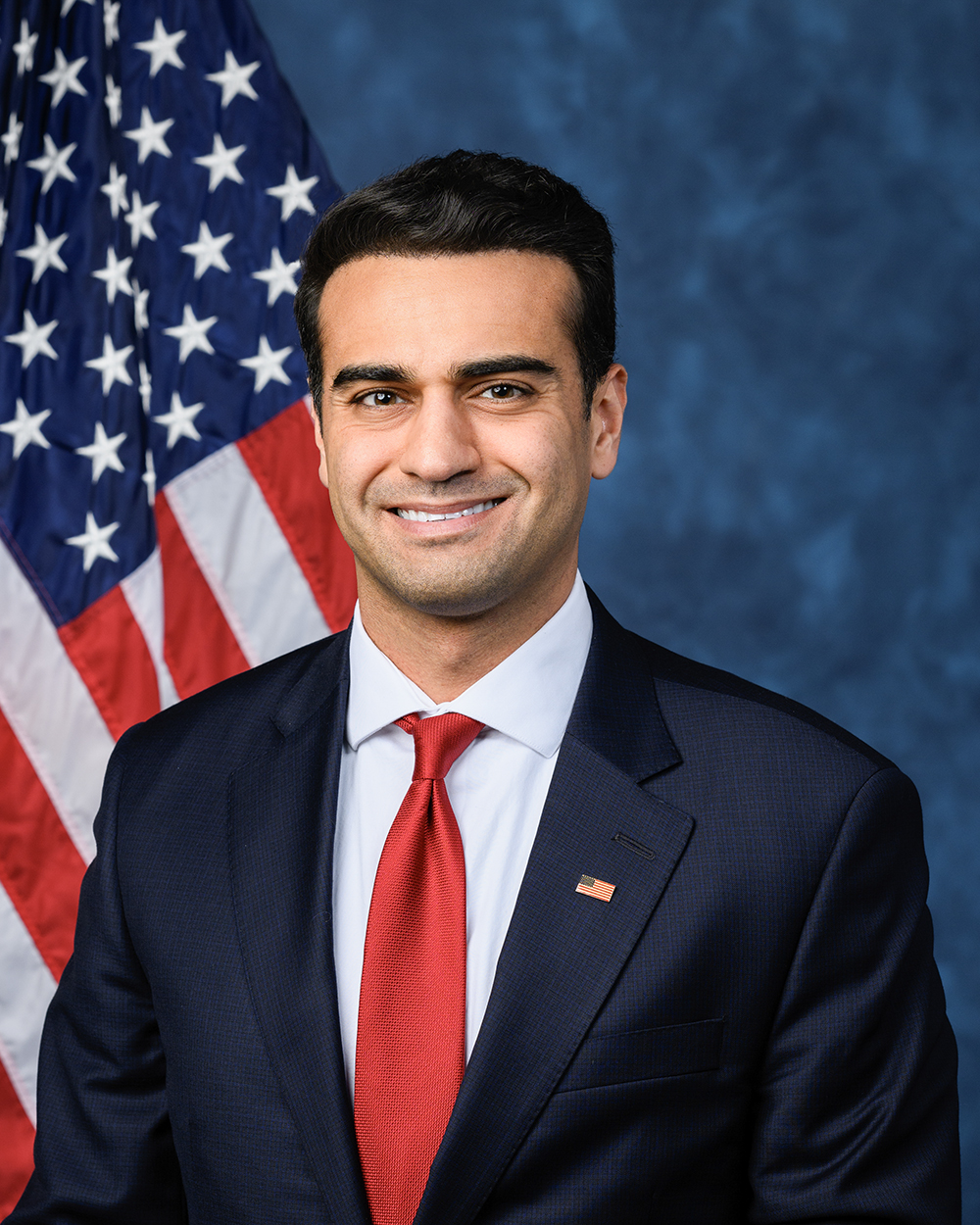
Abraham J. Hamadeh
Abraham J. Hamadeh House · District 8
R
Strong −
0% 3
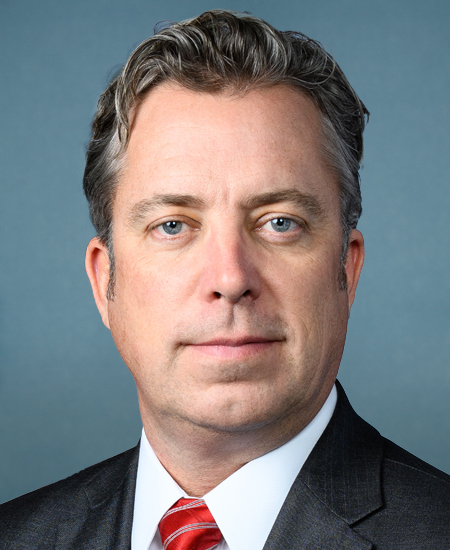
Adrian Smith
Adrian Smith House · District 3
R
Strong −
0% 3
Andrew Ogles
Andrew Ogles House · District 5
R
Strong −
0% 3
Andrew R. Garbarino
Andrew R. Garbarino House · District 2
R
Strong −
0% 3
Showing 21–30 of 103 bills

All criminal justice bills

passed · United States · House May 13, 2026

HR 8352: Criminal History Access Act of 2026

The Criminal History Access Act expands the types of government entities that can receive criminal history records from the Federal Bureau of Investigation (FBI) for official use. It specifically allows the FBI to share these records with the United States Sentencing Commission, State sentencing commissions, Indian tribes, and State peace officer standards and training agencies. These State agencies are defined as those with statutory authority to set standards for law enforcement hiring, training, and ethical conduct. The bill also broadens the definition of "State" for these purposes to include U.S. territories, and requires the Attorney General to update regulations to reflect these changes within 180 days.
in committee · United States · Senate Mar 26, 2026

S 4224: Dalilah’s Law Act

This bill, known as Dalilah's Law Act, prohibits individuals with certain immigration statuses from obtaining or using commercial driver's licenses in interstate commerce. It requires state officials to verify an applicant's employment eligibility through E-Verify before issuing such licenses and imposes criminal penalties, including mandatory minimum sentences for accidents causing injury or death. The legislation also establishes civil penalties for businesses that assist in violations and allows victims of accidents caused by these drivers to sue for triple damages. Additionally, it adds the use of commercial licenses by these individuals as an aggravated felony and grounds for deportation under immigration law.
in committee · United States · House Mar 24, 2026

HR 8064: Career Criminal Accountability Act of 2026

This bill creates a federal "three-strikes" sentencing system that mandates longer prison terms for repeat offenders based on the severity of their prior convictions. It directly affects defendants convicted of federal crimes by requiring judges to calculate "strikes" from past misdemeanor and felony convictions, with violent felonies and firearm offenses counting as full strikes while lesser offenses count as partial strikes. Under the new rules, offenders with three or more strikes face consecutive sentences of 10 to life years in prison depending on whether their current offense involves violence or firearms, while preventing enhancements from being triggered solely by misdemeanor convictions. The law also limits how juvenile convictions count toward strike totals and excludes strikes from a single continuous criminal episode to prevent harsh penalties for related crimes committed at once.
in committee · United States · Senate Mar 2, 2026

S 3960: Smarter Pretrial Detention for Drug Charges Act of 2026

This bill would allow federal judges more flexibility in deciding whether to keep defendants in jail before trial when they are charged with nonviolent drug crimes. It changes existing federal law by removing a specific provision that currently requires courts to consider certain factors when making pretrial detention decisions for these cases. The changes would apply to all federal criminal cases involving nonviolent drug offenses, giving judges broader authority to release defendants on bail or other conditions instead of holding them without bail. The legislation does not affect violent crimes or other types of offenses outside the scope of nonviolent drug charges.
in committee · United States · House Feb 25, 2026

HR 7719: SOS Act of 2026

This bill, titled the Securing Our Streets Act of 2026, directs the Attorney General to distribute federal grants to states that implement specific criminal justice policies aimed at reducing repeat offenses. To qualify for funding, states must adopt laws requiring repeat offenders to serve at least 85 percent of their sentences, mandate pretrial detention for violent offenders posing a clear threat to public safety, and impose life imprisonment for individuals convicted of three distinct violent crimes. The grants, totaling up to $10 billion over five years, can only be used to build secure correctional facilities, expand incarceration capacity for violent offenders, and train correctional staff.
in committee · United States · Senate Mar 2, 2026

S 3959: Smarter Sentencing Act of 2026

The Smarter Sentencing Act of 2026 reduces mandatory minimum prison sentences for certain federal drug offenses involving couriers who only transport or store drugs or money. Under the bill, couriers face reduced minimum sentences of 5 years instead of 10 years for major drug offenses, and 2 years instead of 5 years for lesser offenses, while maintaining longer sentences for repeat offenders or those with serious prior convictions. The law applies to cases sentenced after enactment and allows courts to reduce sentences for past cases upon motion. The bill also directs the Sentencing Commission to update sentencing guidelines within 120 days and requires the Attorney General to report on how cost savings from reduced sentences will be used to address prison overcrowding and improve law enforcement spending.
in committee · United States · Senate Mar 18, 2026

S 4136: Sentencing Commission Improvements Act

This bill would add a second nonvoting member to the United States Sentencing Commission, bringing the total number of nonvoting members to two. The new member would be a federal public defender or community defender appointed by the Defender Services Office of the Administrative Office of the United States Courts. This change would allow defense attorneys to participate in sentencing guidelines discussions without having voting power on the commission. The bill also updates the total membership count to reflect the addition of this second nonvoting position.
Sub-Topics Judges Sentencing
in committee · United States · House Jan 28, 2025

HR 779: Stop Sexually Violent Predators Act

This bill requires states to submit annual lists of individuals convicted of sexually violent offenses and deemed "sexually dangerous" under existing law to the Attorney General. The Attorney General must then review these lists to determine if federal prosecution is warranted. It also blocks Medicaid and Medicare funding for these individuals (unless receiving involuntary treatment in a hospital or nursing facility), directly affecting their access to healthcare coverage. The law targets a specific subset of offenders already classified under current federal standards, with no broader changes to sentencing or general sex offender registration.
in committee · United States · House May 8, 2025

HR 3278: Protecting Critical Infrastructure Act

HR 3278, the Protecting Critical Infrastructure Act, increases criminal penalties for attacks on critical infrastructure and authorizes sanctions against foreign individuals or entities that knowingly access such infrastructure to harm U.S. national security or citizen safety. The bill adds a mandatory minimum 30-year prison term or life imprisonment for offenses involving critical infrastructure (defined in existing law) and requires the President to impose sanctions - including freezing assets and blocking U.S. entry - on foreign persons determined to have accessed infrastructure for harmful purposes. These sanctions apply to foreign individuals or entities, with limited exceptions for U.N. personnel and a 180-day waiver option for national security reasons. The law mandates regulations within 90 days and defines key terms like "critical infrastructure," "foreign person," and "knowingly" to clarify implementation.
Sub-Topics Corrections Sentencing
in committee · United States · House Mar 26, 2026

HR 3420: Words Matter Act of 2025

HR 3420, the Words Matter Act of 2025, updates federal law to replace the terms "mentally retarded" and "mental retardation" with "intellectual disability" across numerous statutes. It amends over 20 provisions in laws governing healthcare (like the Social Security Act and Indian Health Care Improvement Act), disability services, criminal justice, and federal programs to use more respectful and current terminology. The bill specifically targets definitions in areas such as medical care for families, nursing home regulations, legal sentencing, and grant programs, ensuring consistent language for individuals with intellectual disabilities. The legislation explicitly states this terminology change is purely linguistic and does not alter eligibility, coverage, or rights for affected individuals.
Sub-Topics Sentencing Long-Term Care Tags People with Disabilities
Showing 21 to 30 of 103 bills
Previous 1 2 3 4 11 Next