Issue · Criminal Justice

Criminal Justice

Every criminal justice bill, vote, and legislator stance in United States, automatically classified by Maddy, our AI policy reader.

Total bills
1,255
119th Congress
Top supporter
Alan Armstrong
86% support rate
Top opponent
Amy Klobuchar
13% support rate
Ranked legislators
10
5 support · 5 oppose
Key legislators

Who's moving criminal justice in United States

Legislators moving criminal justice in United States
Legislator Party Stance Support rate Votes
AA
Alan Armstrong Senate
R
Strong +
86% 44
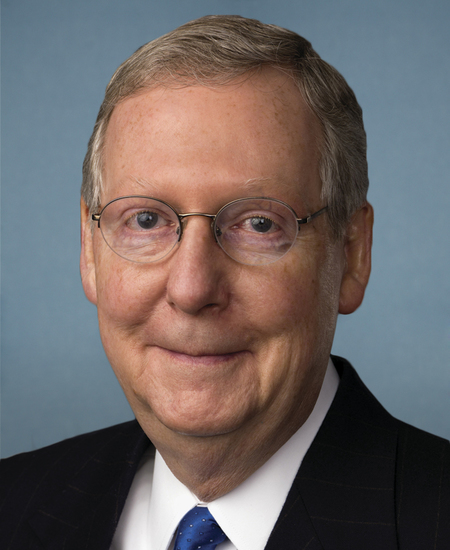
Mitch McConnell
Mitch McConnell Senate
R
Strong +
84% 160
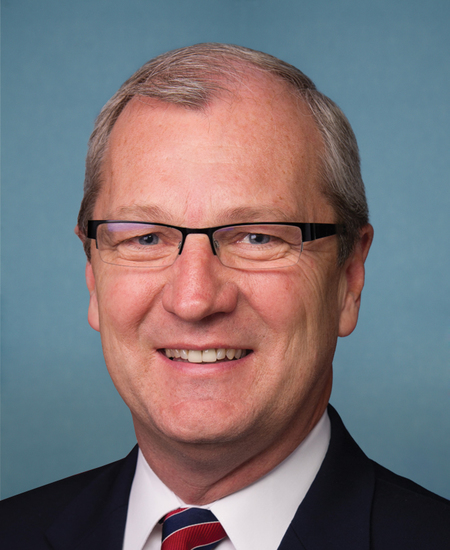
Kevin Cramer
Kevin Cramer Senate
R
Strong +
80% 169
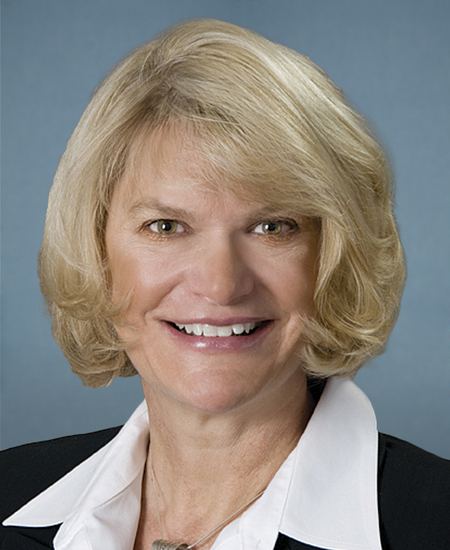
Cynthia M. Lummis
Cynthia M. Lummis Senate
R
Strong +
80% 167
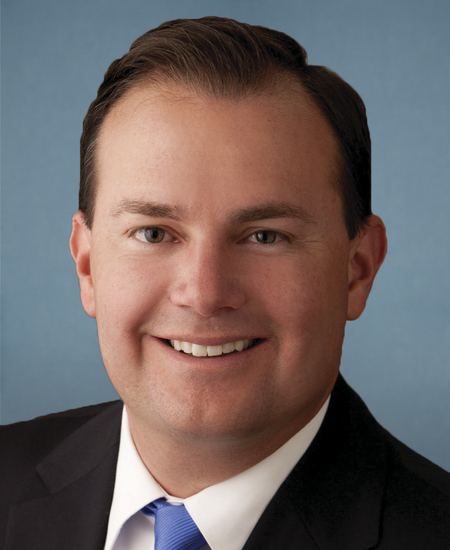
Mike Lee
Mike Lee Senate
R
Support
77% 170
Amy Klobuchar
Amy Klobuchar Senate
D
Strong −
13% 169
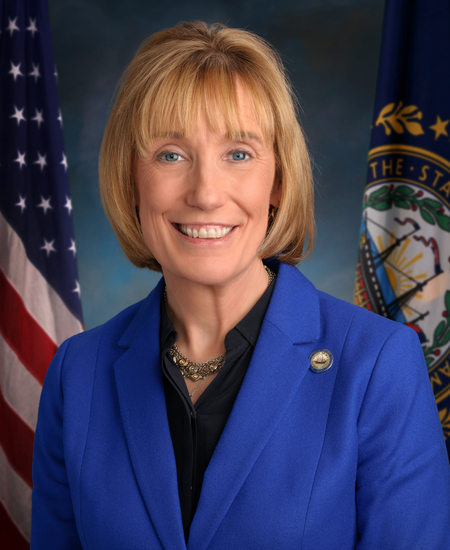
Margaret Wood Hassan
Margaret Wood Hassan Senate
D
Strong −
13% 169
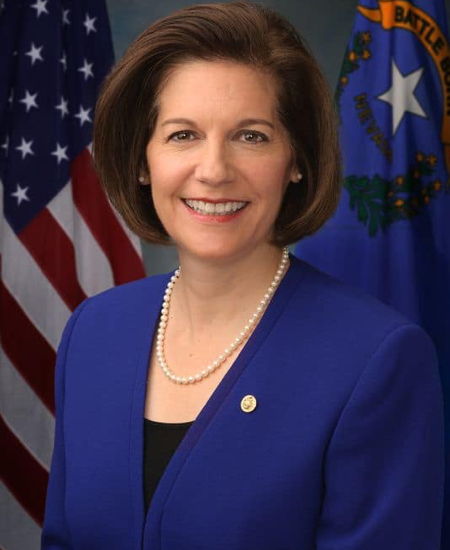
Catherine Cortez Masto
Catherine Cortez Masto Senate
D
Strong −
13% 162
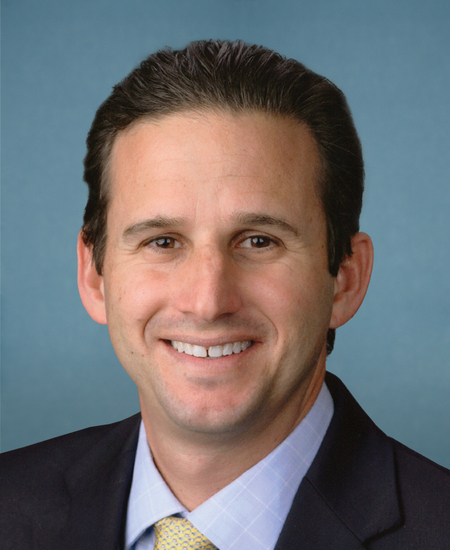
Brian Schatz
Brian Schatz Senate
D
Strong −
16% 171
Andy Kim
Andy Kim Senate
D
Strong −
16% 171
Showing 21–30 of 1,255 bills

All criminal justice bills

in committee · United States · House Aug 27, 2026

HR 10157: Freedom to Home Distill Act

The Freedom to Home Distill Act would allow individuals to legally produce small amounts of alcohol at home for personal use without paying federal excise taxes or facing criminal penalties. To qualify, a household could distill up to 10 proof gallons per year if it has one adult, or 20 proof gallons if it has two or more adults, provided the spirits are never sold or transferred to others. The bill exempts home distillers from standard business requirements such as registering their equipment and paying taxes, but it mandates that any stills purchased for this purpose must have specific safety features like pressure release valves and a capacity of no more than 50 gallons. These changes would take effect for spirits produced after December 31, 2026.
in committee · United States · Senate Aug 7, 2026

S 5371: Stopping Border Surges Act

The Stopping Border Surges Act proposes significant changes to U.S. immigration law regarding unaccompanied children and asylum seekers. It mandates that unaccompanied alien children be repatriated to their home countries if they do not meet specific criteria, while also allowing for the detention of families who entered the country together for misdemeanor border-crossing charges. For asylum applicants, the bill restricts eligibility to those arriving at designated ports of entry and shortens the deadline to file an application from one year to six months. It introduces a "safe third country" provision that can bar asylum claims if an individual transited through another nation without seeking protection there first. Additionally, the legislation requires audio or video recording of expedited removal interviews, imposes criminal penalties for asylum fraud, and terminates asylum status if an individual voluntarily returns to their home country.
in committee · United States · Senate Aug 6, 2026

S 5289: Right to Worship Act

The Right to Worship Act makes it unlawful for individuals to knowingly disrupt religious services or prevent people from entering houses of worship within 100 feet of an entryway during a one-hour window before and after scheduled services. The bill defines prohibited conduct based on the manner of the action, such as volume and duration, rather than the specific content of any speech, while explicitly preserving the right to speak freely under standard time, place, and manner restrictions. Violators face escalating civil fines ranging from $2,500 for a first offense to $10,000 per occurrence for subsequent violations, which are assessed by the Attorney General. Additionally, the legislation grants private individuals, the U.S. Attorney General, and state Attorneys General the authority to file civil lawsuits seeking injunctive relief, compensatory damages, or statutory penalties of $5,000 per violation.
in committee · United States · Senate Aug 6, 2026

S 5320: Insider Trading Prohibition Act

The Insider Trading Prohibition Act creates a new federal criminal statute that makes it illegal to buy or sell securities while knowingly in possession of material, nonpublic information that was obtained wrongfully. The bill defines wrongful conduct to include actions such as theft, breach of fiduciary duty, or unauthorized access to data, and explicitly covers situations where an individual consciously avoids knowing the details of how the information was acquired. It also prohibits sharing this type of sensitive information if the sender knows it will be used for trading. While the law allows for certain exemptions, including transactions made under pre-existing Rule 10b5-1 plans, it ensures that these new penalties apply in addition to existing legal remedies.
Sub-Topics Drug Policy
in committee · United States · House Aug 6, 2026

HR 10066: Stop Corrupt Trading Act

The Stop Corrupt Trading Act creates a new federal criminal offense prohibiting the President and Vice President from selling or exchanging nonpublic information gained through their official positions for financial benefit. The bill also makes it illegal for any other person to purchase, sell, or exchange such information with these officials or their closely associated entities. Violations can result in criminal penalties including fines of up to double the transaction value and imprisonment for the President or Vice President, while third parties face significant fines and mandatory forfeiture of proceeds derived from the illicit transactions. Additionally, the Attorney General is authorized to pursue civil actions against violators to recover profits and impose further financial penalties, with a specific requirement for the Office of Government Ethics to refer credible evidence of such conduct to the Justice Department.
in committee · United States · Senate Aug 7, 2026

S 5372: Kayleigh’s Law Act of 2026

The Kayleigh’s Law Act of 2026 requires federal courts to issue permanent no-contact orders against individuals convicted of specific violent felonies or sexual offenses. These orders, which take effect at sentencing, prohibit any direct or indirect communication or physical interaction between the defendant and the victim for the rest of the defendant's life. Victims can request these injunctions without paying any fees, and violations are punishable as contempt of court. The only ways to end or suspend the order are if the victim petitions the court due to a pardon or changed circumstances, or if the defendant proves their conviction was dismissed or overturned on appeal.
in committee · United States · Senate Aug 4, 2026

S 5231: Equity in Pretrial Health Coverage Act

The Equity in Pretrial Health Coverage Act removes federal restrictions that currently prevent individuals awaiting trial from accessing certain government health benefits. The bill amends laws governing Medicaid, Medicare, the Children's Health Insurance Program (CHIP), and Department of Veterans Affairs services to ensure these programs cover medical care for people in custody while their charges are pending. For children enrolled in CHIP, the legislation also mandates coverage for specific screenings and case management services during the 30 days leading up to their release. These changes take effect shortly after enactment, with the Department of Veterans Affairs provision becoming active immediately upon the bill's passage.
in committee · United States · Senate Aug 6, 2026

S 5337: Keep Our Communities Safe Act of 2026

The Keep Our Communities Safe Act of 2026 significantly expands the authority of the Secretary of Homeland Security to detain non-citizens who are facing removal from the United States. The bill removes time limits on detention during removal proceedings and allows for indefinite detention after a final order is issued if specific conditions, such as national security threats or public safety risks, are certified by government officials. It restricts access to bond hearings for many detainees, requiring them instead to prove they are not flight risks or community threats through clear and convincing evidence. Additionally, the legislation establishes administrative review processes that permit detention beyond standard removal periods if an individual fails to cooperate with deportation efforts or poses a continuing danger.
in committee · United States · House Aug 6, 2026

HR 10052: Right to Worship Act

The Right to Worship Act makes it unlawful for individuals to knowingly disrupt religious services or prevent people from entering houses of worship within 100 feet of an entryway during the hour before and after a scheduled service. The bill applies to conduct that meaningfully interferes with a service's normal operation or unreasonably hinders participation, while explicitly allowing free speech as long as it adheres to these specific time, place, and manner restrictions. Violators face escalating civil fines ranging from $2,500 for a first offense to $10,000 for subsequent offenses, assessed by the Attorney General. Additionally, the act permits aggrieved individuals, the U.S. Attorney General, or state attorneys general to file civil lawsuits seeking injunctive relief, compensatory damages, and attorney fees.
in committee · United States · Senate Aug 5, 2026

S 5245: Karly Rain Wood Act

The Karly Rain Wood Act establishes a national system requiring individuals convicted of multiple serious violent crimes or a combination of violent and drug offenses to register with state and federal authorities for life. These "repeat violent felons" must provide detailed personal information, including DNA samples, fingerprints, and travel itineraries, and are required to appear in person every 90 days to verify their status. The bill mandates that states create public websites listing these individuals' details, which will be aggregated into a national database accessible by the public, law enforcement, schools, and employers. To ensure compliance, the legislation authorizes federal grants to help jurisdictions implement the program while imposing financial penalties on states that fail to substantially adopt the new registration requirements.
Sub-Topics Law Enforcement
Showing 21 to 30 of 1,255 bills
Previous 1 2 3 4 126 Next